








Introduction:Yirgacheffe is one of Ethiopia’s most iconic coffee-growing regions, renowned for its distinctive citrus acidity and floral aroma. But is this bright-flavored bean suitable for pour over brewing? And if you switch to using a moka pot, what type of coffee beans should you choose? This article delves into the regional background of Yirgacheffe, the origins of its washed processing method, and explores its classic flavor profile, while also providing a step-by-step guide on how to achieve the ideal taste with a moka pot.
Yirgacheffe is an exceptionally representative coffee-producing region in southern Ethiopia. The coffee beans produced here are known for their bright citrus acidity, delicate floral notes, and elegant honey-like sweetness, standing in stark contrast to the traditionally bitter and intense black coffee. Not only is it beloved by specialty coffee enthusiasts, but it is also a top choice for many beginners in the pour over scene. However, many newcomers often ask: Is Yirgacheffe even considered a pour over single-origin bean? And if you want to use a moka pot instead, which type of beans are most suitable? This article will explore the region’s history, the evolution of washed processing, and its flavor characteristics, while also explaining the steps for moka pot brewing, helping you find the best match.
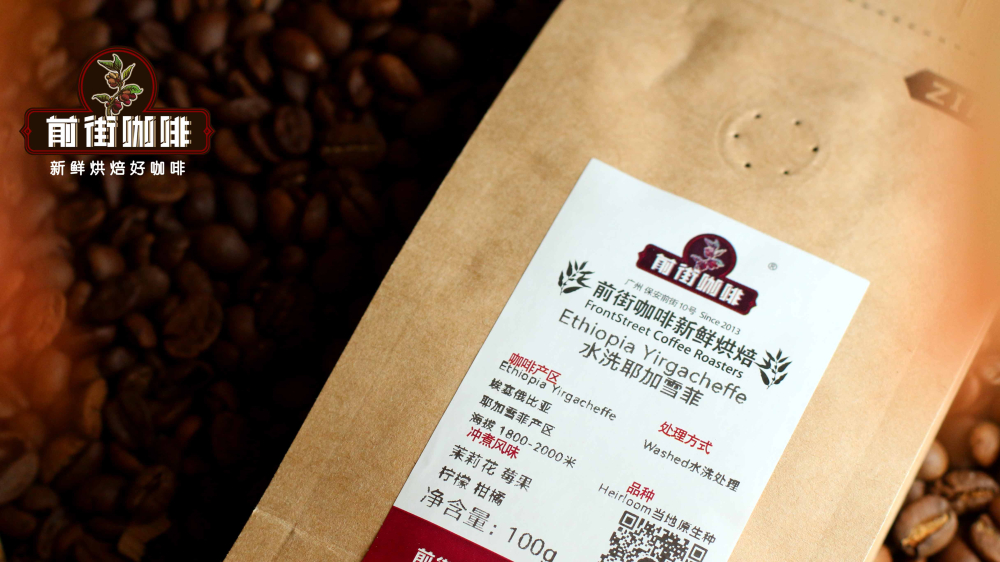
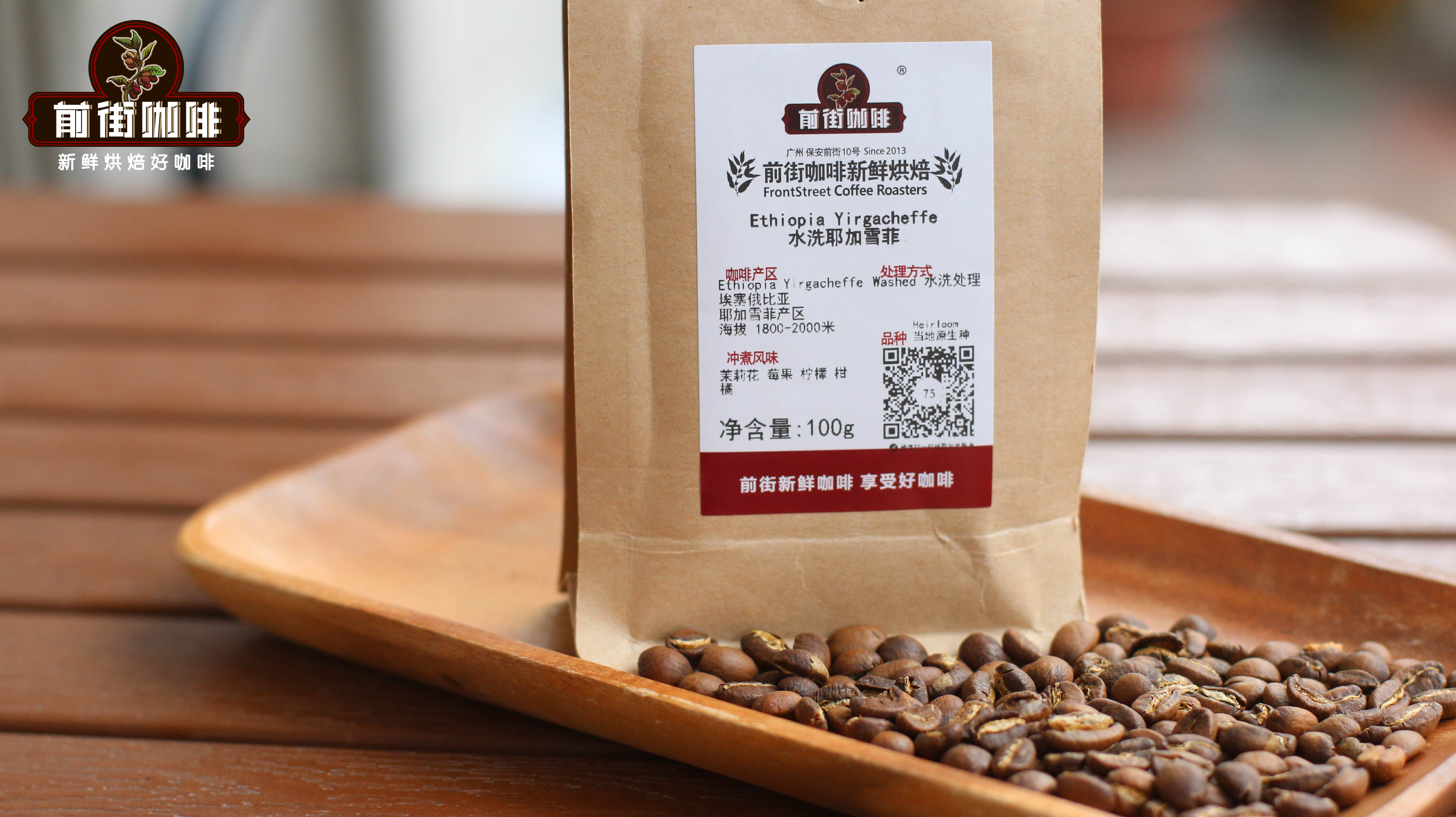
When it comes to Yirgacheffe, many people first think of its unforgettable citrus and floral flavor profile. Compared to typical black coffees that emphasize smoky richness and body, Yirgacheffe offers a refreshing acidity and sweetness reminiscent of lemon, white flowers, and even honey. Its layered flavors and clean aftertaste have made it a classic favorite among coffee lovers. So, is Yirgacheffe suitable for pour over brewing, a method that emphasizes detail and flavor expression? The answer is yes. In fact, Yirgacheffe frequently appears on recommended lists of pour over single-origin beans, especially when medium to light roasted, as this highlights its subtle fruit and floral layers.
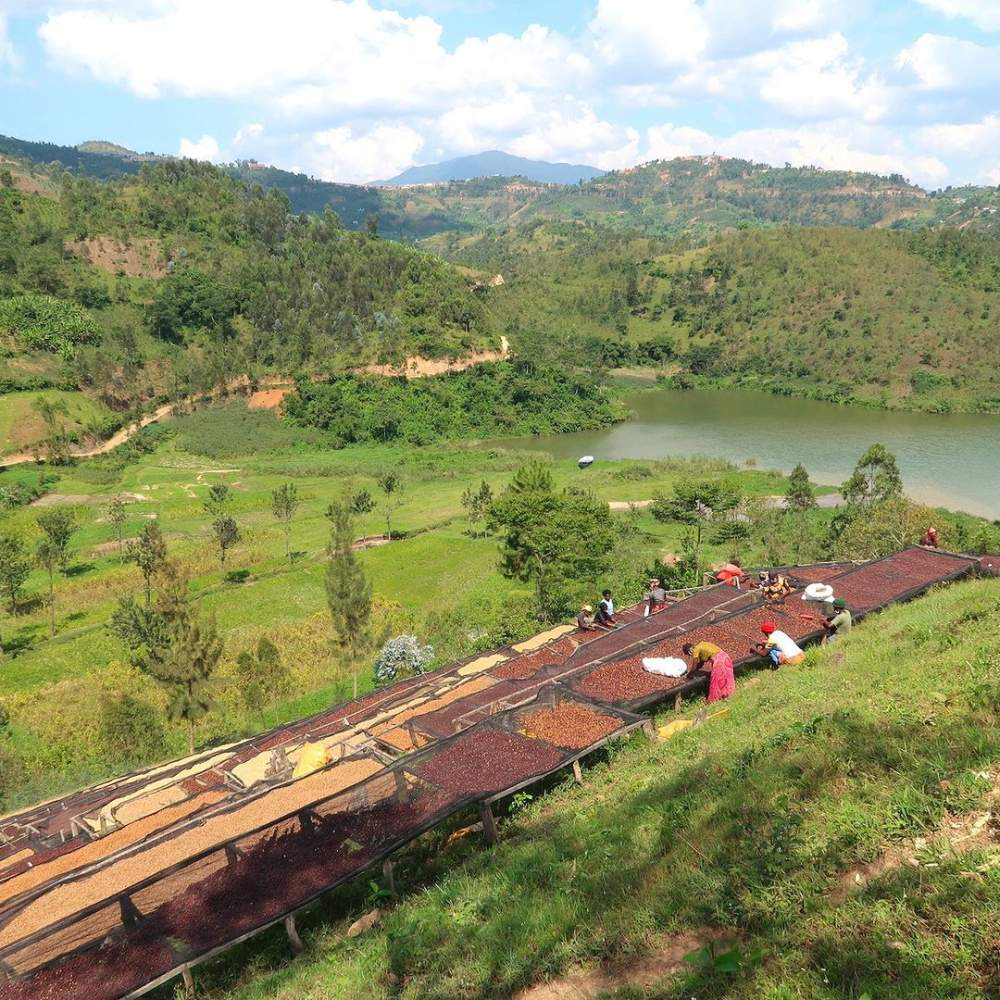
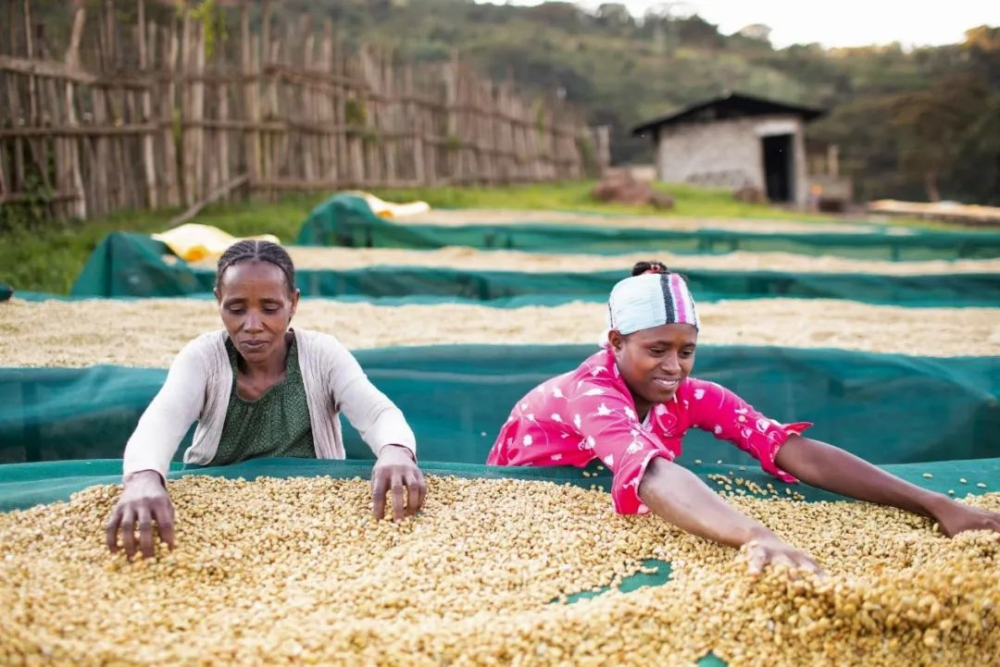
Yirgacheffe is actually the name of a small town in southern Ethiopia, which was originally part of the Sidamo region. As local washed processing techniques developed and unique flavor profiles emerged, this area gradually stood out and became an independent, representative producing region. What makes its coffee so distinctive is not only the region’s exceptional geographic and altitude conditions, but also largely due to the use of washed processing. In the early days, the area mainly used the natural sun-drying method to process coffee cherries, but because this method was relatively crude, the quality was inconsistent. It wasn’t until the 1970s, when the first washing station was established in Yirgacheffe town and advanced equipment and techniques from Central and South America were introduced, that the cleanliness, acidity brightness, and aromatic details of the beans saw significant improvement.

The Gedeo Zone, where Yirgacheffe is located, lies downstream of large lakes and benefits from abundant natural water sources—ideal conditions for washed processing. The area not only has stable water supply, but also relatively ample transportation and labor resources, making it a prime location for building washing stations. Interestingly, in ancient Ethiopian language, the name “Yirgacheffe” is composed of “Yirga (Yərga)” meaning “peace, tranquility” and “Cheffe (Č̣äfe)” meaning “swamp or wetland,” together implying “let us settle in this wetland.” This also subtly hints at the deep connection between this land and coffee.
The so-called “Yirgacheffe flavor” has formed a certain level of recognition and standard in the international market. As early as 2004, the Ethiopian government registered the flavor profiles of several producing regions, including Yirgacheffe, as commercial trademarks, and in 2008 established the Ethiopian Commodity Exchange (ECX) to further regulate the grading and classification of coffee beans. According to ECX definitions, in addition to the town of Yirgacheffe itself, coffee produced in the northern town of Wenago, the western Gelena Abaya, and the southern Kochere—provided they meet specific flavor profiles—can also be categorized under the “Yirgacheffe flavor.” These coffees typically exhibit pronounced citrus and lemon acidity, paired with jasmine or white floral notes, along with a fresh and bright taste. They are clean in texture, well-layered, and almost entirely free from off-flavors or unpleasant aftertastes.
So, is this distinctly flavored Yirgacheffe coffee suitable for brewing with a moka pot? The answer is yes, but special attention needs to be paid to the roast level and grind size. Generally, to highlight Yirgacheffe’s fruity and floral aromas, most producers roast it to a medium-light level, resulting in beans with higher density and slower water absorption. If you directly apply the extraction parameters typically used for traditional medium-dark roasted beans in a moka pot, it may lead to uneven extraction, overly sour taste, or sharp off-flavors. Therefore, it is recommended to choose Yirgacheffe that is medium roasted and specifically designed for moka pots or espresso machines—for example, a suitably adjusted SOE (Single Origin Espresso)—which can balance aroma expression and extraction stability.
When using a moka pot to brew Yirgacheffe, follow these steps for the best flavor performance: First, pour purified water into the lower chamber of the moka pot, keeping the water level about 0.5 cm below the safety valve to avoid overfilling, which can affect heating efficiency. Next, grind 18 grams of coffee beans to a salt-like fineness, with particle size recommended to be between 0.3 to 0.55 mm. If you don’t have a specialized tool, you can adjust based on feel and actual extraction feedback—if you hear intense bubbling but no coffee flows, the grind may be too fine; if the coffee spurts out like a fountain, it may be too coarse.
Place the ground coffee into the moka pot filter basket, gently level it, and do a slight distribution to form a uniform small mound on the surface. It’s recommended to fill the basket fully, as this helps improve extraction evenness and avoids over- or under-extraction in certain areas. Then, insert the filter basket into the lower chamber, ensure the upper and lower chambers are tightly sealed, and place the moka pot on an electric stove over high heat. Once you hear a distinct pressure hiss, reduce the heat to low and slightly open the top chamber lid to observe the coffee flow. When about half of the coffee has flowed into the upper chamber, turn off the heat and let the residual heat complete the final stage of extraction.
The final moka pot coffee is usually rich and topped with fine crema. At this point, you can adjust the serving method to your taste: if you prefer a lighter flavor, mix it with an equal amount of hot water to make something similar to an Americano; if you enjoy milk-based flavors, add fresh milk or creamer to enjoy a uniquely flavored Yirgacheffe moka pot latte, with a silky texture and layered complexity.
The above content is compiled by CoffeeHunters, a coffee news website.


