







Introduction:Delve into the unique charm of Ethiopian Yirgacheffe’s sun-dried coffee beans, from traditional processing to the evolution into modern specialty coffee. Explore the origins of its lemony acidity, floral-fruity notes, and rich body. This article provides detailed pour over brewing parameters and compares flavor differences between sun-dried and washed processes, helping coffee enthusiasts better understand and appreciate the flavor profile of this classic origin bean.
Yirgacheffe is not only one of Ethiopia’s most representative specialty coffee regions but also synonymous with “floral-fruity notes” in the hearts of global coffee lovers. This highland wet zone, with its unique geography and diverse processing techniques, produces coffee with layered and distinctive flavors. This article focuses on a well-known café’s Yirgacheffe Wocha sun-dried beans, systematically introducing its processing method and pour over recommendations, while deeply comparing key differences in aroma, acidity, body, and aftertaste between sun-dried and washed versions.
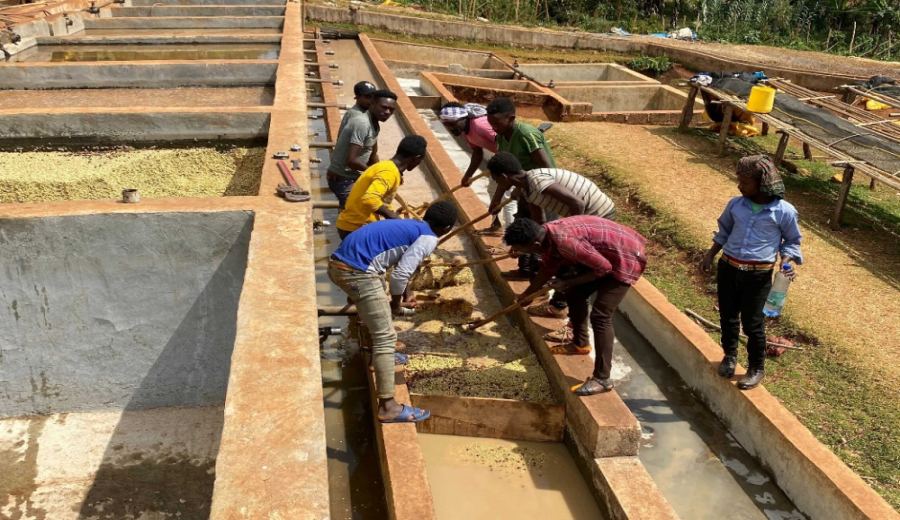
To truly appreciate the charm of Yirgacheffe, understanding its processing method is essential.Washed Process(Washed) relies on water flow and fermentation procedures to remove the coffee fruit’s skin, pulp, and mucilage layer through a series of steps. This process must be carried out in a washing channel with a stable supply of clean water: first, the fermented coffee beans are placed in the channel, where friction between beans and water flushing clean the surface until it is smooth. At this point, the beans are still enclosed in their parchment layer, with a moisture content of about 50%, and must be further dried to a safe level of 12% to prevent mold. The most common drying method is natural sun drying, which, although it takes 1 to 3 weeks, imparts richer flavor layers to the coffee, making it highly regarded in the specialty coffee community.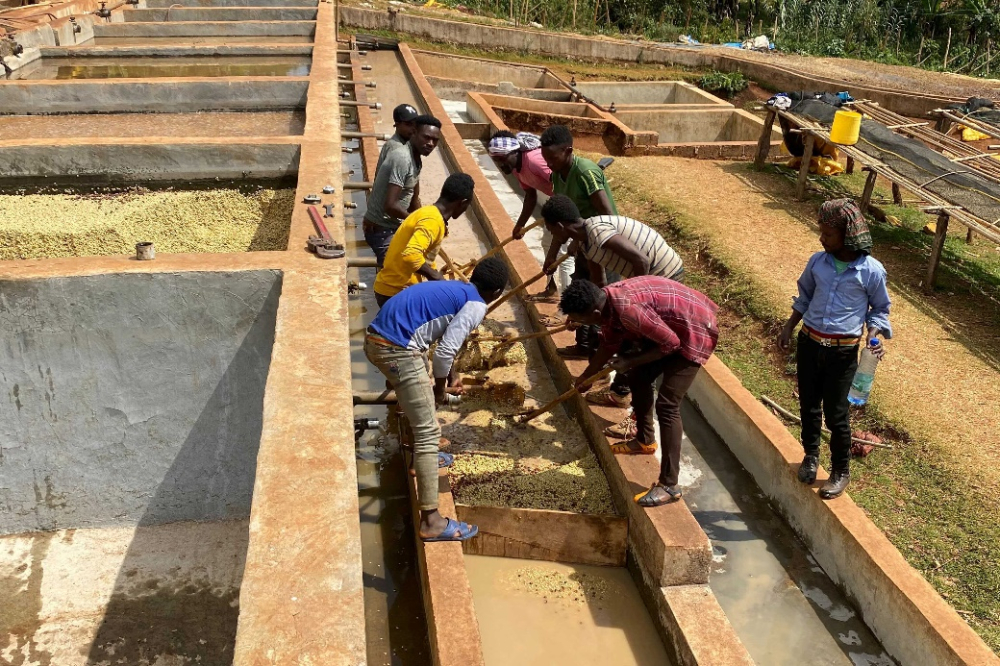
For pour over brewing, we recommend the following two sets of parameters, suitable for both sun-dried and washed Yirgacheffe:
A well-known brand’s sun-dried Yirgacheffe: Recommended dosage is 15 grams, water temperature 89°C, using a Hario Mini Mill grinder at setting 4 with a V60 filter, at a brew ratio of 1:15. First pour 30 grams, bloom for 25 seconds; then pour 104 grams and stop; finally pour up to 230 grams, with a total extraction time of about 2 minutes and 12 seconds.
A well-known brand’s washed Yirgacheffe: Also using 15 grams of coffee, slightly higher water temperature at 92°C, same 1:15 brew ratio with a V60 filter. First pour 30 grams, bloom for 28 to 30 seconds; second pour 110 grams and stop; finally pour up to 230 grams, with the final portion optionally discarded, for an overall extraction time of about 2 minutes and 15 seconds.
Following the above parameters for pour over will fully showcase Yirgacheffe’s layered and vibrant flavor characteristics. Coffee cherries must be processed immediately after harvest, otherwise they may develop off-flavors due to natural fermentation. Traditionally, Yirgacheffe mainly uses sun-dried and washed methods, which show clear differences in final flavor: sun-dried beans retain more natural body, with gentle aroma and rich mouthfeel; washed beans are known for bright acidity, clear aroma, and clean taste.
The name of the Yirgacheffe region comes from the local ancient language — “Yirga” means “to settle,” and “Cheffe” refers to “wetland,” together meaning “let us settle in this wetland.” It is not only one of Ethiopia’s highest-altitude coffee-growing areas but also boasts unique microclimates that produce distinctive coffee flavors. A well-known café’s Yirgacheffe beans are mostly washed, but a small number of premium batches are specially sun-dried to enhance their natural fruitiness and body.
A well-known brand’s sun-dried Yirgacheffe often carries subtle fermented wine-like aromas and spicy notes, while the washed version highlights pure jasmine floral notes and bright lemon acidity. In terms of taste,the sun-dried Red Cherry Yirgacheffeshows a more complex profile, with light fermented wine notes and caramel bitterness interwoven, paired with full honey sweetness, cocoa tones, and hints of spice, offering a full body and long aftertaste;the washed Yirgacheffefeatures bright and refreshing acidity, similar to fresh lemon, with prominent citrus aromas, and a soft black tea-like mouthfeel in the finish. Both share notable fruity acidity, especially the fresh fruit tones of lemon and citrus.
Most coffee trees in the Yirgacheffe region are grown in farmers’ home gardens or mixed-crop farms, with limited production per household, representing a typical garden coffee model. These small mountain villages, shrouded in fog year-round, enjoy a mild and humid climate — cool and rainy in summer but not damp, and free from harsh winter cold. Such an ideal environment is key to creating Yirgacheffe coffee’s unique citrus and floral “terroir.”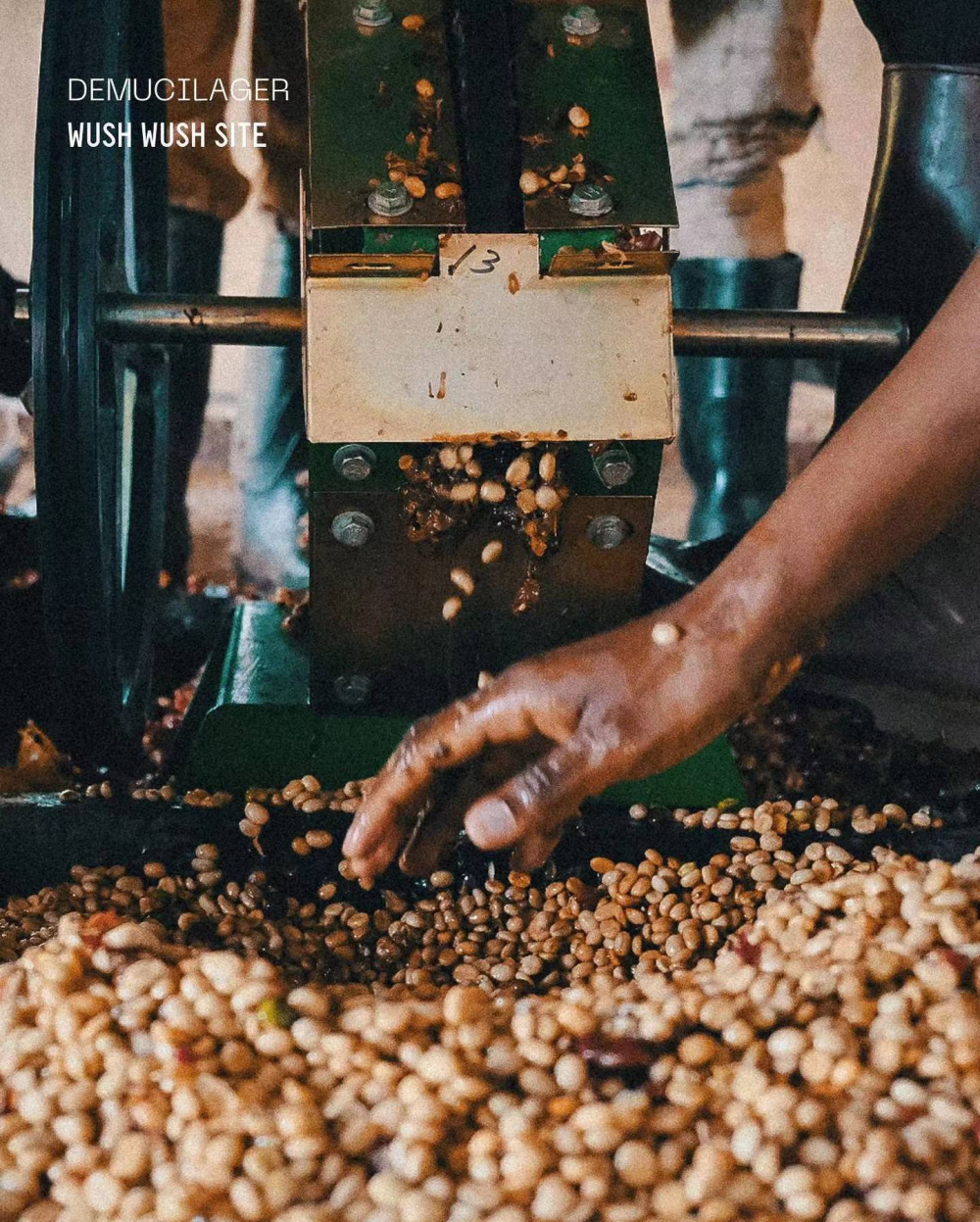
The so-called “Yirgacheffe flavor” is widely considered in the coffee industry to consist ofrich jasmine floral notes, fresh lemon aroma, along with sweet notes of peach and almond, and an elegant tea-like mouthfeel. Historically, Ethiopia traditionally used the oldest sun-dried method, but in 1972, to pursue higher quality, Central and South American washed techniques were introduced, making Yirgacheffe’s jasmine and citrus aromas even brighter and purer, propelling it to stardom in the global specialty coffee market. Since then, the region has long been dominated by washed beans, becoming Ethiopia’s representative of washed coffee.
However, in the past two years, Yirgacheffe has seen a resurgence of the sun-dried trend, launching several stunning sun-dried beans that quickly became the focus of the specialty coffee market. A well-known café’s sun-dried Red Cherry Yirgacheffe is one such example, with beans that are small, dense, and short-rounded. Notably, Ethiopian sun-dried beans are usually graded G3 to G5, but this one reaches the highest gradeG1, equal to washed beans, and although it still contains a small number of defects, the overall quality is already quite excellent.
This bean is roasted to the first crack stage. Whether brewed via pour over or siphon, its fruity sun-dried aroma can be smelled during grinding, with bright sweetness and a blend of the citrus and jasmine tones unique to the washed version. When tasted, it feels as though experiencing the essence of Harar, Yemen Mocha, and Yirgacheffe washed beans all at once.
To ensure the high quality of sun-dried Yirgacheffe, the region’s processing standards are extremely strict. During harvest, only fully ripe red coffee cherries are selected, with all unripe green and defective beans manually removed; before drying, damaged or moldy fruits are checked and removed again. After two weeks of sun drying, the flesh’s sugars and essences fully penetrate the bean core, and once the moisture content drops to 12%, the hard pulp, mucilage, and parchment are mechanically removed. Further density and color sorting is conducted, followed by manual visual inspection to eliminate any remaining defective beans. Through such rigorous checks, a well-known café’s Yirgacheffe sun-dried beans achieve a pure and flawless flavor profile, along with their rich and captivating fruit aroma.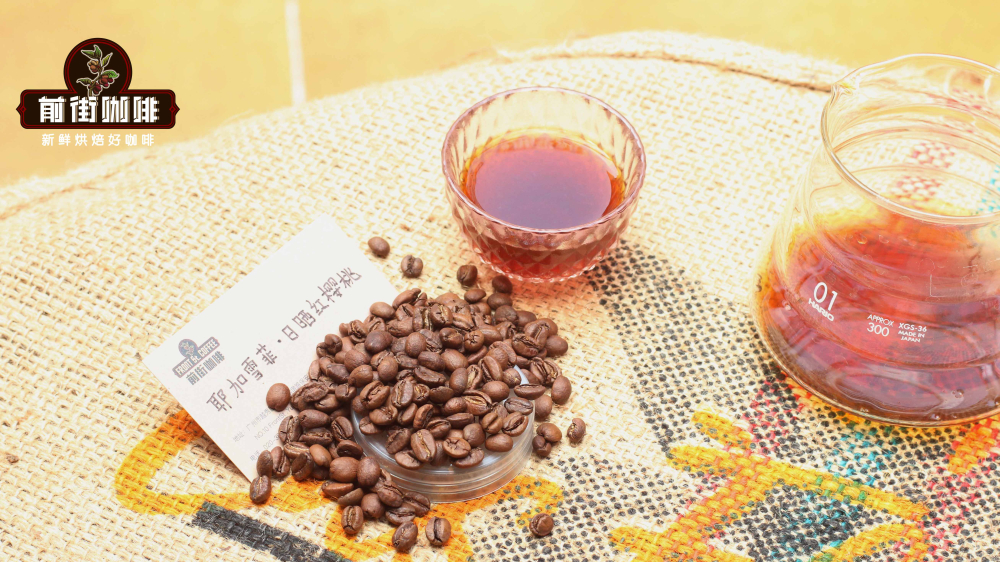
The above content is compiled by CoffeeHunters, a coffee news website.


