







Introduction:Want to brew a richly crema-ed Italian-style coffee using a Bialetti moka pot? This article dives deep into the structure and extraction principles of the moka pot, explains why the coffee it brews is so strong, and offers beverage-mixing suggestions to make the taste smoother. It also guides you on how to choose suitable dark roasted coffee beans, emphasizes the importance of freshness and optimal flavor window, and details the standard steps from weighing beans, grinding, to heating and pouring — even beginners can master it with ease.
For many beginners in the coffee world, the moka pot is the first brewing device they encounter, and when talking about moka pots, one cannot overlook its inventor — Bialetti. This brand with a long history has not only made the moka pot a symbol of home coffee, but also established the possibility of brewing authentic espresso-style coffee at home.
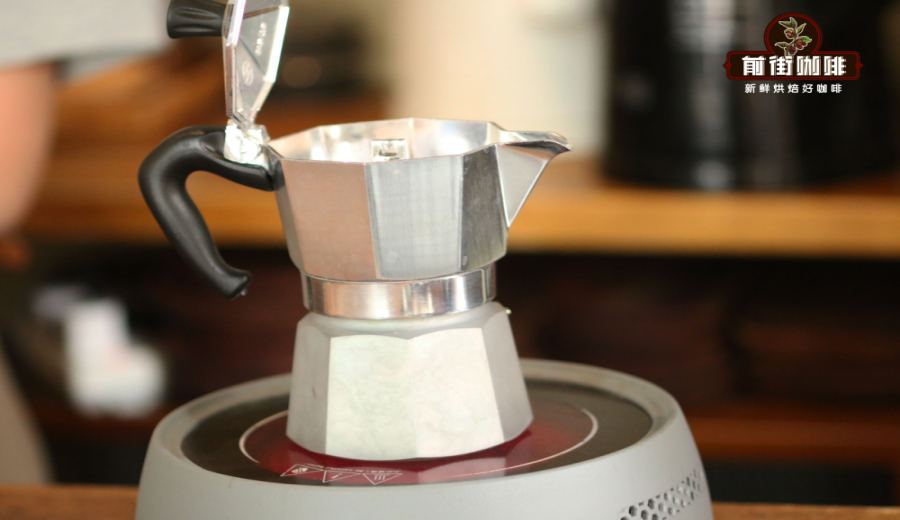
The design of the Bialetti moka pot is relatively simple, consisting mainly of three parts: the lower chamber holds water, the middle funnel is for placing ground coffee, and the upper chamber collects the brewed coffee. When heated, the water in the lower chamber boils and generates steam pressure, which forces the water upward through a narrow tube, passing through the tightly packed coffee grounds, and ultimately producing a concentrated coffee in the upper chamber.
Due to the brewing pressure and method of the moka pot, the resulting coffee is usually quite strong. Drinking it straight might feel overly intense and could even mask the coffee’s inherent aromas. To balance the flavor, it’s recommended to add some hot water or fresh milk to make a “moka pot Americano” or “moka pot latte.” This not only makes the drink smoother but also allows the layers and flavors of the coffee beans themselves to come through more clearly.
If you want your moka pot coffee to have rich crema and pronounced aroma, bean selection is a crucial step. It’s recommended to choosedark roastedcoffee beans, because the dark roasting process makes the internal structure of the beans looser, which helps hot water penetrate more easily, releasing more carbon dioxide and aromatic compounds, thereby forming a richer crema layer.
In addition, the “freshness” of the coffee beans is also a factor that shouldn’t be overlooked. By “fresh,” we mean beans that have completed their degassing period and are within their optimal flavor window. During this time, the beans contain the highest levels of carbon dioxide, which helps extract more aroma and crema during brewing. Generally speaking, the optimal flavor window for coffee beans is around4 to 45 days. It’s best to consume them within this period to achieve the best extraction results. Beyond this timeframe, even the best equipment will struggle to showcase the beans’ full flavor potential.
Many users hesitate when selecting coffee beans, unsure where to start. If you prefer a simpler choice, consider blends specifically designed for espresso extraction, especially those tailored for moka pots and espresso machines. These beans typically offer higher intensity and stable extraction performance, fully leveraging the characteristics of the moka pot.
For example, several espresso blends offered by certain shops are excellent choices for moka pots. The “Classic Espresso Blend” is highly praised for its great crema performance and beginner-friendliness; the “Commercial Espresso Blend” is a commonly used shop favorite with balanced and stable flavors; additionally, the “Dark Cocoa Espresso Blend” stands out with its balanced sweet, sour, and bitter notes and smooth mouthfeel, ideal for users who enjoy multi-layered flavors without sacrificing smoothness.
Once the beans are selected, the next step is the actual brewing process. First, it’s recommended to weigh19 to 20 gramsof coffee beans and grind them to a coarseness suitable for the moka pot — somewhere between pour over and espresso grind. To be more specific, it should be finer than pour over but slightly coarser than the very fine grind used in regular espresso machines, with the principle being that it doesn’t leak through the basket’s seams.
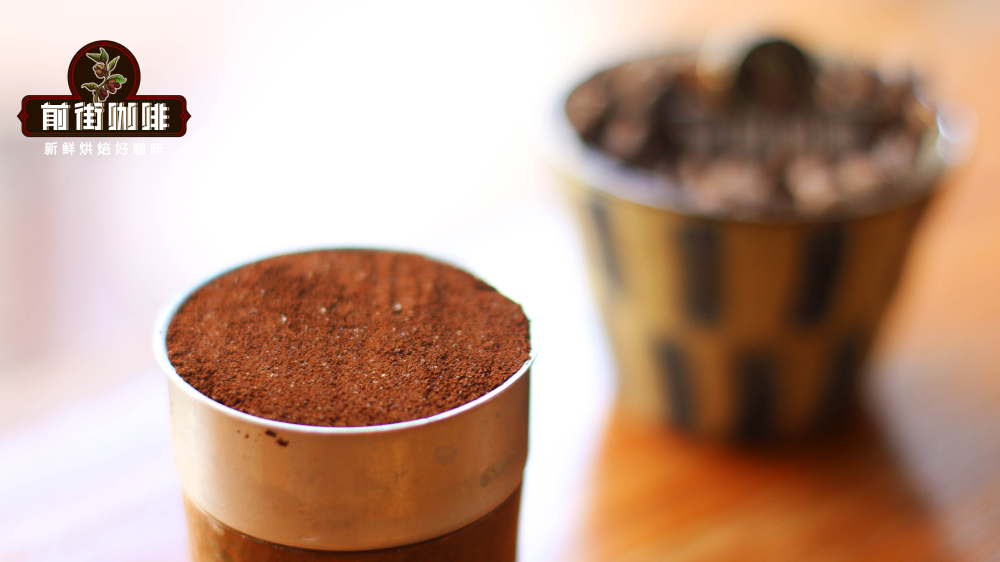
When preparing the lower chamber, first pour in cold water (avoid using hot water to prevent scalding), then insert the filter basket. Use your hand to gently hold the edge of the basket and fill it with the ground coffee, allowing the coffee bed to rise slightly in the center like a small mound, while ensuring the surrounding coffee is tightly packed to avoid channeling. After filling, directly attach the upper chamber and screw it on tightly to ensure a high level of airtightness.
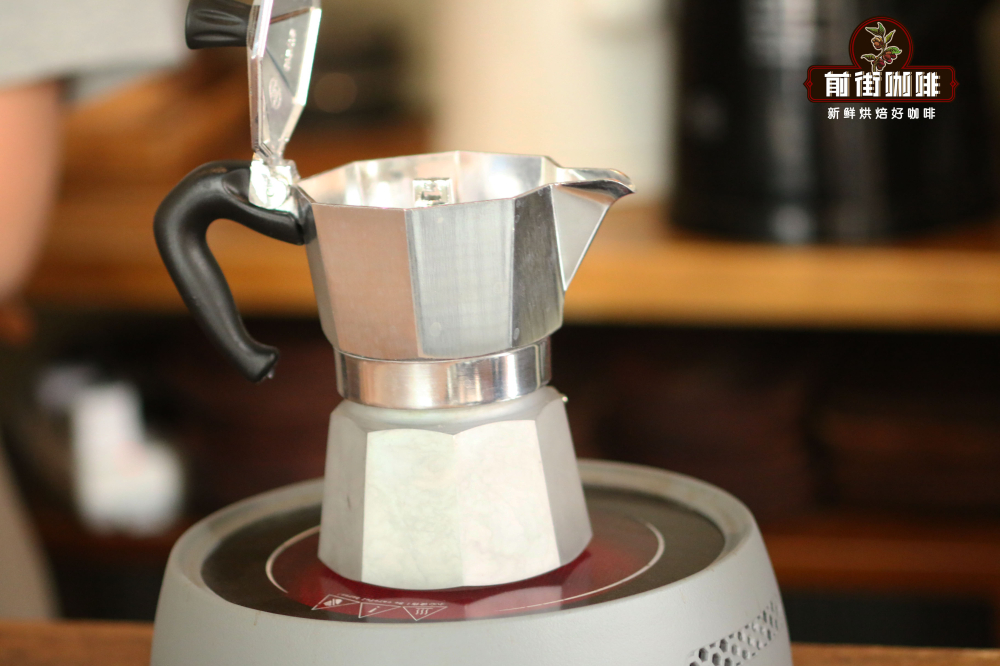
Then place the moka pot on the heat source — it’s recommended to use an electric stove or gas stove. When you hear a distinct “wuu wuu” hissing sound, it means the coffee liquid has started to be pushed up through the coffee bed from the bottom into the upper chamber. At this point, you should immediately turn off the heat and let the remaining coffee finish extracting using the residual heat.

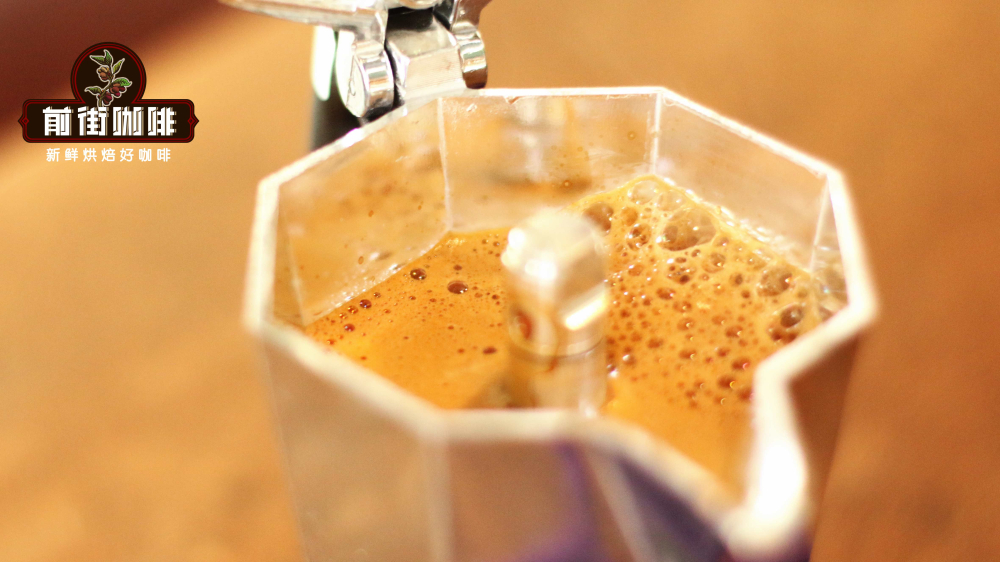
And just like that, a cup of moka pot coffee with rich crema and pronounced aroma is ready. If you’re using a Bialetti moka pot with a double valve, the crema layer will be even more abundant — no need to wait further, you can enjoy it directly or further customize it into a latte, americano, or other drinks.
The above content is compiled by CoffeeHunters, a coffee news website.


