








Introduction:This article delves into the widely cultivated Catimor coffee variety in Asia, analyzing its flavor characteristics and cultivation background, while also reviewing the varietal transition of Yunnan’s small-grain coffee from Typica to Catimor. It also provides practical pour over recommendations, including grind size, water temperature, brew ratio, and a three-stage pouring technique, to help you fully showcase the unique plum acidity, caramel sweetness, and fruity notes of Yunnan-grown coffee.
Catimor is a major cultivar in many coffee-growing regions across Asia, favored by farmers for its high resistance to diseases, adaptability to cool climates, and abundant yields. However, in the specialty coffee scene, Catimor often sparks discussions due to its relatively simple flavor profile and lack of delicate mouthfeel. This article will comprehensively analyze the origin and typical flavor traits of Catimor, revisit the transition in Yunnan from early Typica cultivation to the later widespread planting of Catimor, and offer best practices for brewing Yunnan coffee using the pour over method.

As an important member of the Arabica family, Catimor is not a naturally occurring variety but was developed through artificial breeding techniques. Its parent varieties include Caturra from Brazil — a natural mutation of Bourbon — and Hibrido de Timor (abbreviated as Tim Tim), a rare natural hybrid of Robusta and Arabica that first appeared in East Timor in the early 20th century. Because Catimor contains Robusta lineage, many coffee enthusiasts question whether it can be considered “pure” Arabica, though for producers, its high yield and disease resistance offer more tangible economic benefits.
Notably, planting Catimor in high-altitude, cool-climate environments with sufficient soil moisture, along with rigorous post-harvest processing, can effectively reduce the common coarse astringency and undesirable off-flavors associated with this variety. With advancements in processing techniques, many Catimor coffees from various regions today exhibit cleaner and more balanced flavor profiles, gradually gaining market recognition.
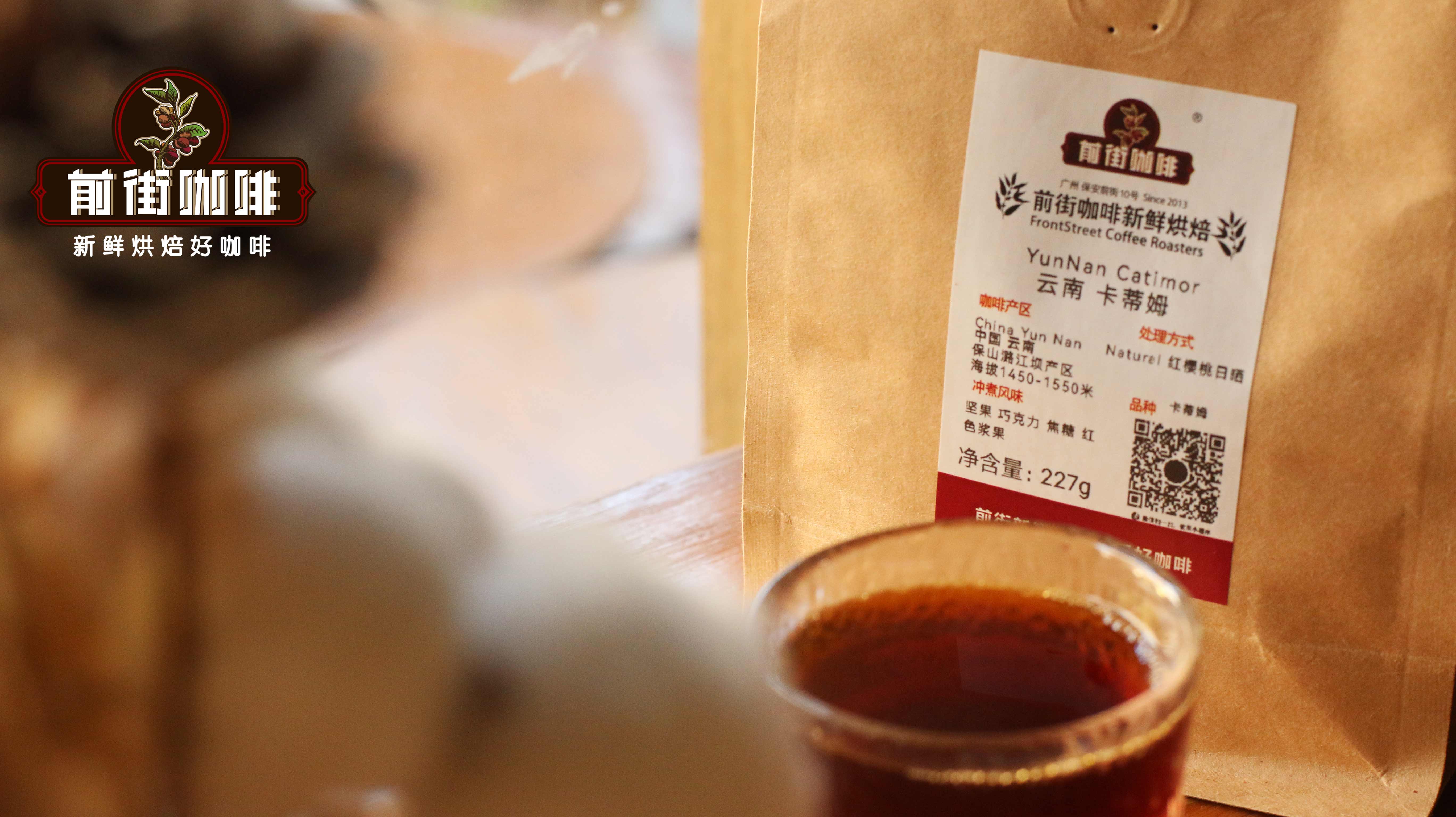
When discussing Catimor, one cannot overlook Yunnan coffee. As early as 1904, French missionaries introduced the first coffee trees to Yunnan, which genetic testing confirmed to be the Typica variety, though at the time they were simply referred to as “small-grain coffee.” Subsequently, due to historical factors — including large-scale planting to repay Soviet loans, followed by a sharp decline in cultivation area due to low market demand — coffee production in Yunnan dwindled. It wasn’t until the 1990s, when Nestlé began promoting the disease-resistant Catimor variety in search of a stable coffee supply, that Yunnan saw a resurgence in coffee cultivation.
However, during the era dominated by Nestlé’s supply chain, insufficient attention to both cultivation and post-harvest processes resulted in generally poor flavor quality of Yunnan coffee, which even affected the overall reputation of the region. It wasn’t until the past decade, with the expansion of the consumer market and the popularization of specialty coffee concepts, that local producers began to prioritize scientific cultivation, refined processing, and quality control. As a result, Yunnan coffee has gradually reshaped its image, showcasing its unique regional flavor potential.
Although improvements in post-harvest techniques have enhanced the performance of Yunnan Catimor, some industry players believe that processing methods alone are not enough to fully mask the inherent flavor limitations of the variety. Therefore, since 2013, some producers have invested in experimental cultivation of the Typica variety, hoping to return to a purer expression of Arabica flavors through varietal improvement. As one of the oldest coffee varieties, Typica is known for its elegant and balanced taste, along with clear fruit notes, and when grown at suitable altitudes and processed meticulously, it can exhibit complex aromas such as berries, nuts, and black tea.
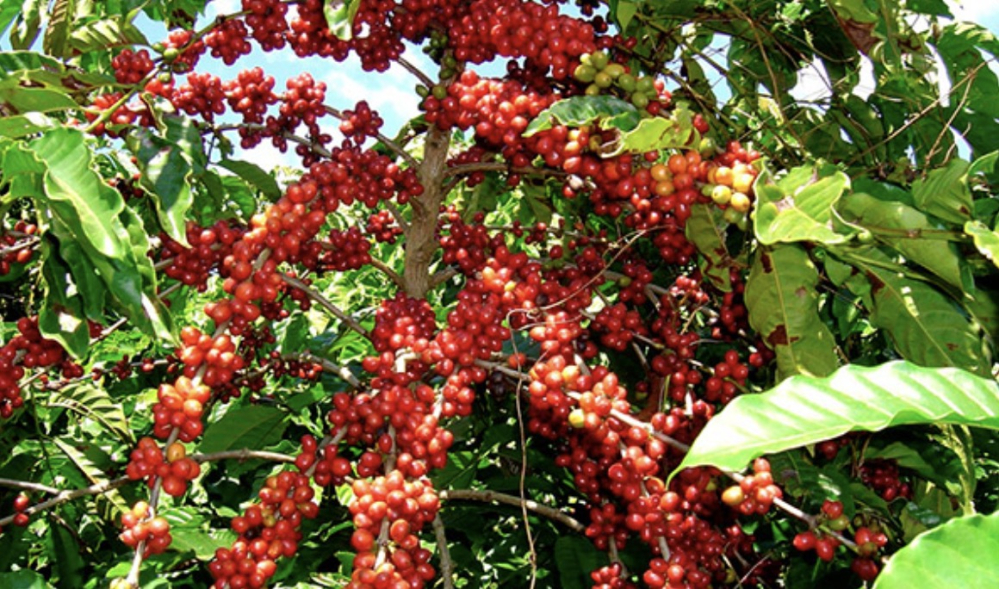
Currently, Yunnan small-grain coffee, primarily Catimor-based, is still available on the market. These coffees typically feature pronounced plum acidity, soft brown sugar caramel sweetness, and rich melon-like fruit aromas, making them highly suitable as everyday drinking beans. For coffee enthusiasts eager to explore the distinctive characteristics of the Yunnan region, Catimor remains a worthwhile choice.
If you’d like to brew Yunnan coffee at home to bring out its unique flavors, we recommend the following pour over parameters: use a V60 filter cone, set the brew ratio to 1:15, and aim for a medium-coarse grind size, similar to coarse sugar granules or achieving about 75% extraction through a Chinese No. 20 standard sieve. Keep the water temperature between 88–89°C to help highlight the balanced acidity and sweetness, as well as the tea-like qualities.
We recommend using the three-stage pouring method: start by pouring 30 grams of water for a 30-second bloom to activate the coffee’s aroma release; in the second stage, pour in a thin stream in a circular motion up to 125 grams, then wait until the water level drops by about half before continuing to pour up to 225 grams. Finally, allow the dripping to complete, with the total extraction time ideally around 2 minutes and 10 seconds. This method ensures even extraction of the coffee’s diverse flavor compounds, avoiding over-extraction or under-extraction.
Remember, using freshly roasted coffee beans (ideally within 5 days of roasting) is key to showcasing the best flavors of Yunnan coffee. A moderate roast level balances acidity and sweetness, allowing you to more easily appreciate the region’s distinctive fruitiness and sweet lingering finish.
The above content is compiled by CoffeeHunters, a coffee news website.


