








Introduction:As China’s premier specialty coffee-producing region, Yunnan boasts exceptional geographical and climatic conditions that nurture coffee beans with unique regional flavors. This article delves into the characteristics of Yunnan’s mainstream coffee varieties—Catimor and Typica—exploring every stage from growing altitude and processing methods to final flavor profiles. It also offers practical tasting and brewing references to help coffee enthusiasts gain a more comprehensive understanding of the coffee potential of this land.
Located in southwestern China, Yunnan benefits from its prime position along the 25°N golden planting belt, an average elevation of 1,000 to 2,000 meters, fertile sloping soils, and abundant sunshine, making it the country’s most representative specialty coffee-growing region. The coffee produced here is gradually gaining international recognition for its rich aroma, gentle acidity, and distinctive fruity and tea-like notes.
The overall flavor profile of Yunnan coffee is bold yet mild, without strong harshness. It often features pronounced fruity acidity, complemented by natural base notes of pine, herbs, and nuts, along with the sweetness of brown sugar and the lingering taste of tea leaves. This unique combination gives Yunnan beans a highly distinctive identity among many Asian coffee-growing regions.

Currently, the majority of coffee varieties grown in Yunnan are Catimor, accounting for approximately 99% of the market supply. Catimor is a hybrid of Arabica and Robusta, inheriting around 25% of Robusta genetics but still classified within the Arabica family. This variety combines strong disease resistance, stable yields, and rich crema, making it the preferred choice for widespread cultivation by Yunnan farmers.
In contrast, although Typica is planted on a smaller scale, it has garnered special attention from the specialty coffee community due to its long varietal history and outstanding flavor potential. Originating from Ethiopia and southeastern Sudan, Typica is one of the oldest cultivars within the Arabica species. Its top leaves exhibit a reddish-copper hue, earning it the nickname “red-top coffee.” This variety offers delicate acidity and a soft licorice-like sweetness. Despite its relatively low yield and higher cultivation challenges, it delivers a rich tasting profile and is considered a classic flavor benchmark by many coffee enthusiasts.
In terms of processing methods, Yunnan coffee showcases diverse possibilities. For instance, Typica grown by a certain farm is processed using the traditional natural (sun-dried) method. This approach involves carefully selecting harvested coffee cherries and placing the fruit-covered beans directly under the sun for extended natural drying. During this process, the pulp and mucilage layers gradually ferment, further driving flavor transformation, resulting in roasted beans with more intense sweetness and complex aromatic layers.
Through sun-drying, the Typica beans from this farm ultimately exhibit bright plum-like acidity, the mellow body of black tea, and the smooth, sweet finish of brown sugar. This processing method not only preserves the inherent varietal characteristics of Typica but also translates Yunnan’s local sunlight and climate conditions into part of the flavor profile.
Meanwhile, Catimor processed via traditional methods typically presents a composite flavor of nuts, brown sugar, and plums. While relatively stable in overall flavor expression, compared to Typica, it shows slightly lower clarity and may carry a mildly more noticeable astringency. Nevertheless, this does not detract from its popularity and practicality as a everyday drinking bean.
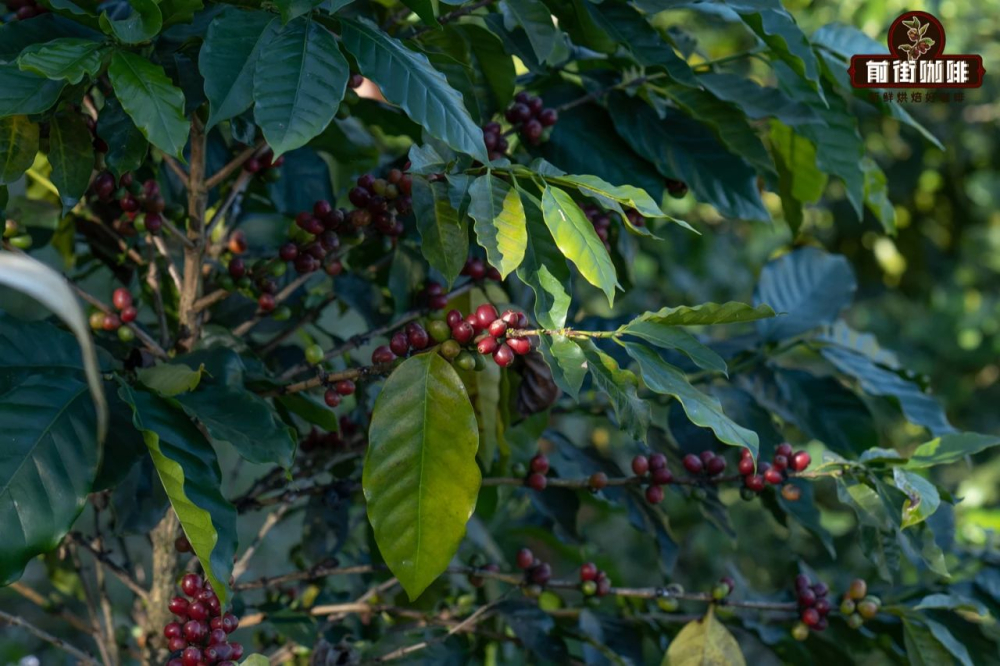
Overall, whether you prefer the stable flavor and high yield of Catimor or the nuanced complexity and classic profile of Typica, Yunnan coffee demonstrates its diverse potential as a specialty coffee-producing region. Understanding the characteristics of these varieties and processing methods will help coffee enthusiasts make more personalized choices when selecting and brewing Yunnan beans, further exploring the unique terroir expressions of coffee from this land.
The above content is compiled by CoffeeHunters, a coffee news website.


