







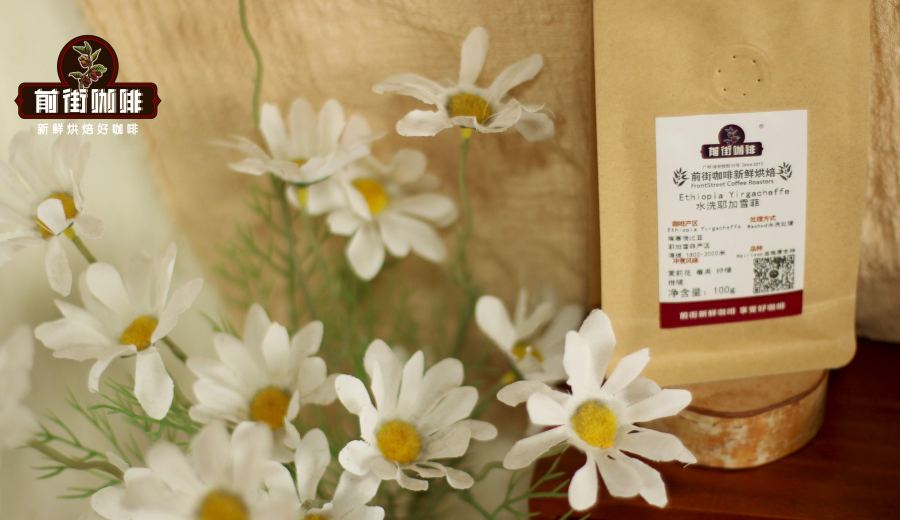
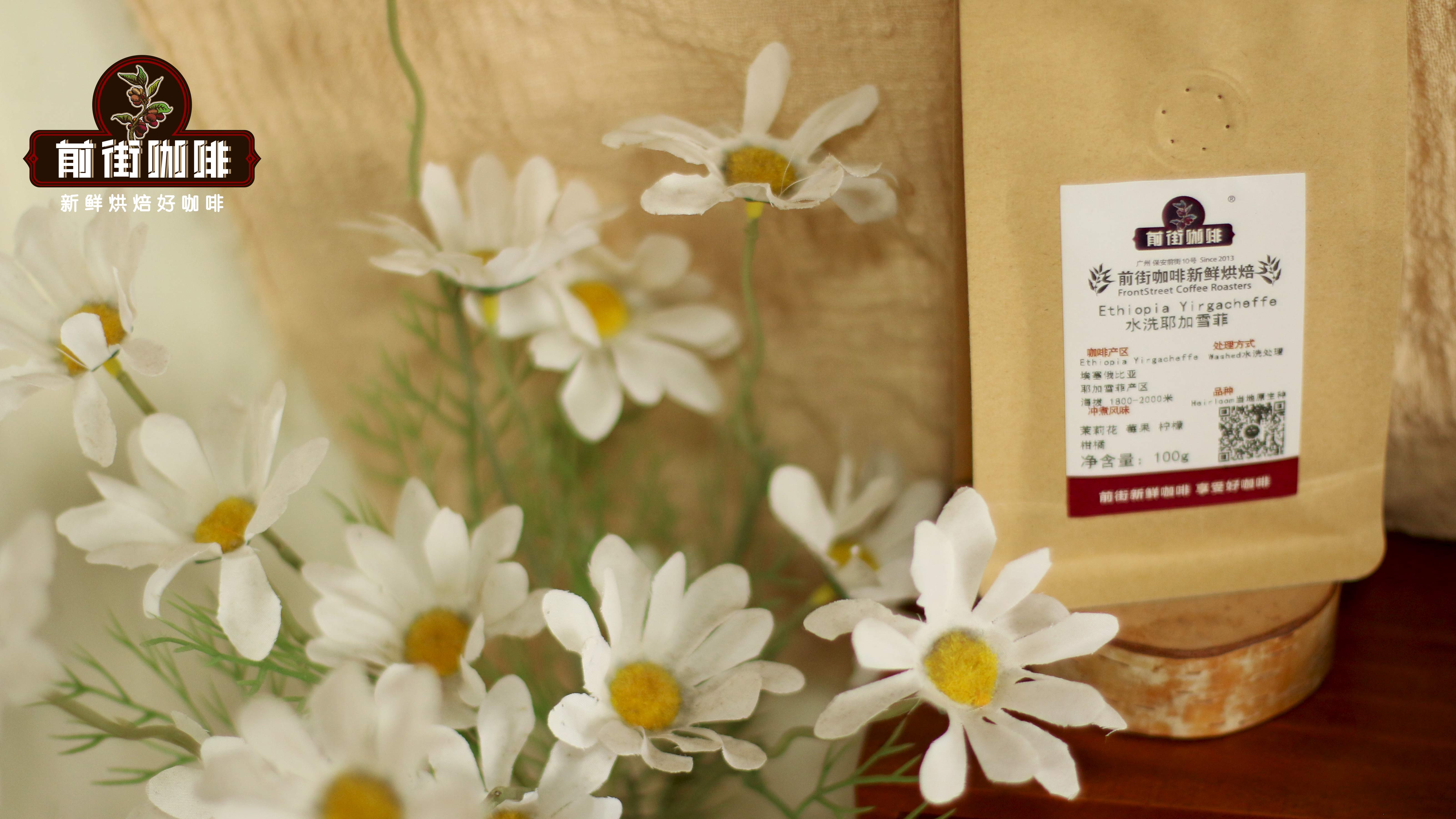
Introduction:Want to dive deep into the unique flavor charm of Yirgacheffe, a classic specialty coffee? This article takes you through the region’s geography, smallholder cooperative operations, and the differences between natural and washed processing methods to fully explore the distinctive flavor characteristics of Ethiopia’s Yirgacheffe Red Cherry Natural beans. We also offer practical V60 three-stage pour over recommendations, including water temperature, brew ratio, and grind size, to help you easily extract an excellent cup full of floral notes and fruity acidity.
Yirgacheffe, a name that often sounds dreamlike to many coffee beginners, is usually where their journey into the captivating flavors of specialty coffee begins. That cup of coffee, with its pronounced jasmine floral notes and bright lemon-citrus acidity, is like opening the door to exploring refined flavors on the palate.
Originally, Yirgacheffe was part of Ethiopia’s Sidamo region. However, due to its delicate and distinctive cup profile that received widespread acclaim, it eventually stood out and became an independently recognized official coffee-growing region in Ethiopia. The area enjoys moderate altitude, gentle year-round climate, morning mist, mild afternoon sunshine, evenly distributed rainfall, and rarely harsh winters—all creating an ideal environment for coffee cultivation.
Unlike the large estate model common in other regions, Ethiopian coffee is mostly grown by numerous small-scale farmers, with each household typically farming only about one hectare of land, thus resulting in limited yields. After harvest, the coffee cherries are sent to nearby processing facilities or cooperatives for further processing. Through collective processing, quality can be effectively controlled while also helping improve farmer income and market competitiveness.
When selecting coffee bean products, it’s common to see labels bearing the names of cooperatives. These generally include post-harvest processing, strict grading, and initial roasting. Well-known examples such as Gotiti, Worka, Konga, and Adado are all reputable sources of Yirgacheffe beans in the market.
When discussing Yirgacheffe processing methods, it’s impossible not to mention the two most representative traditional techniques: natural (sun-dried) and washed. In the early days, Yirgacheffe almost exclusively used the most primitive natural processing method. It wasn’t until 1972, when Ethiopia introduced washed processing technology originating from Central and South America, that some batches began to showcase a clearer, brighter profile dominated by citrus and jasmine. The fundamental difference lies in this: washed processing removes the fruit pulp, enhancing the intrinsic flavor characteristics of the coffee bean itself; whereas natural processing retains the pulp during fermentation, giving the coffee richer sweetness and body. One brand’s Yirgacheffe Red Cherry Konga is a classic representative of the natural process.
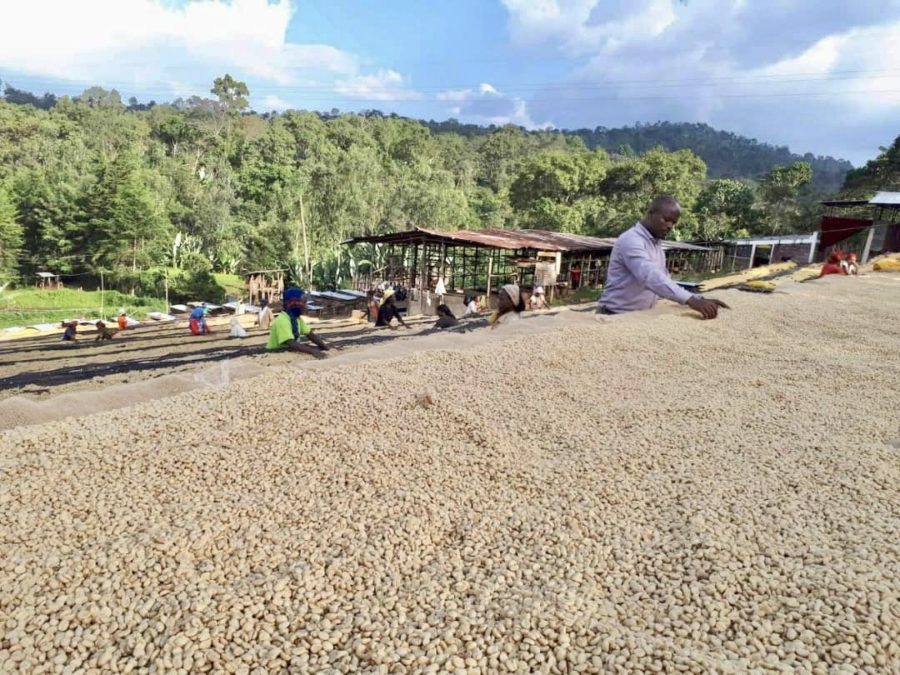
The key to natural processing lies in strictly controlling fermentation and drying. First, it’s essential to ensure that the coffee cherries are fully ripe. During the first two days of sun drying, the appropriate moisture level of the red cherries must be maintained to promote the fermentation and conversion of fruit sugars. Since processing facilities are often located at high altitudes, where nighttime temperatures can drop to around 12°C, this helps avoid off-flavors caused by over-fermentation. Meanwhile, during the strong midday sun, shading is needed to prevent scorching of the cherry surfaces. This complex and meticulous process results in Yirgacheffe naturals’ signature intense floral notes, bright tropical fruit acidity and sweetness, along with delicate fermented aromas.
The “Yirgacheffe Red Cherry Coffee Beans” featured in this article are produced at the Aletan washing station in Ethiopia’s Yirgacheffe region. They are grown at an altitude of up to 2300 meters, using local native coffee varietals, and meticulously processed using the traditional natural method, graded as top-tier G1. To fully highlight its delicate floral notes and juice-like mouthfeel, these beans are medium-light roasted to preserve more of the original fruit character and acidity—making them an excellent choice for coffee lovers who enjoy bright, fruity profiles.
For brewing recommendations, using a V60 dripper for a three-stage pour over is advised. This method allows good control over extraction rhythm and flavor balance. The V60’s unique spiral ridges help the coffee grounds release trapped gases, further unlocking enticing acidic and floral elements, making it the go-to tool for showcasing the layered profile of Yirgacheffe.
In terms of specific parameters, it’s recommended to aim for a brew ratio between 1:15 and 1:16. If you prefer a richer, fuller-bodied taste, choose 1:15; if you’d rather highlight bright floral notes and delicate sweetness, 1:16 is a better option, which also allows the overall flavor profile to unfold more smoothly. The grind size should be around that of fine sugar, approximately 80% of a No. 20 Chinese standard sieve basket (equivalent to a medium-fine grind), ensuring an appropriate extraction rate to avoid over-extraction or harsh off-notes.
The specific pour over steps are as follows: First, set the water temperature to 90 to 91 degrees Celsius, use 15 grams of coffee grounds, following a 1:15 brew ratio, for a total water volume of about 225 grams. The first step is to do a bloom with double the amount of water (about 30 grams) to wet the coffee grounds and allow them to expand into a dome. This stage lasts 30 seconds; then, pour water in a thin stream in small circles from the center outward until the cumulative water volume reaches 125 grams , then pause and let the coffee bed settle slightly to the middle of the dripper; finally, continue pouring with the same thin stream until reaching 225 grams, with total extraction time kept to around 2 minutes. Throughout the process, maintain a stable pour rate and avoid pouring too quickly or forcefully to prevent channeling.
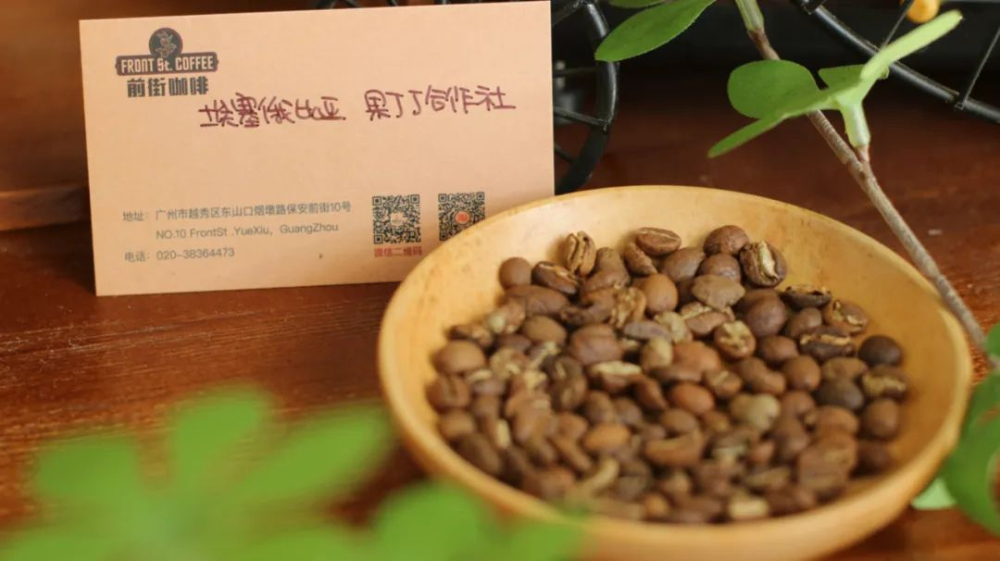
Once all the coffee has dripped into the server, gently swirl the carafe to mix the liquid evenly. You can then begin tasting from the higher temperature stage. At this point, you’ll clearly perceive Yirgacheffe’s signature bright acidity, delicate floral notes, and the honey-like sweetness and berry aftertaste in the finish—perfectly showcasing the charm of the natural process and the unique terroir of high-altitude cultivation.
The above content is compiled by CoffeeHunters, a coffee news website.


