








Introduction:Delve into how the microclimates of Panama’s Boquete region shape the unique flavor profile of Geisha Butterfly coffee—from its Gesha hybrid lineage and washed processing method to the design of its roast curve and pour over brewing techniques. This article provides a comprehensive breakdown of every stage of this popular specialty bean, along with practical grind size recommendations and step extraction parameters to help you fully unlock its floral and fruity acidity potential.
As a shining star on the global specialty coffee map, western Panama’s Barú Volcano region boasts exceptional microclimates and mineral-rich volcanic soils, giving rise to numerous top-tier coffees with delicate and layered flavors. Among them, Boquete, located on the eastern slopes of the Barú Volcano, is home to many renowned estates. The area experiences significant day-night temperature variations and is often shrouded in mist, allowing coffee cherries to ripen slowly and accumulate richer flavor compounds.
This article focuses on a highly acclaimed Panamanian single-origin bean—Geisha Butterfly. It explores in depth its growing environment, varietal composition, processing methods, and the entire journey from roasting to brewing. It also supplements background knowledge and cultivation characteristics of the three main varieties: Gesha, Caturra, and Catuaí, offering enthusiasts a holistic understanding of this coffee from green bean to cup.
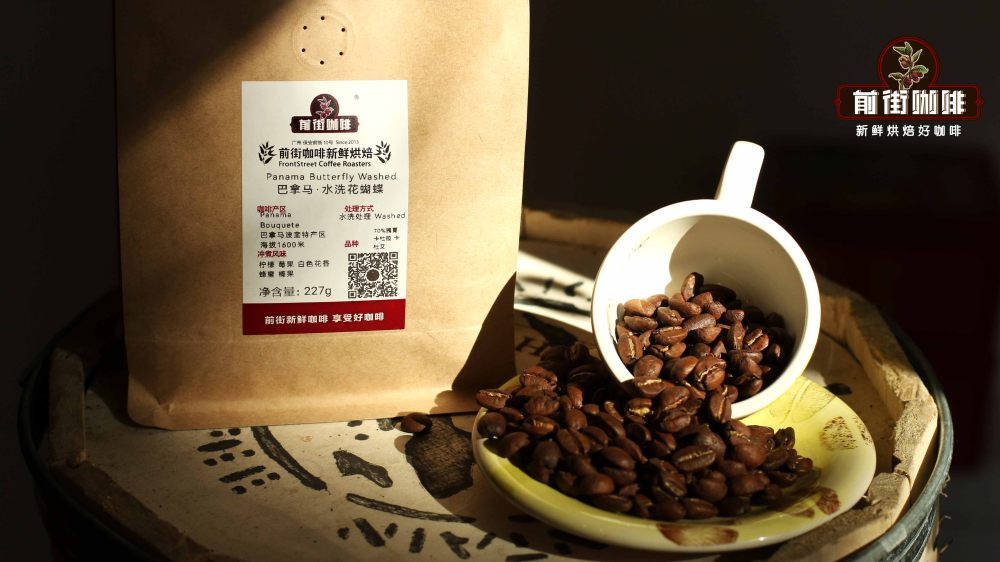
The genetic makeup of Geisha Butterfly coffee beans is quite diverse, with a varietal composition of approximately 40% to 50% Gesha (Geisha), blended with Caturra (Caturra) and Catuaí (Catuaí), grown on the slopes at the foot of the Barú Volcano. The region’s unique microclimate—including ample rainfall and significant day-night temperature differences, along with nutrient supply from volcanic soils—collectively contributes to this coffee’s citrus acidity, rich body, and the signature jasmine and tea-like aromas of Gesha. Although the Gesha variety originates from Ethiopia in Africa, its performance in Panama has long demonstrated a unique character shaped by the local terroir.
Speaking of Gesha, its history dates back to 1931, when it was first discovered in the Gesha Forest of Ethiopia. It was later introduced via the Kenya Coffee Research Institute, then made its way through Uganda, Tanzania, and Costa Rica, finally arriving in Panama around 1960. For a long time, Gesha was primarily used as breeding material due to its low yield and distinct appearance compared to typical Central and South American varieties. It wasn’t until around 2004, when Hacienda La Esmeralda discovered it in their windbreak and submitted samples to the Best of Panama (BOP) competition—winning unexpectedly—that it gained widespread fame. While other regions now grow Gesha, the Gesha series produced in Panama’s Boquete region remains renowned for its distinctive floral notes and refined acidity.
As for Caturra, it is a natural mutation of the Arabica Bourbon variety, discovered in Brazil in 1937. Although it has a shorter tree height, making harvesting easier, it is relatively weaker in disease resistance and has a slightly higher yield than the original Bourbon. However, Caturra did not become widely planted in Brazil. Instead, due to its adaptability to mid-to-high altitudes and various climates, it became one of the mainstream varieties in Colombia, Costa Rica, and Nicaragua. The other variety, Catuaí, is a result of artificial hybridization between Caturra and Mondu Novo. It boasts stronger resistance to wind and rain, with compact fruit that is less prone to dropping. However, harvesting requires more effort, and there are both red and yellow fruit types. Generally, red fruit processed beans are more praised for their cleanliness and overall performance.

Geisha Butterfly coffee is processed using the washed method, which effectively highlights the coffee’s clarity and bright acidity. During processing, the skin and pulp are first removed, and the beans undergo 12 to 18 hours of fermentation under controlled conditions. They are then transferred to a washing tank, where friction between the water flow and the beans removes residual mucilage until the surface becomes smooth. The washed beans are still covered by the parchment layer, with a moisture content as high as 50%, and require prolonged sun drying or mechanical drying to stabilize the moisture level at 12% to 14% to prevent further fermentation or mold. Finally, after sorting and proper storage, they proceed to the roasting stage.
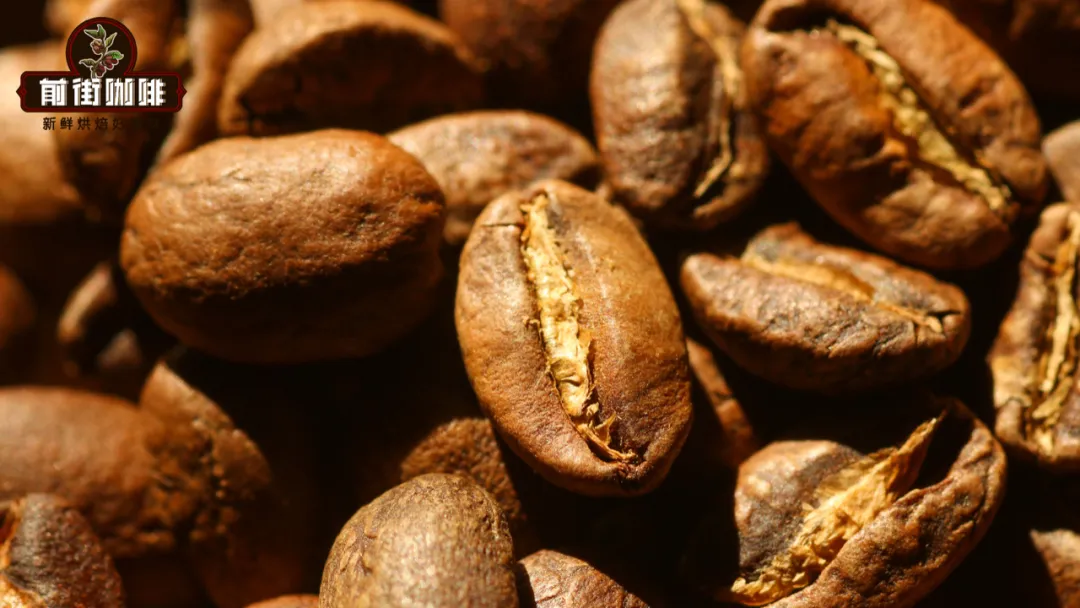
When planning the roast curve for Geisha Butterfly, the roasters at this coffee shop specifically adjusted for the traits of its washed processing. With a moisture content of just 9.9%, they opted for a low initial charge temperature and used high heat and a small air vent to quickly pass through the drying phase. Once the temperature reached 165°C, the heat was reduced, maintaining medium heat and medium airflow to steadily carry out the Maillard reaction, avoiding over-development that could lead to off-flavors. The beans were dropped just before the first crack became intense, with the final charge temperature controlled at 193°C to ensure balanced flavor and clear aroma.
The roast data provided by this coffee shop (using a Yangjia 800N with a 550g batch size as an example) is as follows: preheat the drum to 200°C before charging, adjust the heat to 160 and the air vent to 3 after 30 seconds, with a turnaround point at approximately 1 minute and 31 seconds; at 4 minutes and 50 seconds, the beans turn yellow and grassy notes fade, entering the main drying phase. At 165°C, the heat is reduced to 130 while keeping the air vent at 4; at 7 minutes and 50 seconds, drying is complete, and the bean surface shows wrinkles and dark spots, signaling the prelude to first crack, requiring close attention to the first crack sounds; at 8 minutes and 31 seconds, first crack begins, the air vent is fully opened to 5, and the heat is reduced to 70. The beans are finally dropped at 1 minute and 28 seconds after first crack, at 193°C.
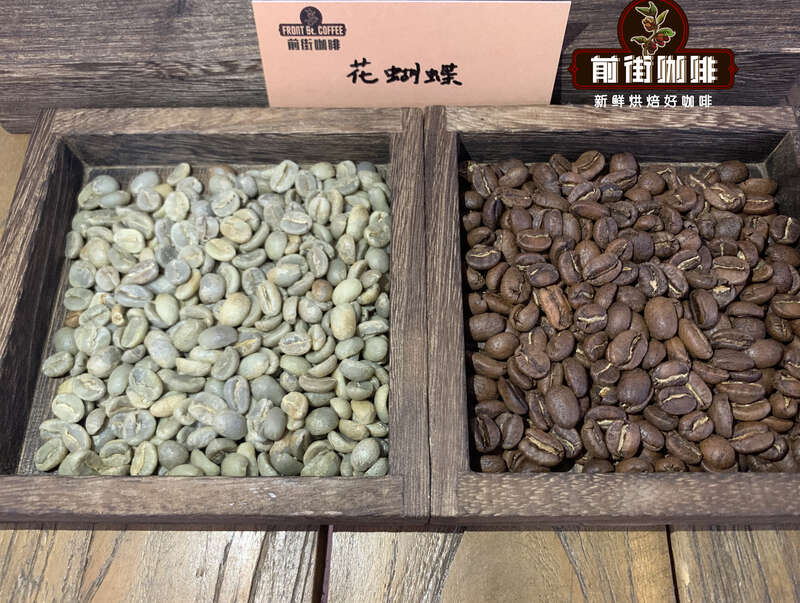
Cupping results show that this Geisha Butterfly coffee exhibits pronounced citrus, berry, and floral notes in the dry aroma; the wet aroma is dominated by citrus and jasmine. Upon tasting, flavors such as peach, grape, caramel, and honey are distinctly layered, delivering an overall impression that is fresh and complex, with balanced acidity and sweetness. The finish carries a hint of nuttiness, with a smooth mouthfeel and very low bitterness. It is suitable for various brewing methods, including pour over, cold brew, French press, drip bags, and moka pot.
For pour over enthusiasts, it is recommended to use a V60 #01 filter cone, with a coffee dose of 15 grams and a brew ratio of 1:15. The grind size should be based on an 80% passing rate through a #20 sieve, with water temperature controlled at 90–91°C. If no sieve is available, observe the brew flow rate: if the flow is too fast, the grind may be too coarse; if too slow, it may be too fine. Note that optimal flavor typically emerges starting on the 4th day post-roast. This coffee shop ensures beans are shipped within 5 days of roasting, with an additional 1–2 days of transit, so customers receive them right in the ideal drinking window (around days 4 to 7).
For actual pour over brewing, a three-stage (step) extraction is recommended: start with a 30-second bloom using 30 grams of water, followed by a slow circular pour to reach 125 grams for the first pour. When the water level drops and is about to expose the coffee bed, continue pouring to 225 grams, then stop. Finally, remove the filter cone when the water level is about to expose the coffee bed again. The total extraction time is approximately 2 minutes and 5 seconds. This parameter setup helps fully express Geisha Butterfly’s floral notes, tea-like body, and bright acidity of berries and citrus, while maintaining low bitterness and moderate acidity, with a smooth and lingering aftertaste.
The above content is compiled by CoffeeHunters, a coffee news website.


