







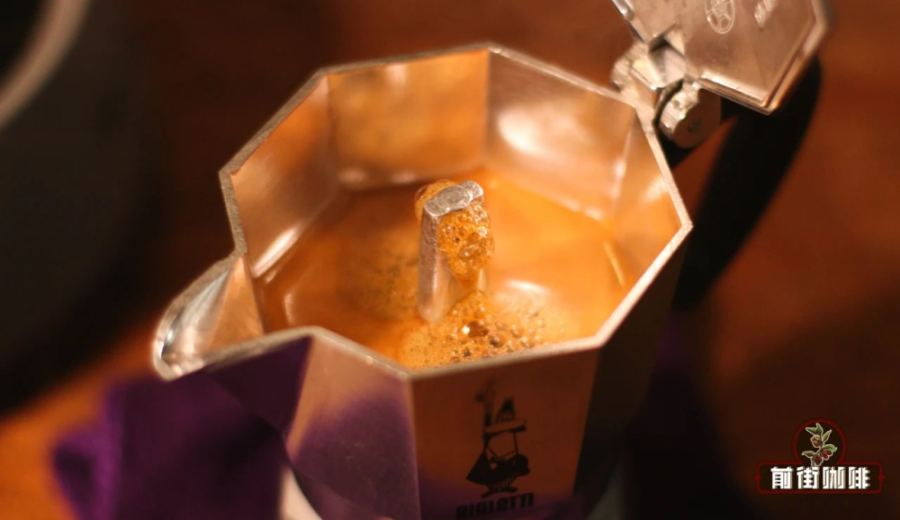
Introduction:The reason why coffee brewed with a Moka pot is so rich and captivating lies in the perfectly balanced grind size and precise coffee-to-water ratio. However, many users are still uncertain about how fine the coffee grounds should be or how much water to add for optimal results. This article will delve into the ideal grind fineness for a Moka pot, techniques for filling the coffee chamber, controlling the water level in the lower chamber, and provide suggestions on bean variety pairings. It will also guide you in identifying and adjusting over-extraction and under-extraction, helping you consistently brew Moka pot coffee with balanced flavors and layered complexity.
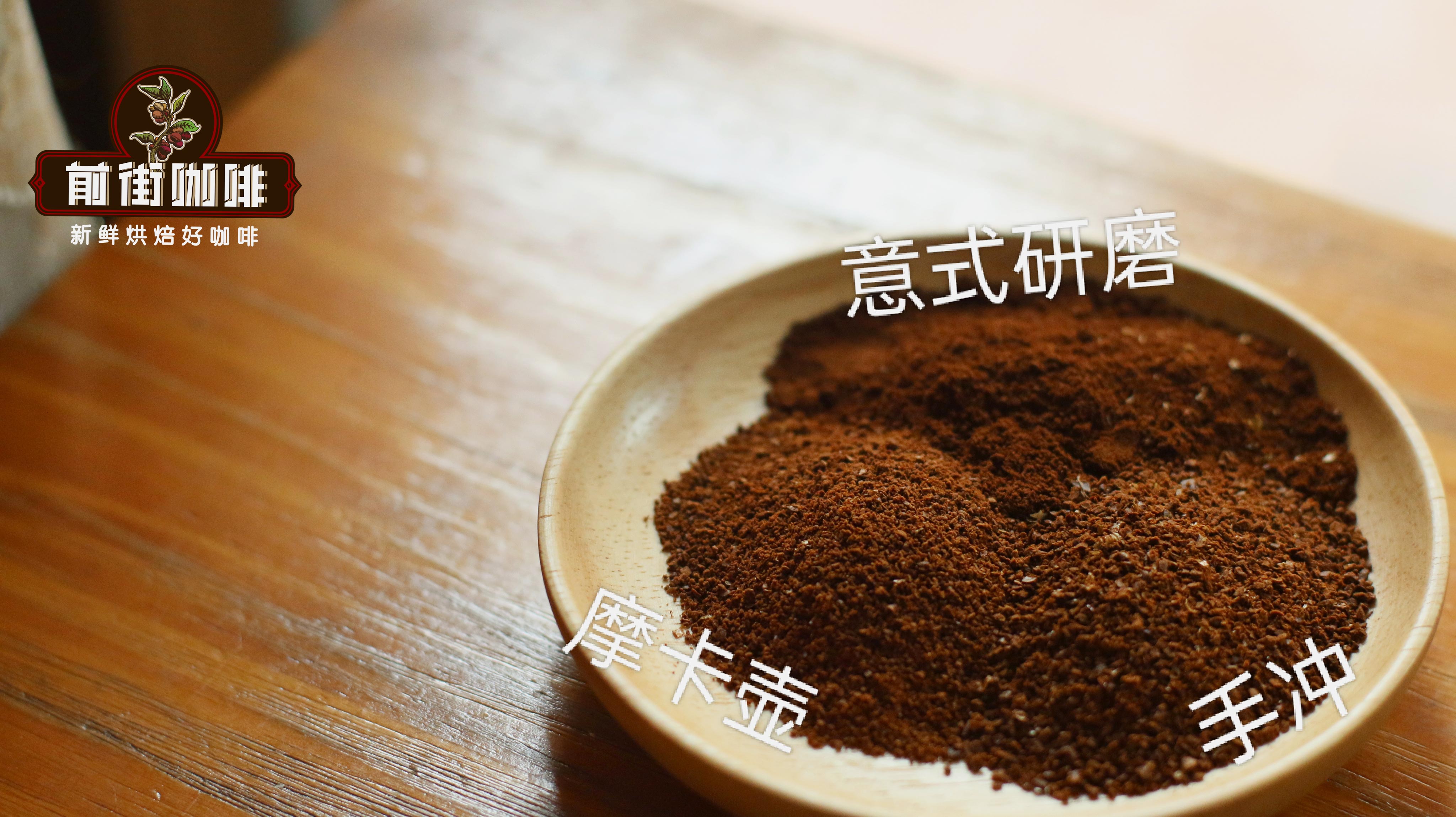
The Moka pot has always been known for its bold and intense flavor profile, which comes not only from the fine grind but also from its pressurized brewing mechanism. However, many users often struggle with determining “how fine should the grind be?” and “how much water should I add?” In reality, compared to an espresso machine, the Moka pot is more forgiving when it comes to grind size—just aim for a texture similar to table salt. It doesn’t need to be as coarse as sugar for pour over, nor as fine as powdered sugar for Turkish coffee.
If the coffee grounds are too coarse, water will pass through too quickly, preventing the full release of aromatic compounds and flavor substances, resulting in under-extraction and a flat-tasting cup. Conversely, if the grind is too fine, excessive resistance can delay water flow and may even lead to dangerous pressure buildup that risks damaging the Moka pot. If you notice that the water in the lower chamber isn’t rising even after prolonged heating, immediately turn off the heat and check the grind size, making necessary adjustments.
Another important factor affecting extraction performance is how much coffee you fill into the coffee chamber. Since different grind sizes alter the volume of the coffee grounds—even with the same weight—the packing density of fine versus coarse grounds varies greatly. Many users follow the manufacturer’s recommended coffee amount yet fail to achieve the expected intensity, often due to this very issue.
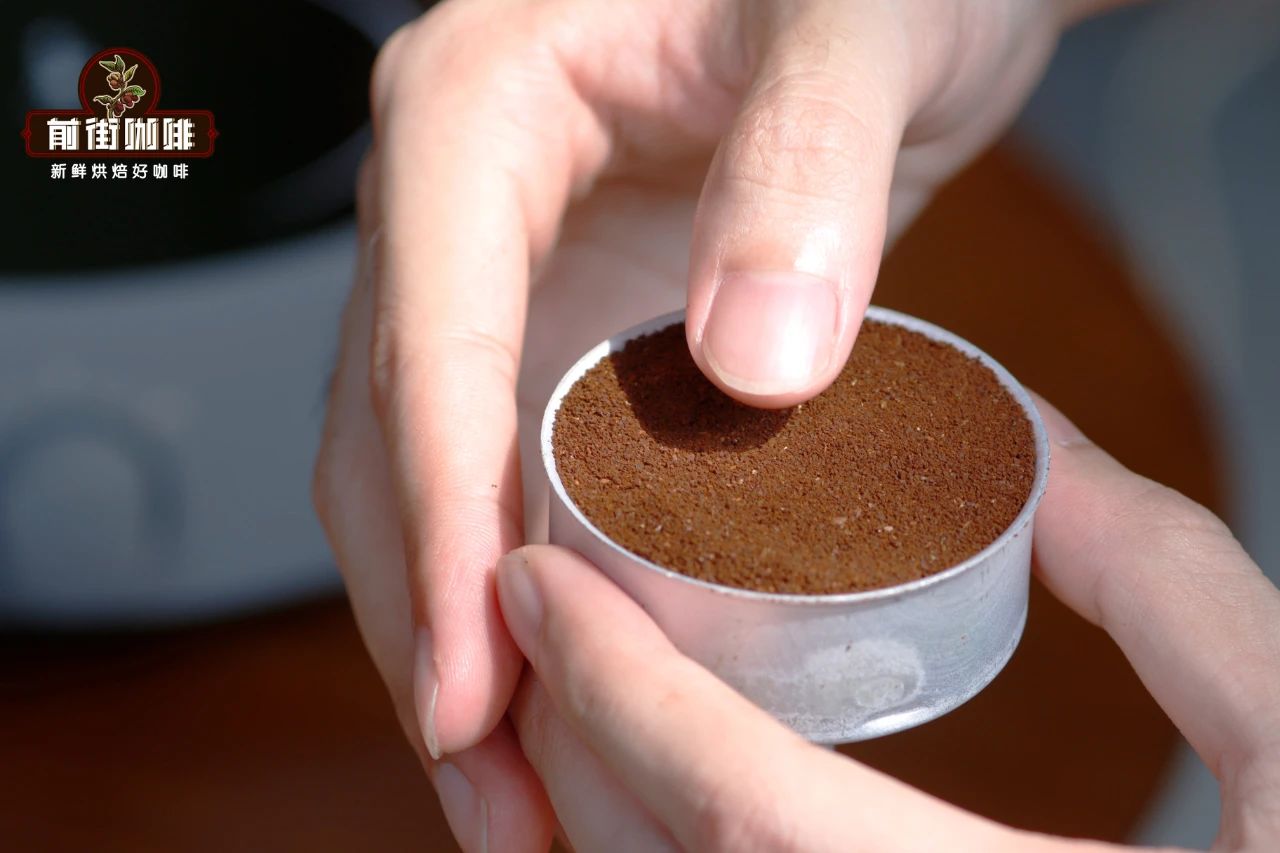
A simple and effective method is to fill the coffee chamber with grounds and then level them off gently with a flat edge, aligning the surface with the rim of the chamber. This fill level typically works well with your current grind setting and leaves room for fine-tuning. For beginners, it’s advisable to note down the final amount of coffee used, which will help guide future adjustments.
Another common question is: How much water should be added to the lower chamber? The answer is closely tied to both safety and extraction efficiency. Pay attention to the metal valve inside the lower chamber, known as the “pressure relief valve.” This component releases excess steam to prevent pressure from building up dangerously.
To ensure the pressure relief valve functions properly, the water level must never exceed the valve’s position. If water covers the valve, not only does it lose its protective effect, but it may also lead to hazardous pressure buildup. Therefore, it’s recommended to fill the water below the valve level and keep track of the amount used each time, which will help reproduce your ideal brew in the future.
As for choosing the right coffee beans, the Moka pot is actually quite versatile and suitable for most types of beans, depending on your flavor preferences. If you enjoy adding milk, opt for dark-roasted beans, which usually have rich oils and pronounced bitterness, providing a strong foundation in milk-based drinks. For those who prefer black coffee, light-roast beans offer bright floral and fruity acidity for a refreshing experience.
The example used in this article is a classic dark roast blend of Brazilian, Indonesian, and Vietnamese beans. This blend not only features intense aroma and attractive crema, but is also perfect for making both Americano and latte, reliably highlighting the bold characteristics of Moka pot coffee.
Now that you’ve mastered the key points above, let’s move on to the practical steps of using a Moka pot.
First, prepare the necessary tools and materials: including the Moka pot itself, freshly ground coffee, clean water, and a heat source (such as a gas stove, induction cooker, or alcohol burner).
The first step is to add water. It’s recommended to use hot water to shorten the heating time and speed up the brewing process. When adding water, make sure the level stays below the pressure relief valve in the lower chamber to ensure safe operation.
The second step is to fill the coffee chamber. Add an appropriate amount of coffee grounds to the chamber, ideally leveling the surface flush with the rim. After filling, gently tap the chamber to help the grounds settle naturally, filling gaps and reducing channeling for a more even extraction. If using finer grounds, do not tamp them down forcefully—excessive compaction increases resistance, slows water flow, and may pose safety risks. Simply level the surface with your finger when done.
The third step is to place the filled coffee chamber into the lower chamber and carefully screw the two parts together. If using hot water, it’s advisable to use a damp cloth for insulation to avoid burns.
The fourth step is to place the Moka pot on the heat source and begin heating. There’s no special technique here—just ensure the heat is stable and evenly distributed.
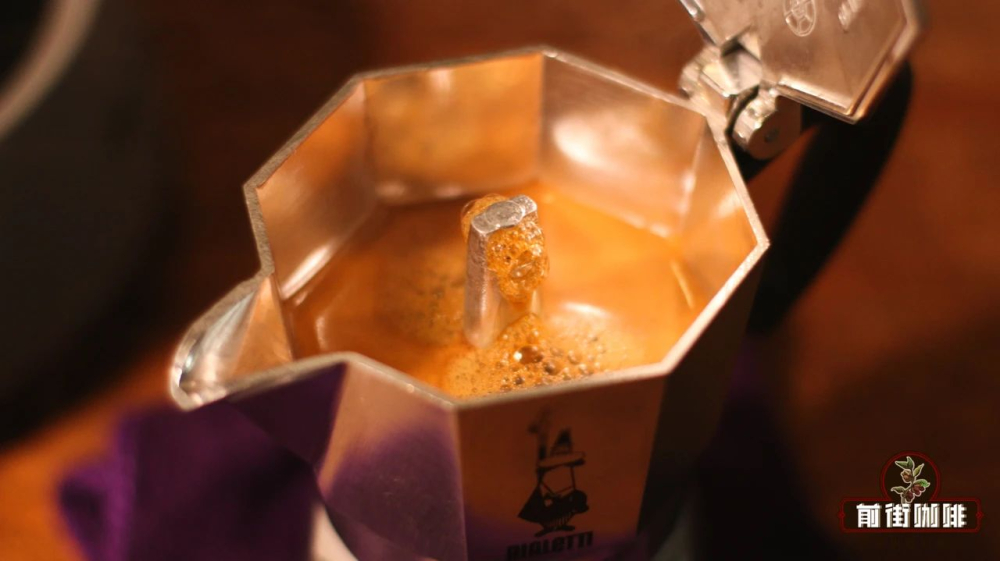
When the Moka pot starts emitting a distinct hissing sound, it means the water has been heated into steam, which will soon begin pushing the coffee upward. At this point, immediately reduce the heat to avoid excessive pressure forcing too much water through too quickly, which could result in under-extracted, bland coffee.
Finally, when about half of the coffee has flowed out, it’s recommended to turn off the heat and let the residual heat finish the extraction. This helps preserve the coffee’s flavor and prevents over-extraction, which can lead to burnt or bitter notes.
When tasting, if you detect strong bitterness or astringency, it may indicate over-extraction—next time, try reducing the brew yield or cutting off heating earlier. If the taste is overly sour or harsh with pronounced off-flavors, the grind might be too coarse or extraction insufficient. You can adjust by grinding slightly finer or increasing the water volume slightly. Through continuous experimentation and fine-tuning, you’ll gradually discover your personal Moka pot golden ratio and brew your perfect cup of coffee.
The above content is compiled by CoffeeHunters, a coffee news website.


