








Introduction:Gain an in-depth understanding of the geographical advantages and coffee variety characteristics of Ethiopia’s Yirgacheffe region, comprehensively analyze the processing differences between the two main methods—natural and washed—and through practical comparisons of green bean appearance, roasting profiles, cupping flavors, and pour over parameters, help you grasp the unique charm and optimal brewing methods of this renowned coffee bean.
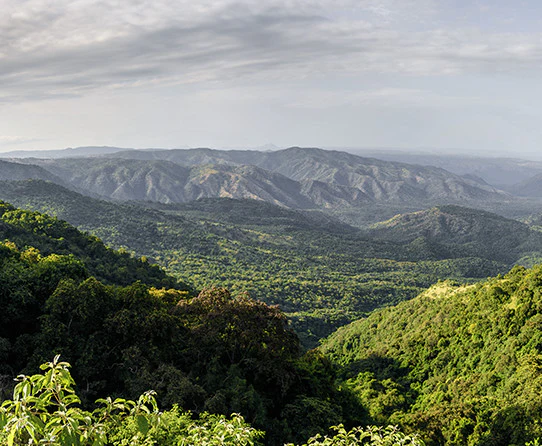
Yirgacheffe is a famous specialty coffee region in southern Ethiopia, located on the eastern edge of the East African Rift Valley with undulating terrain and elevations generally ranging from 1700 to 2100 meters. The region enjoys a cool and foggy climate year-round, providing ideal conditions for growing high-quality coffee. Not only is it one of the highest-altitude coffee-growing areas in Ethiopia, but its unique microclimate and traditional processing techniques also produce beans with delicate flavors and richly varied aromas. This article will use two representative Yirgacheffe coffees—the naturally processed "Red Cherry" and the washed "Gutiti Ding Ding"—as examples, to guide you through the region's background, processing methods, green and roasted bean appearances, roasting recommendations, cupping performance, and pour over parameters, offering a comprehensive exploration of Yirgacheffe’s allure.

Yirgacheffi is situated on the edge of the East African Rift Valley, featuring fragmented terrain and rolling mountains, with an average elevation of over 1800 meters, and many cultivation areas located between 1700 and 2200 meters. The region borders Lake Abaya to the west, which provides abundant water sources and high humidity. These conditions not only aid coffee tree growth but also offer a natural advantage for developing washed processing. Although it was once administratively part of the Sidamo region, due to its distinctive flavor profile, it is now regarded as an independent and highly representative specialty coffee region.
Analysis of Yirgacheffe Processing Methods: Washed vs Natural
The unique flavors of Yirgacheffe coffee beans largely stem from their diverse processing methods, among which washed and natural are the most common and representative. Understanding the differences in their processing is the first step to grasping the flavor profile of Yirgacheffe.
Washed Processing Method: The Representative of Clean Acidity and Clear Layers
Washed processing is a meticulous and hygienic technique that involves multiple steps to separate the pulp, mucilage, and coffee beans. First, selected coffee cherries go through a depulper to remove the outer skin and some of the pulp; next, the beans, still coated with residual mucilage, undergo about 24 hours of fermentation in water to break down the mucilage layer; after fermentation, the beans are thoroughly rinsed with clean water to remove all residues; finally, the parchment-covered coffee beans are dried appropriately until their moisture content drops to 12%, after which the parchment is removed to yield what we call green beans.
The advantage of washed processing lies in its ability to highlight the acidity and layered complexity of the coffee. The resulting beans are typically clean, smooth in mouthfeel, and have a clear flavor profile, which is why they are widely favored in the specialty coffee market. However, this method demands high standards for equipment and environmental hygiene, and carries relatively higher risks.
Natural Processing Method: The Source of Intense Fruit Aroma and Sweetness
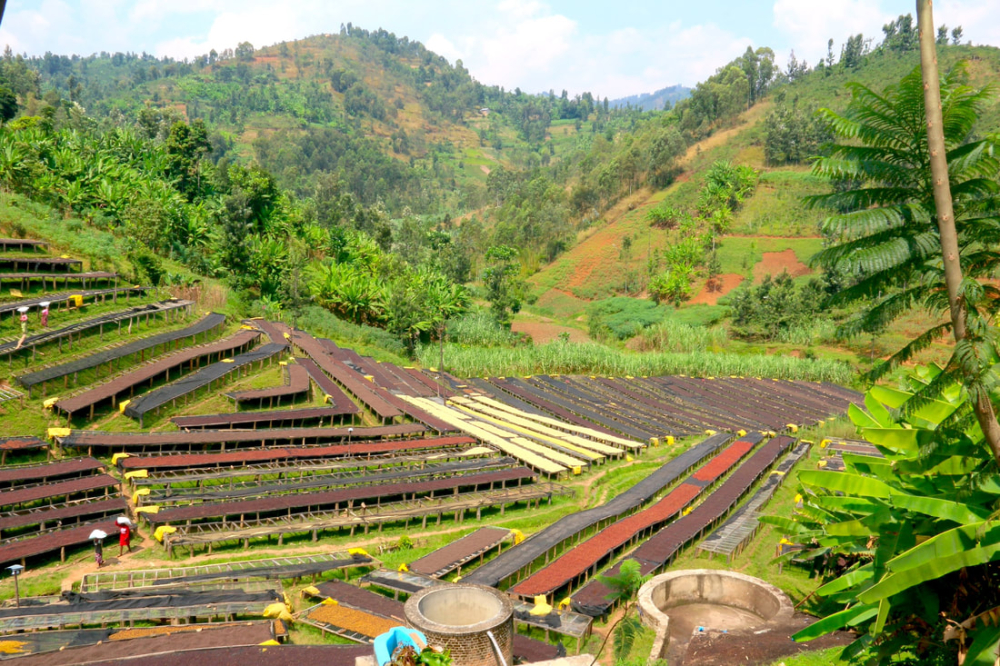
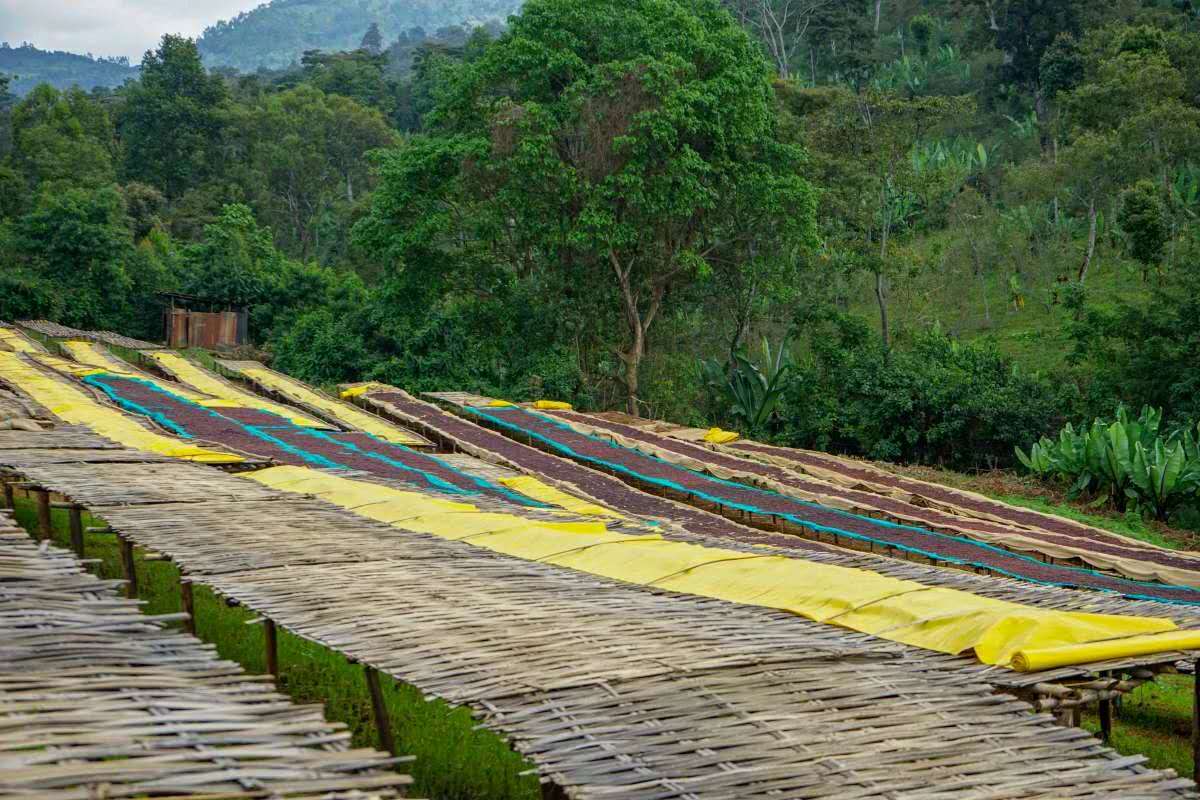
Compared to washed processing, the natural method is more primitive and natural. Harvested coffee fruits are spread out on raised beds with their pulp and mucilage intact, and dried slowly under the sun. This approach effectively prevents ground contamination, maintaining the purity of the flavors, and allows the sugars and flavor compounds within the pulp to penetrate the seeds during drying, thereby enhancing intense sweetness and fruity notes.
In Ethiopia, about 70% of coffee beans are processed using the natural method, especially in regions where water resources are limited. Natural beans often exhibit distinct tropical fruit and berry notes, with a full body and long-lasting finish, offering a richer flavor profile. It is believed that while natural coffee may not have the bright acidity of washed coffee, its sweetness and fruitiness are more pronounced, making it ideal for those who prefer bold flavors.
Practical Comparison: Yirgacheffe Natural Red Cherry vs Washed Gutiti Ding Ding
To gain a more intuitive understanding of the differences between the two processing methods, we take two classic Yirgacheffe coffee beans as case studies: the naturally processed "Red Cherry" and the washed "Gutiti Ding Ding." We analyze their unique characteristics one by one, covering green bean appearance, roasting profiles, cupping performance, and pour over recommendations.
Yirgacheffe Natural Red Cherry
Region: Ethiopia, Yirgacheffe
Elevation: 1700-2200 meters
Variety: Local landrace
Processing Method: Natural
Yirgacheffe Washed Gutiti Ding Ding
Region: Ethiopia, Yirgacheffe
Elevation: 2000-2100 meters
Variety: Local landrace
Processing Method: Washed
Both of these coffee beans fully showcase the unique flavors of the Yirgacheffe region, but in markedly different ways. The natural Red Cherry, due to its special processing, offers an intense juiciness and rich fruity sweetness, while the washed Gutiti Ding Ding presents a bright and floral aroma with citrus notes, clean acidity, and a tea-like finish with honey-like sweetness.
Comparison of Green and Roasted Bean Appearances
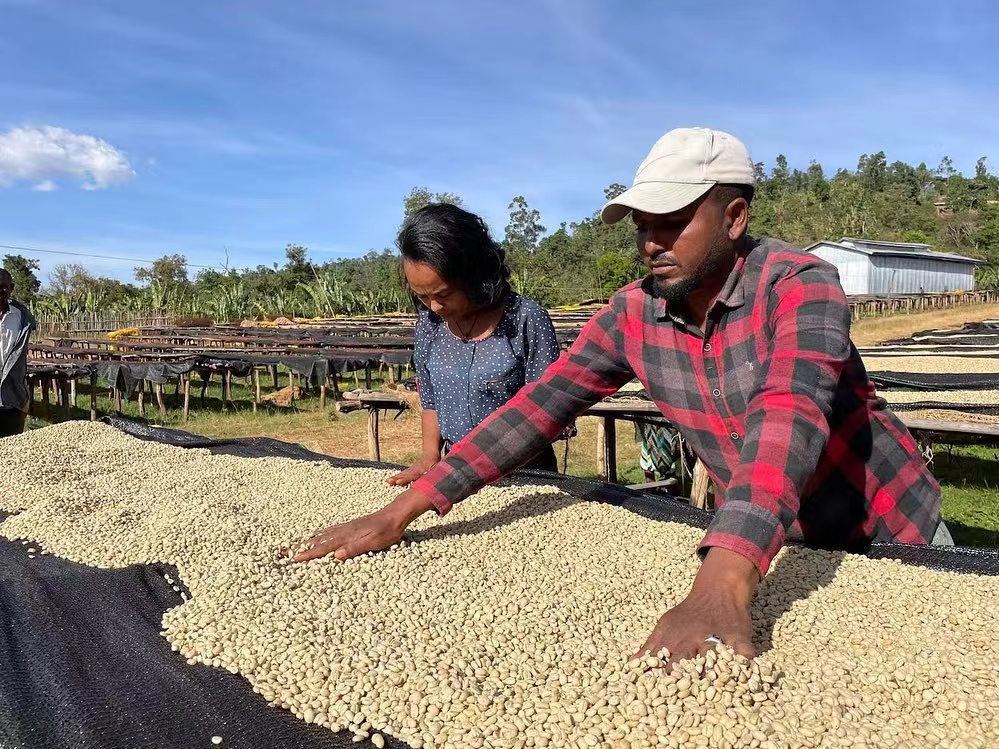
Observing the green beans, it is easy to distinguish between natural and washed beans. Natural beans are typically yellow-green in color with more silver skin, as the pulp and silver skin are not easily separated during processing, leading to a higher rate of silver skin attachment. In contrast, washed beans appear bright blue-green with less silver skin, as the washing and fermentation processes remove excess mucilage and outer silver skin, resulting in a cleaner and more uniform appearance.
Additionally, because Yirgacheffe coffee beans come from diverse varieties—many unnamed landraces—their bean sizes are often uneven. This is also a hallmark of Ethiopian coffee. Do not mistake size inconsistency for lower quality; it is actually a reflection of their natural diversity.
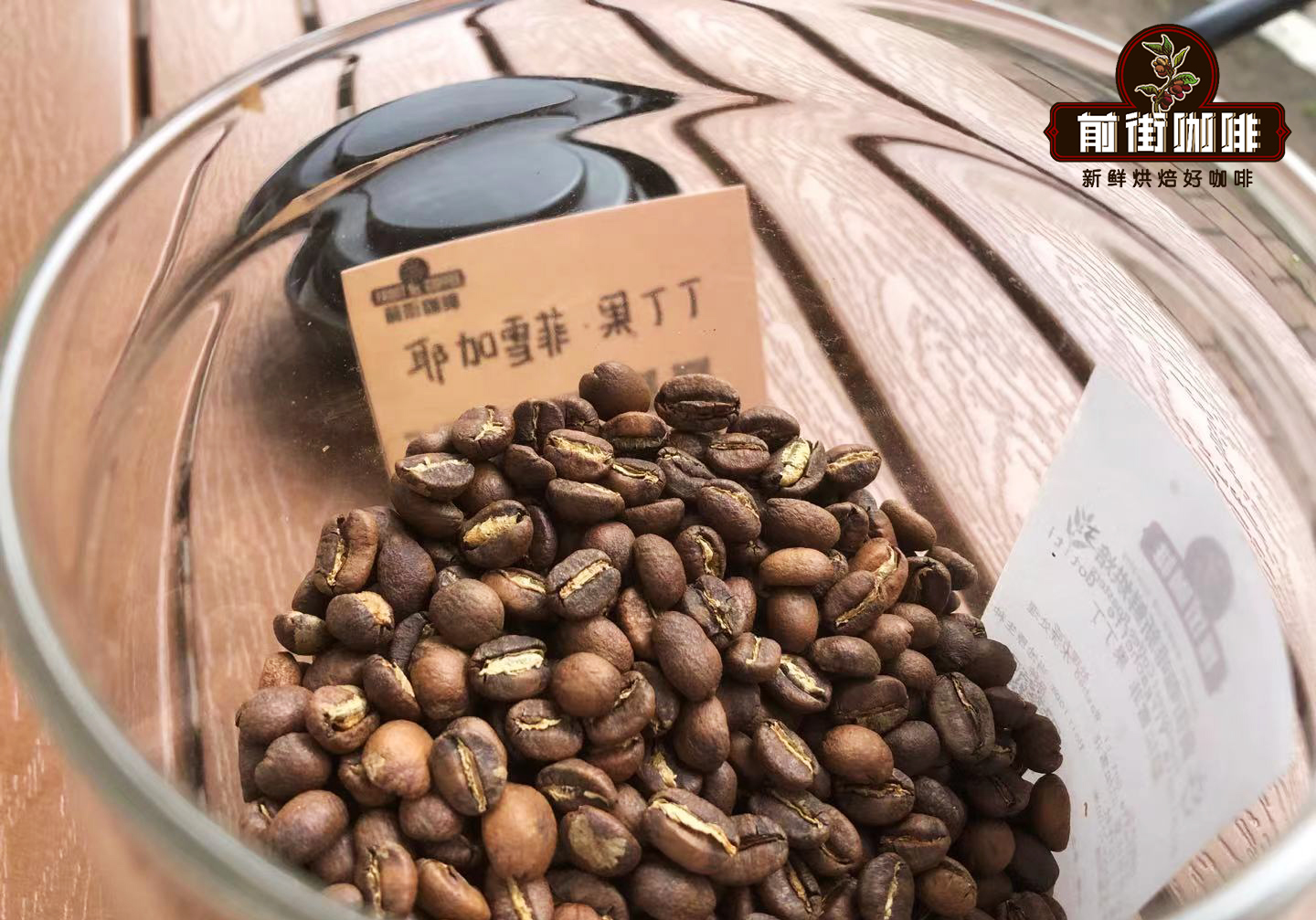
Roasted beans also show clear differences. Washed beans often retain silver skin due to the difficulty of the center cut silver skin detaching, frequently displaying leftover silver skin after roasting; whereas natural beans, with their intact outer silver skin, are more likely to shed it in whole pieces during roasting, resulting in a cleaner and smoother appearance.
Roasting Recommendations and Curve References
For high-altitude, high-density coffee beans like those from Yirgacheffe, it is recommended to use medium-light to medium roasts to preserve their delicate acidity and aromas.
For example, the natural Red Cherry can be roasted using a Yangjia 800N drum roaster, with a charge weight of 600g, drum temperature of 200°C, and air vent setting at 3.5. Control the heat and temperature sequentially, allowing first crack to occur around 9 minutes, and drop the beans at 194°C to bring out bright fruit acidity and juicy character.
The washed Gutiti Ding Ding is recommended to start with a slightly lower drum temperature of 175°C, a charge weight of 480g, and an air vent setting of 3. Adjust the heat and air vent accordingly, aiming for first crack to occur around 9 minutes, and drop the beans at 193.5°C to enhance its fresh floral and citrus characteristics.
Cupping and Pour Over Flavor Performance
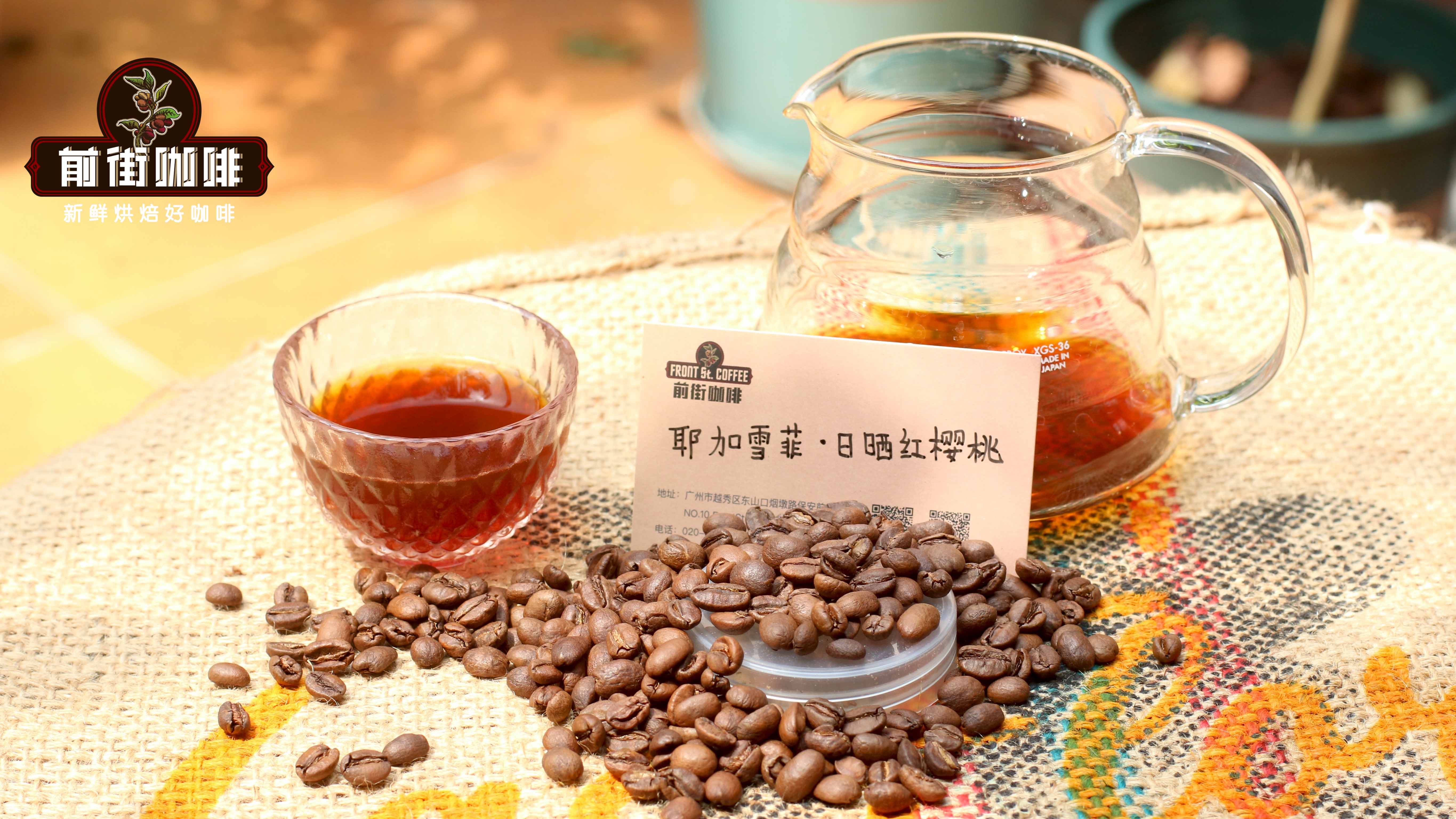
During cupping, the natural Red Cherry displays intense dried fruit aromas such as strawberry, mango, and apricot jam. On the palate, it feels full-bodied like fruit-infused black tea, with a lingering finish of caramel and black tea notes. The washed Gutiti Ding Ding, on the other hand, features bright passion fruit and citrus notes, with a vibrant acidity, and a finish that delivers honey-like sweetness and tea-like aftertaste, presenting an overall refreshing and pleasant profile.
For pour over, it is recommended to use a V60 #01 filter cone, with water temperature controlled at 91–93°C, a brew ratio of 1:15, and grind size at approximately 80% passing through a #20 sieve. During the pour over process, pay attention to pulse pouring and blooming time to better highlight the unique characteristics of each bean.
In summary, the charm of Yirgacheffe lies in its diverse flavor potential. Whether you prefer the bright and clean characteristics of washed coffee or the rich and sweet profile of natural coffee, you’ll find something to love in this region. Understanding its regional background and processing methods will help you better appreciate the unique nuances of every cup of Yirgacheffe.
The above content is compiled by CoffeeHunters, a coffee news website.


