







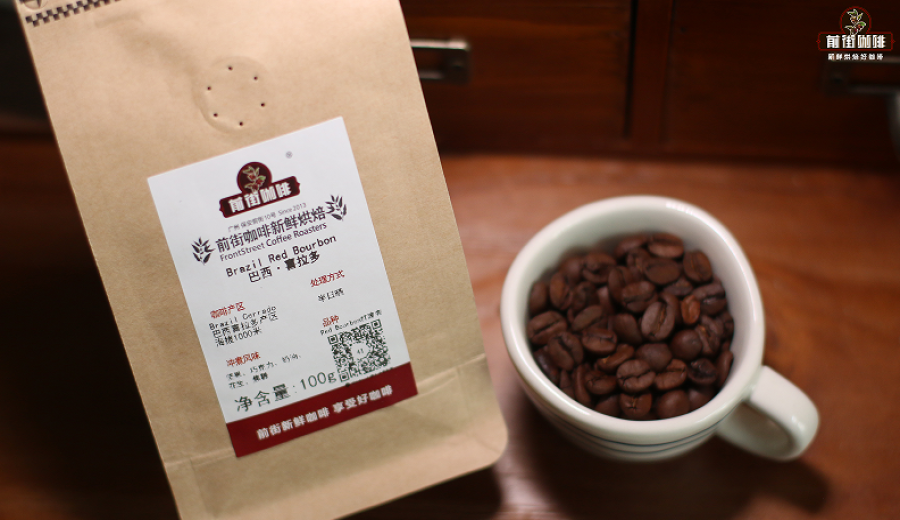
Introduction:Delve into the coffee charm of Brazil's Cerrado Mineiro region—from its geographical environment and flagship varieties such as Red Bourbon and Yellow Bourbon, to the craftsmanship behind the pulped natural processing method. This article offers a comprehensive regional introduction along with practical pour over guidelines. Master the extraction technique using a KONO filter at 88°C water temperature with a 1:15 coffee-to-water ratio, and compare flavor profiles across different processing methods. From beginner to enthusiast, explore the richness and nutty tones of Brazilian coffee.
As the world’s largest coffee producer, Brazil’s stable quality and diverse regional characteristics make its beans a foundational component in many espresso blends. Among them, the Cerrado Mineiro region stands out with its refined processing techniques and outstanding flavor performance. This article will guide you through Cerrado’s geographic and climatic background, the unique flavors of its main cultivars such as Red Bourbon and Yellow Bourbon, the evolution and features of the pulped natural process, and provide practical pour over recommendations—including filter choice, water temperature control, coffee-to-water ratio, and specific brewing steps—to help you fully experience the richness and nutty aromas of Brazilian coffee.
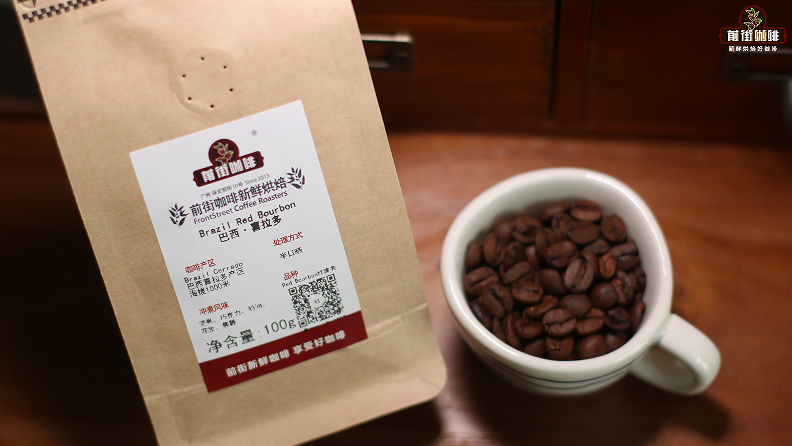
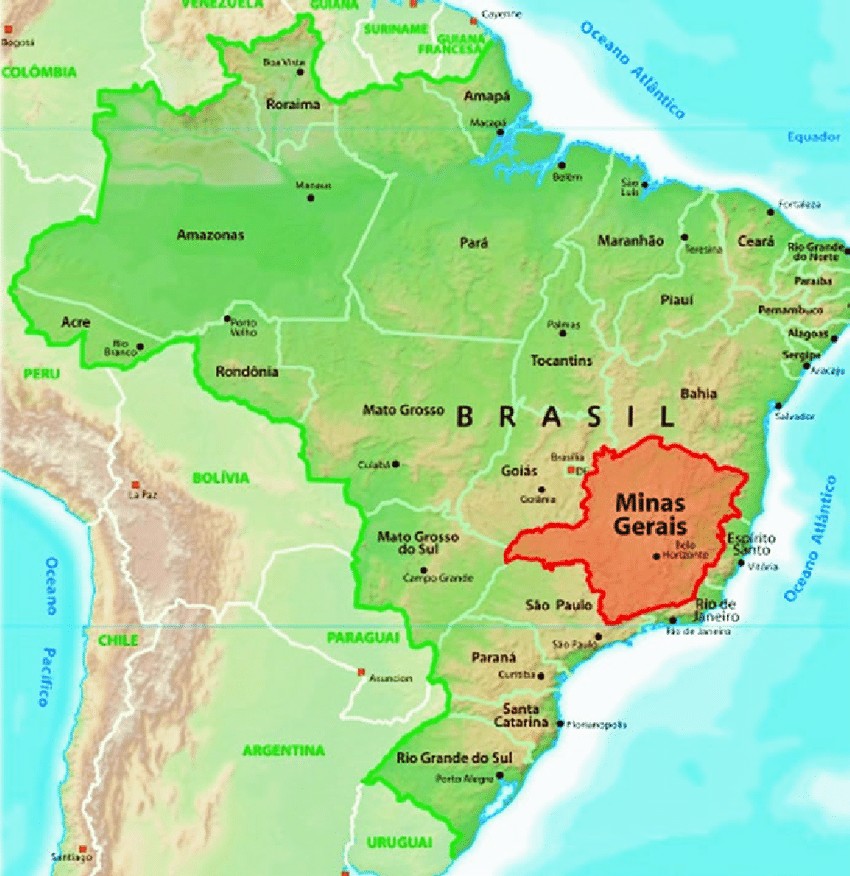
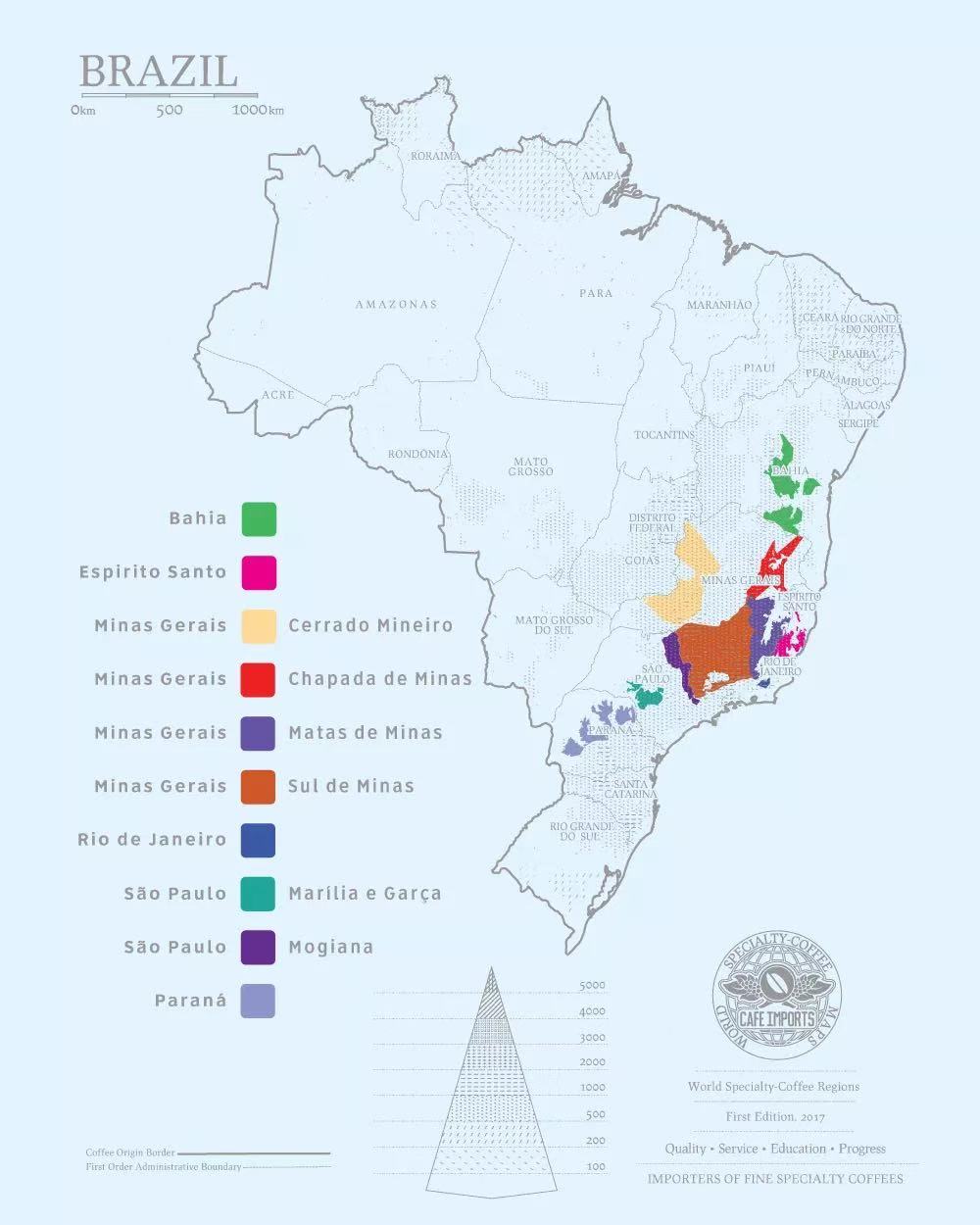
Cerrado Mineiro is located in the central-western part of Minas Gerais state, Brazil, and is one of the most renowned specialty coffee regions within Brazil’s vast 27,000-square-kilometer coffee-growing belt. Unlike other Brazilian areas focused on mass production, Cerrado distinguishes itself with its high altitude of around 1,000 meters, distinct wet and dry seasons, and fertile, mineral-rich soil—conditions that yield coffee beans with clear, rich, and clean flavors. The stable climate in this region leads to more uniform ripening times for coffee cherries, helping improve harvest quality and flavor consistency.
Cerrado is part of Brazil’s “Cerrado Grasslands Climate Zone,” a vast tropical savanna that is South America’s largest cerrado ecosystem. Though distinct from the Amazon rainforest, its flat terrain, abundant sunshine, and moderate day-night temperature differences contribute to the low acidity, high body, and pronounced nutty and chocolatey characteristics typical of Brazilian coffee. These flavor traits also make Brazilian beans an indispensable base for many espresso blends.

In terms of variety, Brazil primarily cultivates Bourbon-type coffee, which originates from Typica and is known for its stable yields and good cupping performance. Among them, Red Bourbon is one of the most widely planted varieties in Brazil. Its coffee cherries ripen to a red color and typically exhibit brighter acidity, rich aromatics, and layered complexity reminiscent of red wine. In contrast, Yellow Bourbon is a genetic mutation of Bourbon, with orange-yellow fruits upon ripening, mainly found in high-altitude regions such as São Paulo state. The flavor profile of Yellow Bourbon is dominated by nuts and chocolate, with gentle acidity, an overall clean and refreshing presentation, notable sweetness, and a long-lasting aftertaste.
Regarding processing methods, Brazil initially relied heavily on traditional sun-drying, but this method is susceptible to weather influences, often resulting in off-flavors such as earthiness or moldiness. To address this, Brazil developed the pulped natural process in the 1990s. This method involves removing the coffee cherry’s skin and pulp while retaining some mucilage before drying it in the sun. Not only does this shorten processing time, but it also effectively reduces earthy tastes while enhancing sweetness and fruity notes—especially suited for highlighting the nuanced flavors of single-origin coffees. It should be noted that while pulped natural has become increasingly common across many Brazilian regions, Cerrado, due to its high altitude and relatively dry climate, still predominantly uses traditional sun-drying. However, some premium farms also opt for pulped natural to elevate flavor expression.
For the commonly seen pulped natural Red Bourbon coffee from the Cerrado region, it is recommended to use a KONO filter for pour over to fully highlight its rich body and sweet characteristics. The unique structure of the KONO filter allows the paper to fit tightly against the filter cone, creating a “siphon effect” that extends the contact time between coffee liquid and grounds, helping to enhance extraction body. Recommended parameters are as follows: set water temperature to 88°C, with a coffee-to-water ratio of 1:15(for example, 15 grams of coffee grounds to 225 grams of water), and grind size suggested to be around 75%on a Chinese No. 20 sieve, equivalent to a medium-fine grind, similar in texture to superfine sugar.
Specific pour over steps are recommended as follows: begin by pouring approximately 30 grams of water for a 30-second bloom to activate the release of aromatic compounds from the coffee grounds; then continue pouring with a small stream in circular motions. When the total water volume reaches 125 grams , perform the first pour break, then continue pouring until you reach a total of 225 grams . Aim to complete the entire extraction within about 2 minutes . Once dripping from the filter has finished, remove the filter and gently swirl the coffee liquid before pouring it into your cup to enjoy, allowing for a more even perception of its flavor layers.
In terms of flavor, the pulped natural Red Bourbon coffee from Cerrado delivers an immediate sense of sweetness upon tasting, accompanied by subtle lemon aromas. The mid-palate showcases a strong nutty character, while the finish reveals a deep dark chocolate aftertaste. The overall mouthfeel is rounded and layered. In contrast, the sun-dried Yellow Bourbon coffee from Queen Estate offers a more balanced flavor profile, with almond and cocoa as dominant notes, supported by a distinct cane sugar sweetness. It presents high fullness and a sweet yet non-cloying finish, demonstrating the diverse processing styles of Brazilian coffee.
In summary, Brazilian coffee, with its stable and distinctive flavor attributes, plays a significant role in the global coffee market, and the Cerrado Mineiro region stands as one of its premium representatives. Whether you’re a novice or advanced pour over enthusiast, mastering appropriate extraction parameters and understanding flavor profiles will allow you to more deeply appreciate the unique charm of Brazilian coffee. From the sweetness and body of pulped natural to the fruitiness and sweetness of sun-dried, each processing method tells a different regional story—well worth savoring in detail.
The above content is compiled by CoffeeHunters, a coffee news website.


