








Introduction:Yirgacheffe is world-renowned for its unique floral and fruity aromas, but washed and natural processing methods bring out distinctly different flavor profiles. This article takes an in-depth look at the processing characteristics and flavor expressions of a certain brand’s washed Yirgacheffe and the Worka Cooperative’s natural beans, analyzing why washed processing can also deliver bright floral notes. It also introduces the background of the Worka Cooperative and the advantages of its growing region, helping coffee enthusiasts better grasp the brewing essentials and flavor expectations of different processing methods.
Yirgacheffe is regarded as a symbol of Ethiopia’s specialty coffee, and its most captivating trait lies in its bright floral and fruity aromas—especially the combination of citrus and floral notes, which are truly unforgettable. Using a certain brand’s washed Yirgacheffe and the Worka Cooperative’s natural beans as examples, this article explores whether washed processing can also showcase delicate floral notes, and analyzes the regional background and flavor profile of the Worka Cooperative, giving you a deeper understanding of how different processing methods influence the final expression of coffee.
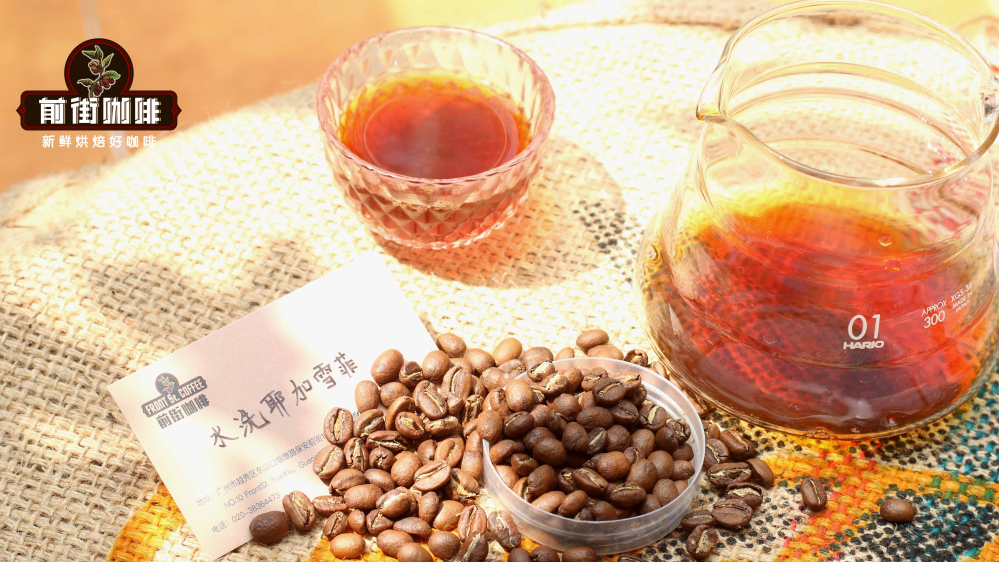
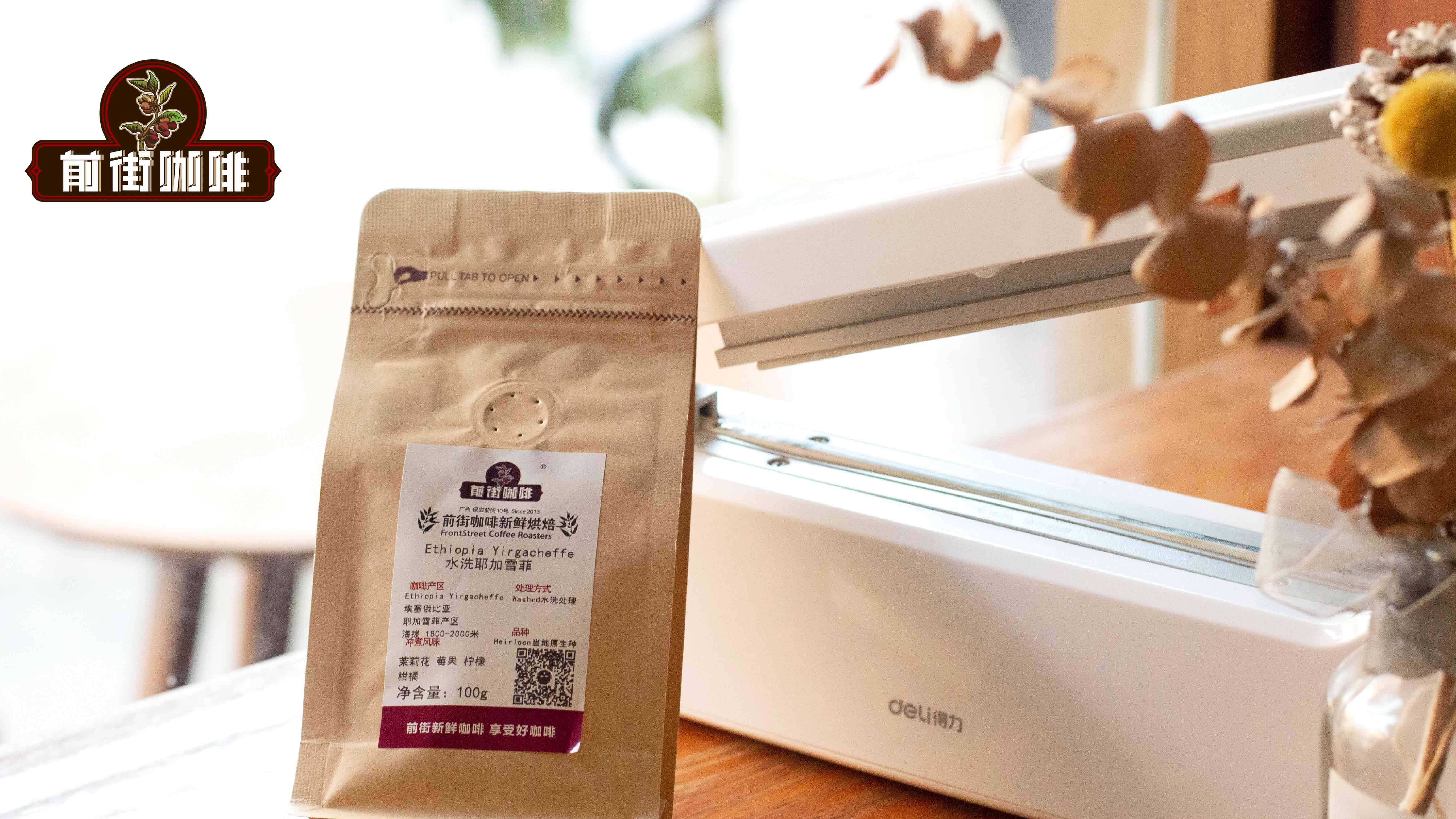
Washed Yirgacheffe typically exhibits a very clean and refreshing character, making it ideal for medium to light roasting to highlight its nuanced layers. This particular washed bean from a certain brand has achieved G1 grade, the highest classification, indicating an extremely low defect rate and making it a top-tier choice among specialty coffees. After medium-light roasting, this coffee releases vibrant floral aromas, with both dry and wet aromas carrying rich citrus tones. When sipped, one can perceive a layered interplay of lemon, kumquat, and white grape juice, while the mid-to-late stages reveal abundant citrusy acidity and sweetness. The sweetness is pronounced and lively, as light and bouncy as a sparkling beverage. The overall flavor profile is bold yet well-balanced, representing a highly characteristic expression of washed processing.
The name Yirgacheffe originally referred to just a small town in Ethiopia, but it has now become synonymous with an important specialty coffee-growing region. The area sits at elevations between 700 and 2,100 meters, blessed with a unique microclimate that has long been warm, moderately humid, and often misty. In ancient tongue, “Yirga” means “to settle down,” and “Cheffe” refers to “wetlands.” This environment gives rise to the region’s distinctive citrus and floral coffee flavors. Most of the coffee here is grown by smallholders in their backyards or mixed-crop farms, contributing to the diversity and regional distinctiveness of the flavors.
It’s worth noting that Yirgacheffe is not the product of a single farm or cooperative, but rather a collective comprising numerous small regions and cooperatives, including those in Harfusa, Haramaya, and Biloya. Compared to the Harrar region, known for its intense natural processing flavors, Yirgacheffe adopted washed processing techniques earlier and is also home to Ethiopia’s first washed coffee processing factory. As a result, washed Yirgacheffe is more widely recognized and tends to present elegant lemon and citrus tones more readily.
Smaller regions surrounding Yirgacheffe—such as Wenago, Kochere, and Gelena Abaya—are often included under the broader Yirgacheffe classification due to their similar flavor profiles. These areas share not only comparable geography but also benefit from high altitudes and favorable humidity, which help cultivate coffee beans with delicate flavors and bright acidity. A certain brand’s Yirgacheffe coffee is a prime example of these conditions, showcasing clear floral notes, bright fruit acidity, and a silky mouthfeel, making it a popular entry point for many pour over enthusiasts.
Although natural processing is less common in Yirgacheffe, it has gradually gained attention in recent years—especially natural beans that employ special fermentation techniques, such as a certain brand’s Red Cherry Natural and the Worka Cooperative’s Berry & Floral Natural beans. These beans often exhibit richer fruit tones and fermentation aromas, offering another option for coffee lovers who enjoy complex and layered flavors.
The Worka Cooperative is located in the southern part of the Gedeb district in Yirgacheffe. Established in 2005, it joined the Yirgacheffe Coffee Farmers Cooperative Union (YCFCU) in the same year. The cooperative is known for producing high-quality natural Yirgacheffe and comprises about 300 coffee farmers, making it one of the region’s key production units. Founded in 2002, the YCFCU currently includes 27 member cooperatives and serves over 45,000 coffee farmers, serving as a vital pillar of Ethiopia’s coffee industry.
The Worka Cooperative beans used by a certain brand come from the Alemayehu Alako farm. This natural bean showcases intense berry and floral characteristics, making it a classic representation of natural processing. Compared to the clarity of washed beans, natural Yirgacheffe often presents a fuller fruitiness and more complex fermentation layers, appealing to coffee drinkers who prefer bold flavors and fruity notes. By understanding the traits of different processing methods, you can choose the most suitable brewing approach and flavor direction based on your personal taste preferences.
The above content is compiled by CoffeeHunters, a coffee news website.


