








Introduction:As one of Ethiopia’s most iconic coffee-growing regions, Yirgacheffe is globally renowned for its distinctive floral and fruity aromas, as well as its bright acidity. This article delves into its flavor characteristics and introduces the nuanced performance of a well-known shop’s G1 Guddina Cooperative washed beans. From regional background and processing method differences to optimal brewing recommendations, it helps you gain a more comprehensive understanding of this specialty coffee bean—perfect for both pour over and cold brew.
Located in Ethiopia’s southern Gedeo zone, Yirgacheffe is a highland town situated at an altitude between 1,700 and 2,100 meters, and is widely recognized as one of the birthplaces of coffee. Originally part of the Sidamo region, it gradually distinguished itself due to its unique coffee processing techniques and highly recognizable flavor profiles, eventually becoming an independent specialty coffee region.
The coffee produced here is celebrated for its fresh, bright floral and fruity notes, particularly when roasted to a medium-light level. Whether brewed via pour over, cold brew, or American drip, it fully reveals its rich complexity. A well-known shop’s single-origin Yirgacheffe beans are a prime example of such flavors, naturally exuding pleasant floral aromas and suited for various common coffee extraction methods.
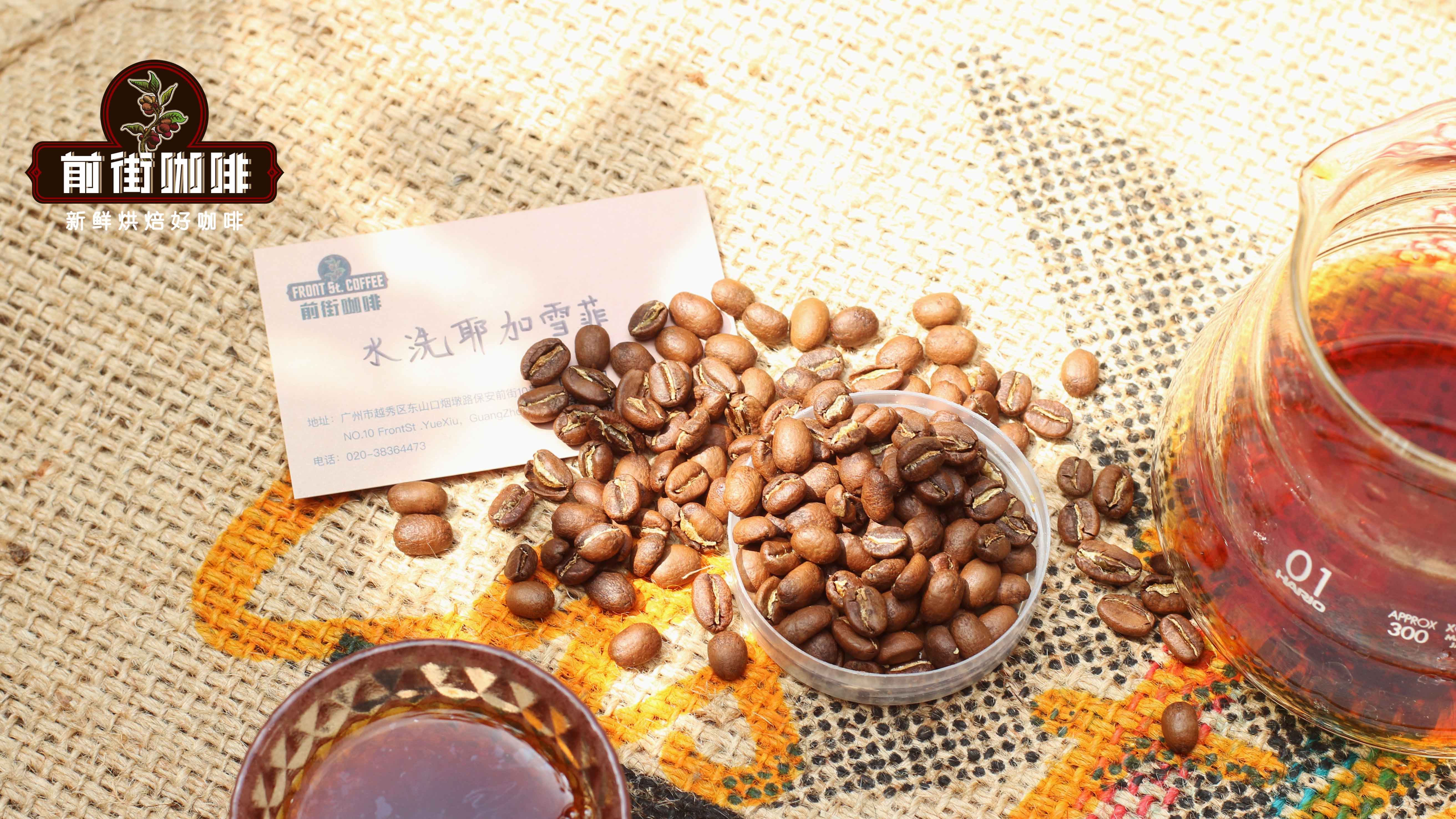
If you wish to further experience the highest standard of Ethiopian coffee, consider trying a well-known brand’s G1-grade Guddina Cooperative washed beans. These coffee beans are meticulously processed using the washed method and demonstrate a complex yet delicate flavor profile in cupping sessions, including subtle jasmine floral notes, refreshing citrus tones, soft honey sweetness, and faint hints of green tea and blueberry in the finish. It is considered an advanced choice by many coffee enthusiasts.
The Guddina Cooperative is geographically located in the Wolkite region, southeast of Yirgacheffe. The community was originally part of the Wolkite Cooperative under the Yirgacheffe Coffee Farmers Cooperative Union (YCFCU). As global specialty coffee markets increasingly value bean traceability, more consumers and roasters have begun seeking coffee from specific villages or small cooperatives. In 2012, the Guddina Cooperative, composed of around 300 coffee farmers, officially split from Wolkite and began independent operations. Guddina village was among the first to achieve single-origin recognition, with members mostly experienced smallholders who were previously part of the Wolkite Cooperative, thus having accumulated solid expertise in coffee cultivation and post-harvest processing.
The cooperative still adheres to traditional washed and natural sun-drying processing methods, which not only preserve the most authentic regional characteristics of Yirgacheffe coffee but also allow each batch of beans to showcase delicate and varied flavor expressions. The Guddina area is hailed as “the last pure land of Yirgacheffe,” emphasizing the combination of nature and traditional craftsmanship, with extremely high standards for coffee quality.
In a side-by-side tasting comparison between a well-known shop’s washed Yirgacheffe entry-level beans and those from the Guddina Cooperative, both share the washed processing method but offer distinct profiles. The well-known shop’s entry-level beans feature a light jasmine floral note as the main theme, with clear and distinct citrus tones, delivering an overall clean and crisp taste—ideal for coffee beginners new to the Yirgacheffe flavor. Meanwhile, the Guddina Cooperative beans exhibit a more prominent lemony acidity, bright and lively, with sweetness resembling sugarcane. As the temperature drops, a hint of rounded tea-like sensation emerges, adding depth and aftertaste to the overall flavor.
If you enjoy exploring the nuances of coffee through pour over, it is recommended to try brewing medium-light roasted Yirgacheffe. The grind size should be set between superfine sugar and white sugar (approximately medium-fine), with water temperature controlled at 90–92°C, using a 1:15 to 1:16 coffee-to-water ratio to better present the balance between its floral notes and acidity. Additionally, maintain a steady water flow during pouring, and consider using a segmented extraction method to highlight the layered flavors.
In summary, Yirgacheffe is not only an entry point for coffee lovers to explore Ethiopian flavors but also an excellent starting place for diving deeper into the subtle differences of specialty coffee. From a well-known shop’s classic washed Yirgacheffe to the Guddina Cooperative’s premium washed beans, both shine in their own ways. Whether you’re a beginner or a seasoned enthusiast, you’ll find your preferred flavor profile within them.
The above content is compiled by CoffeeHunters, a coffee news website.


