







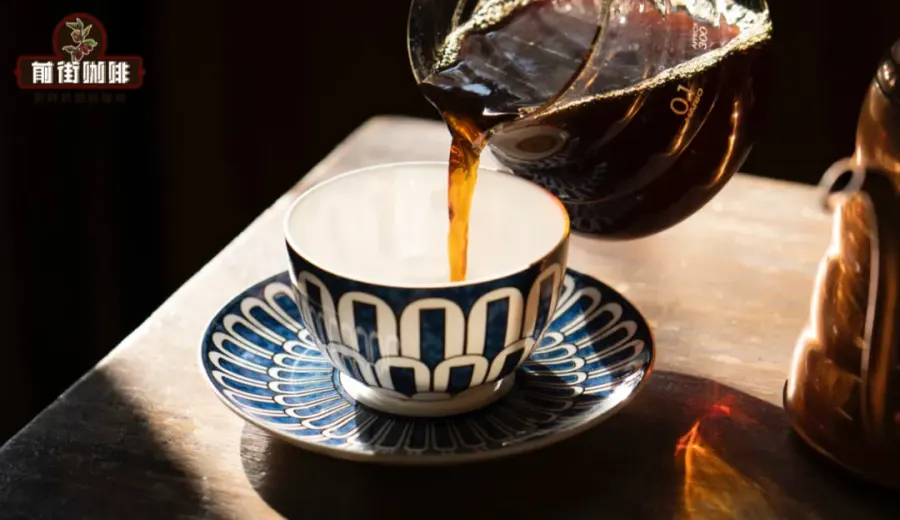
Introduction:Yunnan is a key region for specialty coffee in China, and Typica, as a classic Arabica variety, has long drawn industry attention for its unique flavors and challenging growing conditions. This article starts with a 2013 vintage sun-dried Typica, delving into its botanical traits, Yunnan cultivation background, natural processing method, and offering practical pour-over brewing recommendations to help you fully grasp this classic coffee from bean to cup.
As an important birthplace of China’s coffee industry, Yunnan holds a significant place on the global coffee map. Among them, one brand has been rooted in the Lincang region since 2013, personally overseeing everything from variety selection and cultivation to post-harvest processing, successfully cultivating representative 2013 vintage sun-dried Typica coffee beans. Centered around these beans, this article will guide you through the botanical characteristics and flavor profile of the Typica variety, revisit its cultivation journey in Yunnan and the rationale behind choosing sun-dried processing, and provide home or café-friendly pour-over extraction parameters along with a three-stage pouring technique to help coffee enthusiasts deeply understand this classic coffee at every stage from seed to cup.
The 2013 vintage sun-dried Typica offers pronounced notes of caramel, nuts, and chocolate, complemented by soft fermented aromas, berry-like acidity, and a lingering finish reminiscent of black tea and sugarcane. Overall, it has a medium-to-high body, a clean mouthfeel, and a long-lasting black-tea-like aftertaste. Its layered complexity makes it a well-balanced and distinctive coffee.
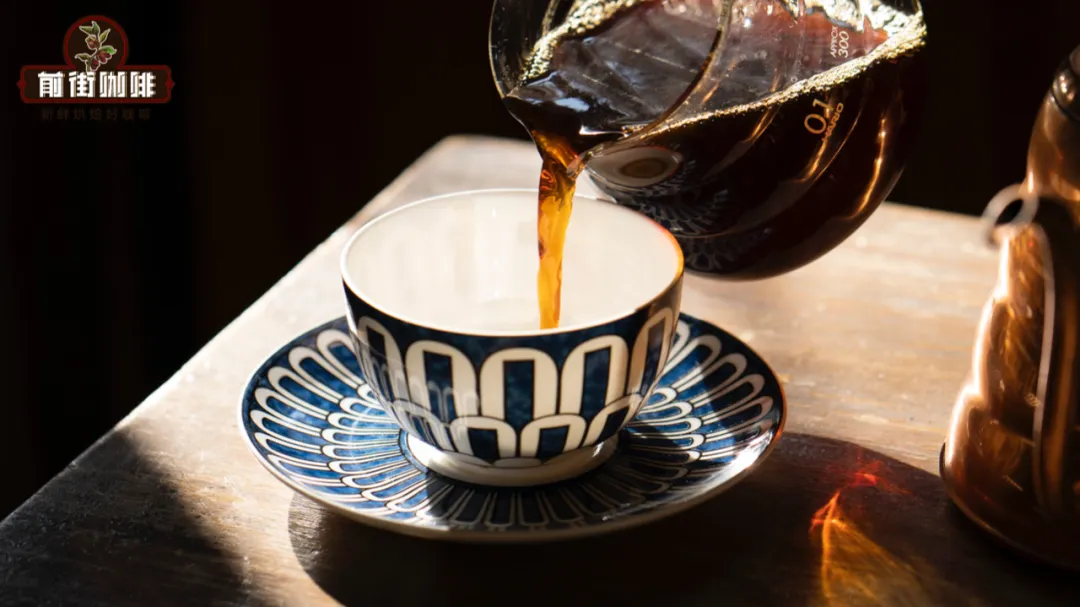
Yunnan is one of the earliest regions in China to introduce coffee cultivation and plays a pivotal role in the domestic coffee industry. As early as ten years ago, one brand ventured into Lincang, Yunnan, taking full control of regional environmental assessment, variety selection, and post-harvest processing. The 2013 vintage listed is the fruit of years of practice, using the historic Typica variety and traditional sun-dried processing to showcase the classic Arabica flavors shaped by Yunnan’s terroir.
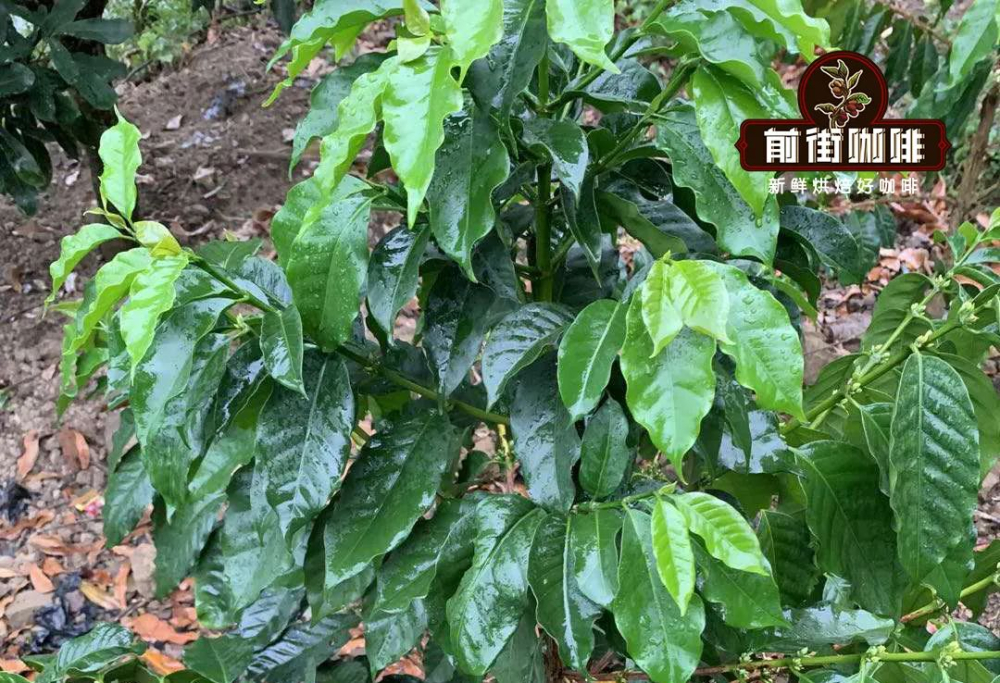
Typica coffee trees have very distinctive physical characteristics: their top buds and young leaves exhibit a reddish bronze hue, earning them the nickname “red-tipped coffee.” The variety features slender trunks, elongated and slightly drooping branches, with side branches forming angles between 50 to 70 degrees with the main stem. Plants can typically grow up to 5 meters tall, making harvesting relatively difficult. If you’ve visited one brand’s shop, you may have noticed actual Typica and Catimor plants planted at the entrance for direct comparison. Typica coffee beans are slightly elongated with slightly curled ends, resembling the shape of an egg, and are somewhat larger than average coffee beans. In terms of flavor, Typica typically showcases bright citrus acidity and a naturally sweet aftertaste, often praised by many in the coffee industry as representing “elegant and clean” flavors—Jamaica Blue Mountain coffee, for instance, originates from this variety.
However, Typica’s drawbacks are equally evident. It has extremely low resistance to diseases, particularly susceptible to leaf rust and coffee berry disease. Once infected, plants often die with little hope of recovery. Additionally, Typica yields are low, and both cultivation and management involve relatively high labor and technical costs, prompting many farmers to switch to more disease-resistant and stable-yield varieties like Catimor. Growing Typica with pure, high-quality flavor and excellence demands favorable altitude conditions, rigorous plant management, precise harvesting timing, and refined post-harvest processing techniques—each step is crucial, which also makes premium Typica even rarer.
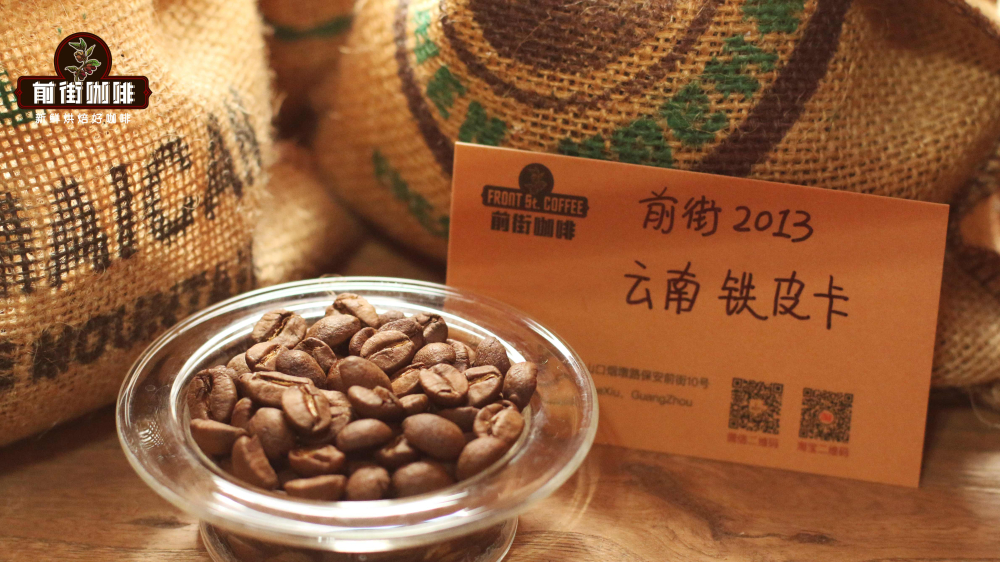
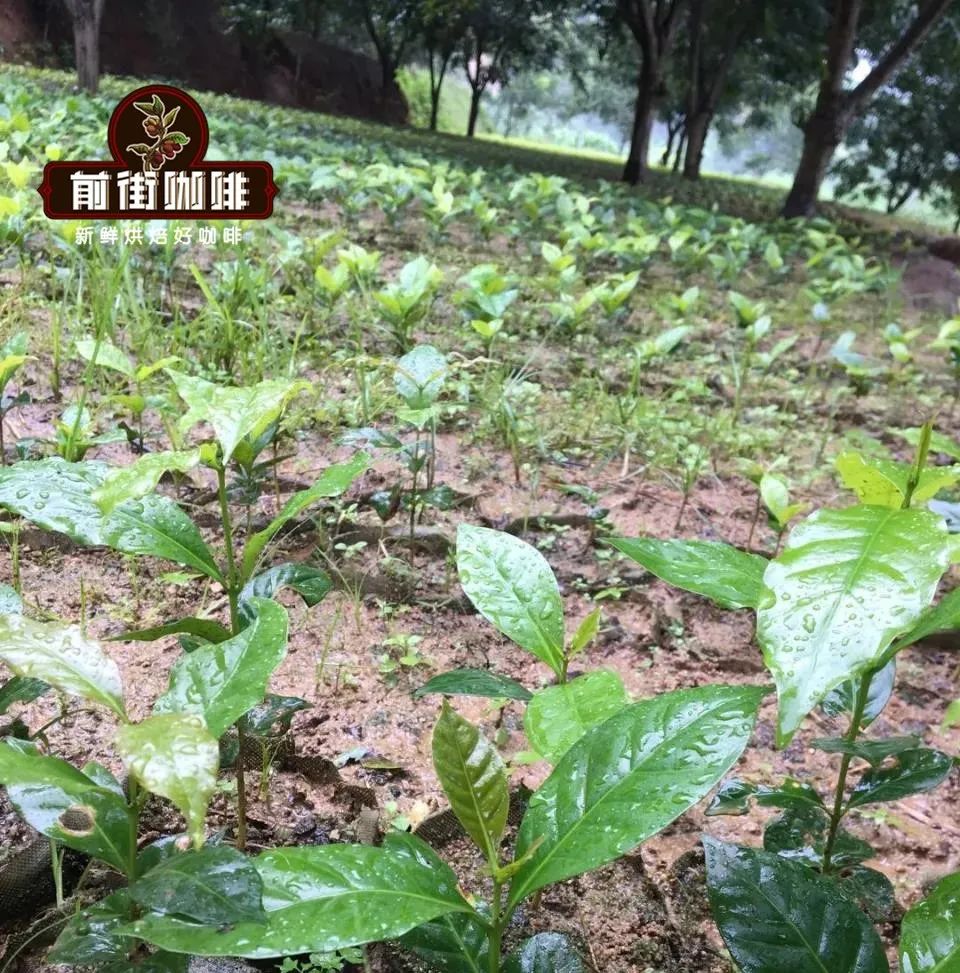
One brand stepped into Lincang, Yunnan in 2013, launching local coffee cultivation experiments. From site selection, variety decision, seedling cultivation, growing, harvesting, post-harvest processing to roasting, every step was personally carried out by the team, gradually accumulating valuable experience regarding altitude, variety, and processing methods.
In the early days, Yunnan mainly grew ancient Typica and Bourbon varieties. However, with the global outbreak of leaf rust, many coffee trees were infected and died, leading to a sharp reduction in planting areas. Later, driven by foreign enterprises, the disease-resistant and high-yield Catimor gradually replaced traditional Typica, becoming the mainstream variety in Yunnan’s coffee production today. Yet, despite Typica’s elegant flavor, its low yield and disease sensitivity make it hard to cultivate, discouraging most farmers from investing in it. Even so, one brand chose to plant the most original Typica variety and, with Lincang’s exceptional natural environment, carefully nurtured it for five to six years, finally achieving its first harvest in 2020. These beans were processed using natural sun-drying and were eventually named the 2013 vintage.
In terms of processing method, one brand employs only washed and sun-dried approaches, and for this Typica, sun-dried processing was ultimately chosen. The equipment requirements for sun-drying are relatively simple, with the key being a continuous stretch of sunny weather to ensure even drying of the coffee cherries. Though it may sound easy, every step must be strictly controlled.
After harvest, coffee cherries need to be quickly sorted, with floatation being the most common initial screening method to remove unripe or defective fruits. Next, qualified fruits are placed under sunlight for natural drying, during which workers must turn them regularly to ensure even heat exposure and avoid localized over-fermentation. When the cherries transition from bright red to dark purple and reach the ideal moisture content, they can be hulled and proceed to roasting. Compared to washed processing, sun-dried Typica often exhibits richer fermented aromas, more pronounced sweetness, and captivating notes of caramel, berries, and black tea.
Regarding extraction, one brand believes Yunnan-produced coffee should balance rich aroma with moderate acidity, hence medium roast levels are commonly used. The 2013 vintage served daily in their shops is mostly presented via pour-over to faithfully showcase the coffee’s layers and details.
Pour-over is an extraction method suitable for both professional baristas and home users. For the balanced flavor profile of Yunnan Typica, one brand recommends avoiding excessive acidity or strong bitterness, thus opting for the V60 filter cone paired with medium-fine grind and moderate water temperature to bring out the coffee’s delicate characteristics.
Generally, one brand adjusts extraction parameters based on roast level: for darker roasts like Mandheling or Brazil, they choose a water temperature of 87–88°C with medium-coarse grind; for high-altitude, lighter roasts like Ethiopia’s Yirgacheffe or Panama’s Geisha, they increase the water temperature to 91–93°C and use medium-fine grind to fully release the aroma. For Yunnan Typica, medium water temperature and grind are used to emphasize flavor balance and overall harmony.
Suggested pour-over parameters are as follows:
- Filter cone: Hario V60
- Coffee dose: 15 grams
- Water temperature: 90°C
- Grind size: 75% through a #20 sieve (medium-fine grind)
- Coffee-to-water ratio: 1:15
Three-stage pouring steps:
The above content is compiled by CoffeeHunters, a coffee news website.


