







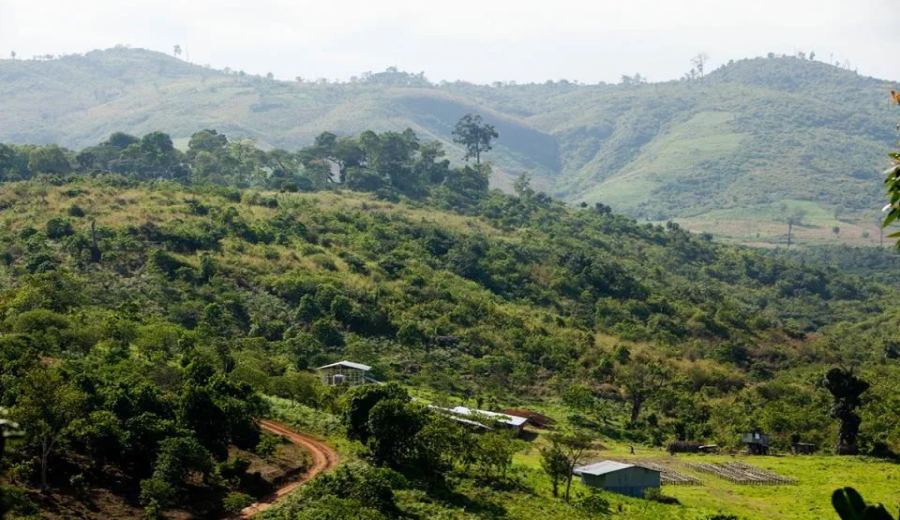
Introduction:As Ethiopia’s most iconic specialty coffee region, Yirgacheffe is renowned for its distinctive citrus, floral, and berry notes. This article delves into two classic coffees from the region—washed-process Guji Dingding Cooperative and natural-process Red Cherry beans—covering their origin environment, processing methods, flavor profiles, and V60 pour-over parameters to help you master the brewing techniques and tasting highlights of this legendary region.
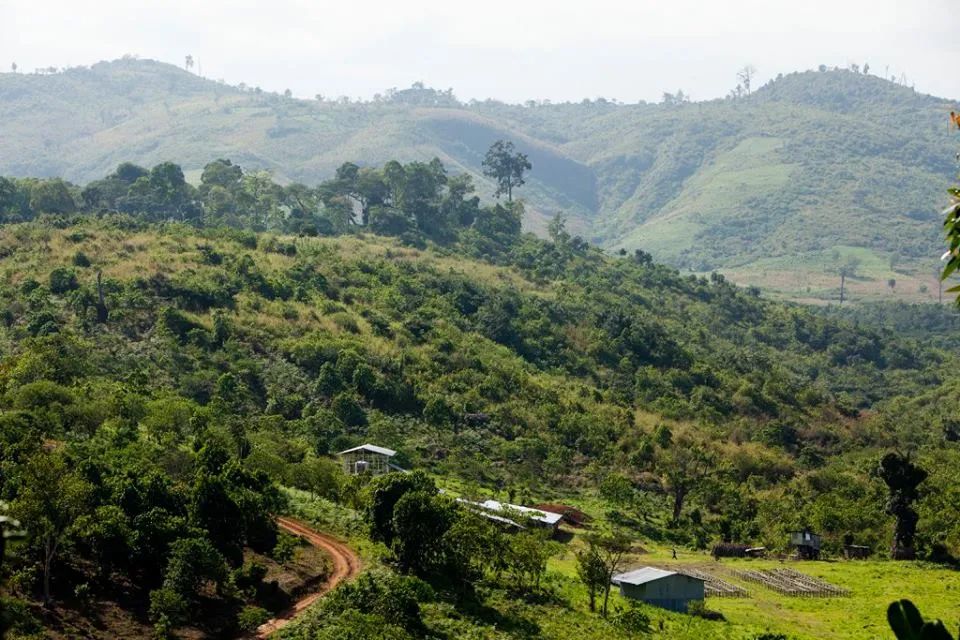
Yirgacheffe is a small town in the northwest of Ethiopia’s Sidamo Province, located in the Gedeo Zone. Blessed with exceptional geographical conditions and high altitudes, it serves as an important hub for producing high-quality coffee. With abundant springs, a cool and humid climate, and elevations generally ranging between 1,700 and 2,100 meters, the area provides nearly perfect conditions for coffee trees, giving rise to the region’s signature bright citrus and elegant floral aromas.
Originally part of the Sidamo region, Yirgacheffe was later designated as an independent coffee region due to its exceptionally outstanding and distinctive flavor profile. The area is dominated by smallholder farming, with approximately 90% of the coffee coming from family-run farms and processed and sold through cooperatives. Among them, the washed-process Guji Dingding Cooperative and the natural-process Red Cherry coffee beans are arguably the two most representative classics of the region.
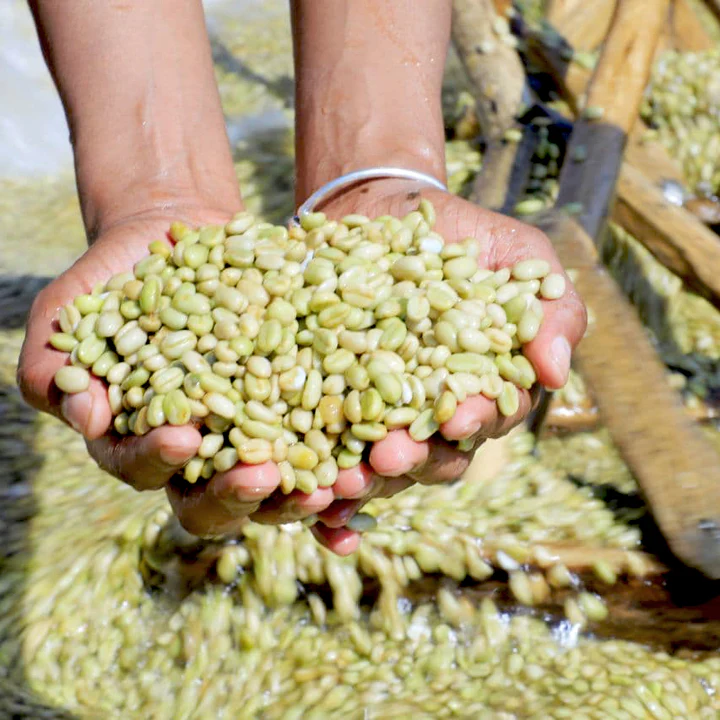
In terms of processing, the Guji Dingding Cooperative employs traditional washed processing, known for its refined and clean acidity. The cooperative consists of around 300 smallholders, focusing on cultivating premium coffee varieties. During the washed process, harvested coffee cherries are first floated to remove underripe ones, then depulped, fermented to remove mucilage, and finally rinsed with clean water and sun-dried. This method effectively reduces impurities and off-flavors, allowing the coffee to showcase a purer, brighter citrus and floral character.
Washed Guji Dingding Cooperative Coffee Beansare typicallylightly roastedto preserve the clarity of fruit acidity and delicate floral notes. In cupping, this coffee often exudes the fresh aromas of passionfruit, citrus, and berries. Upon brewing, it delivers a bright acidity with sweet berry flavors and an almond-like finish, accompanied by a soft honey sweetness in the aftertaste. The overall flavor is clean and refreshing, with medium-low body, making it ideal for coffee lovers who prefer pronounced acidity.
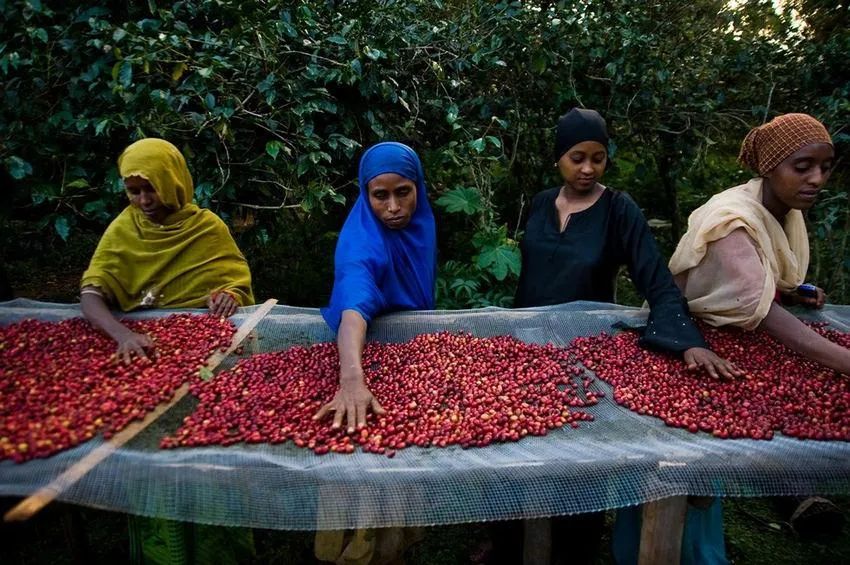
In contrast,natural Red Cherry Coffeeexhibits a distinctly different personality. These beans come from the Aletelan Farm and are processed usingfully red cherry natural drying, achieving specialty-grade G1 classification. During processing, only fully ripe red coffee cherries are selected and sun-dried over an extended period, allowing the sugars in the fruit pulp to fully penetrate the seeds, resulting in a coffee with intense sweetness and complex layers.
This coffee is usuallymedium-light roastedto balance sweetness and acidity. In cupping, it reveals rich berry and fermentation aromas, with flavors of ripe fruit, a balanced sweet-tart profile, and distinct honey sweetness alongside an black tea-like finish. The mouthfeel is smooth and layered, making it well-suited for those who prefer sweet and wine-like flavors.
In terms of flavor characteristics, Yirgacheffe coffee is primarily defined by citrus, jasmine, and berries. Whether washed or natural, it boasts high recognizability and an elegant profile. Roasting-wise, amedium-light roast is recommendedto best highlight its bright acidity and delicate floral-fruity notes.
For those brewing Yirgacheffe via pour-over, it is advised to use aV60 dripperwithmedium-fine grind (approximately 78% passing through a 20-mesh sieve), as grinding too coarse may lead to under-extraction, while grinding too fine could result in over-extraction and bitterness at higher water temperatures. The recommended brewing water temperature is92-93°C[temperature value to be kept as-is] , which effectively highlights the floral-fruit aromas and vibrant acidity.
Athree-pour methodis recommended, with a coffee-to-water ratio that can be adjusted according to taste preferences to either1:15 or 1:16. For those who prefer a brighter, more acidic profile, opt for 1:16; if you favor richer fruit flavors, adjust to 1:15. The steps are as follows: start with a 30-second bloom using twice the coffee’s weight in water (e.g., 30 ml for 15 g of coffee), followed by steady, slow pouring to reach 125 g, then a brief pause, and finally pouring up to 225 g to complete extraction. The total brew time should be controlled at aroundtwo minutesto fully express the layered aromas and flavor transitions of Yirgacheffe.
Additionally, to ensure optimal flavor performance, it is recommended to use coffee beans roasted withinfive days prior to brewingto fully experience their vibrant aromas and complexity. For storage, keep the beans away from light and moisture, and aim to consume them within 2–4 weeks of roasting for the best drinking experience.
The above content is compiled by CoffeeHunters, a coffee news website.


