







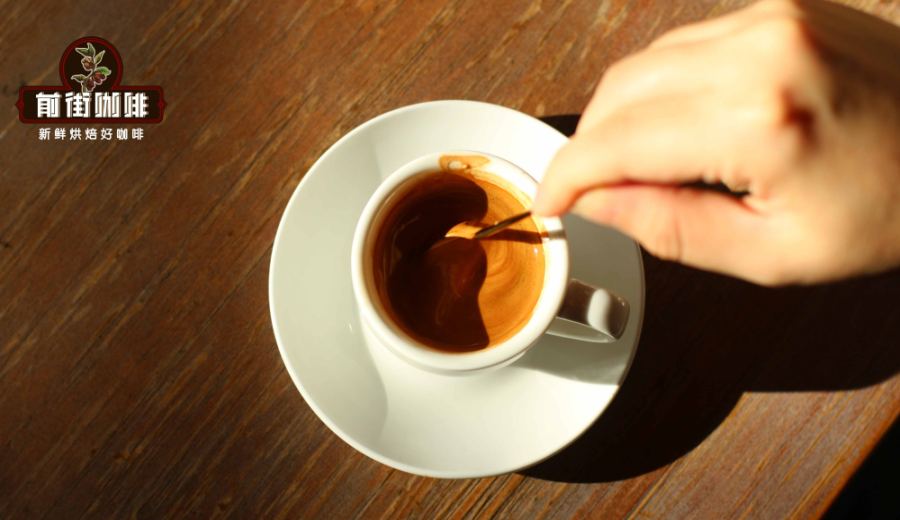
Introduction:A smooth, well-extracted espresso shot depends not only on the beans and grind size, but also critically on tamping. Tamping too lightly can lead to fast water flow and under-extraction, while tamping too hard may obstruct flow and cause over-extraction. So, how much pressure should you apply when tamping? Is a distribution tool really necessary? This article delves into the operational principles of tamping and distribution, sharing how proper techniques can reduce channeling and enhance both the stability and flavor consistency of your espresso extraction.
When crafting a properly extracted espresso, tamping may seem like just the final, simple step—but it has a huge impact on extraction uniformity and the final cup’s performance. Too light a tamp can result in fast water flow during extraction, often leading to sour and thin flavors. On the other hand, tamping too hard slows down flow, potentially making the cup heavy or even burnt and bitter. So what is the right amount of tamping pressure? And how do distribution and tamping differ in function? Below, we’ll explore these key details that affect extraction stability from a practical perspective.
The Two Core Purposes of Tamping
First and foremost, the main function of tamping is to suppress channeling and make extraction more even. When coffee grounds sit loosely in the portafilter basket, the high-pressure 9-bar hot water tends to find the path of least resistance and rush through quickly, leaving some grounds under-extracted and creating so-called "channels." This kind of extraction not only leads to imbalanced flavors but also affects overall mouthfeel. Proper tamping compacts the coffee grounds more tightly, reducing differences in particle spacing and thus lowering the chance of channeling.
Second, tamping also helps maintain the stability of each shot and reduces human error. Even when using the same grind size and dose, the way coffee is distributed in the basket can vary slightly each time. Tamping is the final adjustment step, effectively improving extraction consistency.
Is a Distribution Tool Necessary?
Many people wonder: if you already have a tamper, is a distribution tool still essential? In fact, the primary job of distribution is to “break up” and “level out” the coffee bed. Breaking up means ensuring an even spread of fine and coarse particles from the grinder to avoid clumping or overly dense areas, while leveling means spreading the coffee evenly across the basket—no piles, no gaps. These two steps are crucial for consistent extraction.
Common distribution methods include finger distribution and using a distribution tool. Finger distribution involves gently sweeping the coffee surface horizontally with your fingers to even it out, but you should avoid pressing down on the coffee bed. A distribution tool, on the other hand, can more effectively mix the grounds, break up clumps, and distribute them uniformly. However, it also has drawbacks, such as a higher learning curve, potential to create micro-fractures in the puck, or even occasionally affecting density consistency due to over-compression. If your grinder produces consistently good output, achieving stable extraction with manual leveling and solid tamping technique is also entirely possible.
Tamper and Tamping Technique
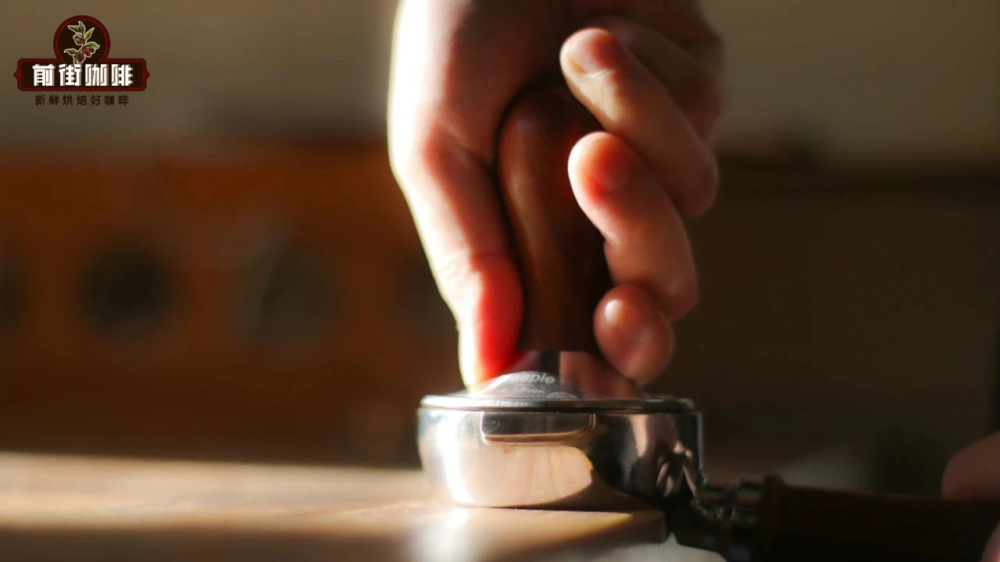
Tamping, as the name suggests, means using a tamper to compress loose coffee grounds so that the coffee puck can provide even resistance when subjected to 9-bar water pressure. It's important to use a tamper that matches the diameter of your portafilter basket—if the size is off, it might not tamp evenly or could leave gaps around the edges, affecting overall extraction.
When tamping, it’s recommended to keep the tamper handle perpendicular to the basket and press down with even force to flatten the coffee bed. Uneven pressure can tilt the puck, causing the high-pressure water to focus on the path of least resistance and resulting in uneven extraction. Also, don’t overdo the pressure in pursuit of the idea that “more force is better.” Studies have shown that even tamping with over 15 kilograms of force doesn’t significantly increase the pressure transmitted to the bottom of the puck. The key is to create a compact and level coffee bed, not to push for extreme pressure. Over-tamping can actually make it harder for water to penetrate, leading to over-extracted, bitter, and thick-tasting coffee.
After tamping, there may be some fine grounds left on the tamper or around the edge of the basket. You can gently twist the tamper before lifting it out to avoid affecting the next shot.
The Relationship Between Tamping Pressure and Extraction Results
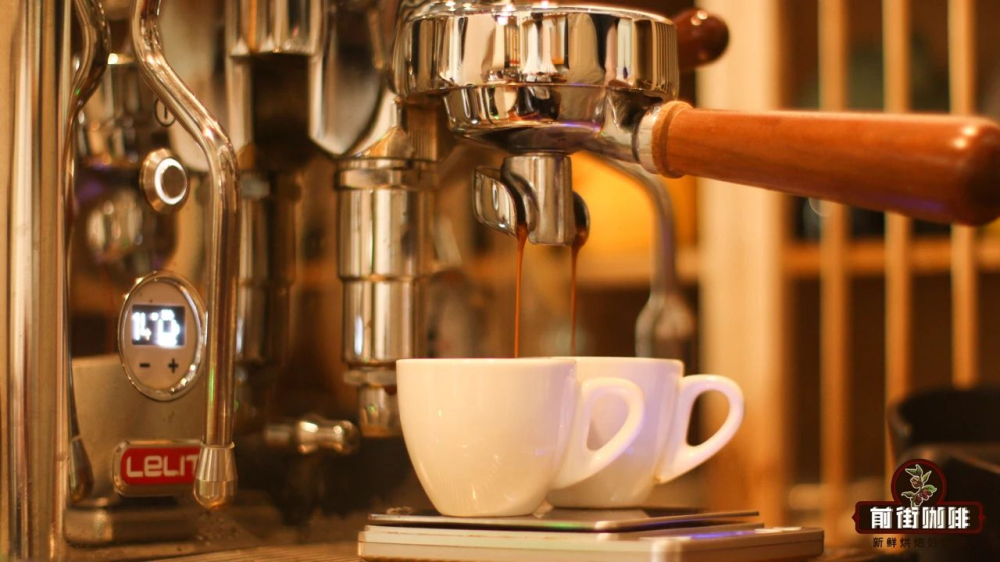
To better understand the impact of tamping, let’s look at a common espresso extraction scenario: using 20 grams of coffee grounds with a target yield of 40 grams. When no tamping is applied—only distribution—the observed extraction includes unstable flow, spraying, and an overall extraction time of just 22 seconds. The sensory evaluation reveals noticeable sourness and thinness, indicating poor flavor performance.
In contrast, when the same dose is properly tamped, the extraction time increases to 27 seconds, the flow becomes steady without spraying, and the resulting coffee shows rich notes of chocolate and fermented fruitiness, with a much more balanced and layered mouthfeel. This comparative test clearly demonstrates that tamping plays a key role in extraction stability and flavor expression.
Conclusion: Stable Extraction Starts with Tamping
Overall, tamping and distribution may seem like minor details, but they are critical factors influencing the quality of espresso extraction. Distribution ensures an even spread of coffee grounds and breaks up clumps, laying a solid foundation for effective tamping. Tamping then ensures a compact puck that resists high-pressure water flow, minimizes channeling, and makes each shot more stable and flavorful. Mastering the right distribution and tamping techniques allows you to consistently produce high-quality espresso, whether at home or in a professional setting.
The above content is compiled by CoffeeHunters, a coffee news website.


