







Introduction:Understand the characteristic differences among the three major coffee species—Arabica, Robusta, and Liberica—from origin, altitude, flavor to suitable brewing methods, helping you choose the right coffee beans based on your taste preferences. This article provides an in-depth analysis of the unique qualities of each variety, along with practical roasting and storage advice to help you better understand coffee.
Among the global coffee market, the three most common species are Arabica, Robusta, and Liberica. These three coffee plants differ significantly not only in appearance and growing environment, but also in the flavor profile, usage, and suitable brewing methods of their beans. Among them, Arabica is regarded as the representative of specialty coffee due to its delicate and varied flavors; Robusta, with its strong disease resistance and high caffeine content, is widely used in instant coffee and espresso blends; while Liberica, though one of the original species, has a very low market share due to its scarce production and unremarkable flavor characteristics.
First, looking at the plant itself, Arabica is a small-seeded coffee variety, with elliptical leaves and a plant height that can reach 5 to 6 meters, resembling a shrub. It has a clear need for shade and is suitable for cultivation in high-altitude environments between 800 to 2000 meters. Due to its higher requirements for climate, soil, and management, the yield per plant is relatively low, but it offers a rich flavor profile with bright acidity, often featuring floral, fruity, caramel, and citrus notes. It is the main variety in the global specialty coffee market. Major producing regions include Ethiopia, Kenya, Colombia, Brazil, and Panama, among which Ethiopia’s Geisha variety is the most renowned.
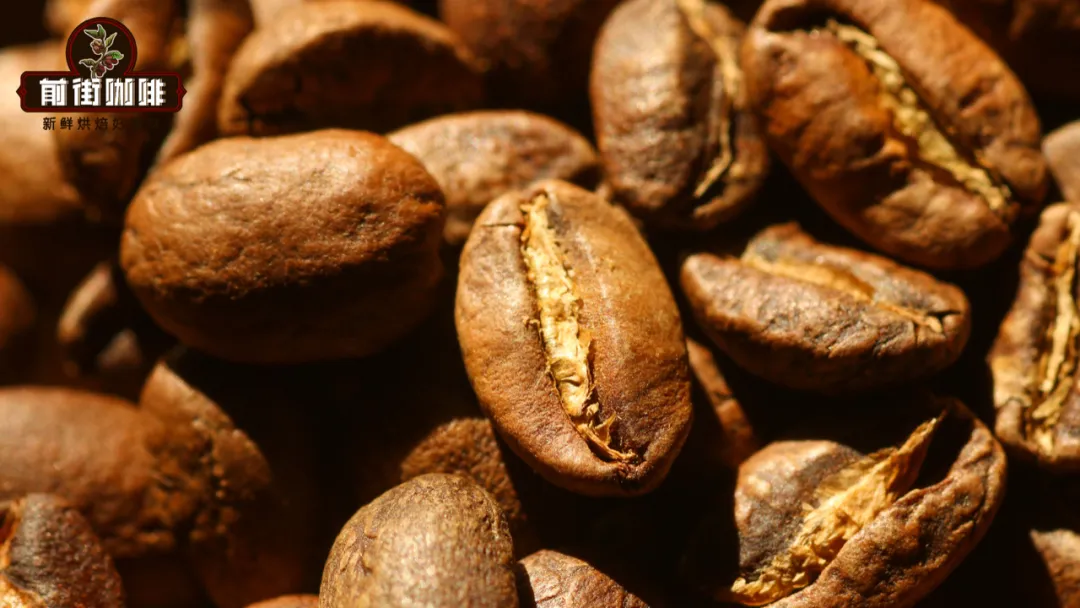
In contrast, Robusta is a medium-seeded coffee, formerly also classified as Canephora. Its caffeine content is as high as about 3.2%, far exceeding Arabica’s 1.2% to 1.5%, giving it a stronger stimulant effect and greater disease resistance. Robusta is suitable for cultivation in low-altitude areas between 200 to 800 meters, with excellent adaptability to the environment—it can grow well even in harsh or pest-prone regions, with relatively stable yields and lower costs. This variety has a higher chlorogenic acid content, about 7% to 10%, resulting in typically bold flavors, often described as nutty, peanutty, toasty, or even smoky, with low acidity and an overall heavier mouthfeel. Robusta beans have a round, C-shaped appearance with a clear central line resembling the number “1,” and green beans are mostly yellowish-brown. Major producing regions include Vietnam, Indonesia, and India, commonly found in commercial blend beans or instant coffee products.
As for Liberica, it is the representative of large-seeded coffee, originating from the low-altitude forests of Liberia in West Africa. Its tree height can reach 6 to 20 meters, much taller than typical coffee trees, making harvesting difficult. Additionally, its fruits and seeds are noticeably larger, posing greater challenges in processing and roasting. The flavor of Liberica is generally not well-regarded, often described as herbal, woody, or even bland, making it a very niche product in the commercial market, accounting for only 2% to 5% of global production. It is mainly distributed in Southeast Asia, with the Philippines as the primary producing country, but most of it is consumed locally, with little export.
Regarding whether Robusta can be classified as specialty coffee, the answer is no. Although some producers have recently attempted to enhance Robusta’s quality through refined processing methods, its inherent flavor limitations and general taste profile still make it difficult to challenge Arabica’s position in the specialty market. Specialty coffee emphasizes the uniqueness of origin, processing method, and variety, whereas Robusta generally lacks such nuanced expressions. However, its high caffeine content and rich crema characteristics still give it value in certain specific contexts, such as as an espresso base or in functional beverages.
When selecting coffee beans, whether Arabica or Robusta,freshness is always one of the key factors influencing flavor performance. Generally speaking, coffee beans require about 4 to 7 days of degassing after roasting, allowing carbon dioxide to gradually release before the flavors reach their optimal state. Therefore, it is recommended to purchase coffee beans roasted within 5 days and enjoy them within a week of arrival to get the most vivid aroma and layered taste.
If you are accustomed to buying pre-ground coffee, be aware that once ground, the aromatic compounds in coffee will rapidly volatilize and oxidation will accelerate significantly. It is advised to brew immediately after grinding to avoid prolonged storage. However, if you are pursuing a more complete flavor experience,choosing to buy whole beans and grinding them yourself just before brewingis the best way to fully experience the unique characteristics of different origins and varieties, and is also the preferred method for many coffee enthusiasts.
The above content is compiled by CoffeeHunters, a coffee news website.


