








Introduction:Global coffee is primarily grown between the "coffee belt" at 15 to 25 degrees north and south of the equator, encompassing three major producing regions: Africa, Latin America, and Asia. Each region, due to differences in geology, climate, and processing methods, cultivates beans with distinctly unique flavor profiles. This article delves into the unique characteristics of representative bean varieties from various regions, including bright fruity acidity, rich chocolatey notes, and diverse processing styles. It also offers practical pour over brewing references to help coffee enthusiasts choose suitable beans based on their taste preferences.
There are over fifty countries worldwide engaged in coffee cultivation, most of which are located on either side of the equator, between 15 to 25 degrees north and south latitude. This area is collectively referred to by the industry as the "coffee belt," offering ideal climate and altitude conditions for coffee tree growth. Based on regional geography and flavor characteristics, these areas can be broadly divided into three major blocks: Africa, Latin America, and Asia. Countries such as Ethiopia, Kenya, Brazil, Colombia, and Indonesia are widely praised in the market for their stable quality and diverse bean varieties.

As the birthplace of coffee, Africa boasts the longest cultivation history and the richest genetic diversity. Although most commercial bean varieties on the market today have been named, the region still retains many wild varieties that have not been fully explored, holding significant importance for scientific research and variety improvement. African coffees generally exhibit bright floral and fruity aromas along with vibrant fruity acidity, resulting in a refreshing taste, though they tend to have relatively lighter body and sweetness.
Ethiopiais known for its representative beans that often carry intense floral notes and citrus-like acidity, making them ideal for those who prefer bright and refreshing flavors. For example, beans from the Yirgacheffe region frequently showcase layers of black tea, citrus, and berries. As the temperature drops, creamy, caramel, and almond aftertastes become more pronounced, with a clean mouthfeel and natural sweetness. A classic bean variety from this region is a typical example of such flavors, suitable for both pour over and siphon brewing. A medium-fine grind and a water temperature of around 90–92°C are recommended to highlight its delicate fruit acidity and aroma.


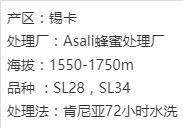
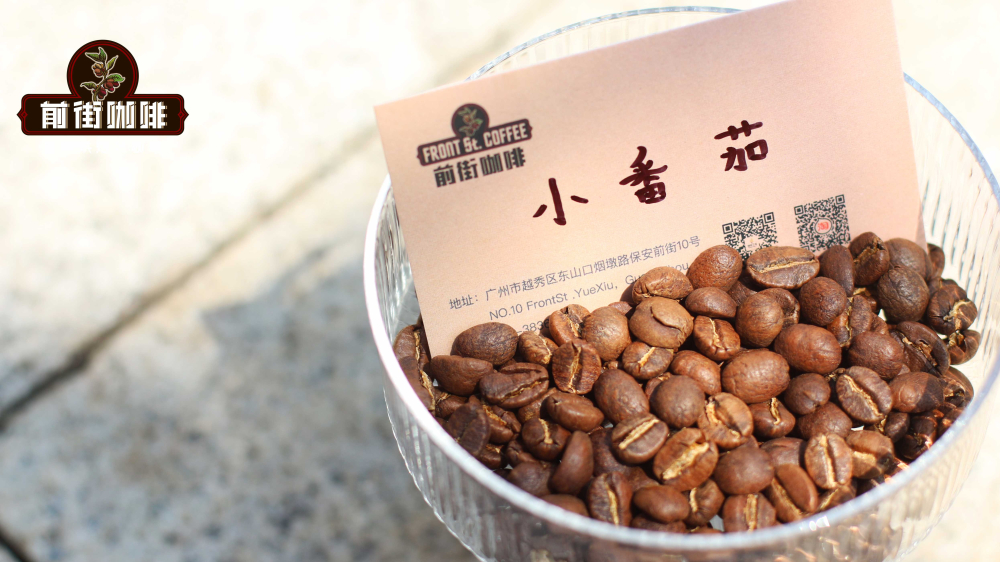
Kenyacoffee, on the other hand, is renowned for its intense acidity and unique berry and cherry tomato notes. Its flavors are clear and layered, often featuring bright juiciness and mid-palate sweetness. The Kenyan cherry tomato bean variety is one such representative—its wet aroma reveals ripe tomatoes and floral notes, while the cup presents an interplay of cherry tomato and dark plum flavors, with vibrant acidity, a medium body, and an aftertaste of berries and brown sugar, accompanied by a hint of green tea aroma. It’s well-suited for coffee lovers seeking high acidity and brightness.
Yemenis one of the few African-producing countries that does not emphasize acidity. Its coffee often showcases a rich and intense chocolatey character, with a unique flavor profile and a Middle Eastern flair. Yemeni Mocha coffee beans exude a peanut-like aroma even before grinding, and once ground, a strong caramel scent emerges. When sipped, one can perceive the richness of dark chocolate along with grape-like acidity in the finish. The spice-laden aftertaste is long-lasting, delivering an overall experience akin to the smoothness of Middle Eastern milk tea. As the temperature slightly drops, subtle changes in berries and spices can also be detected.
The Latin American coffee-growing region spans from southern North America through South America, including Mexico, Central America, the Caribbean islands, and several South American countries. It is a major pillar of global coffee production and exports. Due to the colonial histories of Spain and Portugal, the region features linguistic and cultural diversity, while volcanic soils, high altitudes, and stable climates contribute to consistent coffee quality and balanced flavor profiles.
Latin American coffees are mostly processed using the washed method. The beans are plump with low defect rates, and their flavors commonly feature cocoa, dark chocolate, and nutty notes, with gentle acidity and an overall balanced profile. As the world’s largest coffee producer, Brazil’s beans are typically known for their low acidity, rich nuttiness, and chocolatey flavors, making them ideal for espresso or milk-based drinks.
The Brazilian Queen Estate Yellow Bourbonis a classic representative, offering noticeable sweetness and subtle lemon aroma, with rich nutty and dark chocolate notes emerging in the mid-to-late stages. The overall mouthfeel is round and layered, suiting consumers who enjoy full-bodied, low-acidity flavors. Countries like Colombia and Panama often produce beans that combine fruity and floral notes, such as Colombian Geisha coffee beans, which feature complex fruit aromas of grapes, passionfruit, and apricot, blended with dark cocoa and creamy aftertastes. For pour over, a medium-coarse grind and a water temperature of around 90°C are recommended to balance their fruitiness and body.
The total coffee output of Asian-producing regions is second only to Latin America. While Vietnam is the largest producer, more notable for quality and distinctiveness are places like Indonesia and Yunnan in China. Asian beans generally have higher body, relatively subdued acidity, and often carry complex undertones such as woody, herbal, or spicy notes, with flavor profiles leaning toward the deep and robust.
Indonesian Golden Mandhelingis a classic representation of Asian coffee, celebrated for its full-bodied and clean mouthfeel, along with intense nutty, caramel, and chocolate aromas. The finish is long-lasting and multi-layered, making it ideal for those who prefer a rich texture and low acidity. In recent years, Yunnan in China has also gradually emerged as a notable region. A classic bean variety from a well-known producing area exhibits aromas of melon, nuts, and brown sugar, with moderate sweet-and-sour balance and an aftertaste reminiscent of black tea. The overall flavor is rich and distinctive, with local character. A medium-fine grind and pour over brewing at around 90–91°C are recommended to bring out its delicate fruitiness and tea notes.


The above content is compiled by CoffeeHunters, a coffee news website.


