







Introduction:To brew a well-balanced shot of espresso, the key lies in precisely mastering parameters such as the coffee-to-water ratio, extraction time, and temperature. This article takes an in-depth look at core techniques ranging from dose selection and grind size adjustment to flow rate control, guiding you step by step to optimize your extraction process, avoid common mistakes, and help even beginners consistently pull rich, crema-packed shots with complex flavor layers.
The flavor expression of espresso is extremely sensitive to various extraction parameters — from dose, coffee-to-water ratio, extraction time, and flow rate, to machine pressure and water temperature — each factor directly influences the final cup. Even slight deviations can lead to over-extracted bitterness or under-extracted sourness. Next, we’ll systematically explain how to achieve a balanced and full-bodied espresso through scientific settings and precise operation.
First iscoffee doseselection, which depends on the capacity of your portafilter basket. Common double baskets typically hold 16g, 18g, 20g, or 22g — these values are the manufacturer’s recommended standards, and it’s best to keep your actual dosing within a 1g margin of error. For instance, the ideal dose range for an 18g basket is usually between 17g and 19g. Too little coffee will result in a loose puck, causing overly fast water flow and under-extraction; too much, on the other hand, leads to a compact puck that restricts flow, reducing extraction efficiency and possibly preventing any coffee from dispensing at all.
Next is the crucialcoffee-to-water ratio. Traditionally, espresso ratios are calculated based on the weight of coffee grounds versus the weight of extracted liquid, not just volume. The classic ratio used to be one shot made with 7–8g of coffee yielding about 25–30ml of thick espresso, but this method didn’t account for actual water usage and was greatly affected by crema and bean freshness, so it’s rarely used today. Currently, the mainstream approach uses a weight-based ratio, commonly ranging from 1:1.5 to 1:2.5, with 1:2 being the most widely accepted standard — for example, 20g of coffee yielding 40g of espresso. A ratio that’s too low often results in an overly intense and bitter cup, while a high ratio leads to a weak, sour shot that typically indicates under-extraction.
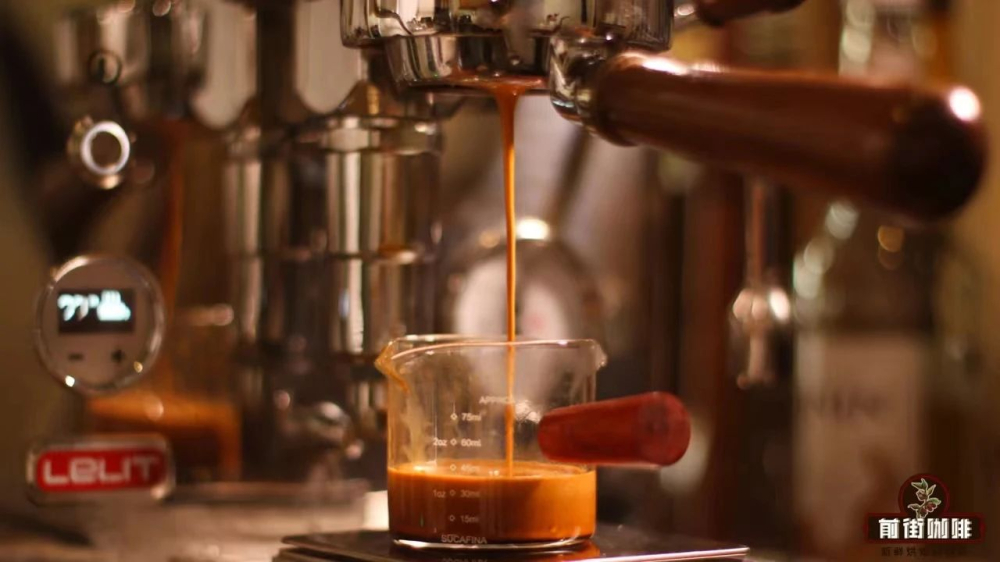
Extraction timeis also a key factor influencing flavor. It generally refers to the entire duration from locking in the portafilter to the end of the shot. It’s usually recommended to keep this between 20 and 30 seconds. This timing is affected by two main factors: grind size and coffee-to-water ratio. A higher ratio means more water is used, naturally taking longer; meanwhile, a finer grind creates a denser puck, increasing resistance and extending extraction time — though it can also easily lead to over-extraction.
Flow rate— the speed at which coffee flows out of the puck — is a straightforward indicator of whether your overall parameters are set correctly. Ideally, the first drip should appear around the 5-second mark after starting extraction, followed by a steady and consistent flow. If no liquid appears until after 10 seconds (excluding pre-infusion), it likely means the grind is too fine or the tamp is too hard. Conversely, if the flow is too fast or even splashing, the grind is probably too coarse, or channeling may be occurring, allowing water to pass through the puck too quickly without proper extraction.
Regardingextraction pressure, most semi-automatic espresso machines operate at a standard pressure of around 9 bar — an industry-recognized value suitable for the majority of coffee roast levels. Some advanced machines also feature variable pressure profiling, allowing users to adjust pressure during extraction for more nuanced flavor control. Too low a pressure results in insufficient water penetration and incomplete extraction of flavor compounds; too high a pressure can improve extraction efficiency but may also over-extract bitter elements.
Extraction temperatureis equally critical. Generally, espresso water temperature is recommended to stay between 90–94°C. Water that’s too hot can over-extract bitter compounds, resulting in a sharp and unpleasant taste, while water that’s too cool leads to under-extraction, producing a thin, overly acidic cup. Maintaining stable water temperature is essential for ensuring consistent flavor across every shot.
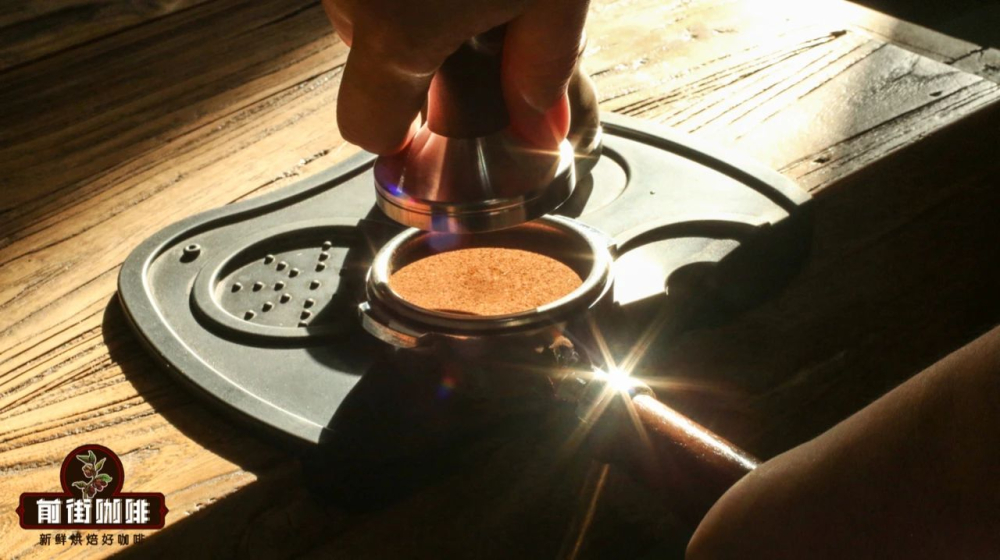
So, what details should you pay attention to in practice? The espresso-making process typically includes dosing, distributing, tamping, machine extraction, and cleaning — among which distribution and tamping are especially crucial, as they directly affect puck evenness and density, thereby determining water flow distribution and extraction quality.
During thedosingstep, besides ensuring the accuracy of the dose, it’s also important to watch out for any leftover coffee grounds in the grinder’s chute from the previous grind. These residual grounds, having been exposed to air for some time, have significantly degraded in flavor. Mixing them into your current dose will directly impact the overall flavor profile. Take the Feima 900N grinder, for example — it can retain up to 2g of old coffee in the chute, which is over a tenth of a 20g dose. Therefore, before extraction, it’s recommended to purge the chute with a small amount of coffee and discard it to ensure you’re using freshly ground coffee. In addition, when using non-dosing grinders, be aware that the actual dose may vary due to voltage fluctuations, bean hopper pressure changes, bean size, and density differences. It’s wise to use a high-precision scale to help keep dosing errors within ±0.1g.
Throughout the entire extraction process — from grinding, transferring the grounds, distributing, tamping, to locking in the portafilter and starting the shot — it’s best to complete the steps fluidly without interruptions. If you’re still getting the hang of it, it’s advisable to practice multiple times beforehand to get familiar with the rhythm and feel of each step. Additionally,cleaningis another vital aspect that shouldn’t be overlooked. A clean environment and equipment not only improve the brewing experience but also ensure consistent coffee quality. Special attention should be paid to residual coffee in the grinder’s hopper, distributor, tamper, as well as the portafilter and group head — these should be cleaned promptly after use to prevent leftover grounds from affecting the flavor of the next shot. At the same time, all tools that come into direct contact with coffee, such as portafilter baskets and tampers, should also be kept dry to avoid residual moisture interfering with extraction.
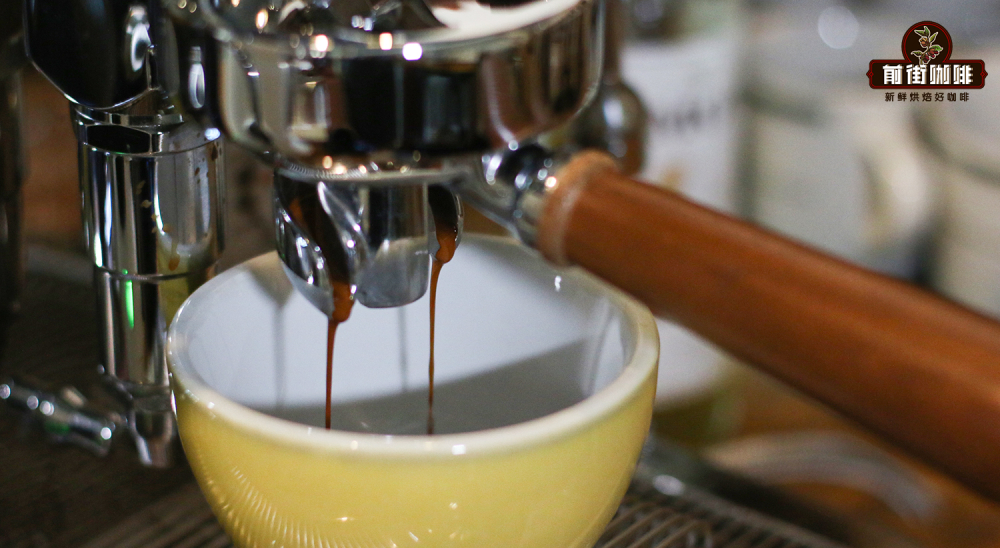
Beyond the parameters and operational details mentioned above, selecting the right coffee beans is equally key to brewing great espresso. A well-balanced blend with moderate roast level can deliver a rich mouthfeel and help you more easily produce a thick, velvety crema. Whether you're making a classic Americano or a milk-based drink, it will perform excellently.
The above content is compiled by CoffeeHunters, a coffee news website.


