







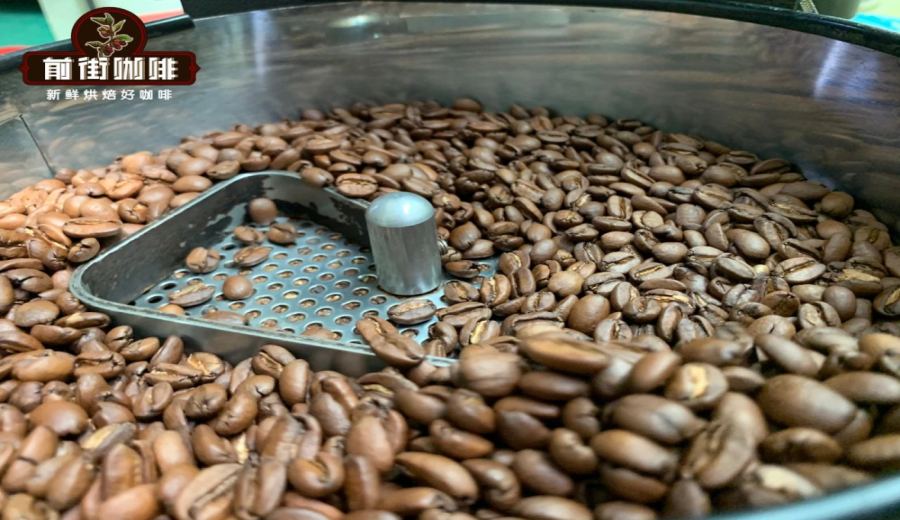
Introduction:The bitterness of coffee is not actually inherent but gradually emerges with the degree of roasting. From the nearly non-bitter light roast to the intense, smoky dark roast, each stage presents a distinctly different flavor profile. This article will delve into the changes in coffee bitterness from green beans to the roasting process, detailing the flavor transitions across eight roasting stages, supplemented by actual roasted bean appearance illustrations to help you more accurately select the appropriate roast level and brewing method based on your taste preferences.
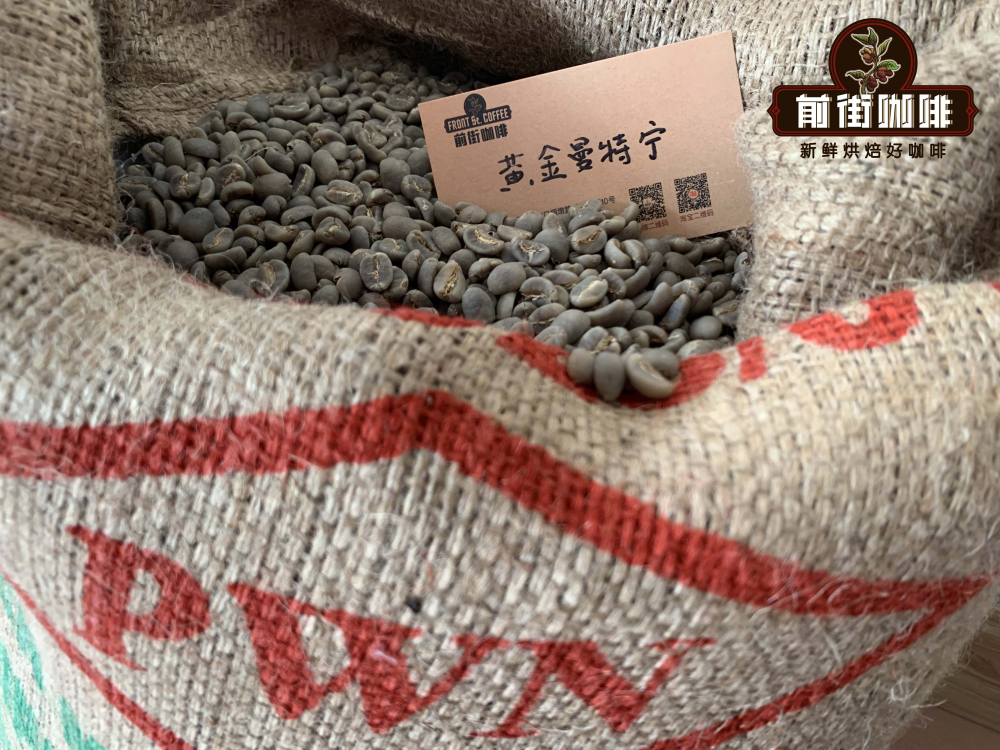
Many people mistakenly believe that coffee is inherently bitter, but in fact, at the green bean stage, this flavor is almost nonexistent. Green beans are mostly green or beige in color, having not undergone high-temperature processing, with flavors dominated by grassy and grainy notes, and almost no familiar coffee aroma or rich mouthfeel. The key to giving coffee its rich layers, including bitterness, lies in the roasting process.
As the degree of roasting deepens, the chemical composition of the coffee beans undergoes dramatic changes. Acidity gradually transforms into products of caramelization and Maillard reactions, and bitterness also begins to emerge. From the light and refreshing light roast to the rich and full-bodied dark roast, each roasting range corresponds to unique flavor expressions and directly influences the final extraction taste profile.
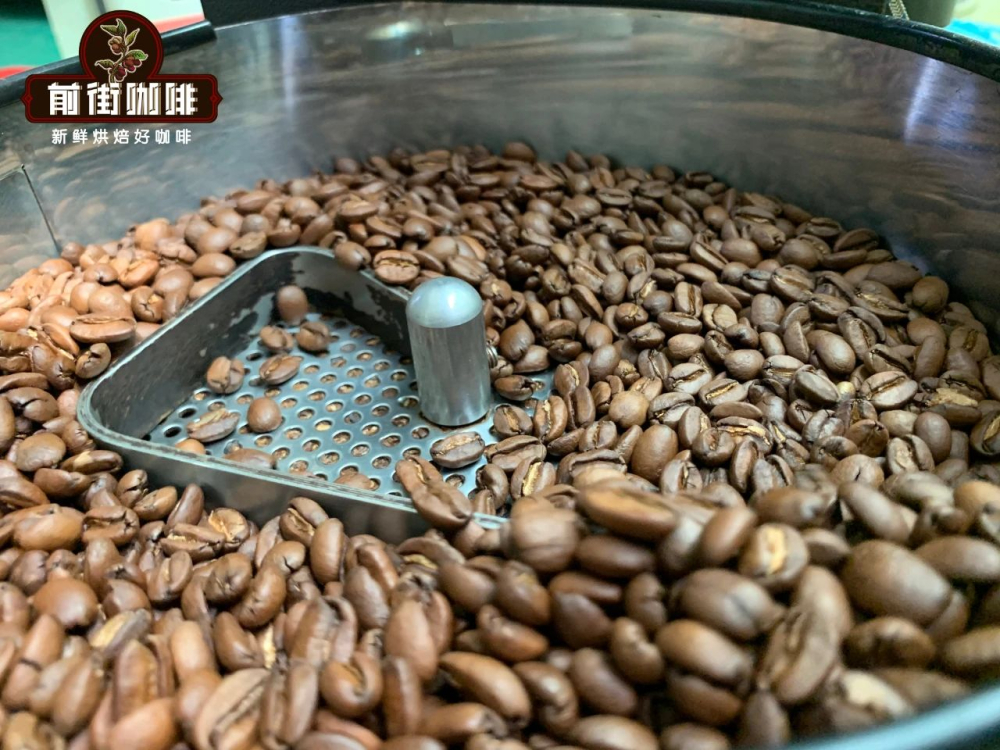
The bitterness of coffee does not come from a single source but is the combined result of multiple chemical reactions. In the early stages of roasting, the beans primarily release acidic substances, bringing bright notes such as citrus, berries, or floral aromas; as the temperature continues to rise, sugar substances begin to caramelize, while amino acids and sugars interact to form complex aromatic compounds, and bitterness gradually emerges and blends with other flavors.
In terms of overall roasting stage classification, it can be roughly divided into eight categories, from very light roast to very dark roast, each with distinct flavor characteristics and differences in bitterness intensity. Understanding these stages helps in selecting coffee beans or adjusting brewing parameters to more precisely achieve the desired flavor profile.
The lightest roasting stage is usually when heating is stopped immediately after the dehydration process. This stage is sometimes referred to as the "boiling stage" and has not yet entered the true roasting transformation phase. At this point, the coffee beans still appear close to light beige, with almost no development of the richness and aroma typical of coffee, and the bitterness is minimal. Some advanced pour-over enthusiasts may attempt extreme extractions at this stage, but such beans are rarely found in the mainstream market.
Entering the so-called "cinnamon roast" stage, the beans turn a light brown color. Although some roasting aromas have begun to emerge, the overall profile is still dominated by bright acidity, with bitterness only faintly perceptible.This stage of coffee is suitable for drinkers who prefer a refreshing taste and are pursuing fruity acidity.It is very rare in the Japanese market but can still be found in some coffee shops in Northern Europe, often used to showcase the beans' original characteristics.
As roasting progresses to the medium stage, bitterness begins to show more noticeably, but acidity remains the dominant note. This range is commonly used as the base for American-style coffee and enjoys relatively high acceptance and smoothness upon drinking. If you prefer coffee with a balance of acidity and sweetness along with mild bitterness, medium roast is a good choice. For extraction at this stage, it is recommended to use medium-fine grind and moderate water temperature to preserve more vibrant acidic notes.
Moving further to the high roast stage, bitterness and acidity reach a relatively balanced point, and this is also one of the most common roast levels on the market. Such coffees usually have noticeable caramel aromas and moderate body, suiting the taste expectations of most consumers. If you’re unsure which roast level you prefer, you can start with this range and then gradually try deeper or lighter options.
The "City Roast" to "Full City Roast" range falls within the medium-dark roast category. At this stage, the ratio of bitterness to acidity undergoes a clear reversal, with bitterness beginning to dominate but not yet reaching the harsh, burnt level. This range is suitable for drinkers who enjoy a rich mouthfeel but do not want excessive bitterness, showcasing the beans' inherent nutty, chocolatey, or caramel notes.For example, low-acid bean varieties such as Indonesian Golden Mandheling can exhibit rich spice and dark chocolate flavors at this roast level.
When entering the so-called "French Roast" and "Italian Roast" stages, i.e., the dark roast realm, acidity almost completely fades, replaced by intense bitterness and rich smoky aromas. Such roasts are commonly used as the base for espresso, producing rich crema and a full-bodied mouthfeel. However, it should be noted that overly dark roasting can lead to excessively sharp bitterness, and it is recommended to pair with milk or appropriately extend the extraction time to soften the flavor.

In summary, the bitterness of coffee is gradually formed with the accumulation of roasting temperature and time. From light roast to dark roast, bitterness evolves from none to slight, then to intense, with each stage offering unique flavor expressions and suitable brewing methods. If you prefer a pronounced bitter experience, it is recommended to start with Full City Roast or darker roast beans, and adjust grind size and water temperature appropriately to achieve the ideal extraction result.
The above content is compiled by CoffeeHunters, a coffee news website.


