







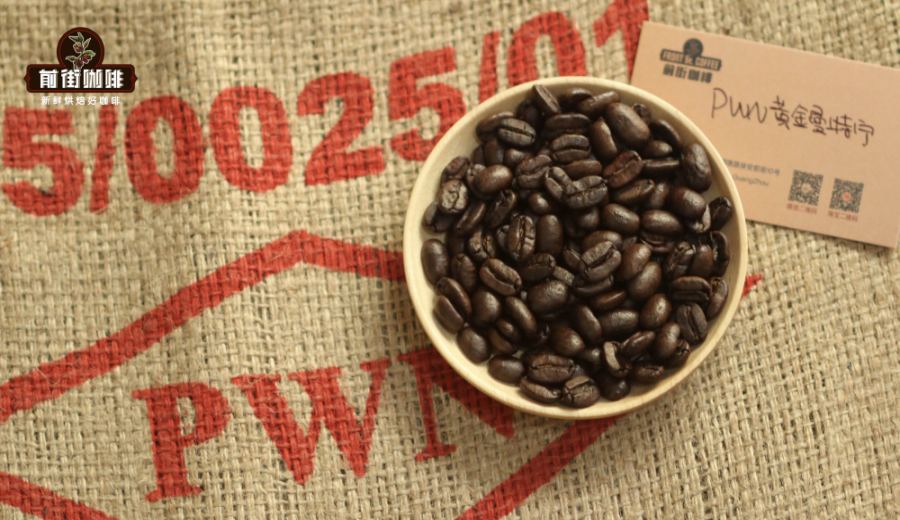
Introduction:Mandheling coffee, with its rich and full-bodied flavor and distinctive aroma, has become a classic choice for many coffee enthusiasts. This article explores the geographical and climatic conditions of Sumatra Island to analyze the distribution and classification of Mandheling coffee regions, delves into the differences between Lintong Mandheling and PWN Golden Mandheling, and uncovers how Indonesia’s wet hulling process shapes its iconic flavor profile. It also provides pour over recommendations and parameters for Golden Mandheling to help you fully showcase its aromatic layers and smooth, lingering finish.
Among the many coffee-growing regions, Mandheling coffee from Sumatra Island has long been cherished by coffee lovers worldwide for its bold, solid mouthfeel and deeply captivating aroma. This Indonesian Arabica coffee owes its charm not only to its exceptional geographical environment but also to its unique processing methods and refined grading system.
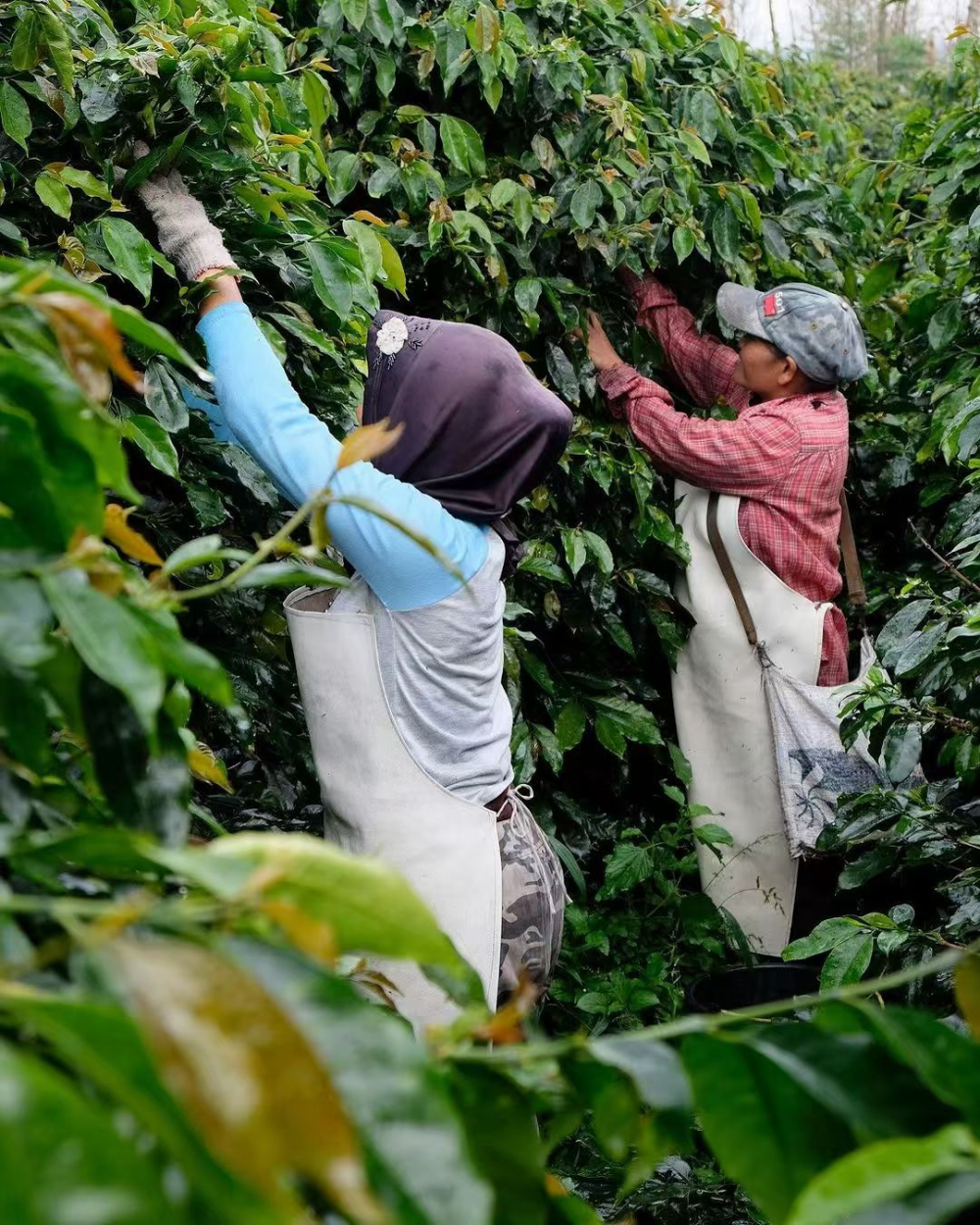
The fame of Mandheling coffee is closely tied to the diverse terrain and climate of Sumatra Island. Although most areas are at lower altitudes and primarily grow commercial-grade beans, the highlands in North Sumatra Province and Aceh Special Region, ranging from 750 to 1500 meters above sea level, coupled with their proximity to the equator, create a tropical rainforest climate characterized by high temperatures and humidity year-round. This environment is ideal for growing Arabica coffee and contributes to the rich and layered flavor profile of Mandheling.
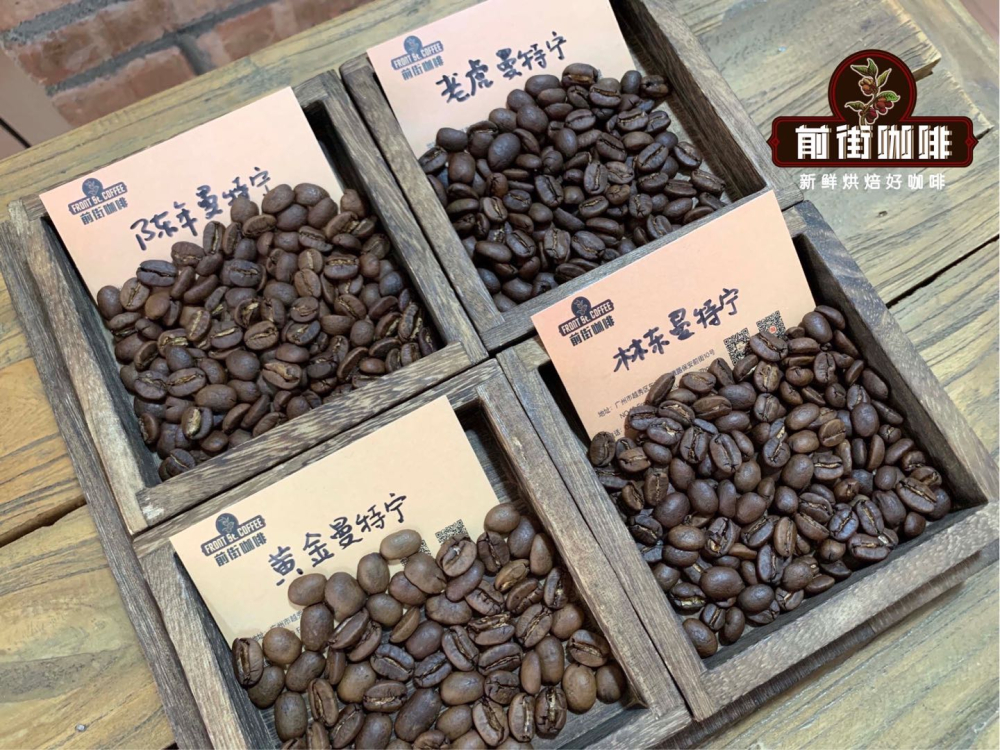
In the market, Arabica coffee beans produced on Sumatra Island are commonly collectively referred to as Mandheling coffee and are further divided into several types based on different producing regions and processing characteristics, such as Lintong Mandheling, Golden Mandheling, and aged Mandheling, each with its own unique personality.
Lintong Mandheling is the most representative of traditional Mandheling flavors. Grown in the mountainous areas around Lake Toba, north of Medan, the capital of North Sumatra Province, this region sits at an altitude of about 900 meters, enjoying stable temperatures and humidity. Processed using Indonesia’s unique wet hulling method, this coffee often exudes intense herbal and earthy notes, with subtle hints of spice and woody tones, making it an excellent entry point for many coffee newcomers to explore the Mandheling flavor.
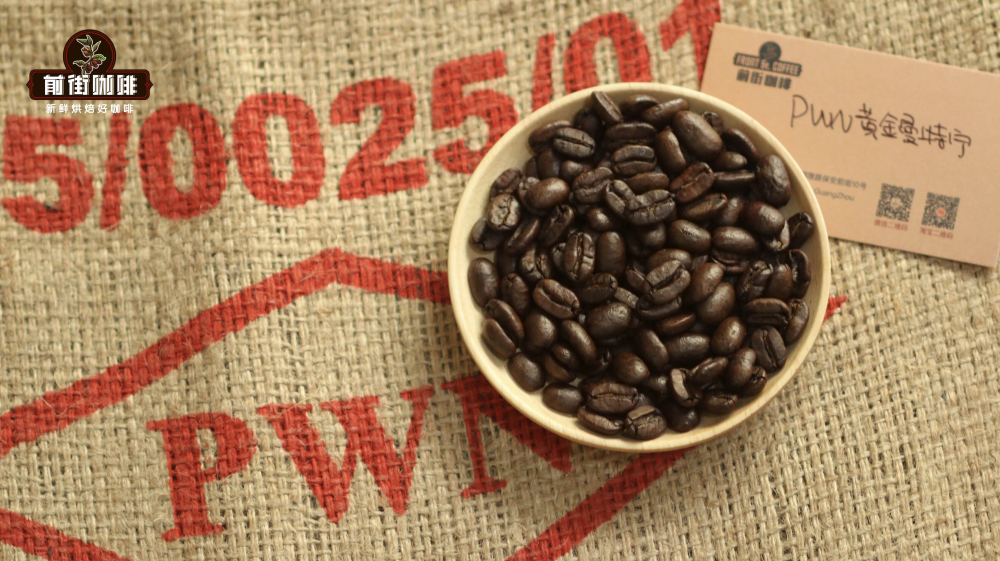
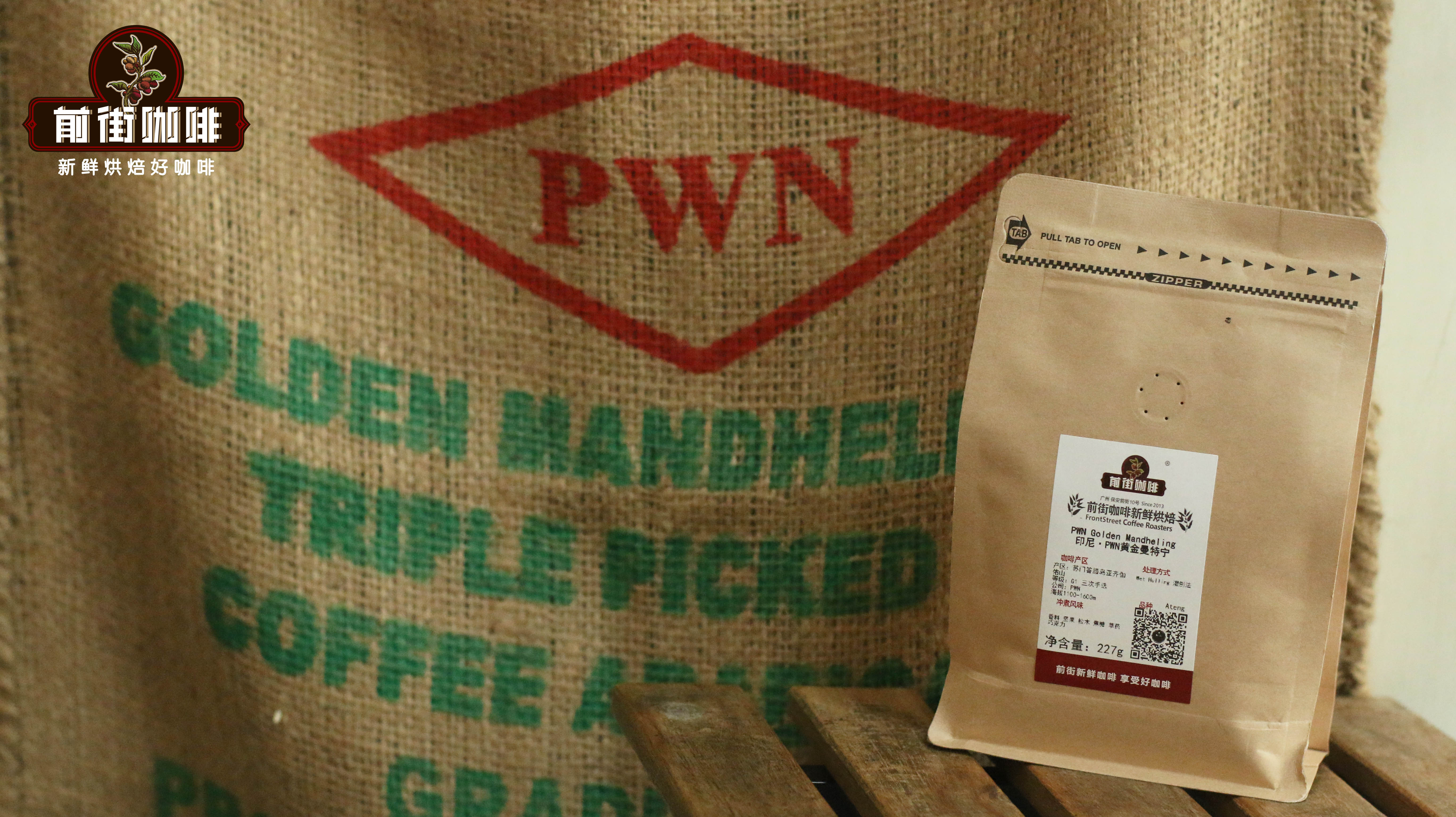
Another highly acclaimed variety is the “Golden Mandheling” launched by PWN. This coffee has become a premium representative in the market due to its rigorous green bean selection process and high-quality standards. PWN is not only the holder of the “Golden Mandheling” trademark but also extremely meticulous in raw material selection: only green beans larger than 18 mesh with an extremely low defect rate are used, undergoing three rounds of manual sorting and one mechanical screening to ensure consistency in shape, size, and color. Its grade reaches Indonesia’s highest G1 standard, resulting in a cleaner and crisper taste in the cup, with outstanding body and sweetness.
The flavor profile of Golden Mandheling often includes layers of spices, dark chocolate, nuts, and caramel, with a subtle cedar-like finish that leaves a lasting impression. Additionally, there are other uniquely flavored Mandheling types on the market, such as aged Mandheling, which undergoes prolonged aging to reduce acidity and enhance sweetness, and Tiger Mandheling, which features herbal and earthy notes—all worth trying.
When discussing the unique flavor of Mandheling coffee, one cannot overlook Indonesia’s distinctivewet hulling process (wet hulling). The emergence of this technique is closely related to Sumatra’s perpetually humid and rainy climate. With an annual average humidity of 70% to 90% and annual rainfall exceeding 2000 millimeters, traditional washed or sun-dried processing methods are extremely difficult to implement.
The wet hulling process generally involves: first removing the coffee fruit’s skin and pulp, followed by a short fermentation period of a few hours, then washing with clean water to remove residual mucilage. The parchment-covered beans are then subjected to initial sun drying, but only to a moisture level of 30% to 40%, after which they are typically sold within 2 to 3 days. The processing facility then uses a hulling machine to remove the parchment layer. Under the high-friction mechanical action, the coffee beans are prone to damage, forming what is known as “elephant ear beans,” but this also significantly accelerates the drying process, reducing the moisture content rapidly to 12% to 13%.
This processing method results in noticeably lower acidity in the coffee beans, while enhancing body and sweetness, and imparting distinctive woody, spicy, and herbal aromas—this is also the main reason why Sumatra coffee is said to have a “regional character.”
If you want to fully showcase the potential of Golden Mandheling at home, the right extraction method is crucial. It is recommended to choosemedium-dark roastingto fully bring out the coffee’s body and spicy characteristics. After roasting, the coffee beans need to undergo a 7 to 10 day resting period to allow internal gases to dissipate fully, achieving optimal flavor expression.
For actual pour over brewing, it is recommended to usethe KONO filter cone, whose special flow-guiding design reduces airflow disturbance, directing hot water to flow downward in a concentrated manner, creating an extraction environment similar to a siphon that helps enhance body and concentrate aroma. Suggested pour over parameters are as follows: water temperature controlled at87–88°C, usingmedium grind size (approximately 70% passing through a Chinese standard 20-mesh sieve), with a coffee dose of15 grams, a brew ratio of1:15(to be specified), and usinga three-stage pouring methodfor extraction.
Specific steps: First, perform a bloom with twice the coffee dose of water (about 30 grams) for approximately 30 seconds; then pour in a thin stream in a circular motion from the inside out until reaching 125 grams for the first pour, wait for the coffee bed to settle, then pour again with the same thin stream until reaching 225 grams, and finally let the filter cone drip dry completely, with the entire process taking about 2 minutes. After completion, gently swirl the coffee liquid before enjoying a cup of Mandheling coffee with a complete and layered flavor profile.
When brewed correctly, Golden Mandheling will exhibit intense dark chocolate, nut, and caramel aromas, with a noticeable sweetness upon entry. The delicate notes of spices become clearer as the temperature drops, and the finish is long-lasting with excellent balance—making it a classic choice for experiencing the charm of Sumatra coffee.
The above content is compiled by CoffeeHunters, a coffee news website.


