







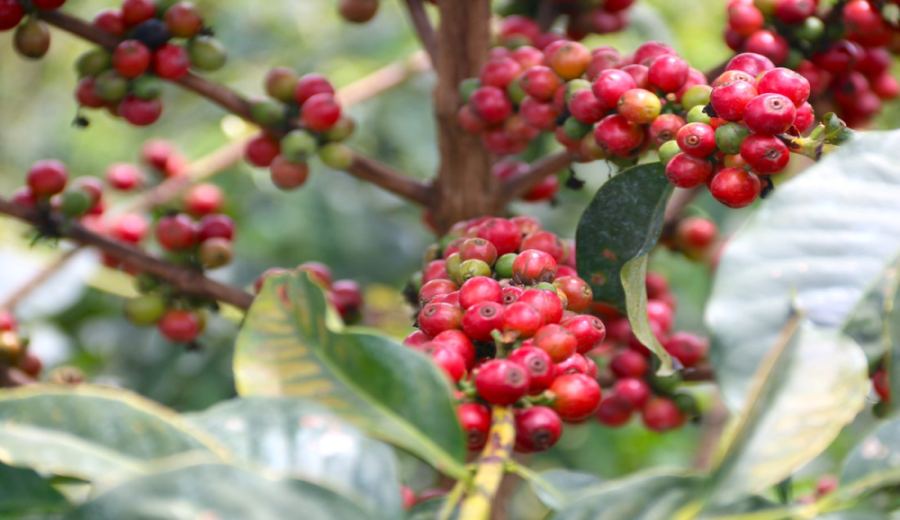
Introduction:Yellow Bourbon coffee, with its rare yellow fruit and distinctive sweet and aromatic flavor profile, has become a focal point in the specialty coffee world. This article delves into the variety’s genetic origins, cultivation challenges, and cupping characteristics, while also exploring the processing techniques and practical roasting examples from renowned Brazilian farms to illustrate how meticulous processing and roast control can bring out its perfect balance of nuts, citrus, and dark chocolate. Ideal for coffee enthusiasts interested in learning about the growing background and brewing performance of Yellow Bourbon.
Yellow Bourbon is a shining gem in Brazil’s coffee landscape, named for its unusually bright yellow fruit when ripe, and has garnered significant attention in the specialty coffee market in recent years. Beyond its unique appearance, this coffee is beloved by baristas and roasters alike for its rich sweetness, bright citrus acidity, and layered notes of nuts and dark chocolate. This article will fully trace the varietal’s developmental history, analyze its genetic background, and show you how renowned Brazilian farms unlock its unique potential through hand-picking and refined natural processing. Finally, we’ll explore this coffee bean’s remarkable flavor performance through professional roasting practices.
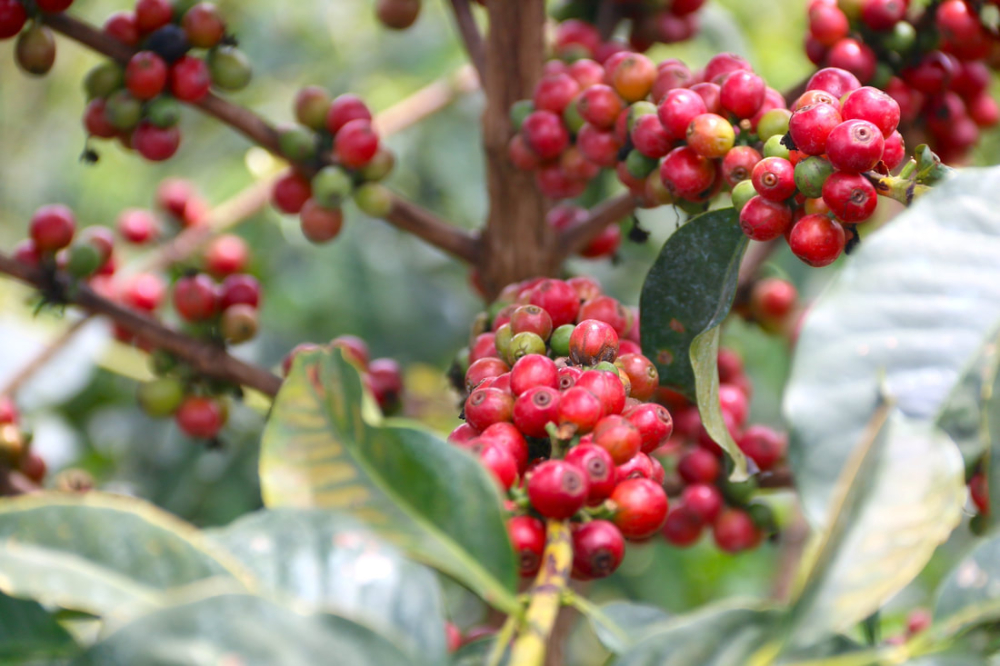
While the fruit of most coffee varieties turns red when ripe, Yellow Bourbon stands out with its striking yellow color, making it unique among coffee varieties. In Brazil, this yellow-fruited Bourbon mutation has long been considered a precious and rare resource, not only for its unusual appearance but also for the high-quality potential it demonstrates in specialty coffee.
Yellow Bourbon is not a new variety; its cultivation history dates back about ninety years. To trace its origins, we must start with its ‘paternal’ and ‘maternal’ varieties. As early as the mid-19th century, Brazil primarily grew Typica, but its limited yield affected export capacity. It wasn’t until a Brazilian introduced red Bourbon seeds from Réunion Island in the Indian Ocean (formerly part of the Mascarene Islands) that red Bourbon gradually became widespread in Brazil, becoming a staple in coffee shops by the end of the 19th century.
In 1871, in the Botucatu region of São Paulo State, Brazil, a yellow-fruited variant of Typica appeared, known as 'Yellow Botucatu,' marking the first recorded instance of yellow fruit in the area. Although this variety had low yields, its unique color piqued farmers' curiosity and led to its cultivation. Some researchers speculate that Yellow Bourbon may have originated from a natural mutation of red Bourbon, and later stabilized through hybridization with Yellow Botucatu.
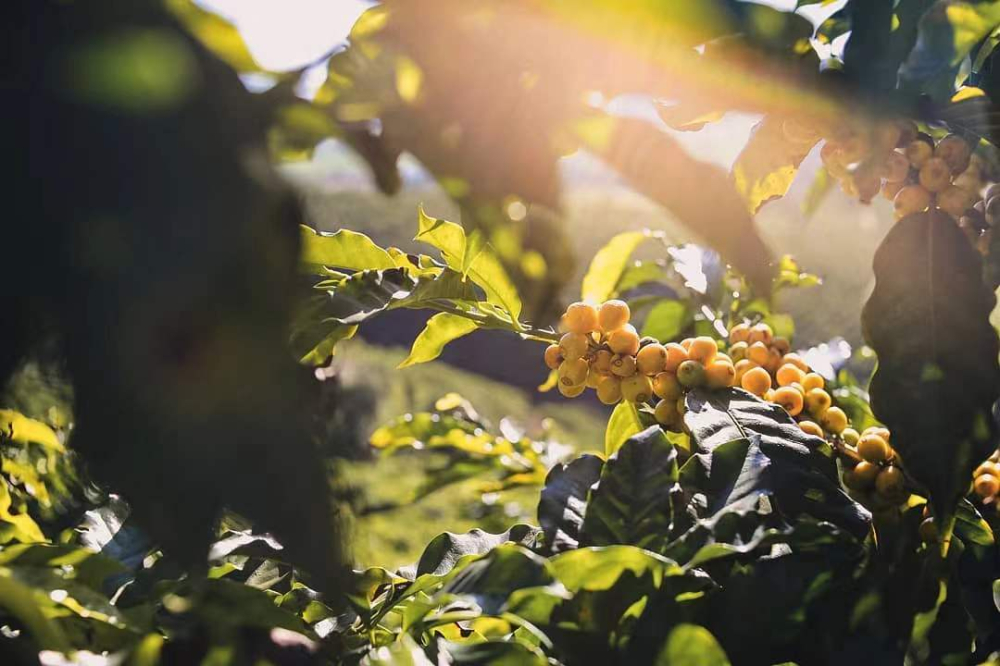
The widely recognized Yellow Bourbon of today first appeared around 1930 on a red Bourbon farm near Pederneiras in São Paulo State. Most experts believe it resulted from natural crossbreeding between red Bourbon and Yellow Botucatu. In addition to its eye-catching yellow fruit, this variety shares similar plant characteristics with red Bourbon but offers higher yields, which gradually drew attention.
The distinctive appearance of Yellow Bourbon caught the attention of researchers at the Campinas Agronomic Institute (IAC) at the time, including the renowned scholar Carlos Arnaldo Krug. In 1942, Krug conducted the first formal study on Yellow Bourbon, and within the following three years, the research team planted and observed 30 different varieties in the Jaú region. This early research laid the foundation for the scientific understanding of Yellow Bourbon.
By the 1950s, IAC had designated the most promising Yellow Bourbon variety as 'IAC J' and began promoting it to farmers. In 1951, Professor Mendes of IAC compared the yields of several mainstream varieties, including Typica, Yellow Botucatu, Sumatra, Red Bourbon, Yellow Bourbon, and Maragogype, and the results showed that Yellow Bourbon had the highest yield.
However, despite its high-yield potential, Yellow Bourbon did not become a mainstream planting variety in Brazil over the following decades. Its cultivation remained limited, partly because its yellow ripe fruit was often seen as novel, coupled with relatively weak resistance to leaf rust, lower yields, and the need for more intensive management. Additionally, at the time, flavor performance was not the primary goal of varietal improvement—research focused more on disease resistance, yield, and plant health.
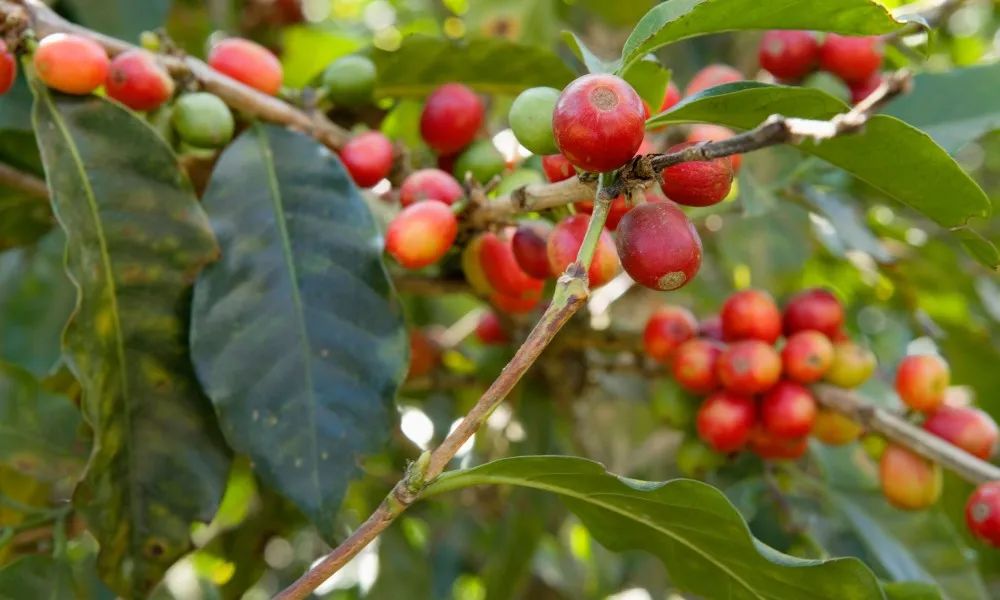
The yellow fruit trait of Yellow Bourbon is controlled by specific genes. In 1942, Professor Krug confirmed that its genetic basis came from a pair of genes called 'Xanthocarpa,' derived from the Greek words 'xanthus' (yellow) and 'carpus' (fruit). Plants with the genotype XcXc produce red fruit, xcxc produce yellow fruit, and the heterozygous Xcxc may yield orange fruit. The key coloring substance in yellow fruit is luteolin, a type of flavonoid also found in plants like Brazilian pepper and broccoli.
Yellow Bourbon plants can grow up to 2.8 meters tall and have relatively fast growth and maturation rates. However, research from 1945 shows that of the 30 Yellow Bourbon varieties studied at the time, only seven are still commercially cultivated in Brazil today, reflecting the challenges in promoting the variety. Yellow Bourbon typically requires cultivation at altitudes above 1,000 meters and relies on meticulous harvesting and post-harvest processing to fully realize its flavor potential.
Yellow Bourbon coffee is known for its prominent sweetness, pronounced aroma, and lively citrus acidity, often accompanied by complex notes of ripe fruit, raisins, and honey. Research indicates that its flavor characteristics are closely related to sucrose content, fat, and organic acid composition, while no direct correlation has been found between luteolin and flavor expression.
In 2005, IAC resumed research on the Yellow Bourbon variety, this time focusing on cupping flavor performance. The research team re-collected the 30 varieties evaluated in 1945, 16 of which scored over 85 points in cupping, forming the basis for tracking ideal lineages. To this day, the IAC research team led by Professor Gerson Giomo continues its exploration, aiming to identify Yellow Bourbon lineages that combine high yield with excellent flavor potential.
In 2017, Brazilian Yellow Bourbon coffee stood out in the Cup of Excellence natural (sun-dried) category with a remarkable score of 92.33, and subsequently sold for $126 per pound at auction—100 times the futures price at the time—demonstrating its market potential and quality.
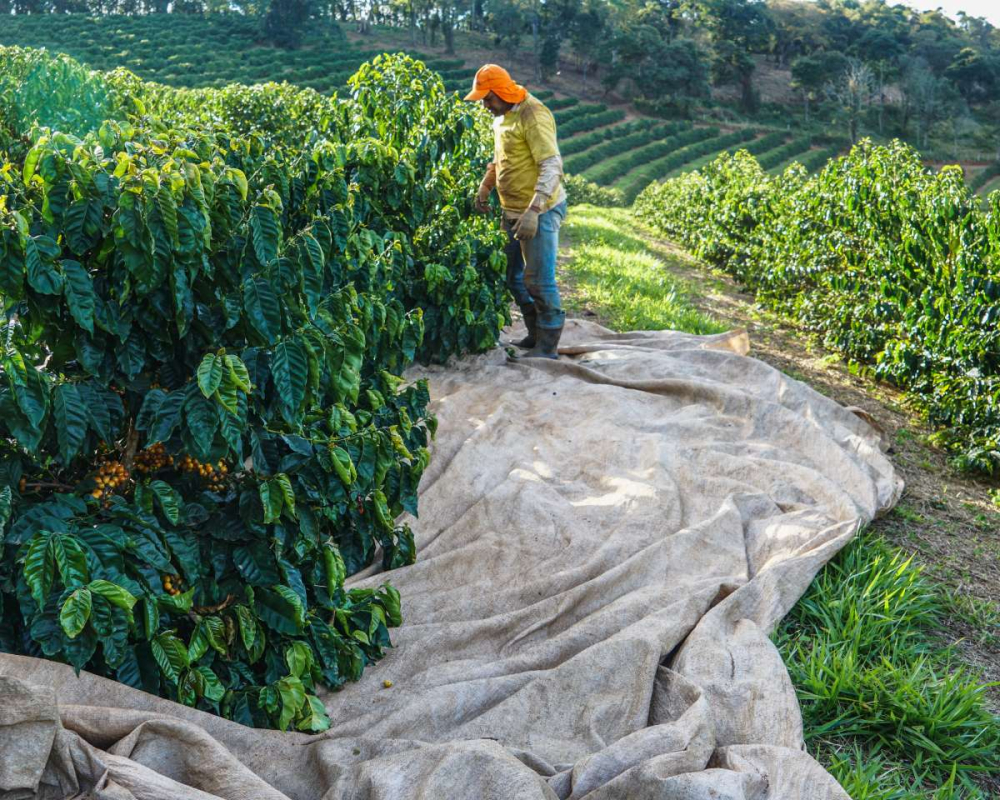
Among the many high-yield-focused coffee farms in Brazil, Fazenda Rainha (Queen Estate) is a refreshing exception. This small estate, located in the Alta Mogiana region of São Paulo State and owned by the Carvalho Dias family—who manage four major estates in total—has consistently achieved outstanding results since the first Brazilian COE competition in 1999, winning over 12 awards in total, including taking the championship, 9th, and 11th places in 2004, showcasing exceptional cultivation and processing capabilities.
Covering just 280 acres, Fazenda Rainha dedicates 200 acres specifically to growing Yellow Bourbon. Unlike the mechanized mass-processing commonly used in Brazil, the estate insists on hand-picking and employs small-scale, refined sun-drying using African-style raised beds. The process includes dedicated personnel for turning and moisture monitoring to ensure each coffee bean dries evenly, thereby enhancing overall quality and flavor expression.
When roasting this Yellow Bourbon from Fazenda Rainha, one coffee brand conducted multiple tests and ultimately chose to finish the roast two minutes after the first crack. At this roast level, the coffee exhibits pronounced sweetness, with a soft lemon aroma in the background—particularly prominent in the wet aroma stage—and a rich dark chocolate note in the aftertaste. The overall mouthfeel is round and layered, showcasing both the classic characteristics of Brazilian coffee and the lively flavors unique to Yellow Bourbon.
In terms of flavor, this Yellow Bourbon coffee delivers intense sweetness, blended with aromas of nuts and peanut butter, and a clear dark chocolate note in the finish, resulting in a full yet balanced profile. It’s a classic variety that fully showcases the multifaceted charm of Brazilian coffee.
The above content is compiled by CoffeeHunters, a coffee news website.


