







Introduction:The French press is the starting point for many coffee beginners entering the world of pour over brewing. It’s simple to operate, delivers stable flavors, and fully showcases the richness and crema layers of coffee. This article will detail the origins, characteristics, and operation specifics of the French press, including suitable coffee bean types, grind size, water temperature range, and coffee-to-water ratio. It will also guide you step-by-step through the entire brewing process, helping you easily brew a rich and balanced cup of coffee.
Because of its intuitive operation and low risk of error, the French press is often regarded as a “gateway tool” for coffee beginners. Not only does it stably present the aroma, sweetness, and full-bodied taste of coffee, but its clear parameters and fewer variables also allow each user to adjust according to their preferences and reproduce similar flavor profiles. This article will deeply analyze the historical background and basic principles of the French press, and take you from bean selection, weighing, and pouring water all the way to the final filtration—giving you full mastery of this classic brewing technique.
The French press, also known as the French filter press or French plunger pot, first appeared in France around 1850. Its original purpose was actually for brewing tea, which is why it’s sometimes called a “tea infuser.” Its design is simple, consisting mainly of a heat-resistant glass carafe (or transparent plastic material), paired with a plunger that has a metal filter and a pressing rod. To this day, it remains one of the most practical and easy-to-use brewing tools in many homes and offices.
Compared to pour over, siphon, or espresso machines, the greatest advantages of the French press lie in its “stability” and “ease of replication.” As long as you use the same coffee beans, water temperature, coffee-to-water ratio, and steeping time, even different people can brew coffee with nearly identical flavors—a feat that many other brewing methods struggle to achieve. Additionally, the French press performs well in presenting the coffee’s oils, aroma, and body (richness), giving the coffee a smooth and full-bodied mouthfeel, making it ideal for those who enjoy bold flavors.
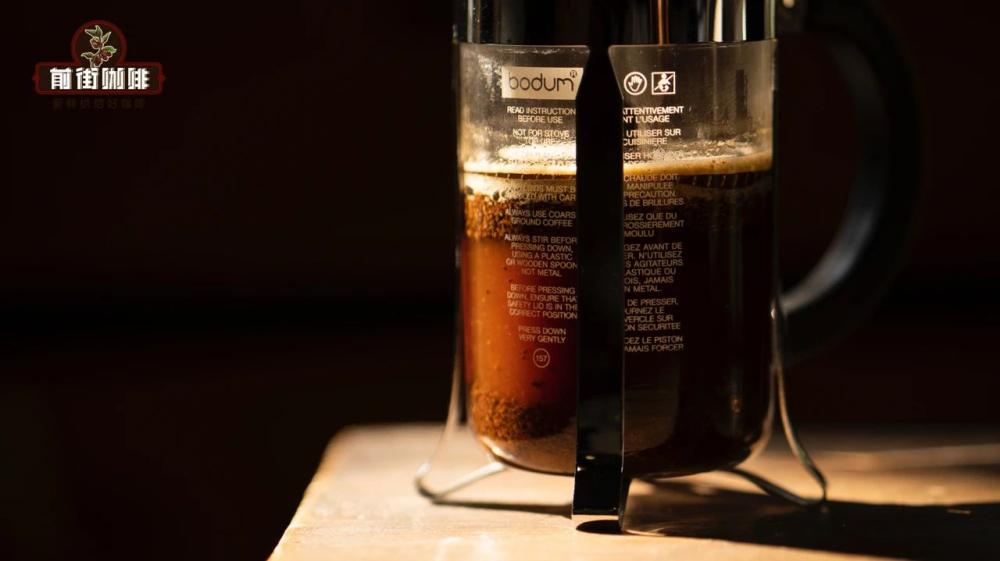
However, the French press also has its limitations. Because it uses a metal filter, it cannot completely filter out fine coffee particles, so the brewed coffee may contain some fine sediment. It also tends to highlight the flaws of the coffee beans themselves, such as off-flavors or uneven roasting. For this reason, the quality and freshness of the coffee beans used with a French press are relatively higher requirements. It’s recommended to choose medium to dark roasted beans to achieve richer aroma and flavor profiles.
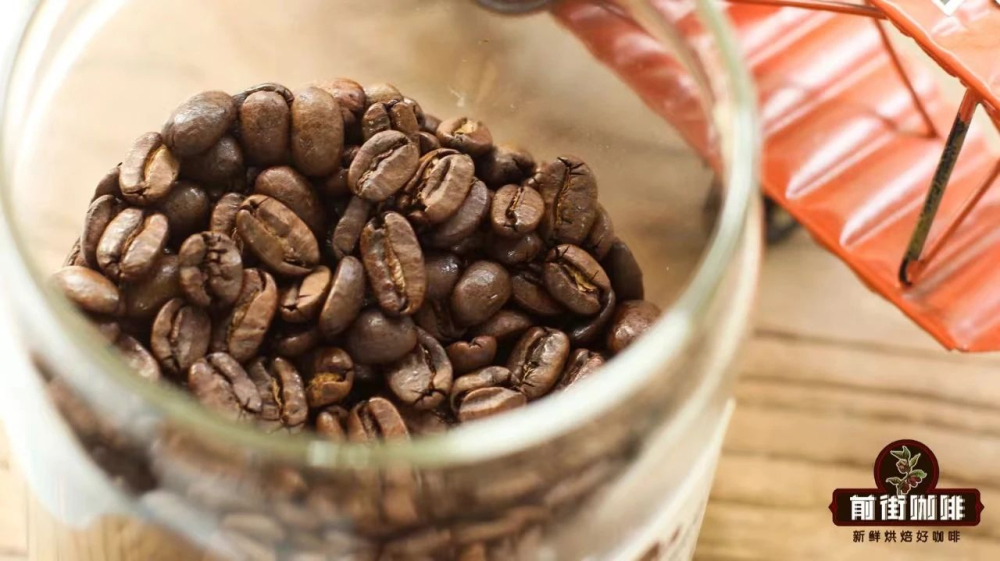
When selecting coffee beans, it’s recommended to choosemedium roast or darkeroptions, such as Indonesian Mandheling, Central and South American blends, or beans with chocolate, nut, and caramel flavor notes. These beans complement the characteristics of the French press and can brew a rich and balanced coffee experience. If you’re a beginner, you can start with acoffee-to-water ratio of 1:14 to 1:18and make slight adjustments based on your personal taste preferences.
The first step in using a French press is to prepare the basic brewing tools, including the French press itself, a grinder, a pour over kettle, a thermometer, an electronic scale, a timer, and your favorite coffee beans. It’s recommended to use acoarse grind, roughly the same coarseness as sugar or brown sugar. A grind that’s too fine can lead to over-extraction, resulting in bitter or gritty flavors, while a grind that’s too coarse may cause under-extraction, leading to weak flavors.
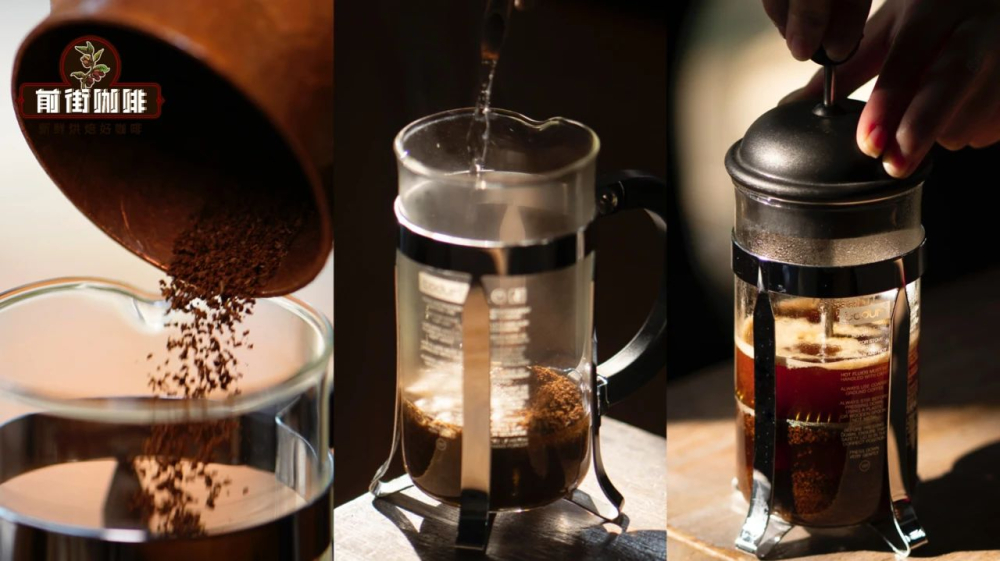
The standard French press brewing process is as follows: First, weigh about20 grams of coffee beans, and control the water temperature between85°C and 95°C. For light roasts, it’s recommended to use a slightly higher water temperature to bring out the aroma, while for dark roasts, you can lower the temperature to avoid excessive bitterness. Next, pour the ground coffee into the pot and slowly add hot water. It’s recommended to use acoffee-to-water ratio of 1:15, which is about 300 milliliters of water. If your French press has volume markings, you can add water according to the scale; if not, it’s recommended to use a scale to ensure accuracy.
When pouring the water, you can use a circular motion from the center outward to evenly saturate all the coffee grounds. After pouring, it’s recommended to gently stir once to ensure all the coffee grounds are fully in contact with the water and to initiate the extraction process. Then, cover the pot with the lid butdo not press the filter down immediately. Let it steep for about4 minutes. This duration can be slightly adjusted according to personal taste, but it should not be too short or too long, as either can negatively affect the balance of flavors.
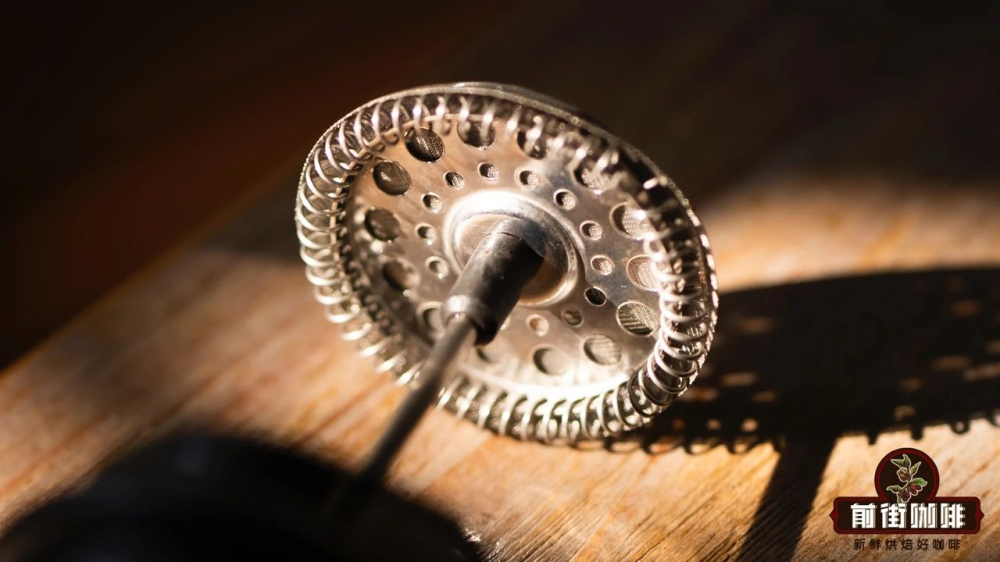
When the time is up, gently press the plunger down to the bottom at a steady speed. Be careful not to go too fast, as this may cause fine particles to pass through the filter and into the coffee, affecting the taste. Once pressed to the bottom, it’s recommended to pour the coffee out as soon as possible to avoid over-extraction from the remaining coffee grounds continuing to steep. When pouring, tilt the pot slowly to minimize the resuspension of settled coffee grounds, which could affect the flavor of the final sip.
In summary, the French press is a very user-friendly and easy-to-master coffee brewing tool. Not only does it showcase the richness and layers of coffee, but its low barrier to entry also makes it ideal for daily use at home or in the office. As long as you master the key parameters ofgrind size, water temperature, coffee-to-water ratio, and steeping time, you can consistently brew a satisfying cup of coffee tailored to your personal taste.
The above content is compiled by CoffeeHunters, a coffee news website.


