







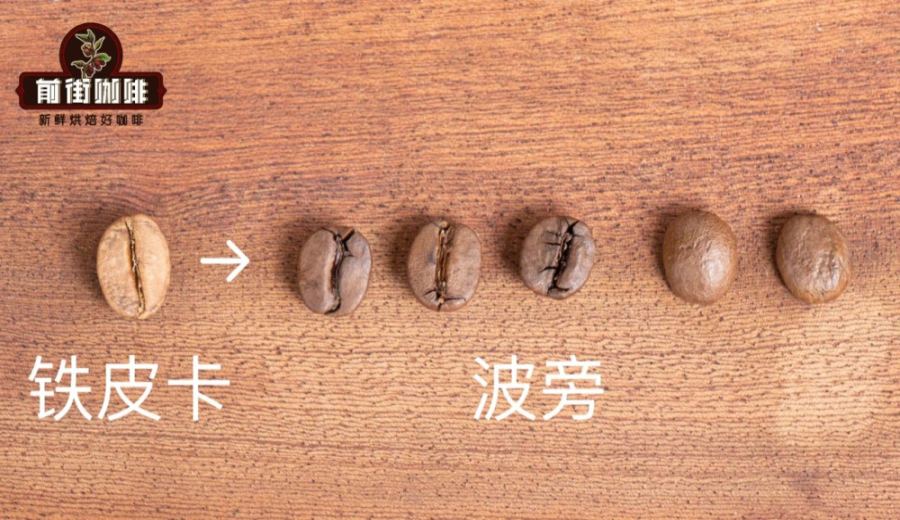
Introduction:As a classic coffee variety in history, Bourbon and its mutated peel color branches—red, yellow, and pink—have long intrigued coffee enthusiasts. This article delves into the origins and varietal diversification of the Bourbon family, exploring the causes and cultivation characteristics of Red Bourbon, Yellow Bourbon, and Pink Bourbon. Taking Yellow Bourbon from Brazil’s Queen Estate as an example, it reveals the sources of its nutty, creamy, and chocolatey flavor notes. The article concludes with practical pour over parameters and a three-stage pouring technique to help you easily replicate professional-grade flavors.
When it comes to coffee varieties, Typica and Bourbon are undoubtedly two of the most foundational. Compared to other varieties that gain attention for their flavor, yield, or price, Bourbon is often more memorable due to the color variations of its coffee cherries—such as Red Bourbon, Yellow Bourbon, and Pink Bourbon. These color differences not only affect appearance but are also closely linked to harvest timing, processing methods, and ultimately the final flavor. This article will start with the historical background of Bourbon, analyze the characteristics of its different color variants, and explore the allure of nutty, chocolatey, and creamy profiles through the actual flavor expressions of Brazil’s Yellow Bourbon and South Minas Red Bourbon. Finally, it provides hands-on pour over recommendations for medium-dark roasted Queen Estate Yellow Bourbon, enabling you to brew professional-grade coffee at home.
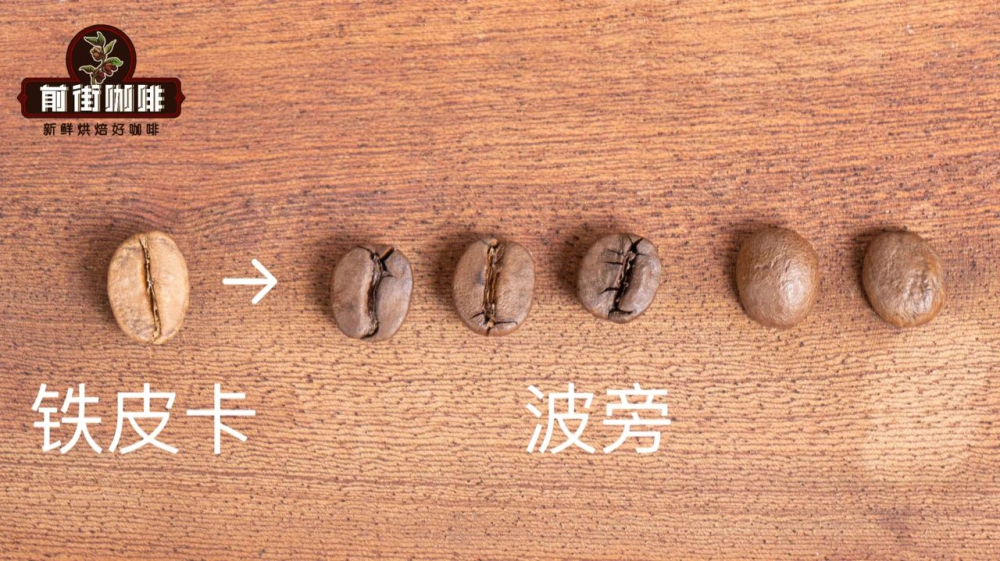
The history of the Bourbon variety dates back to the 18th century, when the French introduced Yemeni round-seeded coffee to Réunion Island, then known as Bourbon Island—hence the name of the variety. The variety gradually adapted to the local environment but did not begin to spread widely until the mid-19th century. Around 1860, Bourbon was introduced to Brazil and quickly took root across Central and South American countries, becoming an important cultivar in many producing regions. To this day, Bourbon remains a classic choice for many specialty coffee farms.
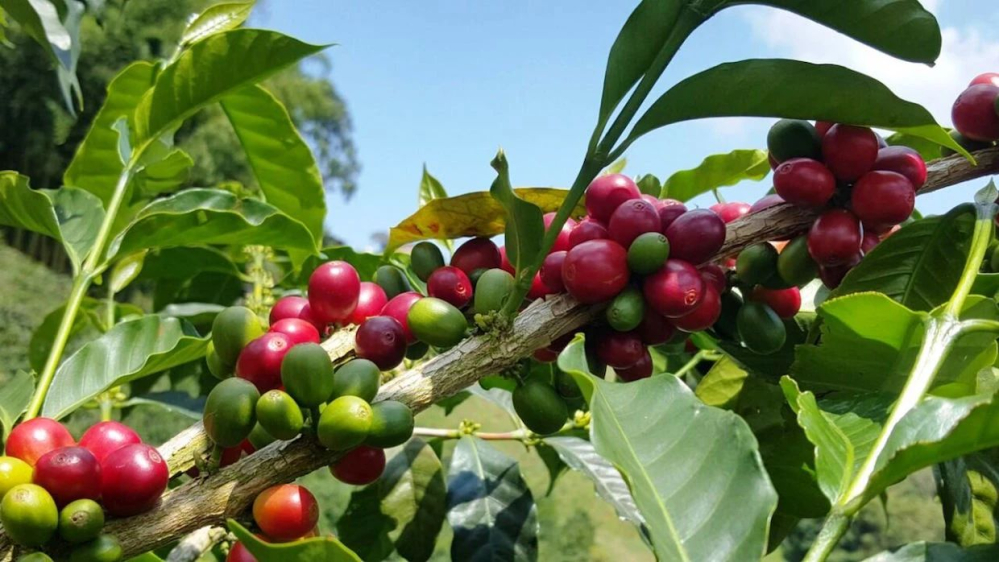
Among the Bourbon family, the most eye-catching are its diverse cherry peel colors, including the common Red Bourbon, Yellow Bourbon, and the rarer Pink Bourbon. Generally, coffee cherries transition from green to yellow, orange, and finally red as they ripen, and may turn purplish-black if overripe. Red Bourbon earns its name from the red color of its ripe cherries and is the most widely planted type. Yellow Bourbon typically results from a cross between Red Bourbon and other varieties, with its cherries turning yellow upon ripening. It was first discovered and cultivated in Brazil, but due to lower yields and sensitivity to wind and rain, its cultivation area is relatively limited.
As for Pink Bourbon, it is an even rarer member of the Bourbon family, being a hybrid offspring of Red Bourbon and Yellow Bourbon. Since the pink coloration is controlled by recessive genes, it is highly susceptible to environmental and genetic interference, making plants that consistently maintain a pink appearance extremely rare. This rarity also makes Pink Bourbon very uncommon in the market.
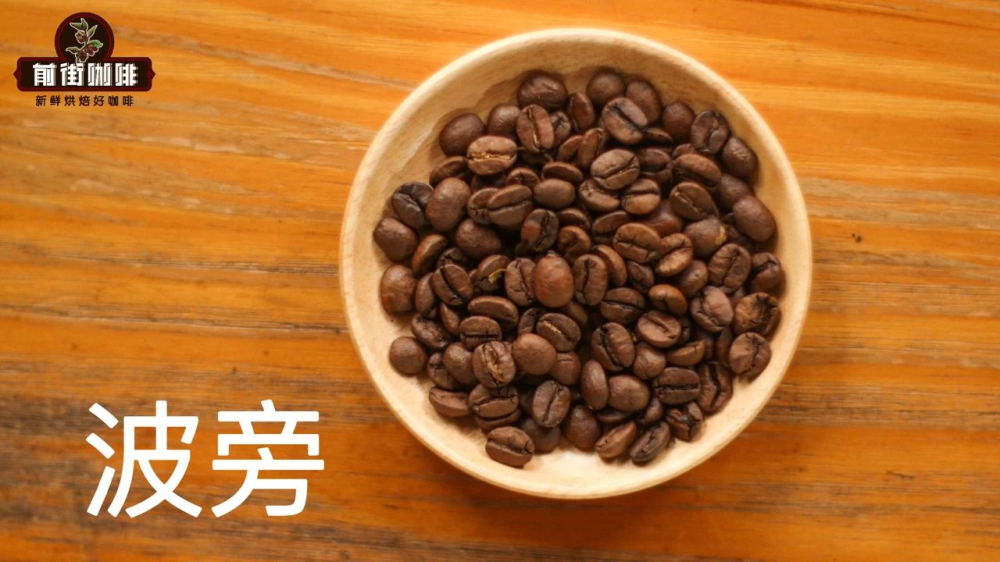
When discussing the flavor characteristics of the Bourbon series, Brazil is undoubtedly a highly representative producing region. Although Bourbon was once widely planted across Central and South America, its resistance to pests and diseases is relatively weak, and its yield cannot compare to later-developed varieties such as Caturra. As a result, it has gradually been replaced by other more disease-resistant and high-yielding varieties. However, the Bourbon series remains valued for its unique cup profile, particularly its common nutty, creamy, and chocolatey notes, which are beloved by coffee enthusiasts.
Take Yellow Bourbon from Brazil’s Queen Estate as an example—this coffee, processed using the natural method, exhibits a distinct nutty base and a creamy, smooth mouthfeel. Meanwhile, a Red Bourbon grown in a certain South Minas region, processed via the honey method, showcases nutty and chocolatey aromas with a captivating caramel sweetness in the aftertaste. These two Brazilian Bourbons not only highlight the foundational flavors of the variety but also reflect how different processing methods and regional microclimates influence the final cup.
To recreate the classic flavors of Queen Estate Yellow Bourbon at home through pour over, it is recommended to opt for a medium-dark roast to enhance its chocolatey and full-bodied characteristics. For equipment, consider a KONO filter cone with a slower flow rate. Its smooth upper curve and bottom guide ribs covering about one-third of the length effectively restrict upward airflow, directing hot water downward for concentrated extraction, creating an extraction effect similar to a siphon. This helps fully release the aromatic compounds within the coffee grounds.
In terms of grind size, since medium-dark roasted beans have a looser structure, grinding too finely can lead to over-extraction, resulting in woody or harsh bitter notes. Therefore, it is advisable to adjust the grind to a medium-coarse level, with a reference of approximately 70% passing through a Chinese standard No. 20 sieve, balancing flavor extraction while avoiding the release of unwanted impurities.
Water temperature is recommended to be controlled between 87–88°C. Compared to the higher temperatures required for medium-light roasts, medium-dark roasts have already undergone a longer caramelization process, and excessively high water temperatures can lead to over-extraction, amplifying bitterness and astringency. Slightly lowering the water temperature helps to highlight sweetness and a fuller body.
It is suggested to use 15 grams of coffee grounds with a 1:15 coffee-to-water ratio, aiming for a total extraction volume of about 200 milliliters, suitable for 1 to 2 people. Begin with approximately 30 milliliters of water for a 30-second bloom to awaken the coffee grounds. Then, pour with a fine stream in a circular motion from the center outward until reaching 125 grams for the first pour. Once the coffee bed descends to the middle of the filter cone, continue pouring with the same fine stream up to 225 grams for the second pour. Finally, allow the dripping to finish. The entire process takes about 2 minutes, fully showcasing the coffee’s multi-layered flavors.
The brewed Queen Estate Yellow Bourbon offers bright aromas of lemon, nuts, and peanuts. On the palate, it presents rich notes of nuts, dark chocolate, and caramel, with a pronounced sweetness and a creamy-smooth mouthfeel. The overall profile is well-rounded with clear layering, making it an excellent choice for experiencing the flavors of Brazilian Bourbon.
The above content is compiled by CoffeeHunters, a coffee news website.


