








Introduction:Due to its convenience, speed, and portability, drip bag coffee has become a new favorite in the busy lives of modern people. But do you know its origins? This article delves into the historical development of drip bag coffee, its fundamental differences from instant coffee, and why it is only suitable for single use. It also provides recommendations on the optimal water temperature and volume for 10 grams of coffee grounds, analyzes the flavor characteristics of different regions and processing methods, and offers a practical drip brewing procedure to help you consistently brew a cup of black coffee with outstanding flavor.
In today’s fast-paced life, drip bag coffee has become the top choice for many coffee enthusiasts due to its simple operation and consistent flavor. However, questions still linger for many about its origins, suitable brewing methods, and even how much water to use for a 10-gram pack of coffee grounds. This article will start with the origins of drip bag coffee, analyze its fundamental differences from instant coffee, explain in detail why multiple infusions are not recommended, and guide you through how to choose the right drip bag product, as well as the complete brewing process, so you can easily master this convenient and delicious form of coffee.
The concept of drip bag coffee originated in Japan and was developed and launched by the renowned coffee brand UCC Ueshima Coffee. Its design was inspired by pour over coffee, but through the innovative structure of the drip bag filter, users can quickly brew a cup of coffee close to pour over quality without complicated equipment, either at home or in the office. This design is especially suited to the needs of modern people who value efficiency but do not want to sacrifice flavor, and thus it quickly gained market acclaim after its launch and remains widely popular to this day.
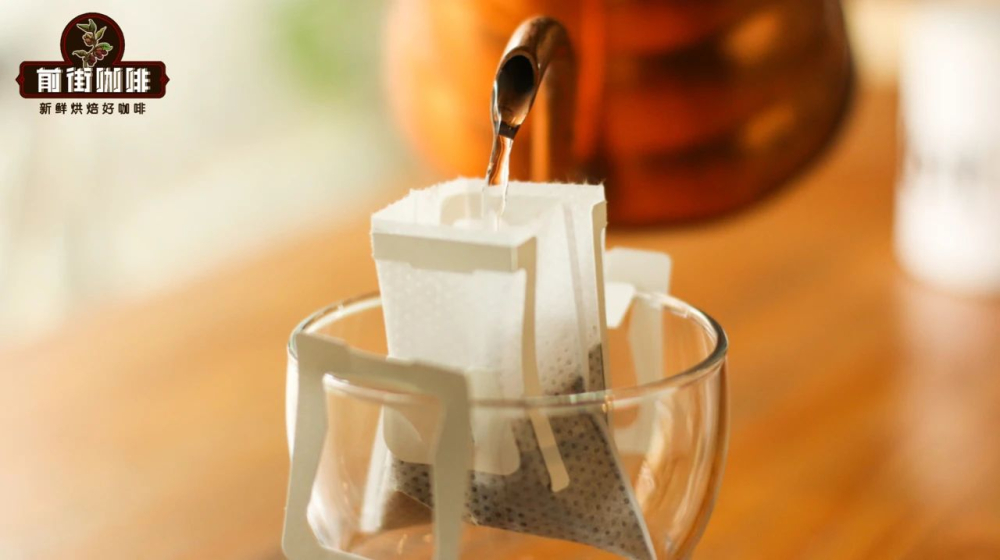
Regarding whether drip bag coffee can be brewed multiple times, the answer is usually no. The coffee grounds in each drip bag can effectively extract only about 3% of its flavor compounds, and the remaining components are difficult to release even if the brewing time is extended. If you attempt a second or third brew, not only will the flavor be extremely weak, but prolonged steeping may also lead to over-extraction, releasing excessive caffeine and astringent compounds, making the coffee bitter and unpleasant to drink. Generally, a 10-gram pack of drip bag coffee is recommended for only a single brew to fully experience its optimal flavor expression.
Many people confuse drip bag coffee with instant coffee, but in reality, the two differ greatly in production principles and flavor. Instant coffee is made by concentrating and drying coffee liquid into powder, which, although convenient to brew, cannot present the multi-layered flavors of real coffee. In contrast, drip bag coffee uses freshly roasted coffee beans ground into powder, and is brewed through drip filtration, preserving more of the coffee's original aroma and layers, with a taste that is richer and more authentic.
To choose a drip bag coffee that suits your taste, the key lies in your flavor preference and the freshness of the coffee beans. First, check the roasting date on the packaging, rather than the expiration date, because coffee flavor naturally declines over time. It is recommended to prioritize products roasted within 2 to 4 weeks for the best flavor performance. Additionally, many drip bag products, depending on their origin and processing method, showcase diverse flavor profiles. For example, Ethiopian Yirgacheffe often features bright lemon and citrus notes, Panamanian Geisha may exhibit floral and honey sweetness, while Indonesian Mandheling is known for its rich low acidity, with spicy and earthy undertones.
The processing method of the coffee beans also significantly impacts the flavor. Common methods include natural (sun-dried), washed, and honey processes. The natural process enhances sweetness and fruity notes — for example, Brazilian Yellow Bourbon is often processed this way, yielding strong chocolate and nutty tones. The washed process typically results in a cleaner coffee flavor, with Yirgacheffe being a representative, often showcasing lemon and jasmine floral notes. The honey process falls between natural and washed, highlighting sweetness, such as Costa Rica’s grapefruit honey-processed beans, which often have distinct caramel and fruit aromas. These processing differences are also reflected in the overall performance of drip bag coffee and serve as an important reference when making a selection.
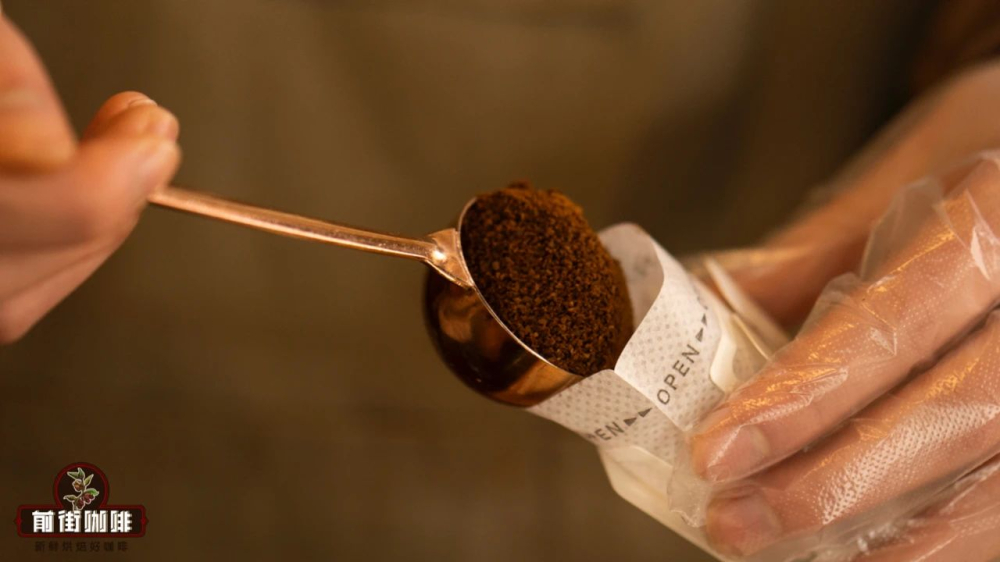
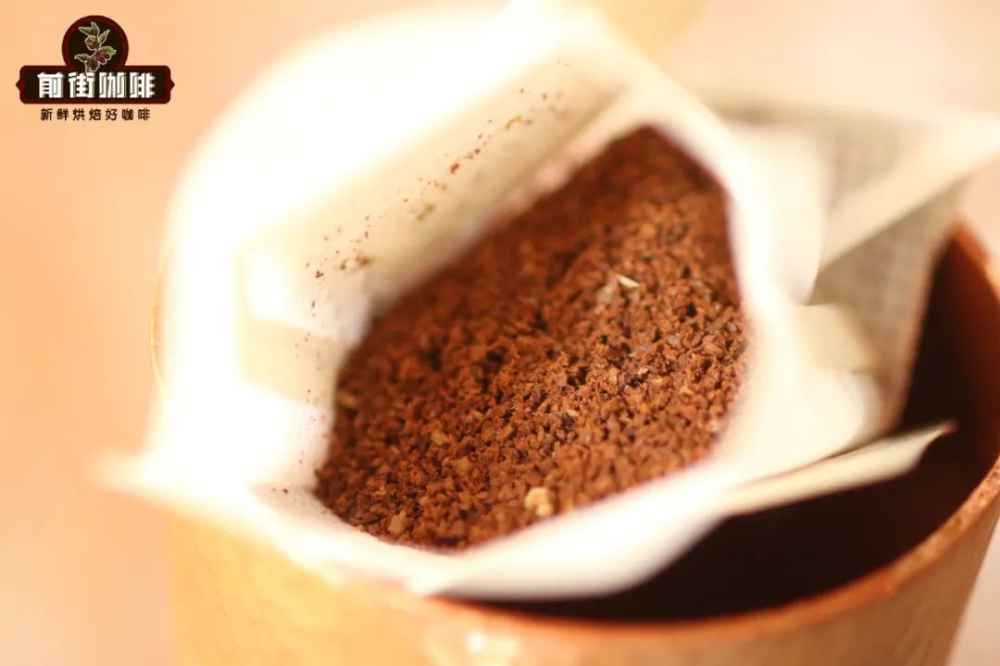
Brewing drip bag coffee may seem simple, but there are quite a few details to pay attention to in order to consistently extract captivating coffee flavors. First, it is recommended to use medium-fine ground coffee — too coarse will lead to under-extraction and a flavor as light as water, while too fine can cause over-extraction, resulting in bitterness and off-flavors. As for water temperature, light-roasted beans are recommended to use 90–92°C, while dark-roasted beans suit around 88°C, to balance flavor release and avoid burnt bitterness.
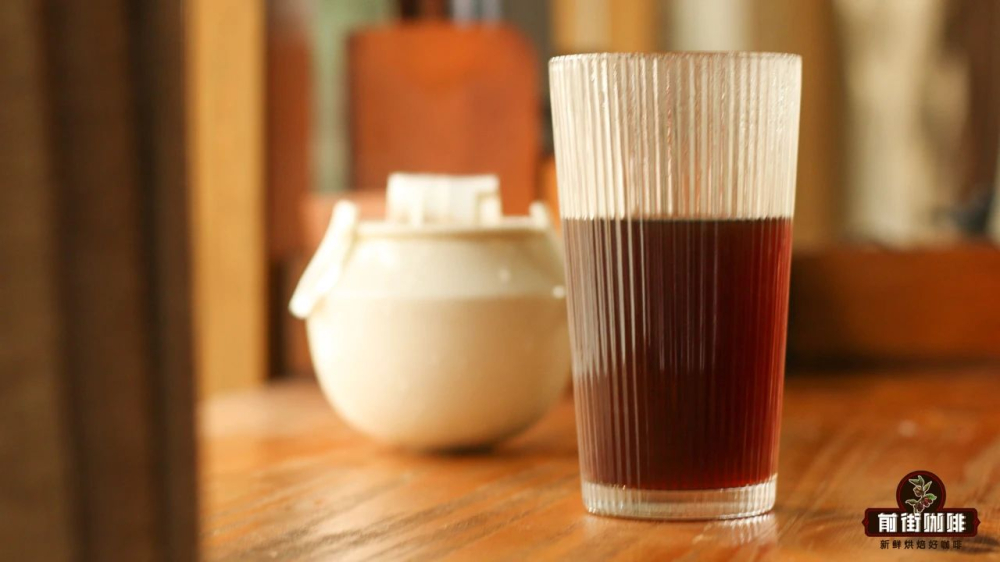
The standard drip bag brewing process can be divided into the following steps: First is preheating the cup by pouring hot water into it, which helps maintain the coffee’s temperature and flavor. Then, let freshly boiled water sit for 1–2 minutes until it cools to approximately 90°C before using. After opening the drip bag, gently shake the coffee grounds to avoid clumping, then hang the drip bag frame on the edge of the cup. The first step is pre-wetting — pour just enough water to saturate the coffee grounds, let it sit for 20 seconds to allow the grounds to fully absorb water and expand. This stage can be extended to 40 seconds to enhance richness. Next, begin the main pouring. It is recommended to control the total water volume between 150–180cc, using a thin, steady stream to evenly pour until the filter paper is about 80% full, continuing until extraction is complete. Finally, remove the filter bag, and enjoy a cup of aromatic, full-flavored drip bag black coffee.
The above content is compiled by CoffeeHunters, a coffee news website.


