








Introduction:An in-depth exploration of the unique charm of Kenyan coffee — from the flavor differences across six renowned growing regions, the characteristics of SL28 and SL34 varieties, to the classic K72 washed processing method, as well as practical three-stage pour over brewing parameters. This guide will help you master the key elements of brewing Kenyan beans. It also provides an actual brewing recipe and flavor profile for the “Little Tomato” representative lot from the Thika region, perfect for coffee enthusiasts looking to refine their pour over skills with Kenyan beans.
Kenya and Ethiopia are both important representatives of premium African coffee, but they exhibit clear differences in flavor profiles. Ethiopian beans often showcase bright, floral, and fruity notes, whereas Kenyan coffee is known for its bold acidity and rich, juice-like mouthfeel — especially that distinctly layered berry acidity that often reminds one of fresh little tomatoes. However, defining Kenyan beans solely by a “little tomato flavor” would be overly simplistic. In truth, the essence of Kenyan coffee lies in its lush fruit pulp texture and clean finish. Its acidity structure is tight and focused, and different regions, due to variations in altitude, microclimate, and processing methods, each present their own unique personalities.

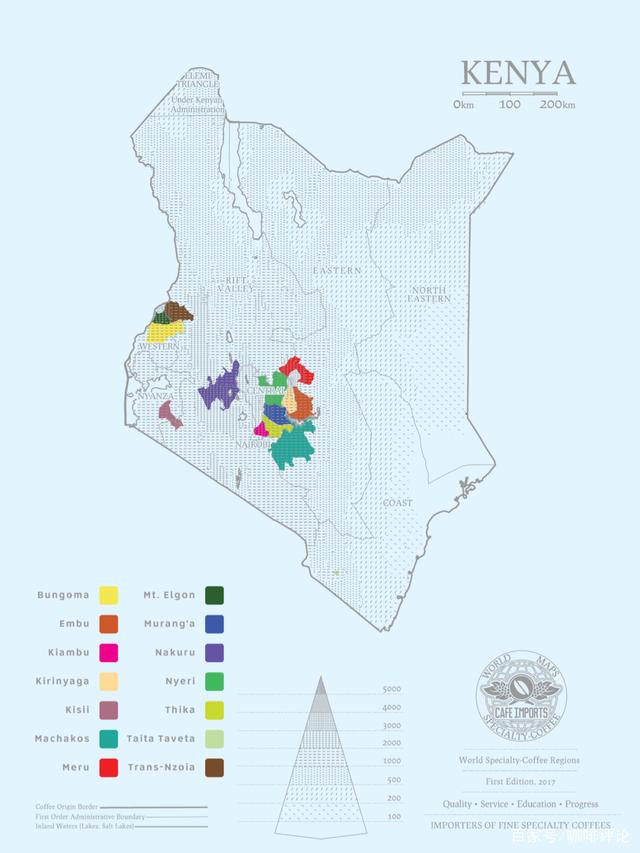
Located in East Africa, Kenya is crossed by the equator, and its terrain is predominantly highland, with most of the country sitting at elevations above 1500 meters. The climate is influenced by tropical monsoons, resulting in distinct wet and dry seasons rather than strictly defined four seasons. The mild and stable highlands, combined with volcanic soils rich in minerals, provide an ideal environment for coffee cultivation. Kenya’s coffee-growing regions are mainly concentrated in the central and western parts of the country, among which the six most representative areas are Thika, Kirinyaga, Mt. Kenya West, Nyeri, Kiambu, and Muranga. Coffee from these regions is typically harvested twice a year: during the main season from October to December and the secondary season from June to August. Among them, Thika and Kirinyaga are key areas that best showcase the essence of Kenyan coffee flavors.
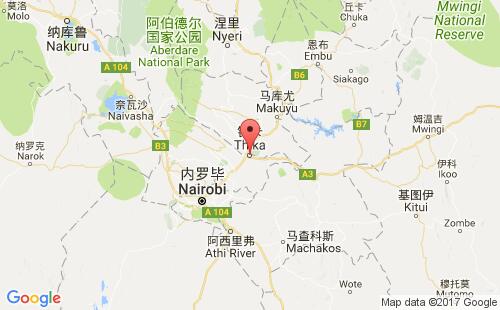
Thika is located near Kenya’s capital, Nairobi. Though known as an industrial town, it is surrounded by rich agricultural zones and natural waterfalls. The area has around 2,000 coffee farmers, with a planting history dating back to the late 19th century. Coffee was initially introduced from northern Ethiopia, and after long-term local cultivation and selection, the main varieties grown today are SL28 and SL34, accounting for about 90% of production, along with small amounts of traditional cultivars such as Bourbon, Kent, and Typica. The altitude ranges approximately between 1550 and 1750 meters, and the soil is rich red volcanic earth with abundant organic matter. This contributes to the region’s coffee’s bright acidity, robust cherry tomato aroma, and honey-like sweet finish. Notably, some parts of Thika lie at the foothills of the Aberdare Ridge, sharing the same high-altitude premium zone as Kirinyaga, which results in coffee with even more layered and three-dimensional flavors.
When discussing Kenyan coffee varieties, one cannot overlook the two legendary cultivars: SL28 and SL34. These genetic variants were developed in the 1930s by Kenya’s Scott Laboratories through rigorous selection and breeding, with the goal of creating varieties that could thrive at high altitudes while delivering exceptional cup quality. SL34 has a mixed lineage of French Mission, Bourbon, and Typica. Its distinctive copper-colored leaves and pea-shaped beans are notable features. When brewed, it often exhibits outstanding sweetness, balance, and a complex, multifaceted flavor profile — particularly the layered acidity of citrus and dark plum, which is a classic impression for many coffee lovers. SL28 is renowned for its intense berry acidity and delicate mouthfeel, and it has later been adopted by some farms in Central America, even becoming part of the recipe for COE-winning lots in Costa Rica. Although both varieties have relatively weak resistance to coffee leaf rust, their outstanding flavor performance has made them the mainstay of high-quality Kenyan coffee to this day.
Another standout feature of Kenyan coffee is its unique “K72 washed processing method.” This process emphasizes low-temperature, long-duration fermentation to highlight the coffee’s cleanliness and fullness of flavor. The specific steps are as follows: on the day of harvest, only the ripest coffee cherries are selected. After depulping, the first 24-hour fermentation takes place, followed by a thorough rinse with clean river water. Then, a second 24-hour fermentation and rinse are carried out, and this cycle is repeated three times in total, accumulating 72 hours of fermentation — hence the name K72. Compared to standard washed processing, the K72 method, through multiple fermentations and rinses, effectively reduces interference from impurities, while allowing the coffee beans to slowly release flavor compounds in a low-temperature environment. The final brewed coffee often features brighter acidity, clearer fruit aromas, and a long-lasting sweet aftertaste.
Once you’ve grasped the flavor potential of Kenyan coffee, how can you fully express its characteristics through pour over techniques? The key lies in four core parameters: water temperature, grind size, brew ratio, and brewing technique. First, water temperature — adjusting according to roast level is the fundamental principle. For medium-light roasted Kenyan beans, a water temperature of 90–91°C is recommended to fully extract acidity and fruitiness while avoiding over-extraction and unwanted off-flavors; for medium-dark roasts, the temperature can be lowered to 88°C to balance body and clarity. As for grind size, it is advised to test the passing rate using a standard #20 sieve (with a hole diameter of 0.85mm), aiming for a target of 70–75% (i.e., 10g of coffee grounds yields 7–7.5g of fine particles), which corresponds to the typical grind settings for pour over: 80% for light roasts and 75% for medium-dark roasts. If the passing rate is too high (grounds too fine), it may lead to over-extraction and bitterness; conversely, under-extraction may result in thin, underwhelming flavors.
Brew ratio is a direct factor influencing intensity. Practical tests show that 1:15 (e.g., 15g of coffee to 225g of water) is the most stable golden ratio, capable of presenting clear flavor layers without being overly diluted or intense. Those who prefer a stronger cup can fine-tune to 1:14, while those favoring a lighter profile may opt for 1:16. Finally, brewing technique: for Kenyan beans, which are typically medium-light to medium-dark roasted, the three-stage pour over method is the most recommended entry-level approach. This technique allows for segmented control of water flow and timing, clearly distinguishing the front, middle, and back-end flavors of the coffee and avoiding over-concentration in any single extraction phase.
In practice, it is suggested to use a V60 dripper (which helps enhance flavor clarity). The baseline parameters are: 91°C water temperature, 15g of coffee, 1:15 brew ratio, and a medium-light roast grind setting (70–80% passing rate). Step one is the bloom: wet the filter paper to ensure it adheres to the dripper, add the coffee grounds, and pour 30g of water. Let it sit for 30 seconds. This step aims to release the carbon dioxide trapped in the beans after roasting, ensuring smooth water flow afterward and preventing uneven extraction. After the bloom, move on to the second pour: pour water in small circles from the center of the coffee bed until the total water volume reaches 125g, keeping the circle about the size of a one-yuan coin and avoiding direct impact on the edge of the filter. The third pour begins when the coffee bed has descended to about half the height of the dripper, continuing until the total water volume reaches 225g. Throughout, observe the speed of water level drop and the distribution of bubbles, adjusting the pouring rhythm as needed to ensure even agitation of coffee particles. The overall extraction time should be controlled to around 2 minutes. After brewing, gently swirl the coffee before pouring it into your cup for tasting.
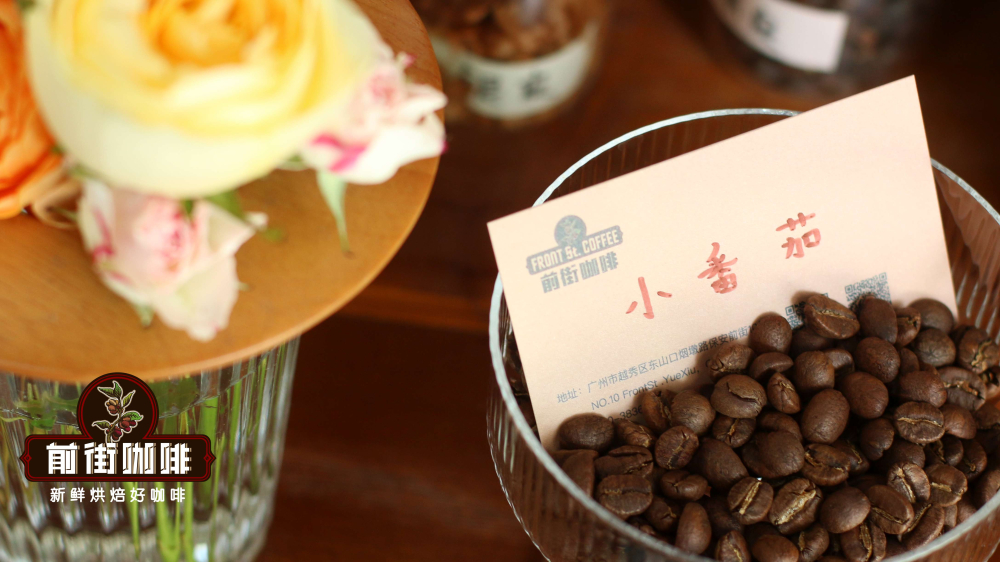
Take the “Little Tomato” from the Thika region as an example. This medium-light roasted bean, made from SL34 and SL28 varieties and processed via the K72 method, often presents aromas of ripe tomato and floral notes when dry. When hot, the cup offers a mellow sweetness reminiscent of caramel and brown sugar. As it cools slightly, bright notes of cherry tomato and dark plum acidity emerge. The acidity is lively and clean, with no off-flavors. The mid-palate is rich in juicy character, and the finish carries a lasting honey-like sweetness. To achieve the best flavor expression, it is recommended to choose freshly roasted beans within five days of roasting, and allow the beans to rest for 4–7 days post-roast (after degassing stabilizes, the flavors are most complete). If purchasing coffee powder, it is advised to grind and brew immediately, as ground coffee oxidizes quickly and flavors deteriorate rapidly.
The above content is compiled by CoffeeHunters, a coffee news website.


