







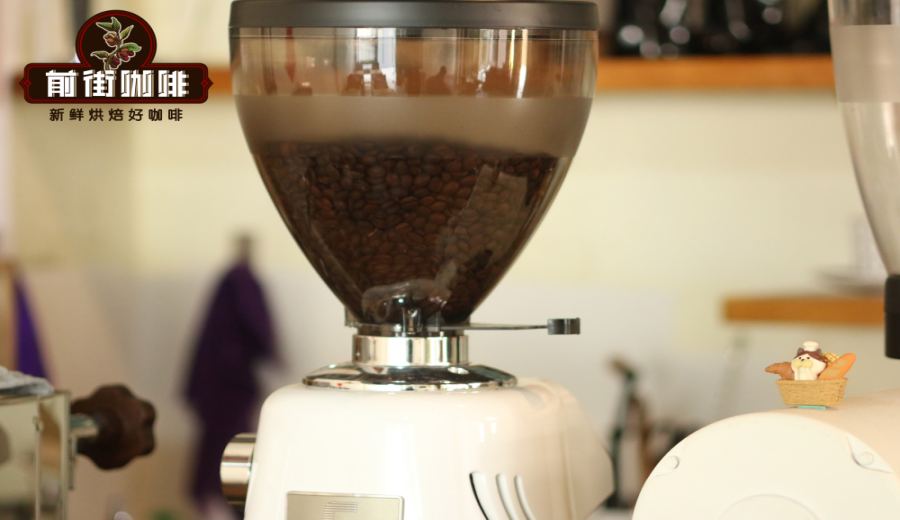
Introduction:The grind size for espresso is extremely fine, and even the slightest deviation can lead to extraction failure, affecting the overall flavor. This article will guide you on how to find the optimal grind setting by adjusting the fineness of the grind, flow rate, and extraction time, and explain why relying solely on sieve calibration isn’t enough. We’ll also provide practical operational tips to help you advance from a beginner to consistently brewing balanced and expressive espresso.
In the world of coffee extraction, grind size control is crucial, especially for espresso. Compared to pour over or cold brew, espresso generally requires a much finer grind, often adjusted in increments as small as 0.1 on a grinder. Yet this tiny change can transform a cup from overly sour or bitter to well-balanced and smooth.
So how do you determine if your grind setting is appropriate? First, it’s important to understand that espresso is extracted under high pressure in a short period of time. This magnifies every characteristic of the beans—the good flavors and the flaws alike—making them more pronounced. As a result, the requirements for grind uniformity and fineness are far higher than with other brewing methods.
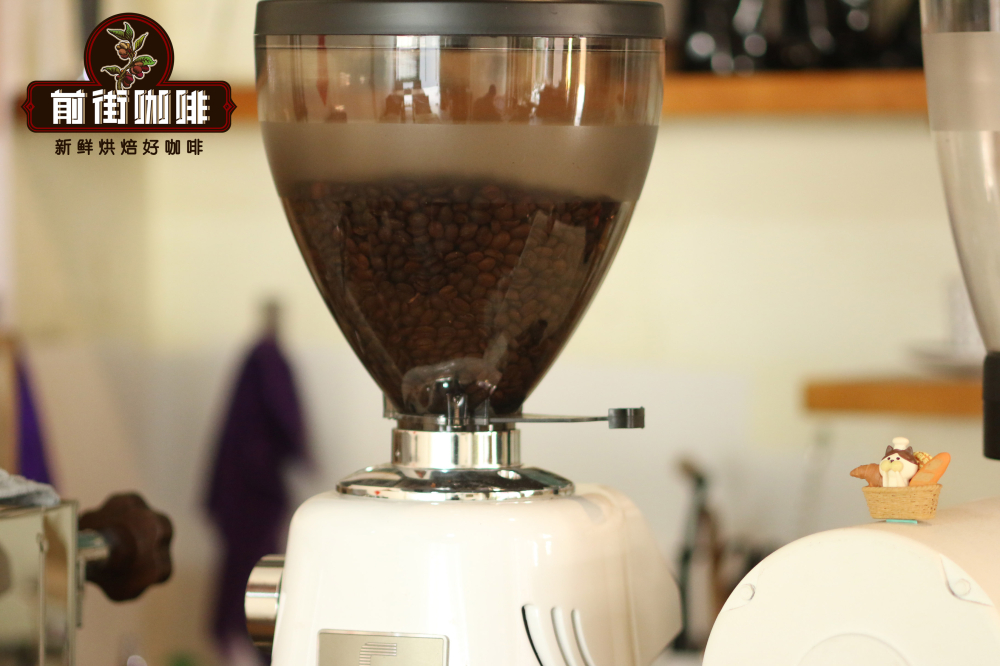
Generally speaking, espresso coffee grounds are finer than table salt, and it’s very difficult to judge their fineness accurately with the naked eye, and almost impossible to calibrate using traditional sieves. When the grind is too fine, water passes through more slowly, which can lead to over-extraction, resulting in a coffee that tastes overly bitter or burnt. Conversely, if the grind is too coarse, water flows too quickly, leading to under-extraction and a coffee that tastes sour or thin. Sometimes, just a 0.1 adjustment can completely alter the final flavor profile.
Therefore, in practice, we usually determine the optimal grind range by observing the extraction flow rate and tasting the coffee. This requires constant experimentation and observation rather than blindly following fixed formulas.
Of course, selecting the right coffee beans is also half the battle. The roast level and origin characteristics of the beans directly affect the suitable grind size and extraction parameters. If you want to recreate the rich flavors commonly found in café espresso at home, you can choose a dark roasted blend, which typically contains beans from origins like Brazil, Indonesia, or Vietnam, offering notes of caramel, chocolate, and nuts—ideal for making Americano or latte. If you prefer an espresso with prominent fruity notes, consider medium-roasted beans, commonly found in honey-processed coffees from Costa Rica or Ethiopia. These tend to have a brighter flavor, softer acidity, and a syrupy or red berry-like finish.
So how do you initially determine a suitable grind size? It’s recommended that when using a new bean for the first time, you try grinding a small amount at different settings. The goal is to achieve coffee grounds with a fine, powdery texture, similar to flour, without any noticeable grittiness. This level of fineness is usually close to the grind range needed for espresso.
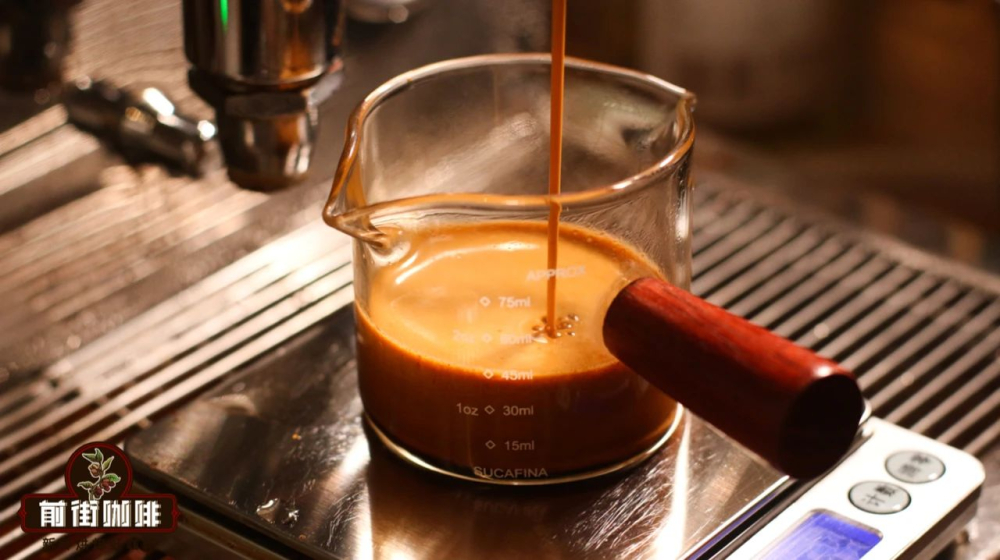
Next, you can apply common espresso extraction ratios, such as a 1:2 coffee-to-water ratio—that is, extracting about 2 grams of coffee liquid for every 1 gram of coffee grounds. The extraction time should be controlled between 25 to 30 seconds. For example, if your portafilter basket has a capacity of 20 grams, your target would be to extract 40 grams of coffee liquid. If the extraction time is less than 20 seconds, it usually indicates the flow rate is too fast, and the grind may be too coarse. If it exceeds 35 seconds, the grind may be too fine, causing water to struggle to pass through.
When you notice the flow rate is too fast, it means water is spending too little time in the coffee bed, and the flavors haven’t been fully released. The resulting coffee may taste weak or overly sour. In this case, gradually adjust the grind to a finer setting. If the difference from the ideal time is not significant, adjust by 0.2 steps each time. If the gap is larger, you can adjust by 0.5 to 1 step to narrow down the range. After each adjustment, observe changes in extraction time and flavor to gradually lock in the best range.
On the other hand, if the flow rate is too slow, it means the grind is too fine, and water cannot flow smoothly through the coffee bed. This not only extends the extraction time but may also lead to over-extraction, resulting in obvious bitterness or astringency. In this situation, you should adjust the grind to a coarser setting. Again, make small adjustments and observe the impact of each change on the extraction.
However, it’s important to remember that finding the right grind setting isn’t just about following the standard process of a 1:2 coffee-to-water ratio and a 25–30 second extraction time. These values are merely reference points to help you quickly locate a general range. The real key lies in observing the actual performance of the coffee—including flow rate, crema, aroma, and taste.
If you find that your espresso has an overly strong burnt or bitter taste but the concentration is normal, it might be due to over-extraction time. You could consider slightly coarsening the grind. If the crema color is pale or lacks fluidity, it may indicate over-extraction in the latter stage—try reducing the yield, for example, by adjusting the coffee-to-water ratio to 1:1.5 to 1:1.7. If the coffee flavor is rich but the aftertaste is lacking, you might consider slightly extending the extraction time and increasing the ratio to 1:2.5 to achieve a fuller flavor expression.
In summary, adjusting the grind setting shouldn’t be limited to rigid formulas. Instead, it should be flexibly adapted based on the actual results of extraction. Keeping a record of the parameters used and the corresponding flavor outcomes can help you better understand the characteristics of the beans, avoid repeating mistakes, and more efficiently find the optimal settings that suit your personal taste.
The above content is compiled by CoffeeHunters, a coffee news website.


