







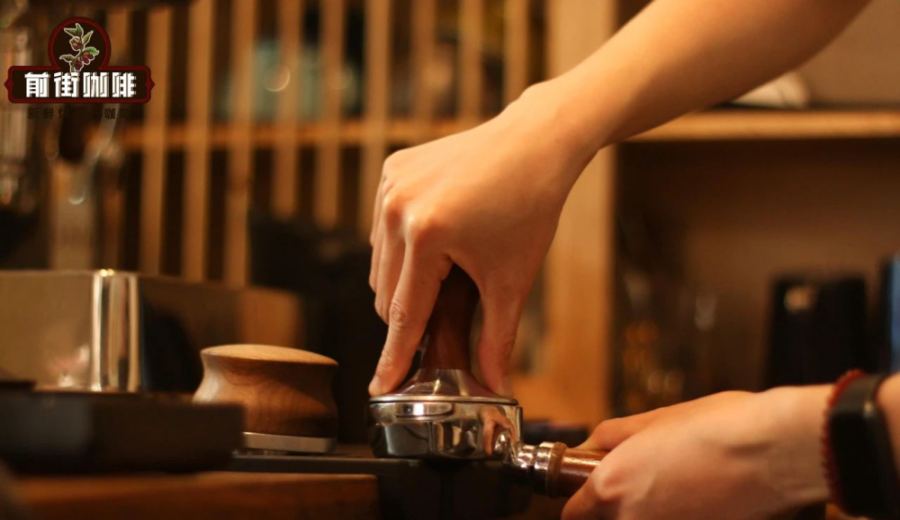
Introduction:Tamping is one of the key steps that affect the evenness of espresso extraction. Choosing the right tamper and mastering the correct technique can significantly enhance the taste of your coffee. This article delves into how differences in tamper size, material design impact price and performance, and clarifies the fundamental differences between French press brewing and espresso tamping. It also provides practical brewing parameters and flavor profiles for a well-known brand's strawberry candy coffee beans when used in a French press, helping coffee enthusiasts master the craft from beginner to advanced levels.
When making a high-quality espresso, the tamping step may seem simple, but it is a crucial factor affecting extraction results. By using a tamper to evenly compress the ground coffee, not only does it allow hot water to steadily penetrate the coffee puck, but it also ensures balanced flavor and a smooth mouthfeel in every sip. This article will detail the operating principles of tampers, their size and material variations, and debunk common misconceptions — such as whether a French press is equivalent to espresso tamping. We’ll also share specific usage methods and flavor characteristics of a popular brand's strawberry candy coffee beans when brewed in a French press, allowing you to grasp everything from equipment selection to brewing details in one go.
The primary function of a tamper is to compress and level the coffee bed. When the coffee grounds are evenly compressed, water can penetrate more smoothly, reducing channeling effects and leading to more consistent extraction. If the coffee bed is loose, water tends to flow through certain areas, resulting in over-extraction in some parts and under-extraction in others, which leads to an imbalanced flavor. In addition, a solid coffee puck can withstand the high pressure generated by the espresso machine (typically 9 bar), preventing it from breaking apart and thus maintaining the integrity and richness of the taste.
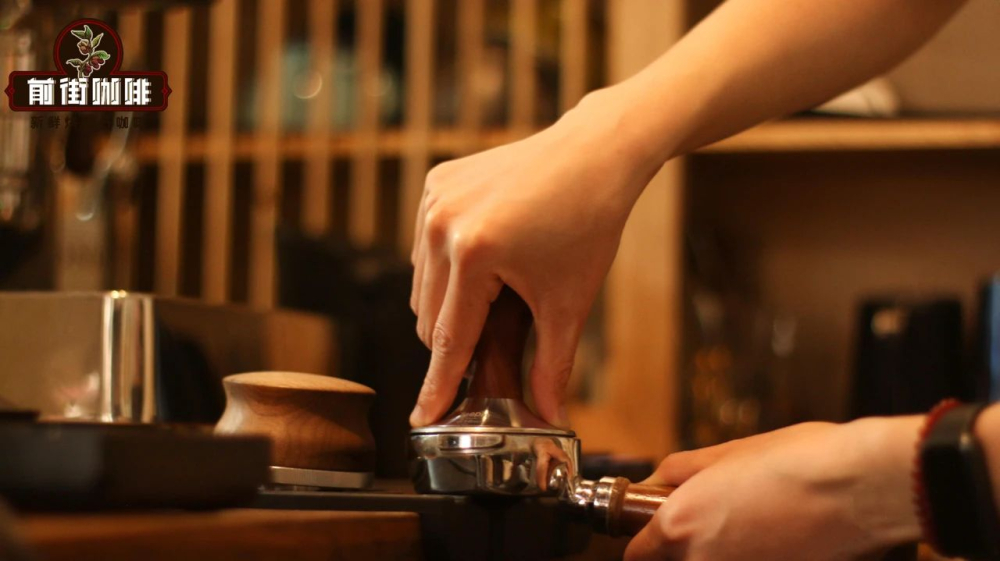
Tamper specifications vary, with the most common size being 58mm — the standard diameter of portafilter baskets in most commercial espresso machines. However, tampers can generally be divided into two categories: small-sized (approximately 49mm to 53mm) and large-sized (approximately 57.5mm to 58.5mm). The difference mainly stems from the designs of home and commercial espresso machines. Since different brands of espresso machines may use slightly varying basket sizes, some tampers offer more precise size options to ensure a perfect fit. It’s worth noting that tampers come in both two-piece and one-piece designs, and the base can have different shapes such as flat or convex. These design differences not only affect the feel during use but also reflect in the product pricing, which can range from a few dozen yuan to over a hundred or even three hundred yuan.
Beyond size and structure, the material of the tamper also affects its performance and price. Common materials include aluminum alloy, stainless steel, copper, and premium ceramics. Metal materials are usually heavier, which helps with stable pressure application, while stainless steel and copper products are often more durable and aesthetically pleasing. Additionally, some high-end tampers feature special surface treatments, such as anti-slip textures or matte finishes, to improve stability and comfort during use. Of course, these detailed design elements are also directly reflected in the final retail price.
Many beginners often mistakenly assume that any tool with the word “press” in its name operates similarly. In reality, using a French press is completely different from tamping for espresso. A French press is an immersion brewing tool, and its operation is very straightforward: add coarsely ground coffee to the pot, pour in hot water, let it steep for a few minutes, then press down the filter and enjoy. Because its brewing principle relies on immersion and gravity filtration, the coffee grounds used in a French press are usually coarser than those for pour over, to avoid over-extraction. For example, taking a well-known brand's strawberry candy coffee beans as an example, it’s recommended to grind them to a sugar-like coarseness and steep for about 4 minutes. The final brew will showcase prominent rose floral notes, paired with citrus, grape, and strawberry fruit tones, resulting in a refreshing and layered flavor profile.
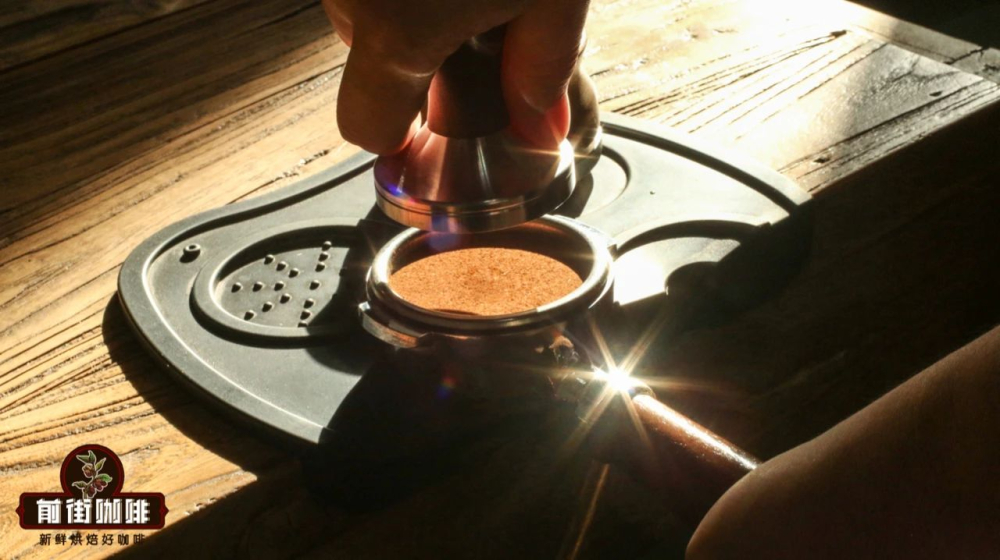
In summary, whether you’re choosing the right tamper for your espresso machine or understanding the correct grind size and brewing time for a French press, these details directly influence the final flavor of your coffee. A tamper is not just a tool — it’s an important bridge between the barista and the espresso machine. Mastering the correct tamping technique and understanding how different tools work will help you consistently produce satisfying coffee flavors with every brew.
The above content is compiled by CoffeeHunters, a coffee news website.


