








Introduction:The Morning Light Estate in the Tarrazú region of Costa Rica is renowned for its meticulous management and eco-friendly practices. This article delves into an in-depth analysis of its Red Honey-processed Catuaí—covering the estate’s geography, varietal characteristics, honey processing details, cupping flavor profiles, and practical brewing tips—to help you master this high-altitude specialty bean with outstanding sweetness.
In the world of specialty coffee, sweetness is one of the key indicators for scoring and sensory experience. With its diverse honey processing techniques, Costa Rica has successfully crafted coffees with clear, lasting, and layered sweet aromas. Today, we’re introducing a Red Honey-processed Catuaí from the Morning Light Estate (Café Sol Naciente) in Costa Rica’s Tarrazú region. Through a detailed exploration of its growing region, varietal traits, and processing methods, we’ll take you on a comprehensive journey to understand this medium-to-high altitude specialty coffee rich in flavor.

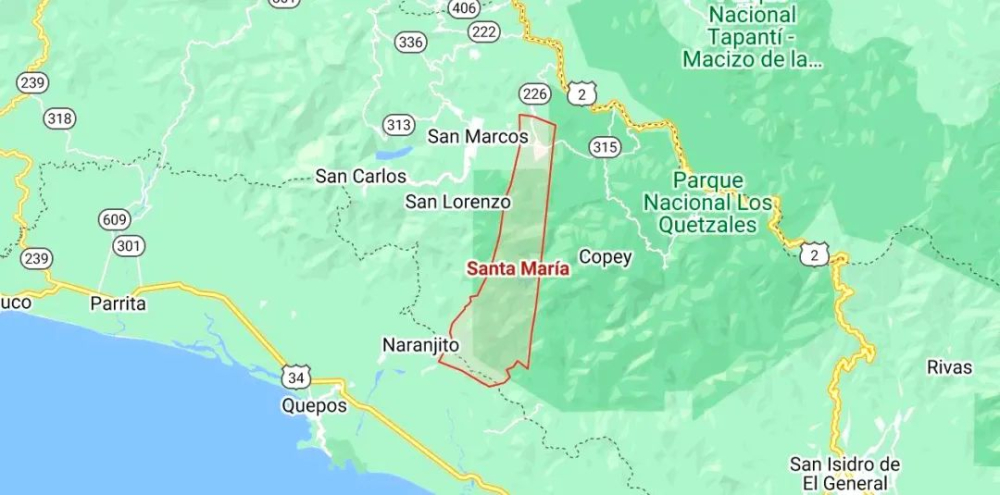
The Morning Light Estate is located in Santa María de Dota, within the renowned Tarrazú region, at an elevation of1750 metersand just about 40 kilometers from the capital, San José. The area enjoys a cool and stable climate, surrounded by dense primary forests that create a favorable microclimate. The estate spans approximately7 hectares, of which6 hectares are dedicated to coffee cultivation,half a hectare is a protected ecological zone, and some areas are reserved for post-harvest processing and drying. The surrounding Los Santos Biological Corridor serves as a vital habitat for diverse flora and fauna, further enhancing the ecological value of this coffee farm.
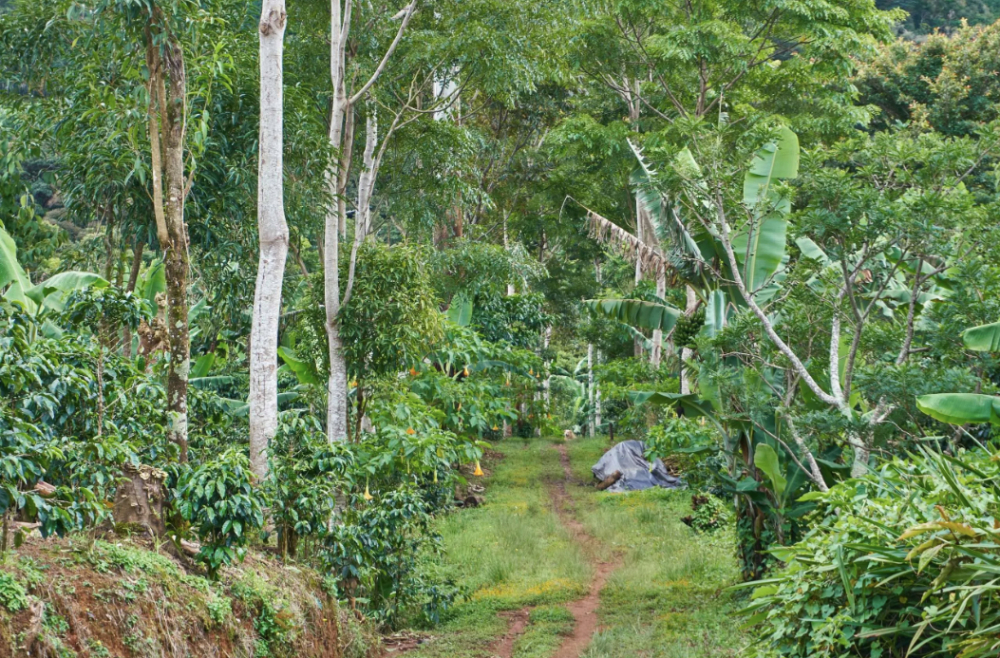
The Tarrazú region is known for producing coffees with high acidity, full body, and distinct sweetness. It benefits year-round from the warm, moist airflows of the Pacific Ocean, with an average annual temperature of about19°C[temperature value missing], and annual rainfall reaching up to2400 millimeters, making it highly suitable for coffee trees grown at elevations between1500 and 2100 meters. Surrounded by pristine greenbelts, the Morning Light Estate not only boasts rich biodiversity but also provides an ideal environment for coffee fruit development, often frequented by rare small animals.
Founded in1990, the Morning Light Estate was transformed from a former pastureland into a coffee plantation after being purchased by Arturo Bonilla and Xinia Martínez. It is now managed jointly by the family. The estate owners are committed to implementingmicro-lot precision management, selecting the most suitable processing methods based on the soil and microclimate characteristics of different plots to produce traceable, high-quality coffees with unique flavors. In 2015, they officially established the “Morning Light” Eco-Micro Processing Station, with the core brand values centered around sunrise, coffee, and nature, reflecting their dedication to sustainable agriculture.
The Red Honey-processed Catuaí introduced here is one of the estate’s flagship varieties. Catuaí is a hybrid variety developed in1972by the Agricultural Research Institute of São Paulo State (IAC) in Brazil, with parentage from Yellow Caturra and Mundo Novo. Mundo Novo itself is a natural cross between the heritage varieties Bourbon and Typica. Catuaí combines the compact tree size, good acidity, and sun tolerance of Caturra, along with Mundo Novo’s high yield and strong disease resistance—making it particularly suited to harsh weather conditions such as heavy rain or strong winds. As a result, it is widely cultivated across Central American countries.
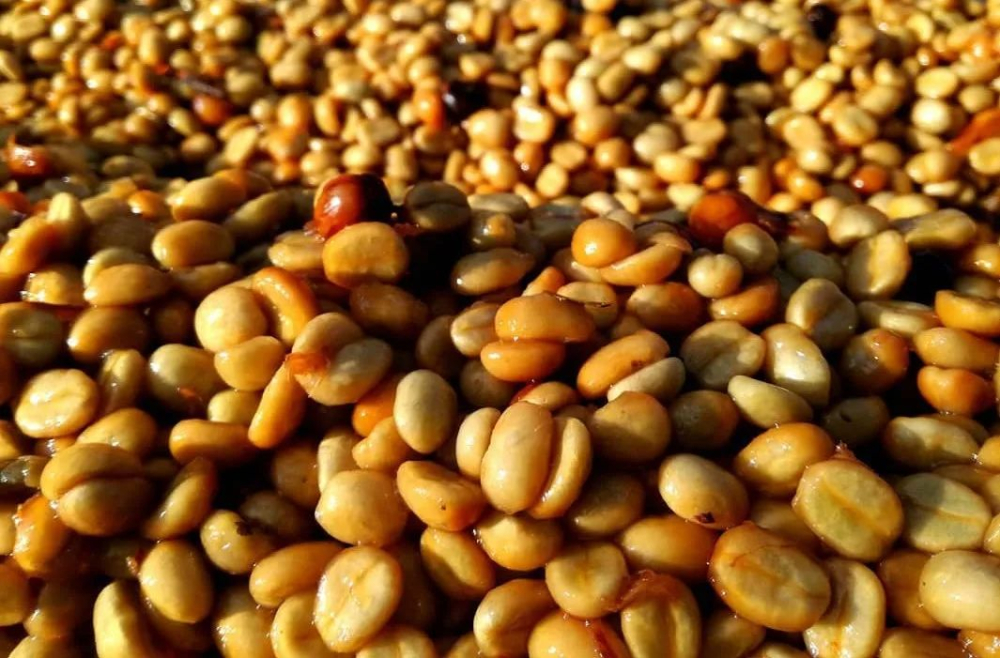
Honey processing is a method that falls between washed and natural processing, with the key being the retention of varying levels of mucilage (fruit pulp).Red Honey processingtypically retains50% to 80%of the mucilage and involves frequent turning during sun drying to control fermentation and drying rates. Compared to Yellow Honey (which usually retains 20–30% mucilage), Red Honey preserves more sweet compounds, requires about12 daysof drying, and needs to be turned multiple times daily to prevent over-fermentation or mold. This method imparts intense fruity aromas, rich sweetness, and soft fermented notes while maintaining a clean flavor background.
To fully highlight the honey-like and fruity profiles of this Morning Light Estate Red Honey Catuaí, it is recommended to use amedium-light roast, which preserves the sweetness brought by caramelization reactions while emphasizing layered acidity and aroma. During cupping, the dry fragrance reveals distinctorange, dried fruit, and creamy sweet notes, accompanied by softpink floral tones, hazelnut, and subtle fermentation nuances. As hot water is poured, the aromas evolve further intohoney and toffeesweetness.
When sipped, the high-temperature stage showcases complex fruit flavors such asred floral notes, grape, prune, and apricot, with bright and refreshing acidity. As the temperature slightly drops,citrus aromas and subtle black tea undertonesemerge gradually, resulting in a clean, balanced mouthfeel with a long-lasting sweet aftertaste—perfectly suited for coffee lovers who enjoy a blend of fruity and sweet characteristics.
The above content is compiled by CoffeeHunters, a coffee news website.


