







Introduction:Want to understand the charm of Colombian Huila coffee beans? This article provides an in-depth analysis of the region’s geographical environment, washed processing methods, and bean grading system, along with expert pour over recommendations and precise parameters to help you master brewing techniques. Whether you're a coffee beginner or enthusiast, you’ll discover the nutty aroma and bright acidity of Huila coffee and find a brewing style that suits you.
For many newcomers to specialty coffee, choosing a coffee bean that is both flavorful and representative can be a challenge. Among the many coffee-growing regions, Colombia’s Huila stands out for its consistent and outstanding performance, making it an ideal starting point for those exploring Latin American flavors. This article offers a comprehensive breakdown of the characteristics and brewing tips of Colombian Huila coffee beans, covering everything from regional environment and processing methods to bean grades and practical pour over advice.
Huila Province in Colombia is located in the southern section of the country’s Central Cordillera and boasts exceptionally favorable geographical conditions, making it one of the country’s important specialty coffee-producing regions. The area features undulating mountains, with most plantations situated at elevations above 1,500 meters. The climate is cool and stable, with significant day-night temperature variations, coupled with fertile volcanic soil and abundant rainfall—all providing an ideal growing environment for Arabica coffee.
According to data from the Colombian Coffee Growers Federation (FNC), the Huila region accounts for approximately 18% of the country’s total annual coffee production and officially received official Denomination of Origin certification in 2013. Coffee from this region is often known for its balanced flavor profile, bright fruit acidity, and rich nutty aroma. Many lots have even earned recognition in the international Cup of Excellence competition, representing some of the highest-quality coffee produced locally.
Unlike Brazil, where large-scale farm production dominates, coffee in Colombia is primarily produced by small farms, with an average cultivation area of only about 1.5 hectares. During harvest season, local farmers mostly pick coffee cherries by hand, selecting only fully ripe ones to ensure fruit quality, and quickly transport them to processing facilities to maintain optimal freshness and flavor.
In terms of processing methods, although the market has seen the rise of many innovative techniques, most producers in the Huila region still prefer the traditional washed process. This method not only effectively reduces the proportion of defective beans but also helps highlight the coffee’s pure flavor and high cleanliness. During processing, farmers typically use their own Ecomill or Eco-Pulper equipment to first remove the skin and pulp, then wash away most of the mucilage with a small amount of water. The parchment beans are then left to ferment overnight to allow residual mucilage to break down naturally, before being rinsed with clean water and dried in the sun until reaching the appropriate moisture content.
Colombia’s coffee grading system is mainly based on green bean size and quality indicators. The commonly used sieve system is based on mesh size (i.e., hole diameter), where higher numbers indicate larger beans. Common export grades include UGQ, EP, and Supremo, but in practice, most Colombian coffee exported globally is uniformly labeled as Excelso grade. The Excelso grade specifies that over 50% of the green beans in every 500 grams must be larger than 15 mesh, with a maximum of 5% allowed between 12 and 14 mesh, no more than 24 total defect points, and a moisture content controlled below 12.5%.
The naming convention for Colombian coffee beans typically follows the format “country + region + grade + other information.” For example, the Huila everyday coffee beans sold are labeled as Colombia Huila Supremo SC17/18 FNC, clearly indicating the region and sieve grade.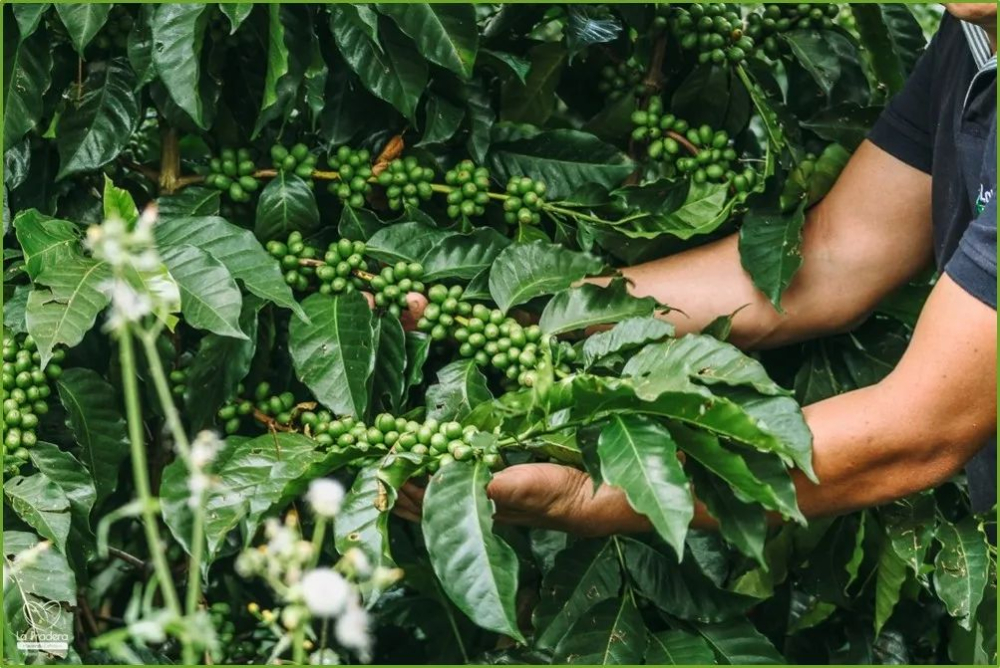
For brewing Huila washed beans, a medium-dark roast is recommended to fully showcase its nutty character and moderate acidity. When developing brewing suggestions, cupping results are used as a basis to ensure the bean’s most authentic and balanced flavor profile is presented. It’s especially important to note that the freshness of the coffee beans after roasting greatly impacts flavor expression, so it’s advised to choose beans roasted within five days for the best tasting experience.
Practical pour over recommendations are as follows: Use a KONO filter, with water temperature controlled at 88°C, a brew ratio set at 1:15, a coffee dose of 15 grams, and grind size around EK43s setting 10.5 (equivalent to 75% passing rate through a standard 20-mesh sieve). Begin with a 30-second bloom using twice the coffee dose in water, followed by pouring in a small stream in a circular motion from the inner circle outward. Pause briefly when the first pour reaches 125 grams; after the bed settles, continue pouring to 225 grams to complete extraction, with a total brew time of approximately 2 minutes.
The brewed Huila coffee delivers a distinct taste of chocolate, nuts, and caramel-like roasty aromas, with a full-bodied and smooth mouthfeel. The finish carries a moderate sweetness and clean acidity. As the temperature slightly cools, more delicate and pleasant layers of fruit acidity can be appreciated. It’s a versatile specialty coffee bean with rich flavor complexity, perfect for everyday enjoyment.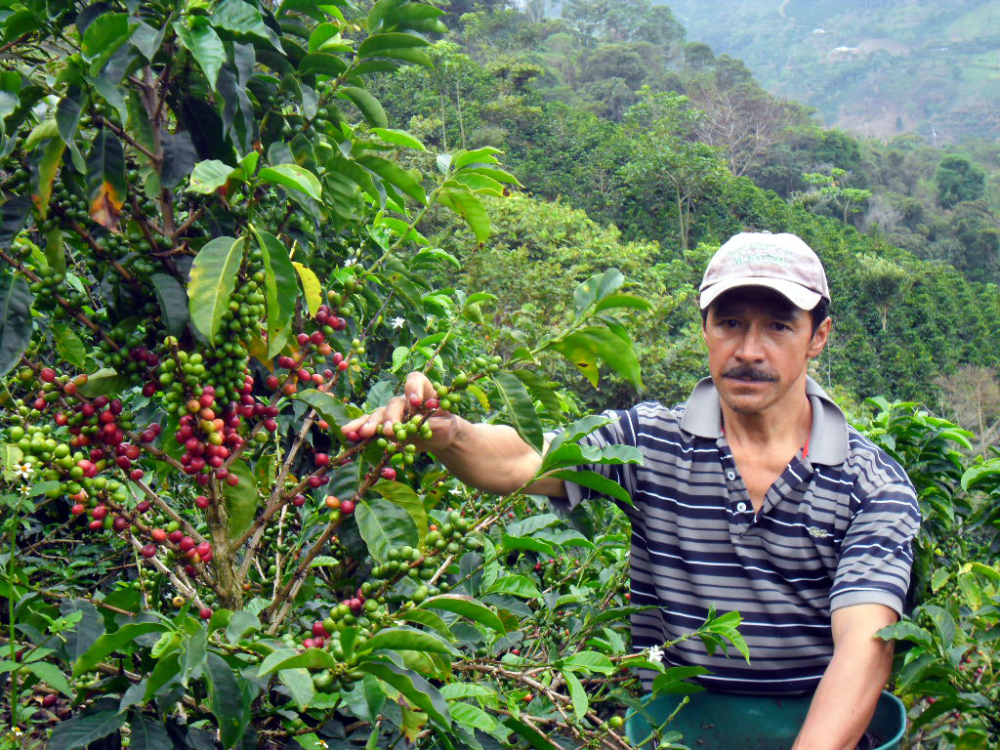
The above content is compiled by CoffeeHunters, a coffee news website.


