







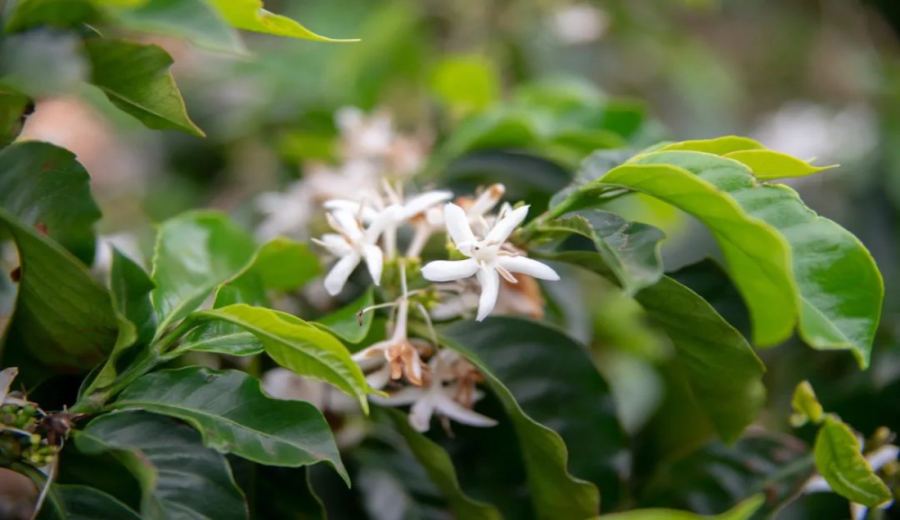
Introduction:In 2004, a coffee bean variety named Geisha (瑰夏) won the top prize at the Best of Panama (BOP) coffee competition in Panama, forever altering the landscape of specialty coffee. But why does it also have the Chinese translation “藝妓” (geisha, meaning “geisha” or “courtesan”)? How did it travel from the highlands of Ethiopia to Panama, and eventually rise as a symbol of top-tier coffee? This article will delve into the varietal origins of Geisha, its journey to fame, and offer practical pour over parameters along with flavor descriptions to help you better understand this highly acclaimed coffee bean.
At the 2004 Best of Panama (BOP) competition, an initially obscure coffee variety scored astonishingly high and claimed the top spot—not only breaking the competition’s record but also sparking a wave of enthusiasm across the global specialty coffee scene. That coffee is none other than the now widely known Geisha (瑰夏). However, many people upon first encounter often wonder: why is it also called “藝妓咖啡” (geisha coffee)? These two seemingly unrelated names actually refer to the same coffee variety. This article will take you through its historical background, varietal development, naming origins, its rise in Panama, as well as brewing tips and flavor profiles suitable for beginners.
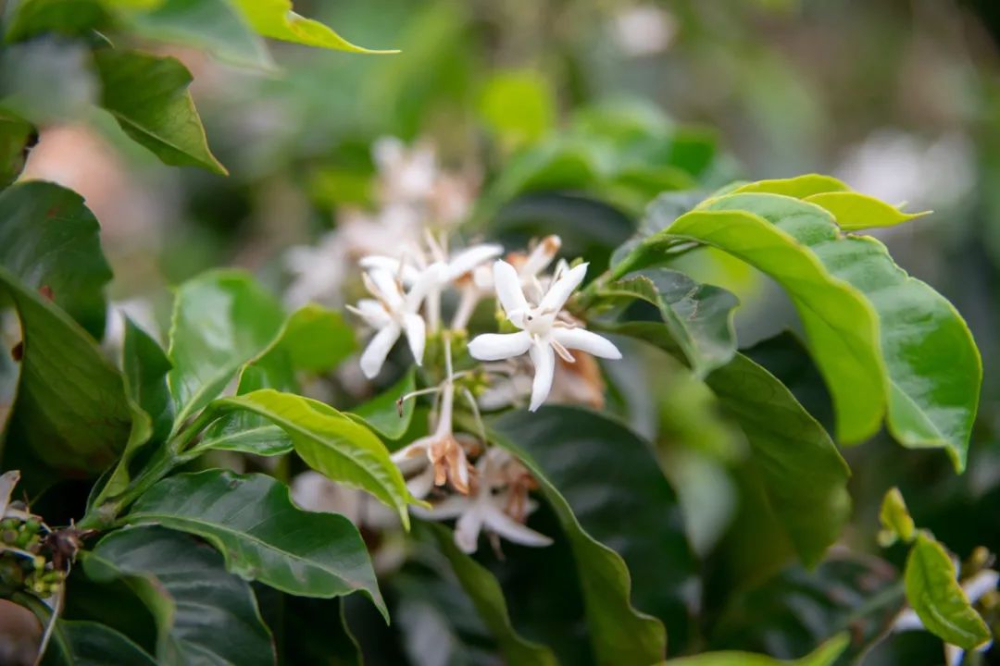
Going back to 2004, when Geisha stood out at the BOP competition and claimed the championship with an unprecedentedly high score in the specialty coffee world at that time, it not only shot the variety to instant fame but also became a focal point in subsequent coffee competitions and auctions. It repeatedly fetched astronomical auction prices and became a benchmark that many baristas aspired to challenge. The most captivating aspects of Geisha lie in its unique floral aroma, citrusy profile, and tea-like mouthfeel—delivering a clean and layered cup that distinguishes it from many other specialty coffees, making it a highly sought-after choice among coffee enthusiasts.
However, as many begin to explore this coffee more deeply, they often encounter an interesting phenomenon—it is referred to not only as “瑰夏” (Geisha), but also commonly as “藝妓咖啡” (Geisha coffee). These two Chinese translations stem from different cultural backgrounds and linguistic misunderstandings. It is understood that when this variety was first encountered in Japan, due to the similarity between the original name “Gesha” and the Japanese word “藝者” (げいしゃ, meaning performer or entertainer), it was mistakenly translated as “藝妓” (geisha, meaning “courtesan”). This mistranslation later spread to Taiwan. The more elegant name “瑰夏,” on the other hand, was coined by a person surnamed Yuan from China’s Qianka Dream Raw Bean Company, aiming to emphasize that it has no connection whatsoever with Japanese geisha culture, and to bestow upon it a more poetic and culturally respectful designation.
The reason for recommending the use of “瑰夏” instead of “藝妓” is not only to avoid unnecessary cultural misunderstandings, but also to help consumers focus more on the coffee itself, rather than being influenced by erroneous associations when judging its flavors. After all, the charm of this coffee comes entirely from its unique terroir and varietal characteristics, and has absolutely nothing to do with Japanese geisha culture.
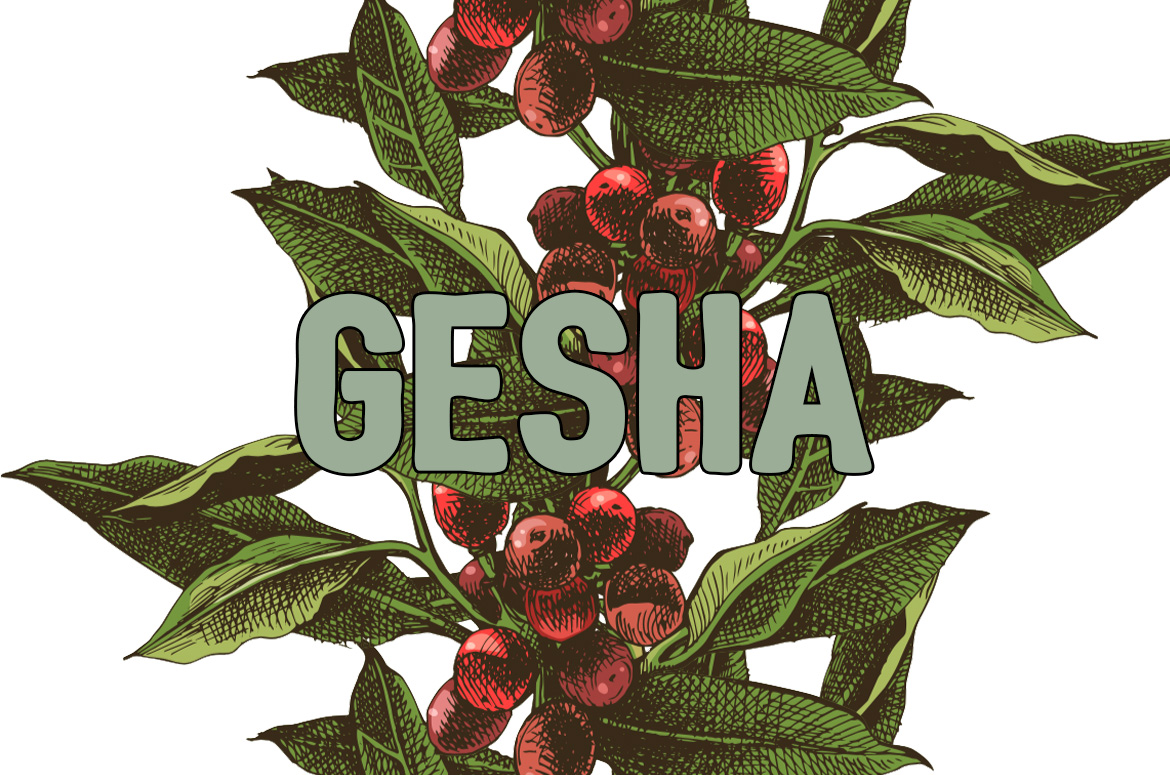
When it comes to the origins of Geisha, they can actually be traced back to the 1930s in Ethiopia. At that time, a British colonial expedition discovered this variety in the highlands of southwestern Ethiopia. Records indicate that its collection site was located in the Gesha mountain region, but it was not formally named at the time and was simply recorded by its geographical name. Later, these coffee seeds were sent to agricultural research stations in Kenya and Tanzania. Due to their demonstrated strong disease resistance, particularly against coffee leaf rust, they were further introduced to Panama, mainly for the purposes of varietal improvement and research.
Years later, in 2003, the Peterson family of Panama’s Hacienda La Esmeralda estate noticed during a routine cupping session that coffee from a certain plot exhibited performance drastically different from other sections—showcasing exceptionally prominent citrus, floral, and fruity notes. They decided to separately harvest and process this batch of beans, and entered them into the following year’s BOP competition. The result was a championship win with a record-breaking high score. During that auction, Geisha fetched a price as high as $21 per pound, which was an astonishing figure even by the price standards of 2004.
Subsequent genetic testing confirmed that these championship-winning coffee trees shared the same genetic profile as the original variety from the Gesha mountain region of Ethiopia, thus leading to its formal naming as Gesha. As the popularity of this coffee grew, other farms in Panama such as Elida, Aurora, Deborah, and Nueva Granada also began planting it, achieving remarkable success in various competitions. Today, not only Hacienda La Esmeralda, but many Geisha coffees from the Boquete region also demonstrate extremely high quality. For beginner coffee enthusiasts, starting with Boquete-grown Geisha can be a relatively approachable and consistently high-quality option.
Because Geisha is mostly grown at high altitudes where day and night temperature differences are significant, not only is the growth cycle extended, but flavor accumulation is also enhanced. As a result, the beans are usually harder in texture, and after roasting, they have higher density, which can cause them to sink easily during brewing. It is recommended to pay attention to the combination of filter basket water flow and grind size before brewing. Generally, a grind size with about 78% extraction rate through a Chinese standard No. 20 sieve—similar in feel to fine sugar—is advised, as it balances extraction efficiency and flow rate.
Recommended pour over parameters are as follows: use 15 grams of coffee grounds with a Hario V60 #01 filter, setting the coffee-to-water ratio at 1:16. Water temperature is suggested to be controlled at 91°C, which helps fully highlight Geisha’s delicate floral and fruity aromas as well as its balanced acidity and sweetness. Total brew time is recommended to be between 2 minutes 10 seconds and 2 minutes 20 seconds, with a concentration range maintained at 1.15% to 1.25%, allowing its layers to be presented more clearly.
Specific brewing suggestions involve a three-stage pouring method: start with 30 grams of water for blooming for about 30 seconds; then pour in a small, circular motion up to 125 grams, wait for the water level to drop, and then continue pouring up to 225 grams. Throughout the process, maintain stable water flow to avoid under-extraction caused by too fast pouring or over-extraction caused by too slow. The final cup of Geisha pour over typically exhibits pronounced citrus notes, delicate white floral and green tea aromas, with a lingering finish that carries a hint of honey-like sweetness, resulting in an overall fresh and unforgettable flavor profile.
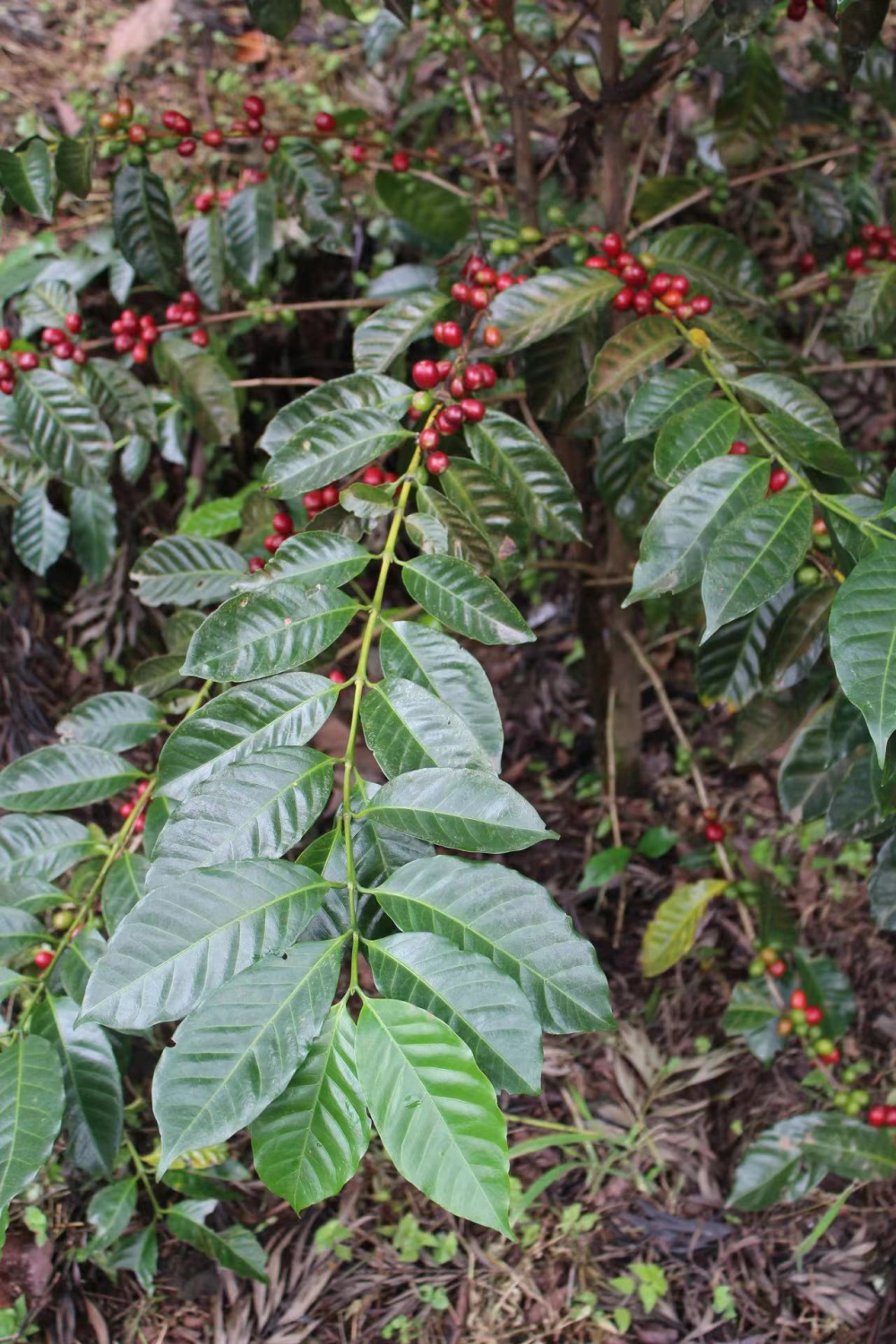
The above content is compiled by CoffeeHunters, a coffee news website.


