







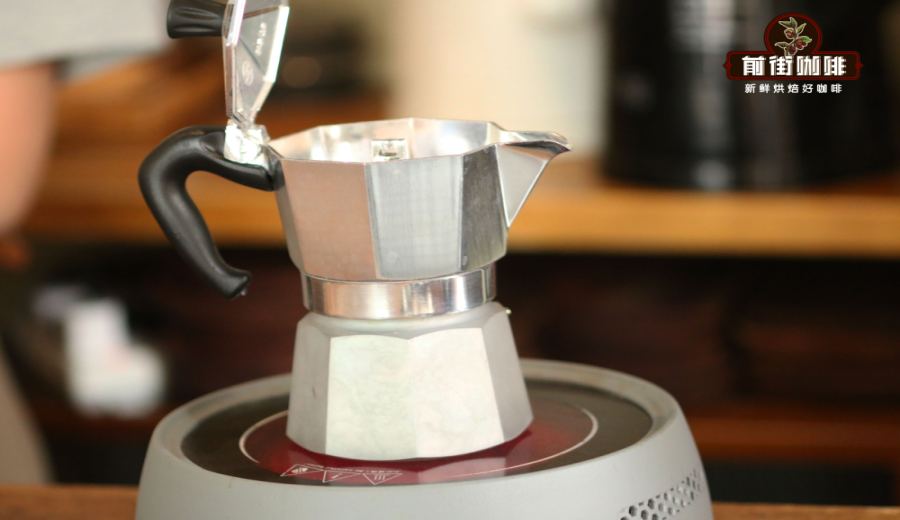
Introduction:The Moka pot is the go-to brewing device for many home coffee enthusiasts. With simple operation, it produces richly flavored coffee comparable to that of an espresso machine. However, due to its pressurized heating mechanism, many users have concerns about its safety. This article explores the working principle of the Moka pot, delves into how to choose the right coffee beans and operate it correctly, and provides 12 practical tips covering new pot seasoning, water level control, coffee grounds filling, gasket maintenance, heat source selection, and common troubleshooting. These will help you use it safely and consistently brew coffee with a thick Crema.
Thanks to its unique pressurized extraction design, the Moka pot can produce coffee with intensity close to that of professional espresso, making it a daily favorite for many home users. However, because pressure is generated during operation, many have concerns about its safety. In fact, as long as you master the correct operation method, these potential risks can be almost entirely avoided. This article starts with the basic principles of the Moka pot, then step-by-step explains how to select suitable coffee beans, adjust operational details, and compiles 12 key points not to be overlooked — from new pot seasoning, water level control, coffee layer filling techniques, gasket replacement timing, pot tightening methods, appropriate heat source types, to troubleshooting methods. Whether you're using an aluminum or stainless steel model, these practical suggestions will effectively help reduce risks and consistently brew coffee rich in oils and bold aromas.
The operating principle of the Moka pot shares some similarities with a pressure cooker, as both achieve specific results through heat-generated pressure. Therefore, there are indeed certain risks involved. However, as long as you follow the correct steps, such potential dangers are completely manageable.
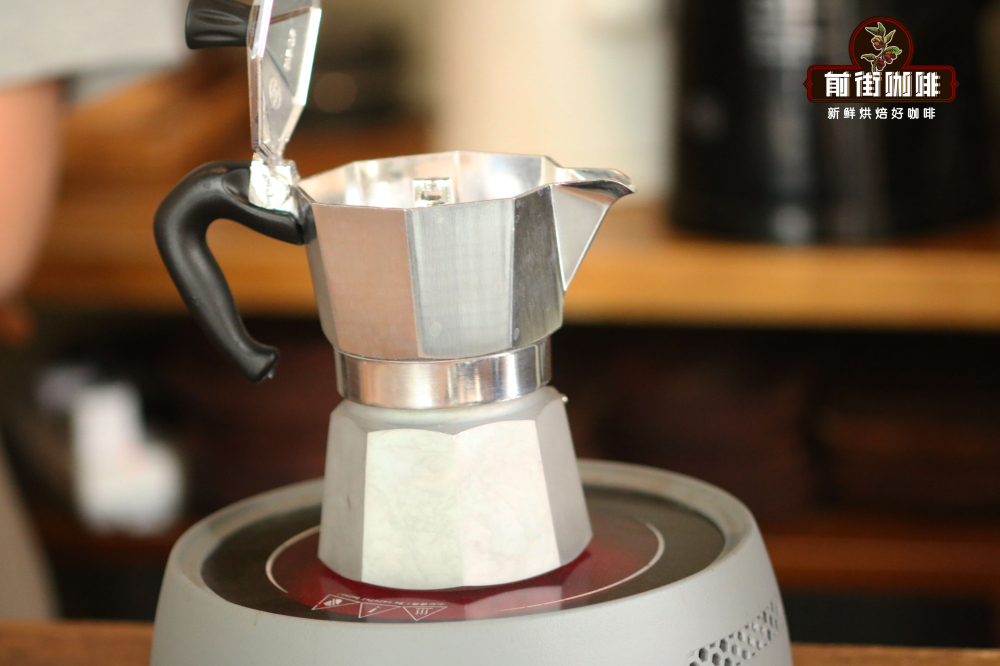
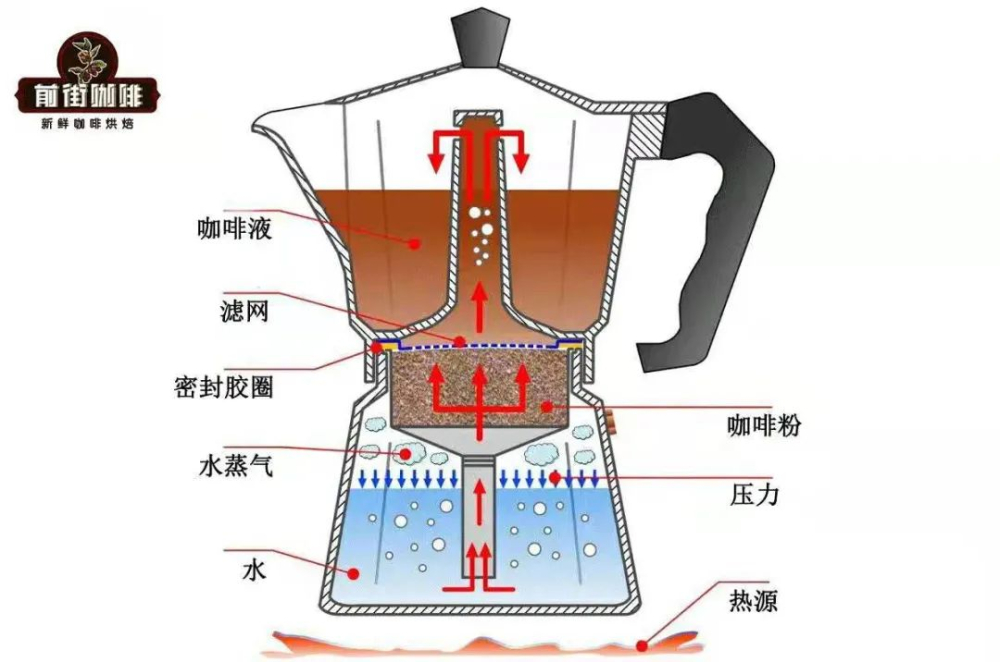
The operating mechanism of the Moka pot is quite straightforward: when the lower chamber is heated, the water inside gradually warms up and boils. The resulting steam creates pressure that pushes the hot water upward, through the coffee grounds-filled filter basket, and then drips down through the filter screen into the upper chamber, forming the brewed coffee. This pressurized extraction method allows for more concentrated brewing and makes it easier to extract oils and deeper flavors.
Since the Moka pot uses pressure brewing, the roast level of the coffee beans significantly affects the extraction outcome. If you choose a light roast coffee bean, which is typically harder in texture, you often need to grind it finer to improve extraction efficiency. But under the dual effects of high temperature and high pressure, an overly fine grind can lead to over-extraction, resulting in a coffee that tastes overly sharp, sour, and less conducive to releasing aromatic oils. In contrast, medium to dark roasted beans, having been exposed to heat for a longer period, accumulate more caramelized compounds and carbon dioxide. These not only release aromas more readily but also deliver a richer mouthfeel and abundant oils.
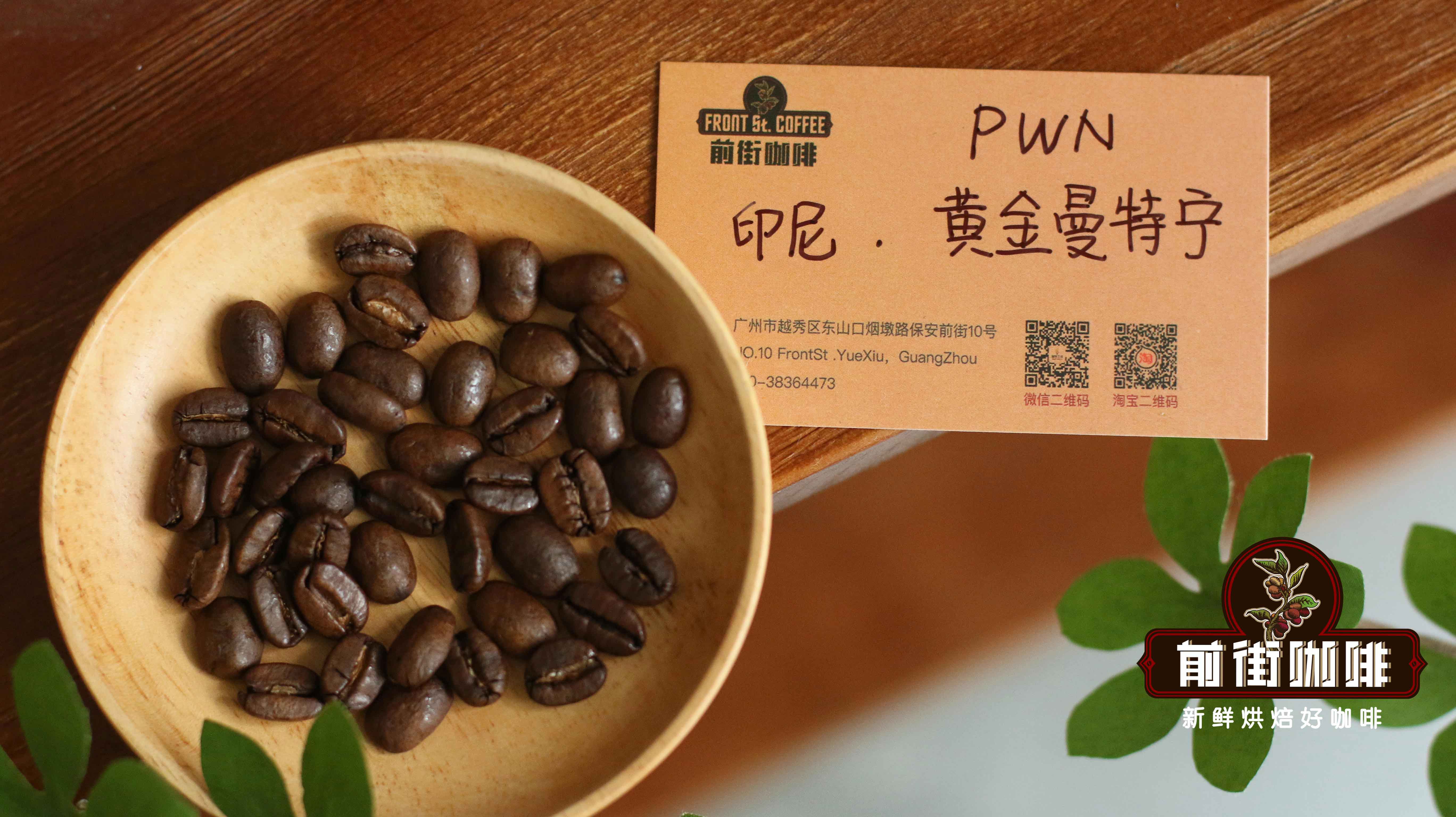
If you want the coffee brewed with your Moka pot to be less acidic, consider using a medium to dark roast bean, such as the classic Indonesian Golden Mandheling, whose flavor profile often includes layers of spice, herbs, caramel, sandalwood, and nuts. If you prefer a brighter, fruitier profile, you might opt for a blended coffee that combines multiple bean varieties, often showcasing notes of fruit gummies, floral tones, raisins, and almonds.
No matter which brand or model of Moka pot you use, the following 12 operational details are extremely important. They can effectively help you avoid common issues and extend the lifespan of your device.
1. For a newly purchased Moka pot, it is recommended to perform at least two trial brews before the first actual use. The coffee produced does not need to be consumed — simply discard it. This helps remove any trace metallic residues left from the manufacturing process, ensuring safety and flavor purity in subsequent uses.
2. Be especially mindful of the amount of water poured into the lower chamber — the water level must never exceed the bottom edge of the pressure relief valve. Otherwise, it may cause abnormal pressure increase, raising the risk of usage hazards.
3. When filling the coffee grounds into the filter basket, there’s no need to tamp the coffee bed. If you’re using filter paper, make sure its size does not exceed the surface of the coffee layer, to avoid excessive pressure causing steam leakage, which could lead to burns or damage to the pot.
4. After each cleaning, be sure to thoroughly dry the interior of the lower chamber to prevent long-term moisture leading to metal oxidation, which can affect the pot's lifespan and safety.
5. The sealing gasket at the bottom of the upper chamber is a crucial component. Its recommended replacement cycle is once a year. If you’re a frequent user, it’s advisable to replace it every six months to ensure a proper seal between the upper and lower chambers, preventing steam leaks or dripping.
6. When tightening the Moka pot, try to avoid gripping the upper chamber handle directly to apply force, as this may cause the handle to loosen over time. It’s better to lock the pot by rotating the lower chamber. If the lower chamber contains hot water, be sure to take care to avoid burns.
7. Moka pots made of aluminum are only suitable for use with electric ceramic stoves, open flames (such as gas stoves or natural gas burners), and small electric stovetops. Stainless steel Moka pots, on the other hand, are compatible with electromagnetic stoves and other heat sources. Always confirm material compatibility with your heat source before use.
8. If coffee sprays out of the spout while brewing, possible causes include: the water level in the lower chamber being too high, exceeding the pressure relief valve position; the coffee grounds being too coarse, the basket not fully filled or left without coffee; excessive heating power or turning off the heat too late; or incorrect installation or assembly sequence of internal parts.
9. If you notice the pot leaking during use, it may be due to an aged or ineffective gasket, or the upper and lower chambers not being tightly screwed together. A new pot may also show slight seepage during initial use, which usually improves after two to three trial brews.
10. If you hear a sharp sound from the pressure relief valve during heating, it usually indicates excessive internal pressure. Possible reasons include the coffee grounds being too fine, the coffee dose being too high, or the water level exceeding the bottom edge of the pressure relief valve. It is recommended to immediately check and adjust these factors.
11. If you find the Moka pot difficult to unscrew after brewing, you can pour a small amount of hot water into the upper chamber, let it sit for about one to two minutes, then pour it out. Once slightly cooled, try unscrewing it again. If it still won’t open, ask for assistance to avoid using excessive force that could cause damage.
12. Under no circumstances should a Moka pot be placed in a dishwasher, nor should it be soaked in any corrosive cleaning agents, to prevent damage to the metal and gasket structures.
Additionally, the Moka pot can only be used for single extractions at a time, and the actual yield is often difficult to control precisely. Users are advised to focus on the operation to avoid over-extraction, which can make the coffee taste overly bitter. If you wish to brew coffee with a rich oily layer, it’s recommended to use freshly roasted medium to dark roast beans. As the roast level deepens, caramelization reactions within the beans release large amounts of gases, which form abundant Crema under pressurized extraction. Note that coffee beans lose their internal gases over time, making it difficult to extract ideal oils. It’s best to use beans roasted within five days for optimal flavor performance.
The above content is compiled by CoffeeHunters, a coffee news website.


