








Introduction:As one of the oldest varieties of Arabica coffee, Typica is not only the ancestor of most modern coffee lineages but has also profoundly influenced global coffee culture. This article will take you through how Typica journeyed from Ethiopia, through Yemen, India, Java, Europe, and eventually arrived in Central and South America and Yunnan, China. We’ll also clarify the relationship between Blue Mountain coffee and Typica. Additionally, we recommend several representative Typica products to help you explore different flavor profiles by origin.
Arabica coffee is currently the mainstream in the global consumer market, accounting for about 70% of consumption, and most of its varieties can be traced back to the two ancestral lines of Typica and Bourbon. Typica is not only the earliest discovered and recorded Arabica variety, but its genes have also permeated many well-known modern varieties. This article will delve into Typica’s historical journey from its birthplace—Ethiopia in Africa—to various parts of the world, including how it entered Yemen, India, Java, Europe, and the Americas, and even crossed the ocean to arrive in Yunnan, China. We will also address a common question: does Blue Mountain coffee belong to the Typica variety?
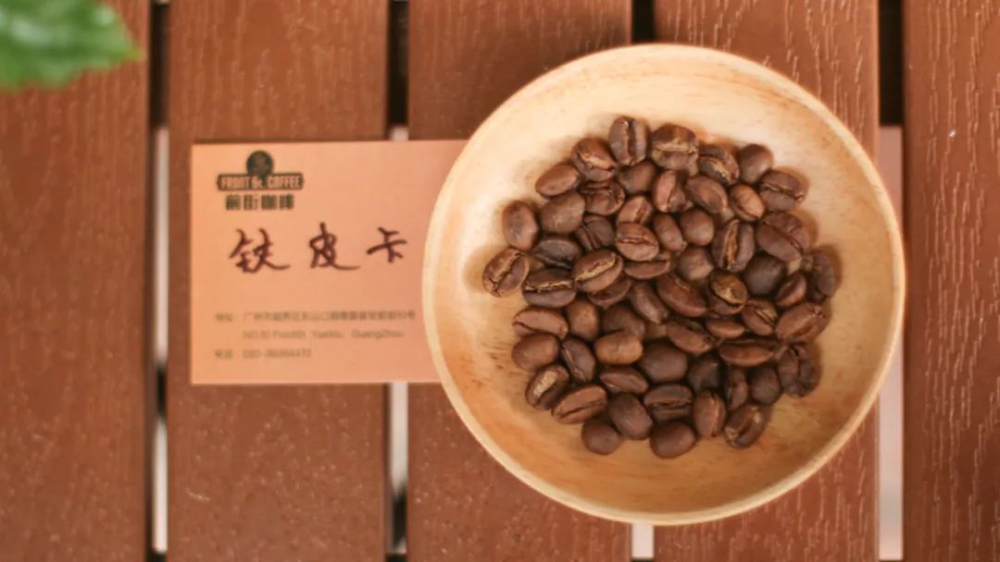 The origin of Typica can be traced back to the Ethiopian Highlands, which is considered the cradle of all Arabica varieties. Even today, the packaging illustrations of commercially available Arabica beans often use Typica as the design basis—the beans are slender, flat, and exhibit a smooth oval shape, all classic characteristics of Typica. From Ethiopia, Typica’s first stop was neighboring Yemen, where coffee had not yet become an everyday beverage but was instead used as a medicinal plant.
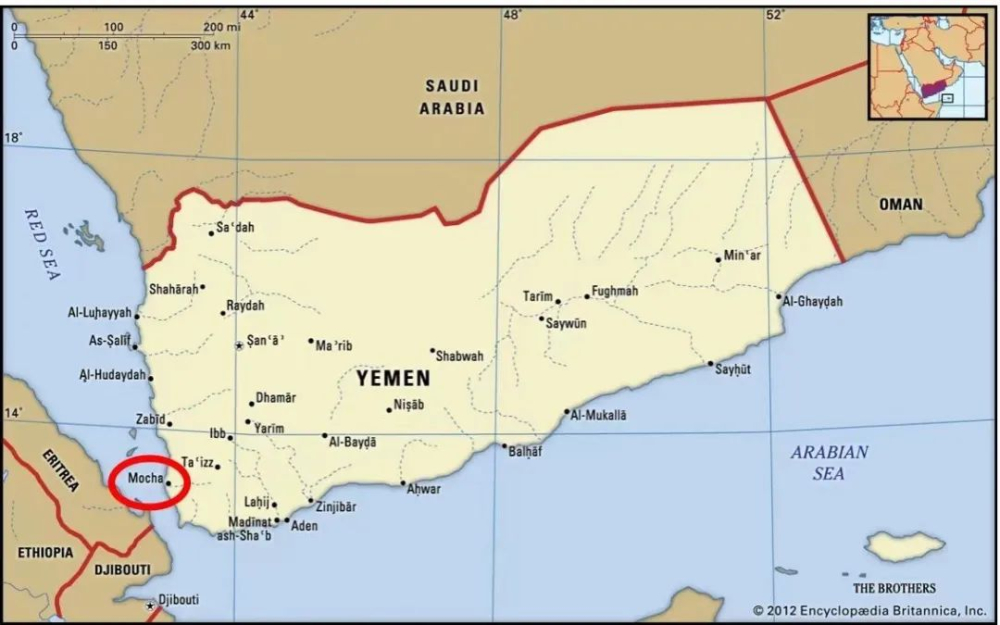
Around the year 1500, the ports of Aden and Mocha in Yemen gradually saw the rise of a trend of making beverages from coffee pulp, bringing coffee from pharmacies into the public sphere. However, the Yemeni authorities, aiming to monopolize the coffee trade, would roast or boil the coffee beans before export to prevent germination. This measure allowed Yemen to maintain its leading position in global coffee supply for centuries. It wasn’t until 1670 that a Indian Muslim named Baba Budan, wishing to continue enjoying coffee in his homeland, secretly smuggled seven coffee seeds hidden in his beard back to India. He successfully planted them on the slopes of Chandragiri Hill in Karnataka (later known as Baba Budan Giri), thus establishing Typica in India.
 As Yemeni coffee gained popularity in Europe, the Netherlands, then a dominant maritime power, quickly sensed the business opportunity. In the early 17th century, after occupying parts of India, the Dutch introduced Typica seeds obtained from Yemen to Java in Indonesia, where they were successfully grown, thus initiating the coffee industry in Southeast Asia. Later, the Dutch even transported one Typica tree back to their homeland, where it was carefully cultivated in a greenhouse in Amsterdam in 1706. This tree, regarded as the "European mother plant," had descendants that later spread to Central and South America, exerting a profound influence on global coffee cultivation.
In 1714, the mayor of Amsterdam gifted a young Typica plant to King Louis XIV of France, and the French maintained the plant using greenhouse cultivation techniques. However, the French had previously attempted to import from Mocha without success. It wasn’t until 1720 that a French naval officer named Gabriel de Clieu managed to smuggle a Typica seedling out of the Palace of Versailles. After a three-year voyage, he arrived at Martinique in the Caribbean, marking a crucial starting point for Typica cultivation in the Americas. Descendants of this seedling later spread across the entire Caribbean region, including Jamaica—the home of the renowned Blue Mountain coffee.
On the other hand, in 1727, Brazil acquired a batch of Typica seedlings through diplomatic means. At that time, Brazilian diplomat Francisco de Melo Palheta helped mediate a territorial dispute between French Guiana and Dutch Suriname and was gifted a present from the wife of the governor of French Guiana, which included Typica seedlings. Palheta subsequently resigned, took the seedlings back to Para in Brazil, and planted them, thereby launching Brazil’s coffee industry and laying the foundation for vast coffee plantations across South America. Brazil later distributed these seeds to neighboring countries such as Paraguay and Peru.
 In the mid-to-late 18th century, Central American countries including Colombia, Guatemala, and Costa Rica also successively introduced the Typica variety. By the end of the 19th century, French missionaries brought Typica seedlings to Zhugula Village in Yunnan Province, China. Though initial development was limited, it marked an important chapter in the history of domestic coffee cultivation in China and laid the foundation for what is known today as Yunnan small-bean coffee.
Looking at the diffusion of Typica, we see not just the migration of a coffee variety, but a history of agricultural and cultural exchange spanning continents. If you wish to personally experience the unique flavors of Typica, you can choose from several representative origins: for those who prefer high-end specialty coffee, consider Blue Mountain No. 1, which offers a balanced acidity and sweetness with distinct layers—a supreme expression of the Typica lineage; for a more affordable option, PNG Paradise Bird is a great recommendation that balances taste and quality; if you wish to support locally grown coffee, the 2013 Yunnan Small Bean Sun-Dried Typica showcases clean and refreshing local characteristics, worthy of careful savoring.
The above content is compiled by CoffeeHunters, a coffee news website.


