







Introduction:Geisha coffee, with its distinctive floral and fruity aromas and rich layers of flavor, has become one of the premier varieties in the specialty coffee world. This article delves into the evolution of Geisha—from its wild Ethiopian origins to its cultivation at Panama’s Hacienda La Esmeralda—while detailing the grading criteria and flavor differences among Red Label, Green Label, and Blue Label. It also explores how natural and washed processing methods influence taste. Practical V60 three-stage brewing parameters and tasting notes are provided to help coffee enthusiasts fully master the key points of brewing Geisha.
Since winning the “Best of Panama” competition in 2004, Geisha coffee from Panama’s Hacienda La Esmeralda has become a focal point in the global specialty coffee market. This wild variety, originating from Ethiopia, underwent decades of cultivation and selection before blossoming in Panama’s high-altitude mountain regions with its unique floral and fruity aromas and complex layers. Industry observers note that Geisha’s rise to prominence is due not only to its exceptional growing environment but also to the rigorous grading system and processing techniques of Hacienda La Esmeralda.
Geisha was first discovered in Ethiopia in 1931 and later introduced to countries such as Kenya and Uganda. However, it wasn’t until the 1970s that Mr. Francisco Serracin of Panama brought seeds from CATIE in Costa Rica, marking the beginning of its cultivation history in Panama. The Boquete region, where Hacienda La Esmeralda is located, features volcanic soil and a high-altitude microclimate, providing ideal growing conditions that shape its distinctive flavor profile.
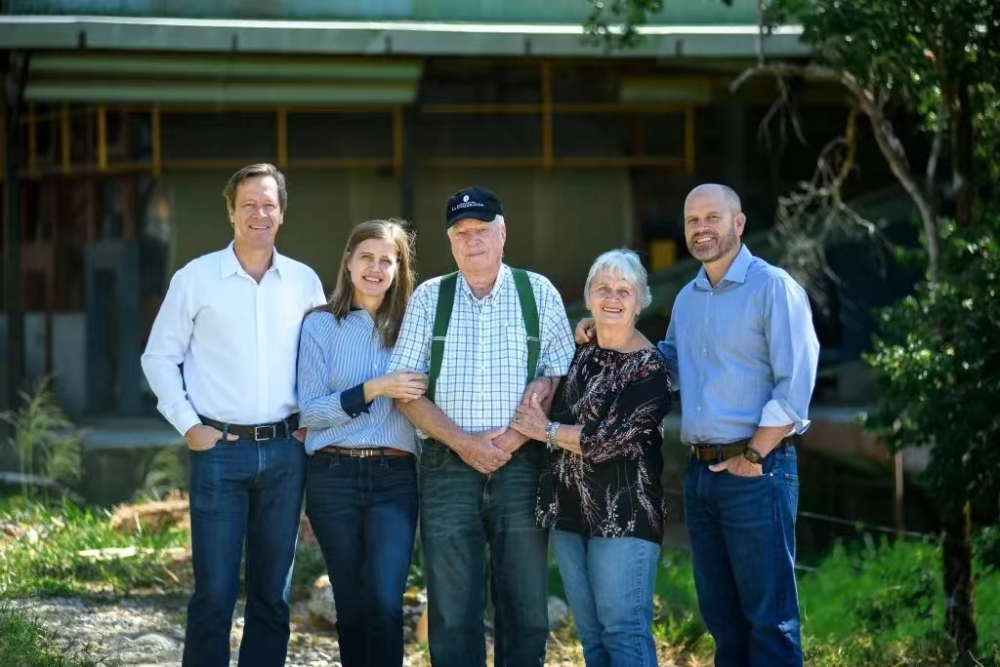
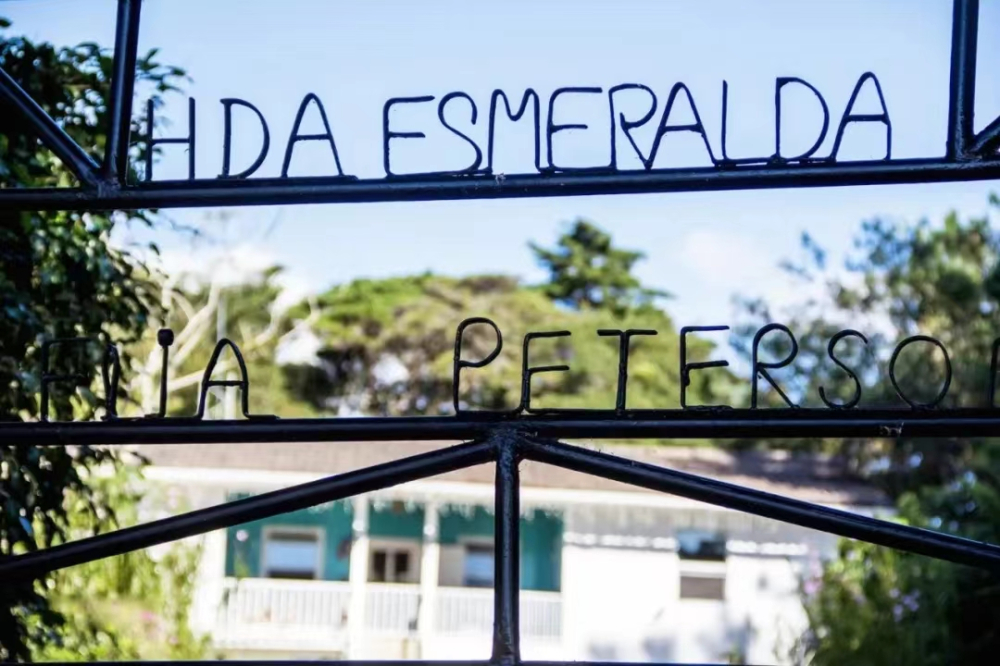
Founded in 1964 by American banker Rudolph Peterson, Hacienda La Esmeralda initially focused on dairy farming before transitioning into coffee production. His grandson, Daniel Peterson, discovered in 2003 that the flavor of the Geisha variety was distinctly different from typical American beans. After a year of cultivation and cupping, it won the Best of Panama competition with an exceptionally high score in 2004. This achievement not only solidified Geisha’s status but also established Hacienda La Esmeralda as an iconic producer in the specialty coffee industry.
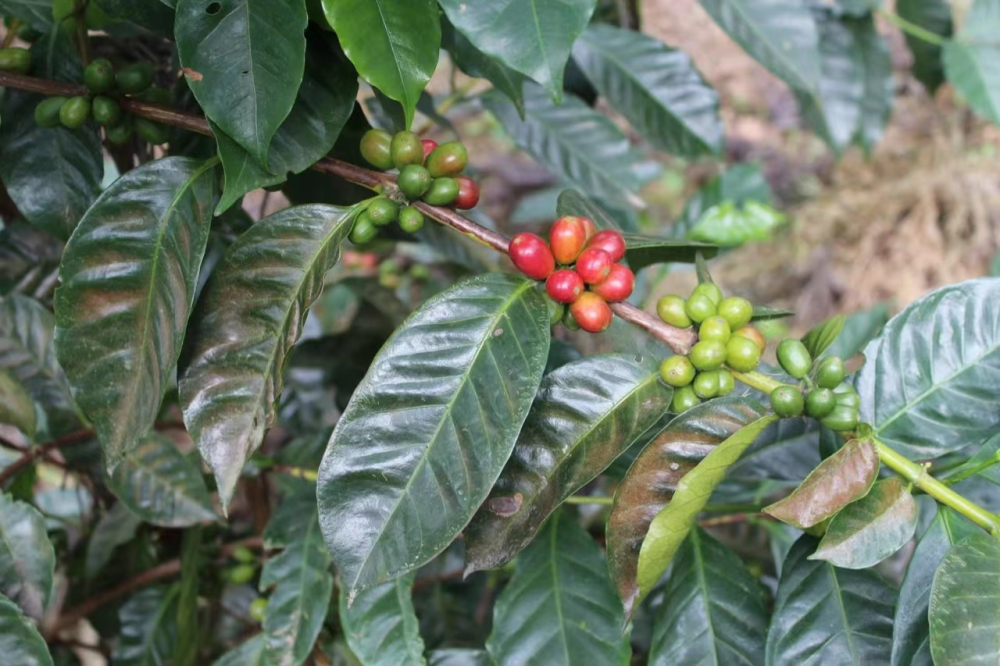
Coffee grading in Panama is primarily based on cultivation altitude—the higher the altitude, the greater the diurnal temperature variation, resulting in denser beans with richer flavor compounds. Hacienda La Esmeralda further categorizes Geisha into three tiers: Red Label, Green Label, and Blue Label, each corresponding to different altitude ranges and processing methods. Red Label Geisha is grown at elevations of 1,600 to 1,800 meters in the Jaramillo and Canas Verdes lots, with cupping scores exceeding 90. It is typically processed using either natural or washed methods, showcasing intense floral notes and complex fruit acidity and sweetness.
Green Label Geisha (Private Collection) also comes from high-altitude lots but blends beans from different sections without specifying exact regions. Its flavor is dominated by jasmine, ginger flower, and citrus notes, with processing mostly done via the washed method, resulting in a bright and refreshing taste. Blue Label (Geisha 1500) is grown at altitudes of 1,400 to 1,500 meters. Previously a product of mixed lots, it switched to volcanic rock-grown Geisha after 2021, offering a lighter profile highlighted by citrus and jasmine floral notes.
In terms of processing, Hacienda La Esmeralda primarily employs natural and washed methods for high-quality Geisha. Natural processing involves carefully selecting fully ripe coffee cherries, spreading them in thin layers, and turning them regularly to dry the pulp and seeds together, imparting a richer berry sweetness and floral-fruity aroma to the beans. Washed processing, on the other hand, removes the skin and pulp first, then ferments to eliminate the mucilage before drying, resulting in a cleaner cup with brighter acidity—but at the cost of higher water usage.
For actual brewing, it is recommended to use a Hario V60 dripper with a water temperature of 90°C, a 1:15 coffee-to-water ratio, and medium-fine grind (80% passing through a #20 sieve). The three-stage extraction process is as follows: the first stage involves pouring twice the coffee’s weight in water for a 30-second bloom; the second stage pours water up to 125 grams and then pauses; the third stage continues pouring to 225 grams, with a total brew time of about 2 minutes. Red Label natural Geisha highlights red rose aromas, with flavors of citrus, apricot, and berries in its acidic-sweet layers. Green Label washed Geisha features jasmine floral notes, a creamy-smooth mouthfeel, and a long-lasting aftertaste.
The above content is compiled by CoffeeHunters, a coffee news website.


