







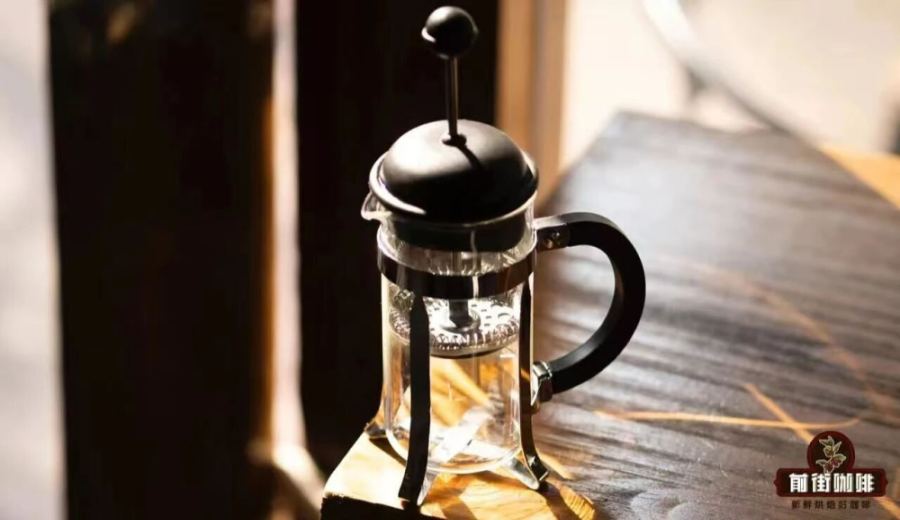
Introduction:The French press, with its simple operation and rich flavor, has become a top choice for many coffee enthusiasts. This article delves into the brewing principles of the French press, covering everything from suitable coffee bean types and grind sizes to coffee-to-water ratios, complete brewing procedures, and precautions—all to help you easily master this classic extraction method and brew a coffee that is full-bodied and layered.
The French press, also known as a French filter press, is a coffee brewing device that extracts coffee through immersion. Its design is simple, using a metal filter to separate coffee grounds from the liquid, effectively retaining the natural oils and rich flavors in the coffee. It is considered one of the home brewing tools closest to professional cupping. This article will start with the characteristics of the device and provide a detailed introduction to the suitable bean types, grind size, coffee-to-water ratio, and complete brewing process of the French press, along with illustrated instructions to help you get started quickly and brew a thick, layered cup of coffee.
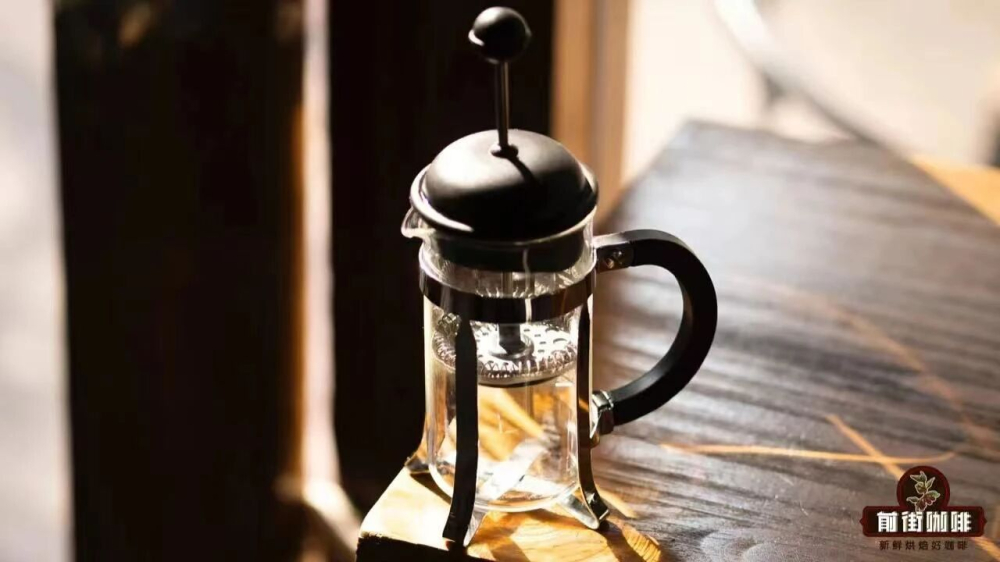
The structure of the French press is quite intuitive: simply place coarsely ground coffee and hot water into the pot, let it steep for a while, then use the metal plunger at the bottom to press the coffee grounds to the bottom of the pot to complete the extraction. Since there is no paper filter to block it, the natural oils in the coffee are fully preserved, resulting in a smoother mouthfeel and more three-dimensional aroma. In addition, the metal filter can be washed and reused, which is not only environmentally friendly but also saves you the cost of frequently buying paper filters.
For beginners in coffee, the French press can be called a “lazy person’s secret weapon.” Not only is the operation threshold low, but it also allows you to extract coffee flavors close to a professional level with simple steps. Its immersion brewing method can fully release the aromatic molecules, flavor compounds, and body feel of the coffee. The aftertaste is distinctly sweet, and the texture is rich—making it very suitable for daily enjoyment, especially as the first choice for breakfast coffee.
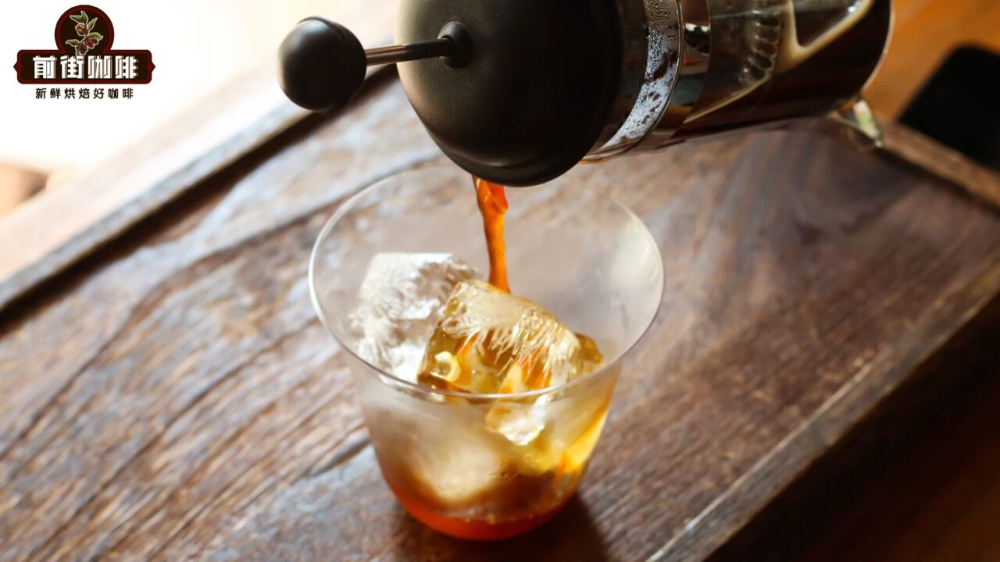
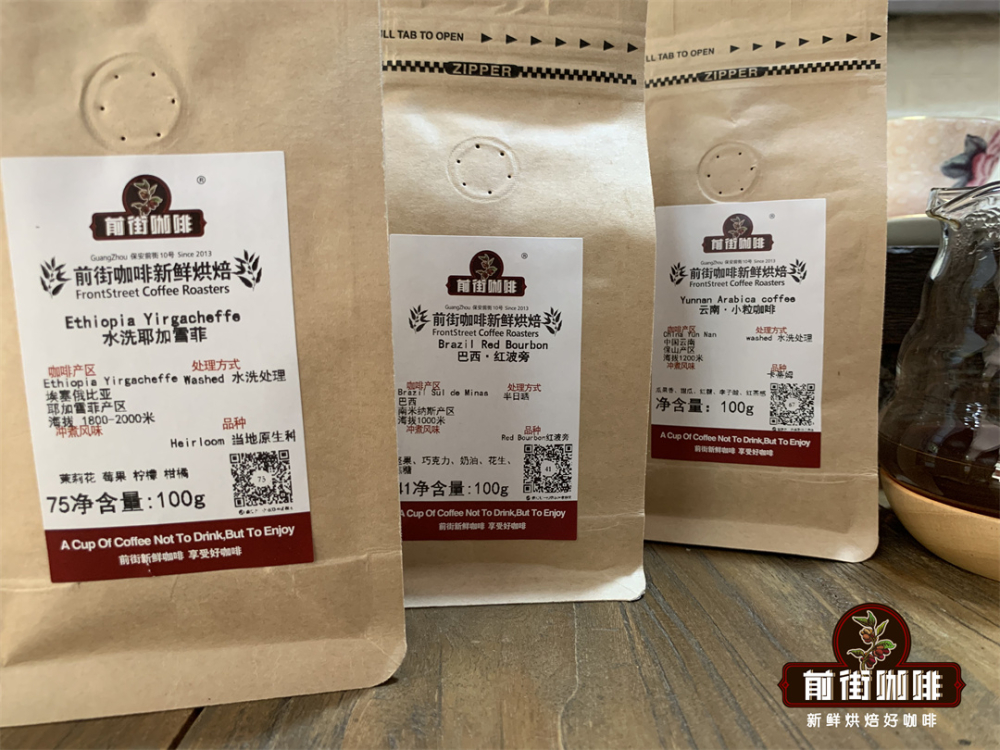
When selecting coffee beans, the French press is particularly well suited for medium to dark roasted beans, especially single-origin coffees with pronounced fruity acidity. These beans, after moderate roasting, can showcase rich flavors such as dark chocolate, nuts, and caramel, which complement the extraction characteristics of the French press. It is recommended to prioritize medium to dark roasted beans with balanced flavors and high body, such as Brazil Cerrado, Colombia Huila, Indonesia Mandheling, and Costa Rica Tarrazú. These bean varieties, when immersed in a French press, can fully release their aroma and rich taste, with dark roasts performing even better in terms of body and aroma.
In contrast, light roasted coffee beans, such as Ethiopia Yirgacheffe Natural Red Cherry or Hua Kui, although bright in fruity acidity and floral notes, can easily become overly acidic or one-dimensional in flavor due to the long steeping time in a French press, and are therefore less recommended. Light roasted beans are more suitable for pour over or cold brew methods to highlight their delicate fruity aromas and layers of acidity.
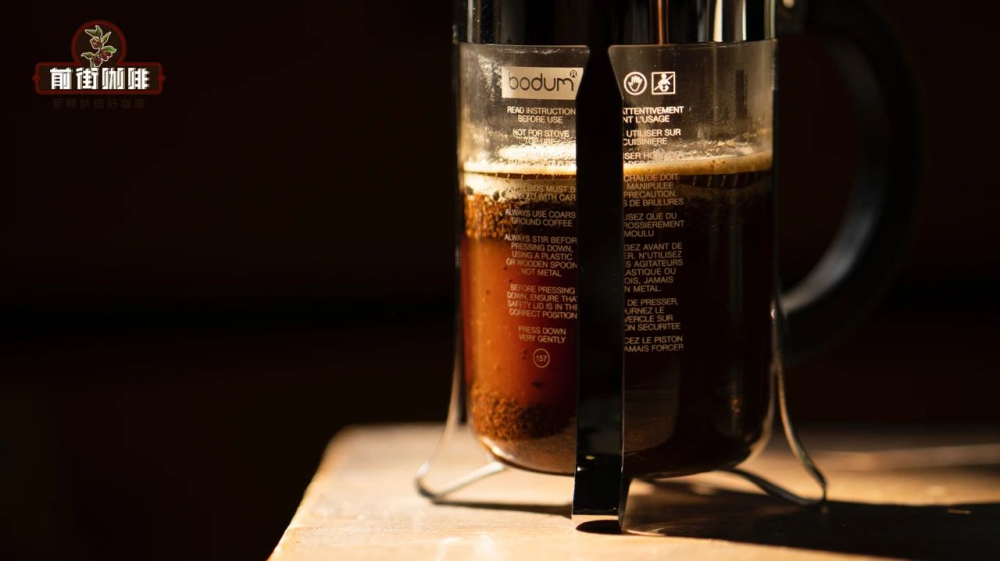
Take Colombia Huila as an example—it is a medium to dark roasted bean with balanced flavor and well-suited to the French press. In terms of grind size, it is recommended to use a medium-coarse grind, slightly coarser than pour over coffee, with a standard sieve passing rate generally advised between 70% and 75%. If the grind is too fine, the coffee particles may pass through the filter, causing the coffee liquid to become cloudy and affecting the taste. In addition, the coffee-to-water ratio is one of the key factors influencing extraction results. Beginners are advised to start with a 1:10 ratio, such as 20 grams of coffee beans to 200 grams of hot water, then adjust according to personal taste. If using commercial drip bags, it is suggested to adjust the ratio to 1:16, such as 15 grams of coffee powder to 240 grams of water, for optimal extraction results.
When preparing your tools, it is recommended to use an electronic scale for accurate weighing. Even if the French press itself comes with markings and measuring spoons, it is still advisable to rely on weight because different bean types vary in density and particle size. Precise weighing helps reproduce ideal flavors. If you’ve brewed a coffee you were happy with, record the coffee-to-water ratio and grind size so you can quickly replicate the successful formula in the future; conversely, if the result isn’t ideal, you can adjust the variables based on the data and gradually find the brewing parameters that suit you best.
Water quality is also an important factor affecting coffee flavor. It is recommended to use soft water or filtered water, such as commercially available mineral water, and avoid using tap water that is too hard or unfiltered, as it may affect the extraction results and coffee taste.
Here are the practical brewing steps for the French press: First, grind an appropriate amount of coffee beans to a medium-coarse level and place them in the French press. Next, heat the water to about 93°C, which is the ideal temperature range for coffee brewing. Pour the hot water into the pot, using a 1:16 coffee-to-water ratio as a base—for example, 15 grams of coffee beans to 240 grams of hot water—and gently stir with a spoon to ensure the coffee grounds are evenly saturated. Then, cover the French press with the lid, leaving the filter at the highest position, and let it steep for about 4 minutes to allow the coffee grounds to fully soak and extract.
Once the time is up, it is recommended to open the lid and skim off the floating coffee foam and fine grounds with a spoon. This step helps improve the clarity and taste of the coffee liquid. Then, slowly and steadily press the filter down to the bottom, avoiding excessive force that might cause the coffee grounds to churn. After completion, it is recommended to immediately pour the coffee liquid into a thermos or other container to prevent residual coffee grounds from continuing to extract and affecting the final flavor. If you desire a clearer taste, you can perform a secondary filtration using filter paper.
In summary, the French press is a simple, eco-friendly, and effective way to fully preserve the original flavors of coffee. Compared to automatic drip coffee machines, the French press does not require electricity, heating, or paper filters. It is not only convenient to operate but also allows you to enjoy the natural oils and rich layers of the coffee. Whether you’re a busy office worker or a coffee enthusiast who enjoys the art of pour over, you can easily enjoy a rich, handcrafted cup of coffee through the French press.
The above content is compiled by CoffeeHunters, a coffee news website.


