







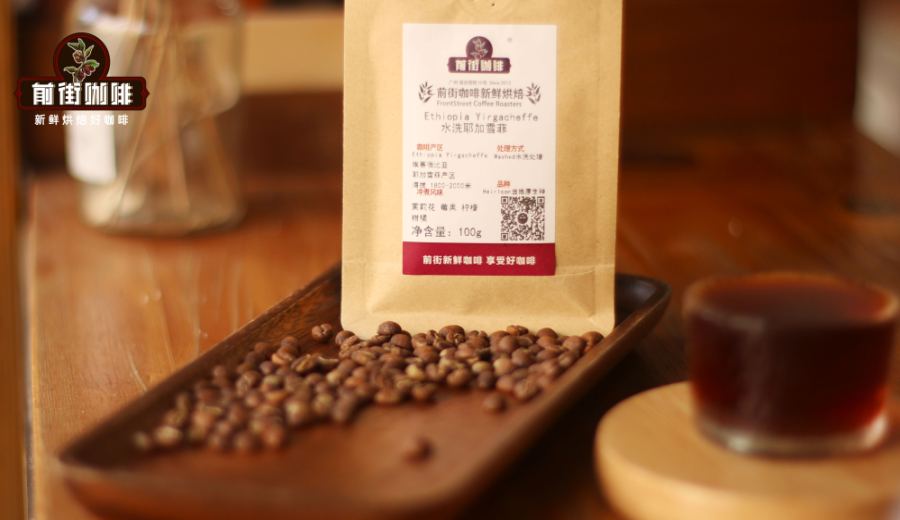
Introduction:As Ethiopia’s most iconic specialty coffee region, Yirgacheffe is renowned for its bright acidity and floral-fruit aromas. This article delves into the classification criteria for Grade G1, compares the flavor differences between washed and natural processing methods, and explores the characteristics of the native Heirloom variety. It also provides practical pour over brewing parameter recommendations to help coffee enthusiasts fully grasp the essence of this classic region—from bean selection to brewing.
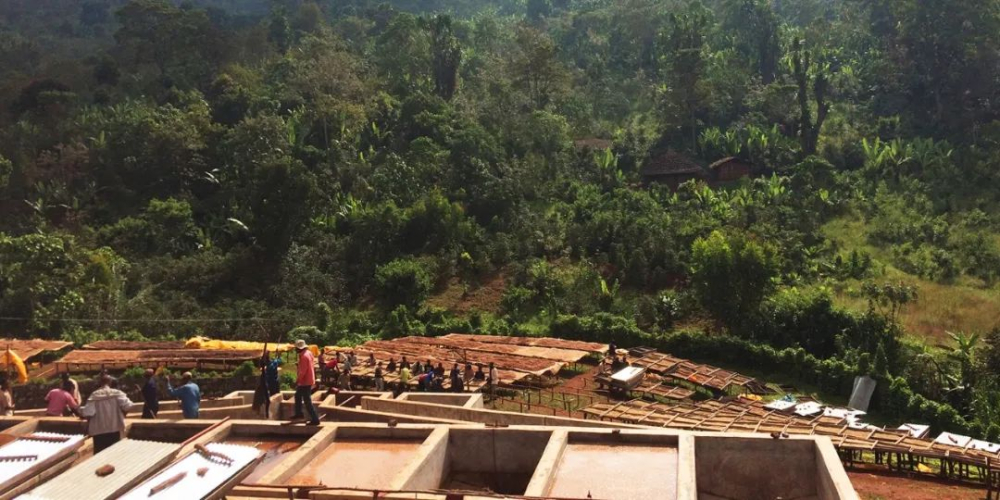
Yirgacheffe is a highland coffee-growing region in Ethiopia’s Southern Nations, Nationalities, and Peoples' Region (SNNPR), specifically within the Sidamo zone, at an altitude of approximately 1,700 to 2,100 meters, making it one of the highest-altitude coffee-growing regions in the world. The coffee produced here is celebrated for its vibrant citrus and lemon fruit notes, as well as its elegant jasmine floral aromas, and is representative of light to medium roasted single-origin coffees. The town of Yirgacheffe within the region is the birthplace of this distinctive flavor profile. In the ancient local language, “Yirga” means “to settle down,” while “Cheffe” refers to “wetlands,” vividly reflecting the area’s natural environmental characteristics.
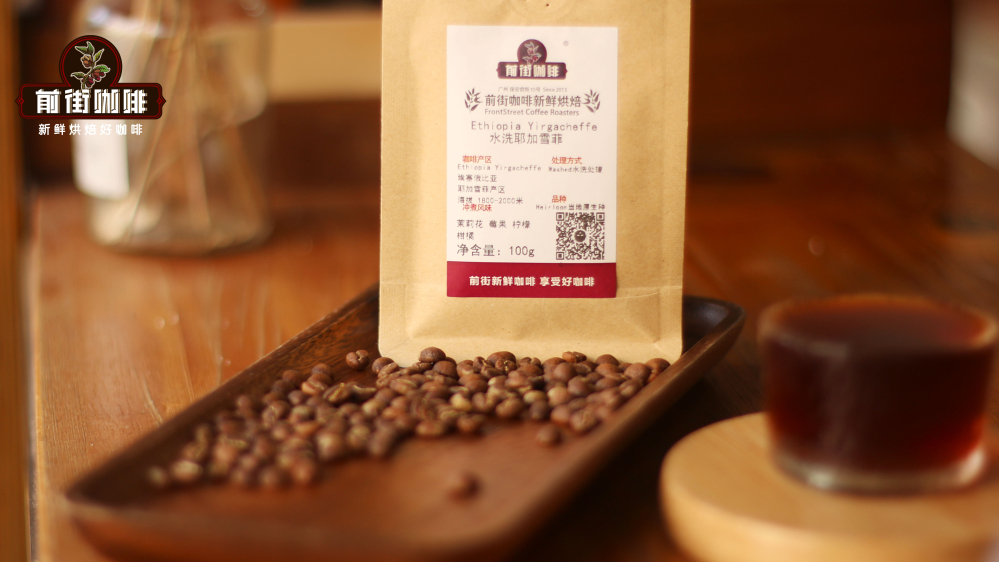
Yirgacheffe Grade G1 coffee beans belong to the highest grade of Ethiopian specialty coffee. Their grading criteria are primarily based on defect rates and cupping scores. In terms of defect rate, a sample of 300 grams must contain no more than 3 defective beans to meet the G1 standard; the cupping score must reach 85 or above to be classified as Q1 grade. This rigorous grading system ensures the high quality and consistency of G1 coffee beans.
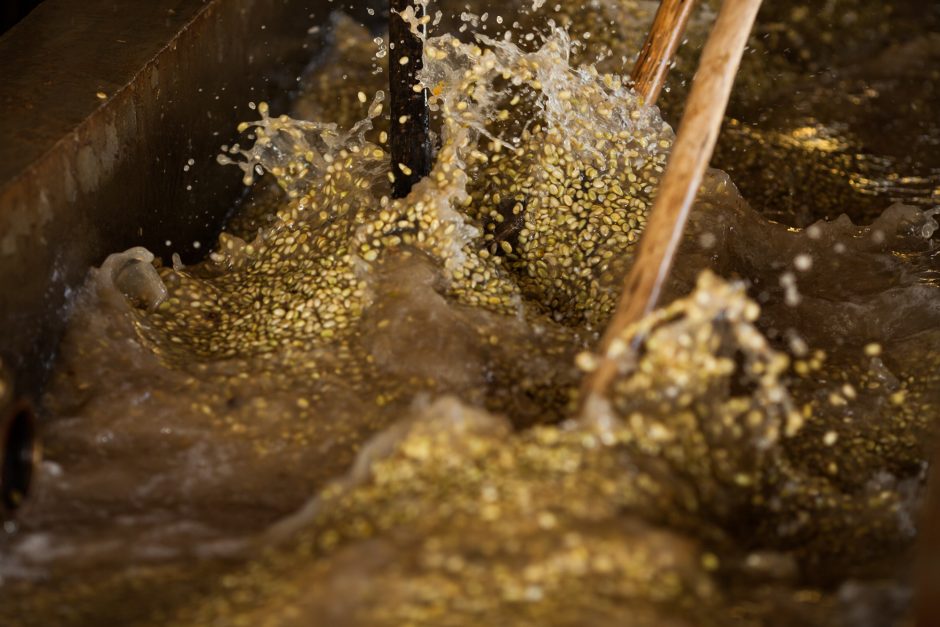
In terms of processing methods, Yirgacheffe coffee beans are mainly divided into washed and natural (sun-dried) types. Washed Yirgacheffe is characterized by its clean and bright acidity, often featuring citrus, lemon, and jasmine floral aromas, and is suitable for light roasting. Natural processed beans, on the other hand, exhibit richer fruitiness and sweetness, with prominent berry notes and relatively softer acidity. Both processing methods have their unique characteristics, catering to the taste preferences of different coffee enthusiasts.
The native Heirloom variety is the primary cultivar used in Yirgacheffe coffee. With over 10,000 coffee varieties in Ethiopia that remain incompletely classified, these traditional varieties are collectively referred to as Heirloom. These varieties thrive in high-altitude environments and can express a wealth of floral and fruity notes, forming an essential part of Yirgacheffe’s distinctive flavor profile.
For coffee enthusiasts looking to try Yirgacheffe, it is recommended to start with Grade G1 beans processed using the washed method. These beans typically have a clearer acidity structure and are suitable for various brewing methods such as pour over and drip bags. In terms of roast level, light roasting preserves the maximum amount of floral-fruit aroma and acidity, making it an ideal choice for those who prefer light to medium roasts.
Regarding brewing parameters, it is recommended to use a V60 filter dripper, with water temperature controlled at 92–93°C, a coffee-to-water ratio of 1:15, and a grind size of approximately 78% through a #20 sieve (similar to granulated sugar). The specific steps include: pouring 30 grams of water for a 30-second bloom, followed by adding 95 grams of water, then pouring another 100 grams of water when the water level drops to two-thirds of the coffee bed. The total extraction time is about 1 minute and 35 seconds. These parameters can fully highlight the floral-fruit aromas and layered acidity of Yirgacheffe.
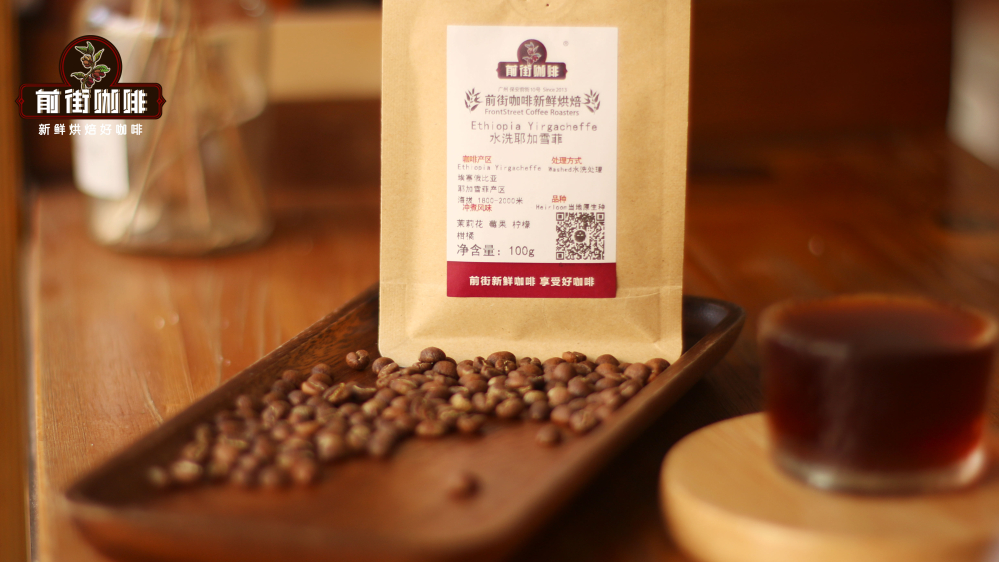
Whether you choose washed or natural processed Yirgacheffe, you can experience the unique flavor charm of this region. From the refreshing citrus acidity to the rich floral notes, and finally the tea-like aftertaste, Yirgacheffe offers coffee enthusiasts an excellent starting point for exploring Africa’s specialty coffees.
The above content is compiled by CoffeeHunters, a coffee news website.


