








Introduction:Golden Mandheling is a premium-grade Mandheling coffee from Sumatra, Indonesia, renowned for its rich body and unique herbal-spicy aroma. This article provides an in-depth look at its origin, the PWN selection process, the characteristics of the wet-hulled method, the history of the Ateng variety, and offers practical three-stage pour-over parameters to help you brew a golden Mandheling with clear layers and a clean, sweet profile at home.
Regarded as the pinnacle of Mandheling coffees, Golden Mandheling is celebrated for its bold, full-bodied flavor and enchanting herbal and spicy notes, making it a favorite among seasoned coffee enthusiasts. This specialty coffee hails from Sumatra, Indonesia, where it is meticulously selected and processed by the renowned PWN coffee company, utilizing the region’s unique wet-hulling technique to create a distinctive flavor profile. This article will explore everything from the growing environment and processing methods, to varietal evolution and practical brewing tips, offering a complete introduction to the allure of this classic coffee—so you can easily brew a fragrant, layered Golden Mandheling at home.
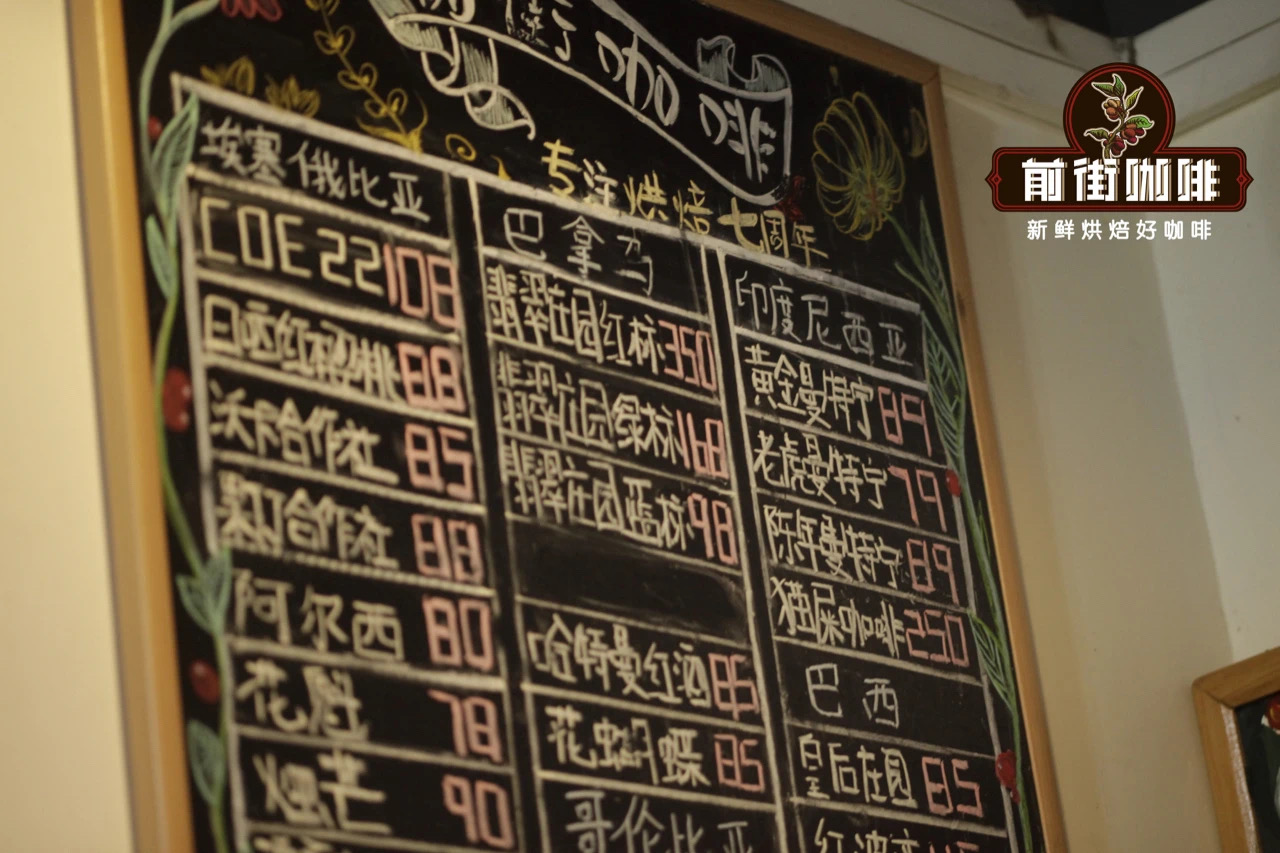 Mandheling coffee has long been known for its bold, full-bodied taste and forest-like herbal aroma, earning it the title “gentleman of coffees.” Among the various Mandheling offerings, Golden Mandheling is undoubtedly the top-tier representative. Next, we’ll take a closer look at this premium coffee bean from Sumatra.
Golden Mandheling is produced in northern Sumatra, Indonesia, one of the country’s main Arabica coffee-growing regions. Although Indonesia is the largest coffee producer in Asia, most of its output consists of disease-resistant, high-yield Robusta beans. High-quality Arabica is grown only at higher elevations, with Mandheling coffee from Sumatra being the most famous.
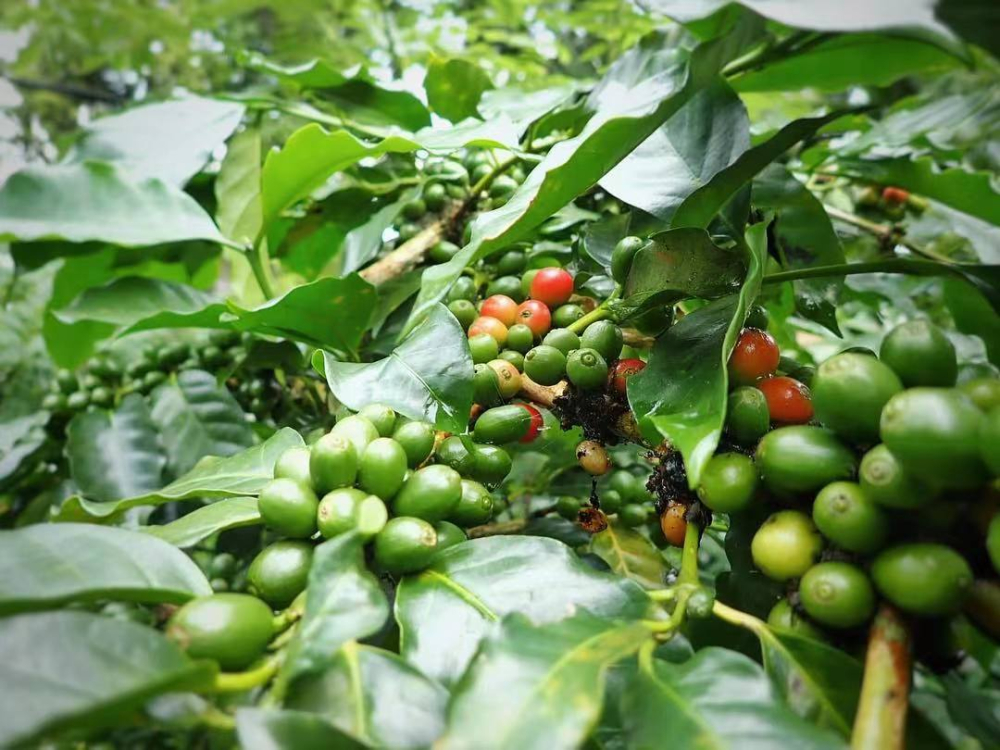
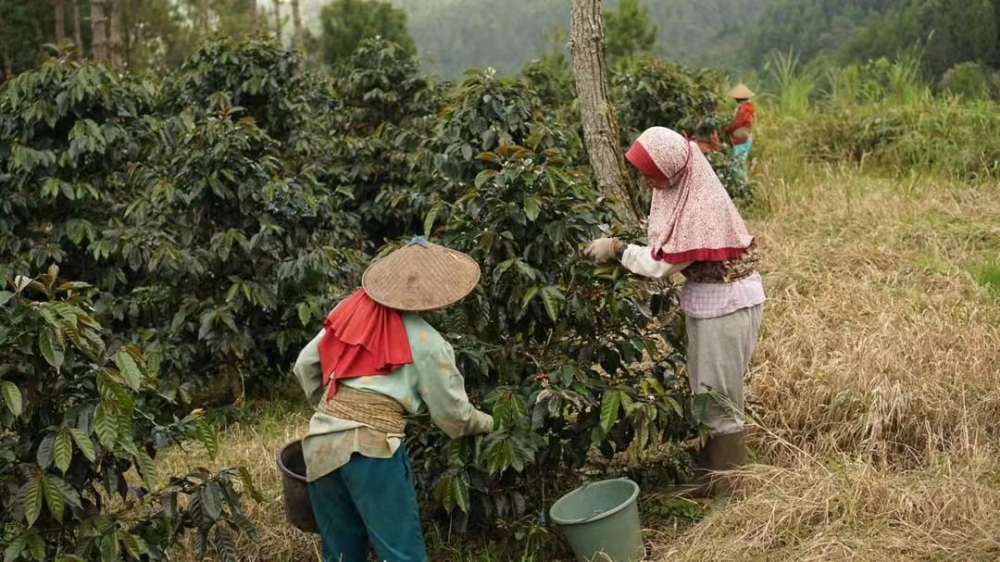
Located near the equator, Sumatra has a typical tropical rainforest climate, with high temperatures and humidity year-round, misty mountains, and abundant rainfall—creating ideal growing conditions for coffee trees. Local coffee farmers often cultivate coffee in volcanic soil areas near Lake Tawar and Lake Toba, especially in the Gayo Mountains. The moderate altitude, combined with a tradition of organic farming and long-term cultivation experience, produces exceptionally high-quality beans. PWN Coffee Company has recognized the potential of this region and has long been selectively sourcing premium green beans from there.
PWN is a highly reputable coffee trader in Sumatra, dedicated to purchasing and selecting high-quality Mandheling green beans. Through multiple rounds of mechanical screening and up to three rounds of manual hand-picking, they remove defective beans, retaining only plump, flawless quality beans to ensure each meets the G1 grade standard for specialty coffee. G1 means no more than 3 defects per 300 grams of green beans, and bean size must be 18 mesh or larger. Thanks to this strict selection process, PWN’s Golden Mandheling boasts an extremely low defect rate, resulting in cleaner flavors and more pronounced sweetness.
Notably, PWN once registered the English trademark “Golden Mandheling” to protect the product’s uniqueness, meaning that only PWN-produced coffee of this kind can be called authentic “Golden Mandheling.” Therefore, when purchasing, it’s recommended to look for products from PWN to experience the most genuine flavor.
The wet-hulled method (Giling Basah) used in Sumatra is a key process in producing Golden Mandheling. Due to the region’s consistently humid, rainy climate and lack of sufficient sunlight and drying facilities, traditional washed or sun-dried processing is difficult to implement. As a result, local farmers developed the wet-hulled method, which significantly shortens fermentation and drying times, completing the process in just about four days.
This method involves removing the outer layer of the coffee bean while it is still semi-dry and the parchment layer has not fully separated, followed by rapid sun drying. Since the beans are ground to remove their protective outer layer at a relatively high moisture content, their structure becomes fragile and prone to cracking during sun exposure, necessitating strict screening. It is this special processing method that gives Sumatran Mandheling its distinctive herbal, earthy, and spicy notes—a hallmark of its flavor profile.
The variety used in Golden Mandheling is Ateng, actually a hybrid of Arabica and Robusta, also known as Catimor. This variety was introduced to Indonesia in the early 20th century, when the country’s coffee industry was ravaged by leaf rust disease, wiping out many traditional varieties. To enhance disease resistance and yield, the government introduced this hybrid of Robusta and Arabica. Ateng is known for fast growth, stable yield, and strong disease resistance, but due to its genetic makeup, it typically offers less prominent flavor. However, through PWN’s rigorous selection and the unique wet-hulling process, it can still reveal remarkable flavor potential.
When brewing Golden Mandheling, it is recommended to use a three-stage pour-over method to better highlight its layered aromas and flavors. Here are some practical pour-over parameter suggestions:
Filter:KONO filter
Water temperature:87~88°C
Coffee dose:15 grams
Coffee-to-water ratio:1:15
Grind size:Medium (about 70% passing through a Chinese standard No. 20 sieve, similar in feel to fine sugar grains)
Suggested brewing steps: Start with a bloom using twice the coffee dose (about 30 grams) of water to moisten the grounds and release CO₂ for around 30 seconds; then pour water in small streams in a circular motion from the center outward. When the total water volume reaches 125 grams, pause and wait for the coffee bed to drop to about half the height of the filter before continuing to pour with the same fine stream until 225 grams. Finally, let the filter drip to completion, aiming for a total brew time of around 2 minutes.
Using a KONO filter helps the filter paper adhere more tightly to the cup walls due to its specially designed curved upper edge, reducing side airflow interference and directing hot water to flow downward, mimicking a siphon effect, which enhances the coffee’s richness and roundness. The slightly coarser grind size and lower water temperature setting also help suppress over-extraction, avoiding excessive burnt, bitter, or off-flavor notes.
The brewed Golden Mandheling typically presents a rich profile of dark chocolate, nuts, and caramel, with a lingering finish of subtle spices and herbal notes. The overall mouthfeel is bold, full-bodied, and well-layered—making it a high-quality dark roast coffee perfect for slow, mindful sipping.
Note that Golden Mandheling usually reaches its peak flavor 4–7 days after roasting, and it’s recommended to enjoy it during this period for the best experience. If left too long (generally beyond one and a half months), the aroma may gradually fade, and woody or cardboard notes may emerge. Therefore, choosing freshly roasted and properly stored beans is key to enjoying the delicious qualities of Golden Mandheling.
The above content is compiled by CoffeeHunters, a coffee news website.


