







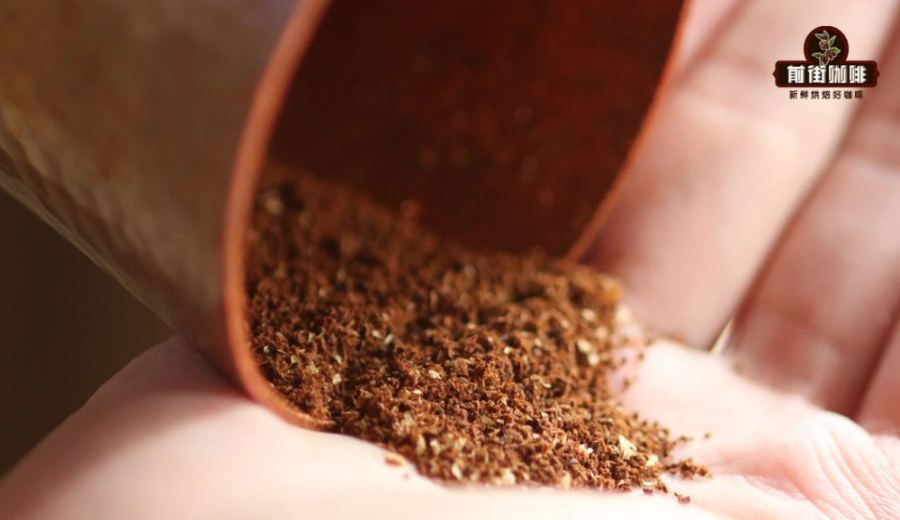
Introduction:Grind size is a key variable in pour over coffee, directly affecting extraction efficiency, brew flow rate, and the final flavor profile. This article delves into how grind coarseness impacts pour over brewing, comparing the extraction differences between too fine and too coarse grinds, and provides grind reference ranges for various brewing methods including pour over, French press, and espresso. It also details the calibration method for 20-mesh sieve throughput rate to help you precisely adjust your grind settings. Whether you're working with light to medium roasted beans or medium to dark roasted beans, you can find the optimal flavor balance.
In the world of pour over coffee, numerous factors influence the flavor of a cup, but “grind size” is arguably the most critical. From brew flow rate and extraction efficiency to the resulting flavor complexity, the coarseness of the grind plays a decisive role. This article will systematically break down how coffee particle size affects extraction outcomes, helping you understand the typical characteristics of grinds that are too fine or too coarse. It also offers grind recommendations for common brewing devices such as pour over, French press, moka pot, espresso, cold brew, and ice drip, allowing you to easily master the core of brewing.
Of particular note, the article introduces a calibration method for 20-mesh sieve throughput rate, helping you find the most suitable grind setting for both light to medium roasted and medium to dark roasted coffee beans based on your needs. Additionally, we will observe and compare the actual effects of different grind sizes on brew time, concentration, and taste, so you not only understand the results but also the reasons behind them.
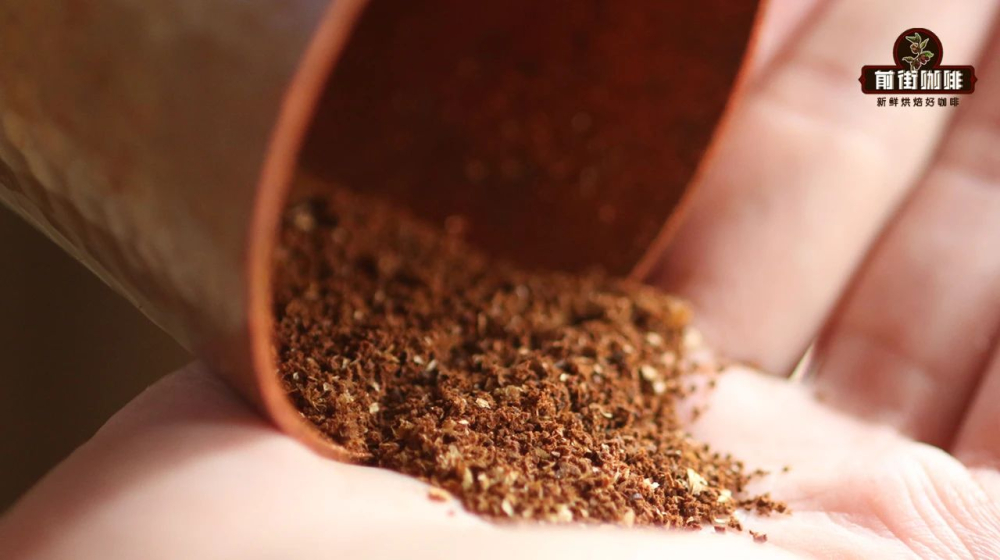
The coarseness of coffee grounds essentially refers to the size and uniformity of the coffee particles, and these two factors directly determine the contact area and rate between water and coffee. When other variables such as water temperature and coffee-to-water ratio are fixed, the finer the particles, the larger the surface area in contact with water, leading to more efficient extraction of flavor compounds and a relatively higher concentration. Conversely, if the particles are too coarse, water passes through the coffee bed too quickly, resulting in short contact time, under-extraction, and often a dull, unremarkable flavor.
More specifically, finely ground coffee has less space between particles when stacked, increasing filter paper resistance and slowing water flow, which extends brew time. This often extracts more substances, resulting in a richer taste, but if not controlled properly, it can also bring excessive bitterness and astringency. On the other hand, coarse particles allow water to pass through quickly, preserving more bright acidity, but often result in a thin flavor due to insufficient extraction.
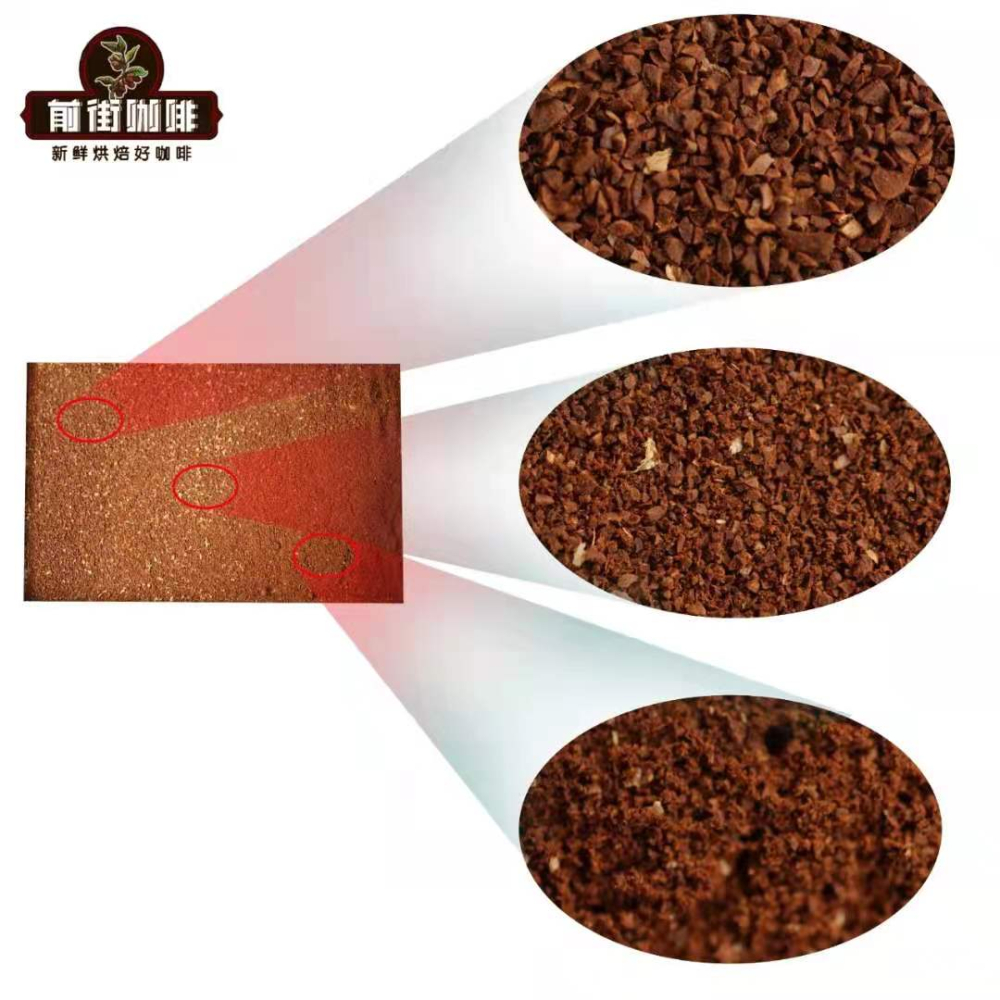
So, just how important is grind size? The answer: extremely. For the same amount of coffee beans, the finer the grind, the more cuts are made, the smaller the particle size, and the more surface area water can access. Conversely, the coarser the grind, the larger the particles and wider the gaps, allowing water to pass through rapidly, making it difficult for flavor compounds to be fully released. This not only reduces concentration and body, but sometimes also highlights acidity more prominently. This explains why many coffee enthusiasts repeatedly emphasize the importance of “precise grinding.”
In the industry, there is a widely recognized reference standard—cupping. Cupping was originally used to evaluate green bean quality, but it has also become an important basis for establishing brewing parameters. Notably, the standard grind size for cupping is exactly a 20-mesh sieve throughput rate of 70–75%, providing us with an important benchmark.
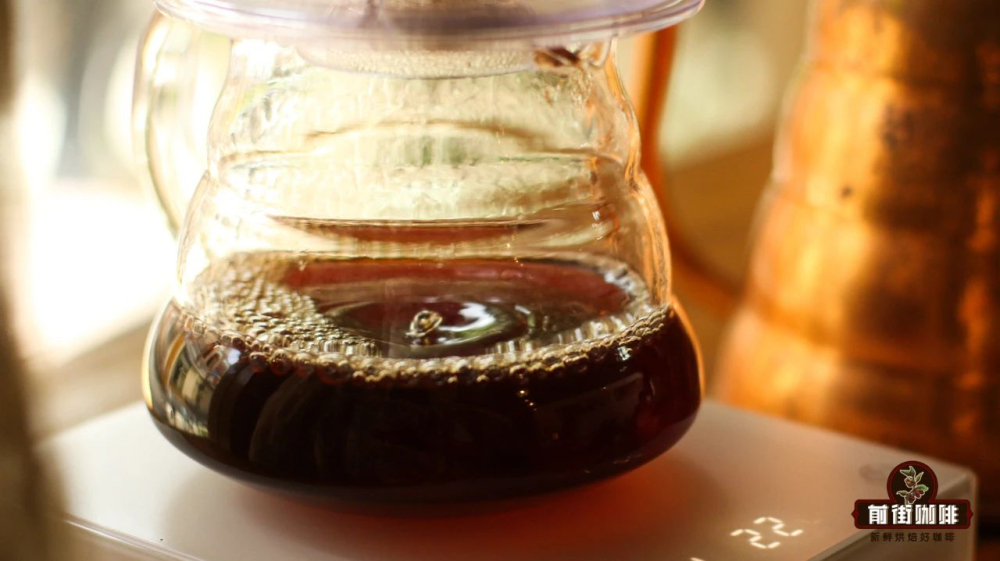
For pour over coffee, the suitable grind range is typically a 20-mesh sieve throughput rate of 70–80%, appropriate for common drip brewing devices such as V60, KONO, folded paper filters, fan-shaped filters, cake filters, siphon brewers, and American drip coffee machines. Since pour over is a drip filtration method, brew time generally falls between 1 minute 30 seconds and 2 minutes 30 seconds. To extract sufficient flavor in a relatively short time, the grind size usually needs to be slightly finer than cupping standards.
Further broken down, for light to medium roasted coffee beans, such as popular varieties like Huā Kuí (花魁), Geisha (瑰夏), and Xiǎo Zhǎ (希爪), it’s recommended to grind them to a coarseness similar to superfine sugar, with a throughput rate of about 75–80%, helping to highlight bright floral and fruity aromas. For medium to dark roasted beans, such as Golden Mandheling, Queen Estate, and Blue Mountain No.1, which undergo longer heating times and have a denser structure, a granular feel similar to white sugar is more suitable, with a throughput rate controlled at 70–75% to balance release speed and avoid over-extraction.
However, it’s worth noting that even when using the same grinder and the same setting, coffee beans from different origins or with different densities may still produce varying particle sizes. For example, certain Ethiopian Yirgacheffe beans and Colombian Rose Valley beans may differ by more than 5% in throughput rate under the same settings. Therefore, if you’re unsure about the grind size, it’s most reliable to calibrate using the same coffee beans.
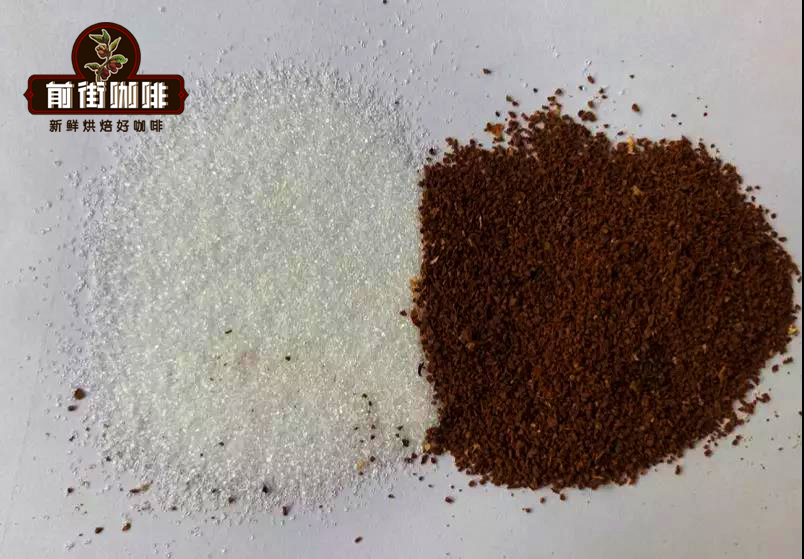
When the grind is too fine, coffee particles are tightly packed, significantly increasing water resistance and often causing extended brew time, or even resulting in a compacted coffee bed where individual particles are hard to distinguish. In this case, the coffee is prone to over-extraction, resulting in a strong taste, but possibly accompanied by noticeable bitterness and astringency, with other delicate flavors being masked.
Conversely, if the grind is too coarse, the gaps between coffee particles are too large, allowing water to pass through quickly, resulting in short brew time and reduced concentration and extraction rate. The resulting cup often tastes weak and insipid, with acidity possibly noticeable but lacking layers and aftertaste, making the overall experience rather bland.
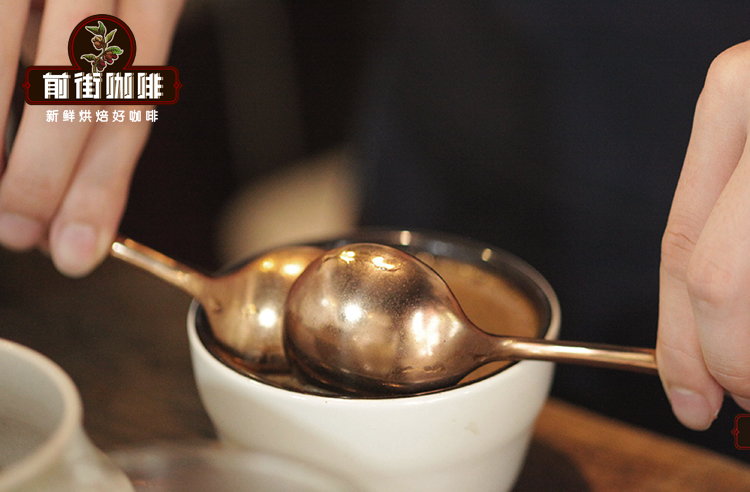
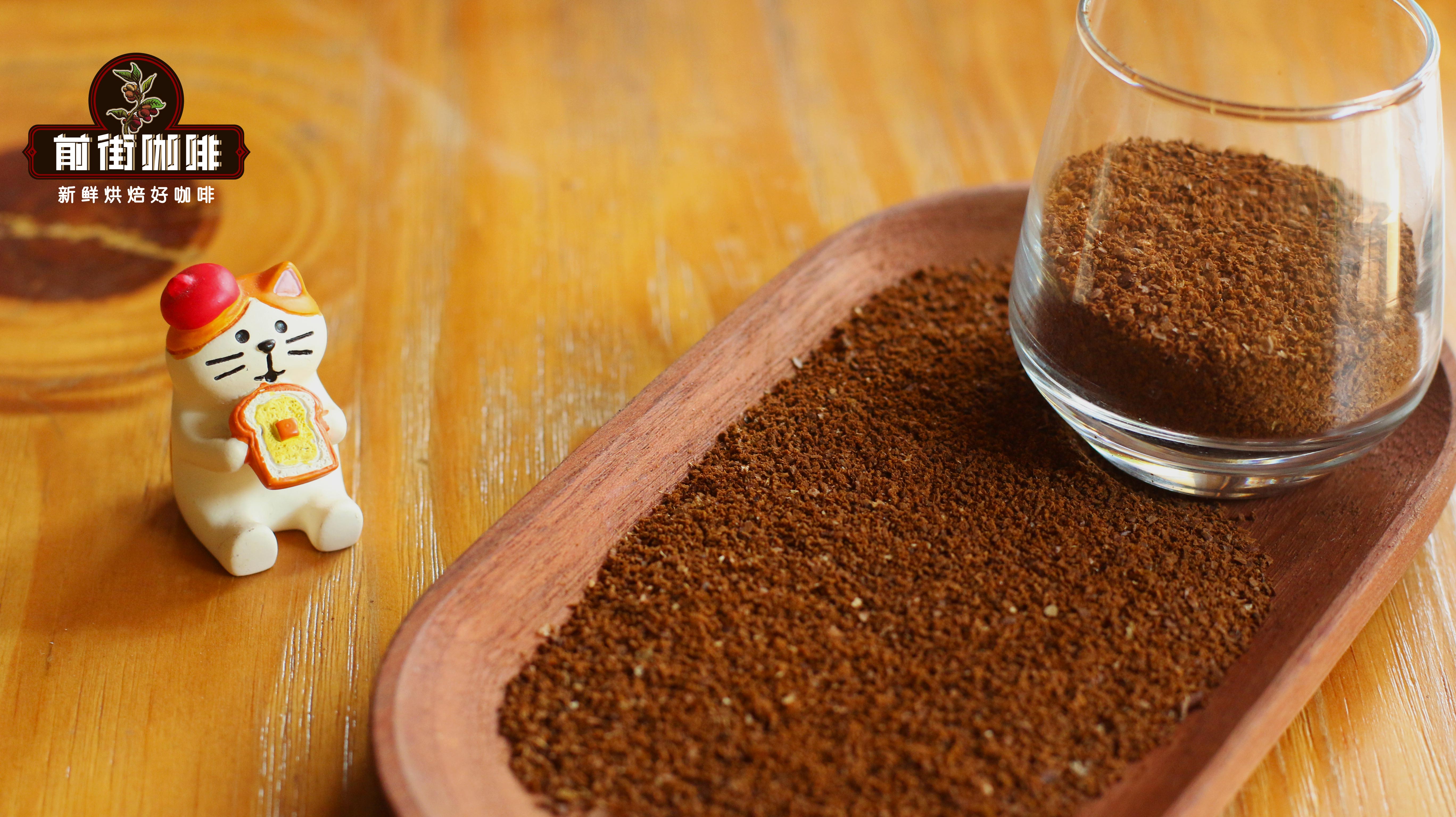
Different brewing devices have varying requirements for grind coarseness. Generally speaking, from coarse to fine, the order is roughly: French press > pour over coffee > cold brew/ice drip > espresso machine. For example, espresso machines require an extremely fine grind, much smaller than a 0.85mm hole diameter, which cannot be measured with a 20-mesh sieve. Adjustment is usually done through repeated trial brews and tasting. A commonly used reference parameter is extracting 40g of espresso in 28 seconds with 20g of coffee (with an allowable error of ±1), which can be fine-tuned based on the espresso’s taste.
Although the moka pot also uses high-pressure extraction, its grind size is slightly coarser than that of espresso machines, yet still finer than 0.85mm, and cannot be tested with a 20-mesh sieve. The judgment standard can refer to the gaps in the moka pot’s coffee chamber—ensure the coffee particles do not fall through.
As for cold brew and ice drip, which involve low-temperature, long-duration extraction, the flavor release rate is slow. To avoid excessive bitterness and astringency, it’s recommended to control the grind size within a 20-mesh sieve throughput rate of 80–85%. For a stronger flavor preference, choose 85%; for a crisper taste, reduce to 80%.
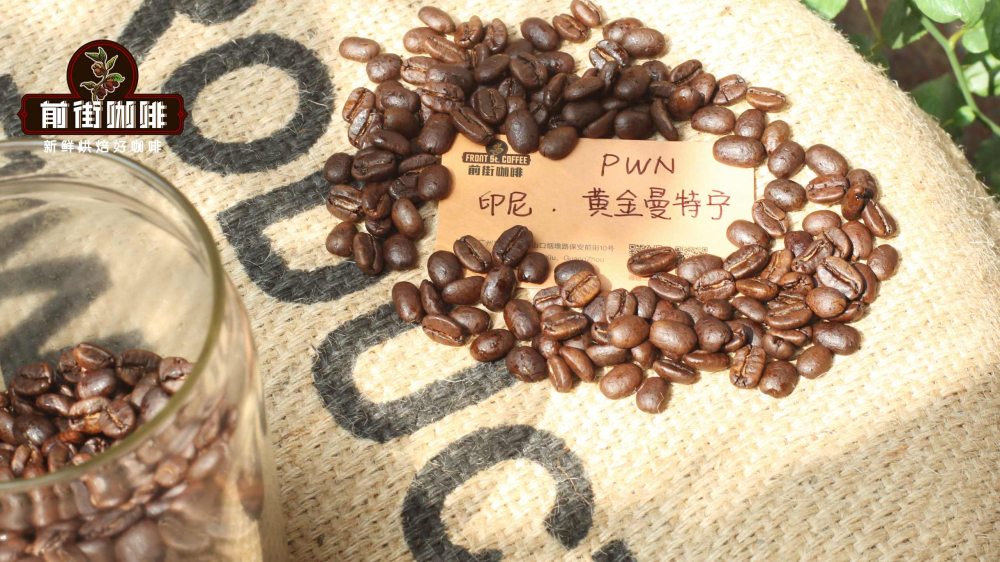
The French press uses immersion brewing with a relatively long steeping time (usually around 4 minutes), and its metal filter is coarser. To avoid over-extraction and fine particle leakage, it’s recommended to use a coarser grind size, typically a 20-mesh sieve throughput rate of 68–75%. For light to medium roasted beans, aim for 70–75%; for medium to dark roasted beans, adjust to 65%–70%.
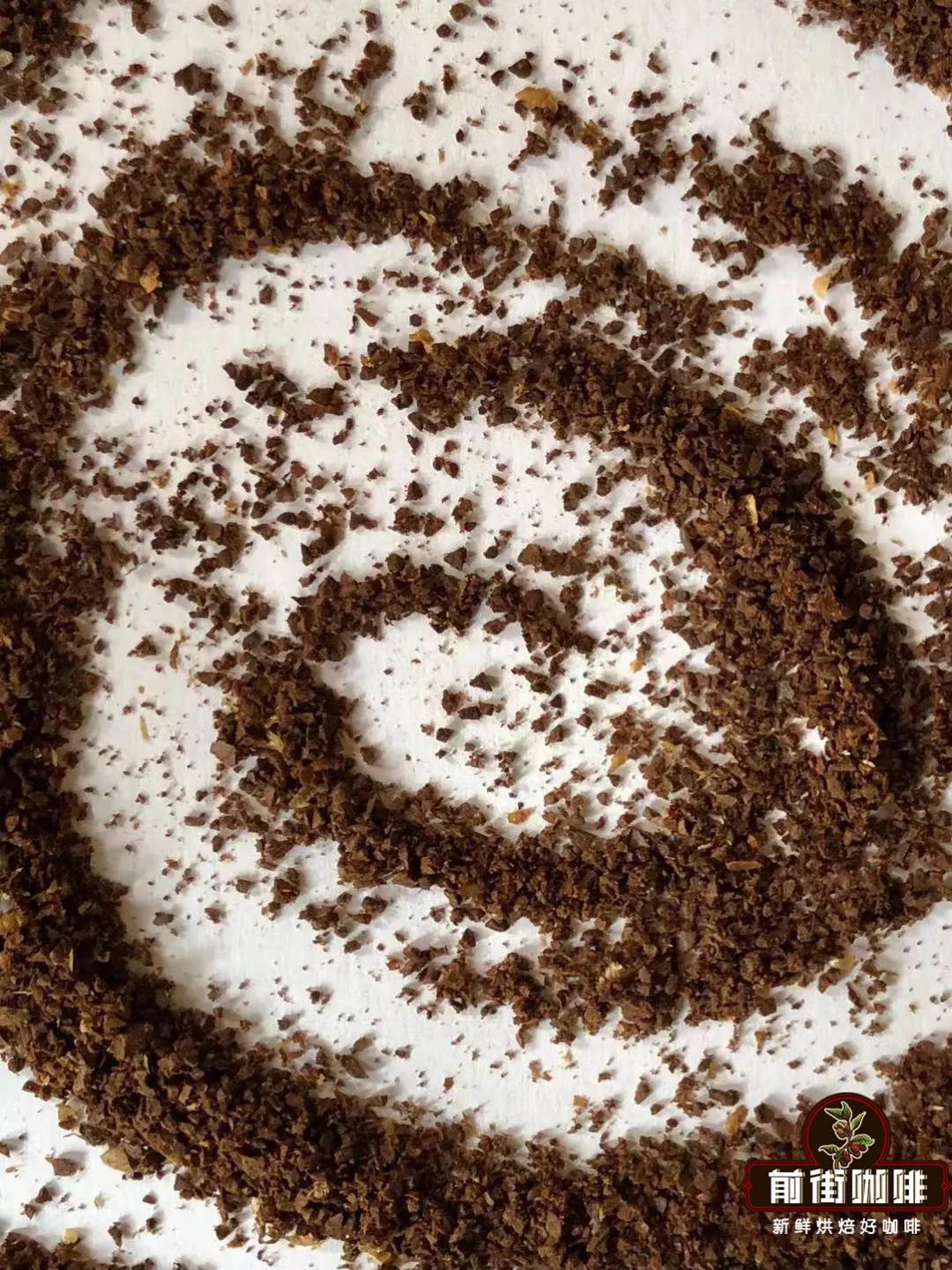
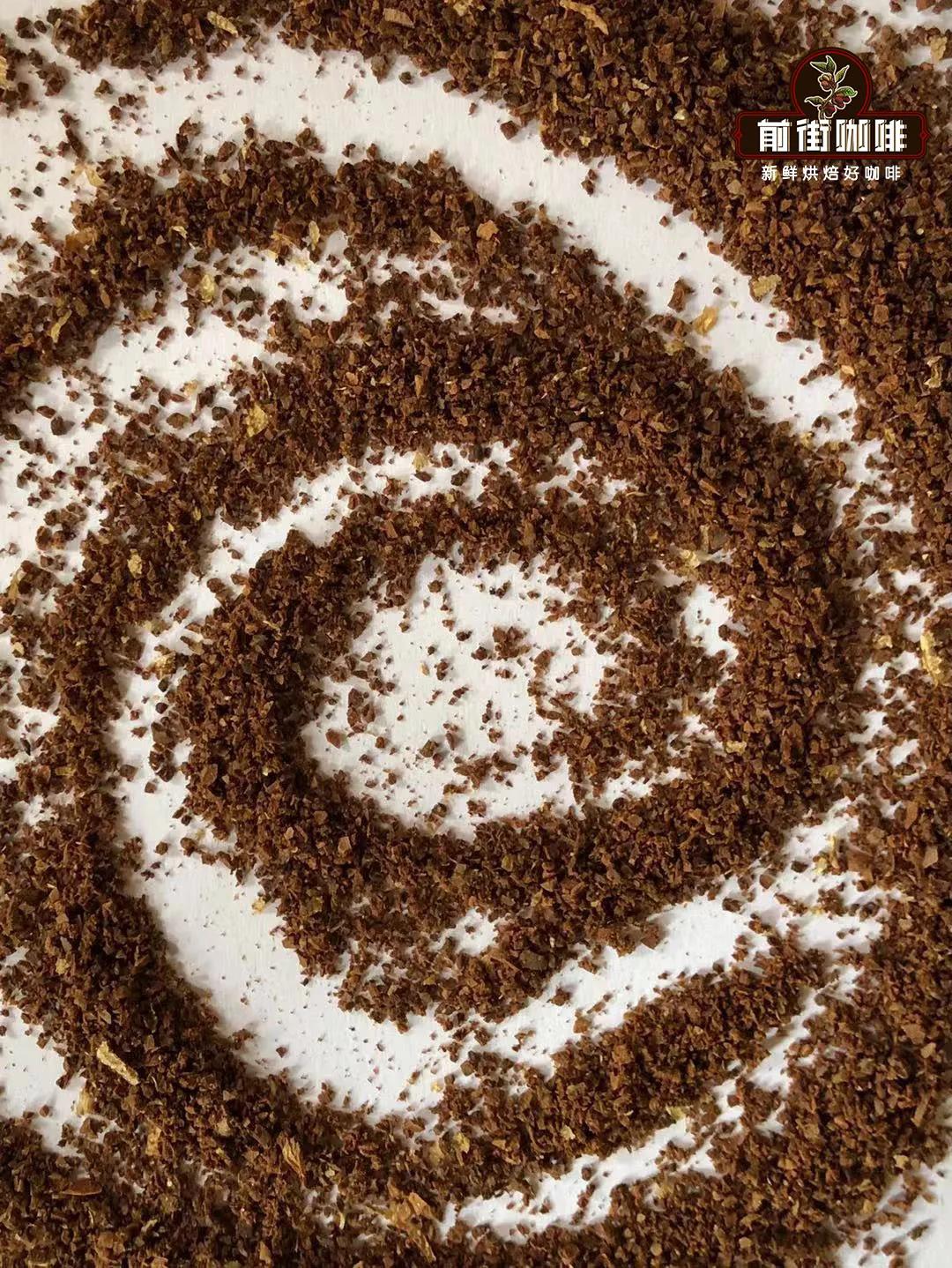
Finally, if you want to accurately master your grind size, consider learning to use a 20-mesh Chinese standard sieve (0.85mm aperture) for simple calibration: pour the ground coffee into the sieve, gently shake until no more particles fall through, then weigh the amount that passed through. For example, if 7.5–8g of 10g of coffee passes through, the throughput rate is 75–80%, which is the common grind range for pour over. The finer the particles, the higher the throughput rate; the coarser, the lower.
The above content is compiled by CoffeeHunters, a coffee news website.


