







Introduction:Want to explore the unique charm of Ethiopian Yirgacheffe coffee in depth? This article takes you from the regional background and variety characteristics to a detailed breakdown of the flavor differences between washed and natural processing methods. It also provides practical parameters for medium-light roasted beans suitable for pour over and cold brew, including water temperature, grind size, pouring technique, and extraction time. Whether you're a beginner or a coffee enthusiast, you'll find your own brewing inspiration here.
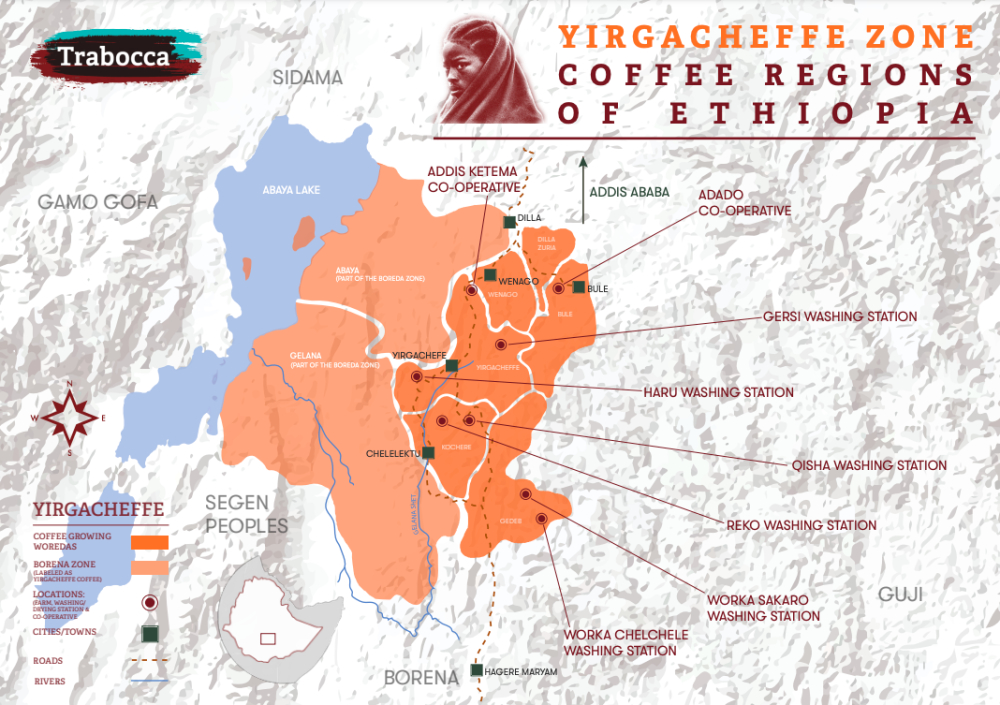
Yirgacheffe, a renowned coffee-growing region in Ethiopia, is world-famous for its delicate floral aroma and refreshing citrus acidity, making it a classic flavor representation for many specialty coffee lovers. As one of the important origins of global specialty coffee, Ethiopia has a long history of coffee cultivation. Yirgacheffe stands out from the Sidamo region due to its unique processing methods and bright taste, becoming an independent and highly regarded specialty coffee region.
Ethiopia is recognized as the birthplace of Arabica coffee. The beans from here often carry distinct regional characteristics, particularly known for their bright acidity and rich aromas. As specialty coffee has become more widespread, many people’s first encounter with pour over coffee was through the vibrant acidity and layered flavors of Ethiopian beans—experiences that changed their preconceived notions about coffee. And Yirgacheffe is the ultimate showcase of this charm.
Among the many Ethiopian regions, Yirgacheffe and Sidamo are often compared. Sidamo beans typically exhibit rich berry notes, while Yirgacheffe is known for its fresh, elegant floral aromas and citrus acidity. Both have their strengths. Especially under medium-light roasting conditions, Yirgacheffe can better showcase its delicate aromas and balanced sweet-and-acidic taste, making it a top choice for many pour over enthusiasts.
Originally part of the Sidamo region, Yirgacheffe gradually gained attention from the market and coffee farmers due to its exceptionally distinctive flavor profile. It even became a point of pride to be described as having “Yirgacheffe character,” eventually separating from Sidamo to become one of Ethiopia’s most representative specialty coffee regions. Its coffee often features white floral notes, lemon, blueberry, and other refreshing fruit acids, paired with a tea-like aftertaste—a flavor experience sought after by coffee aficionados worldwide.
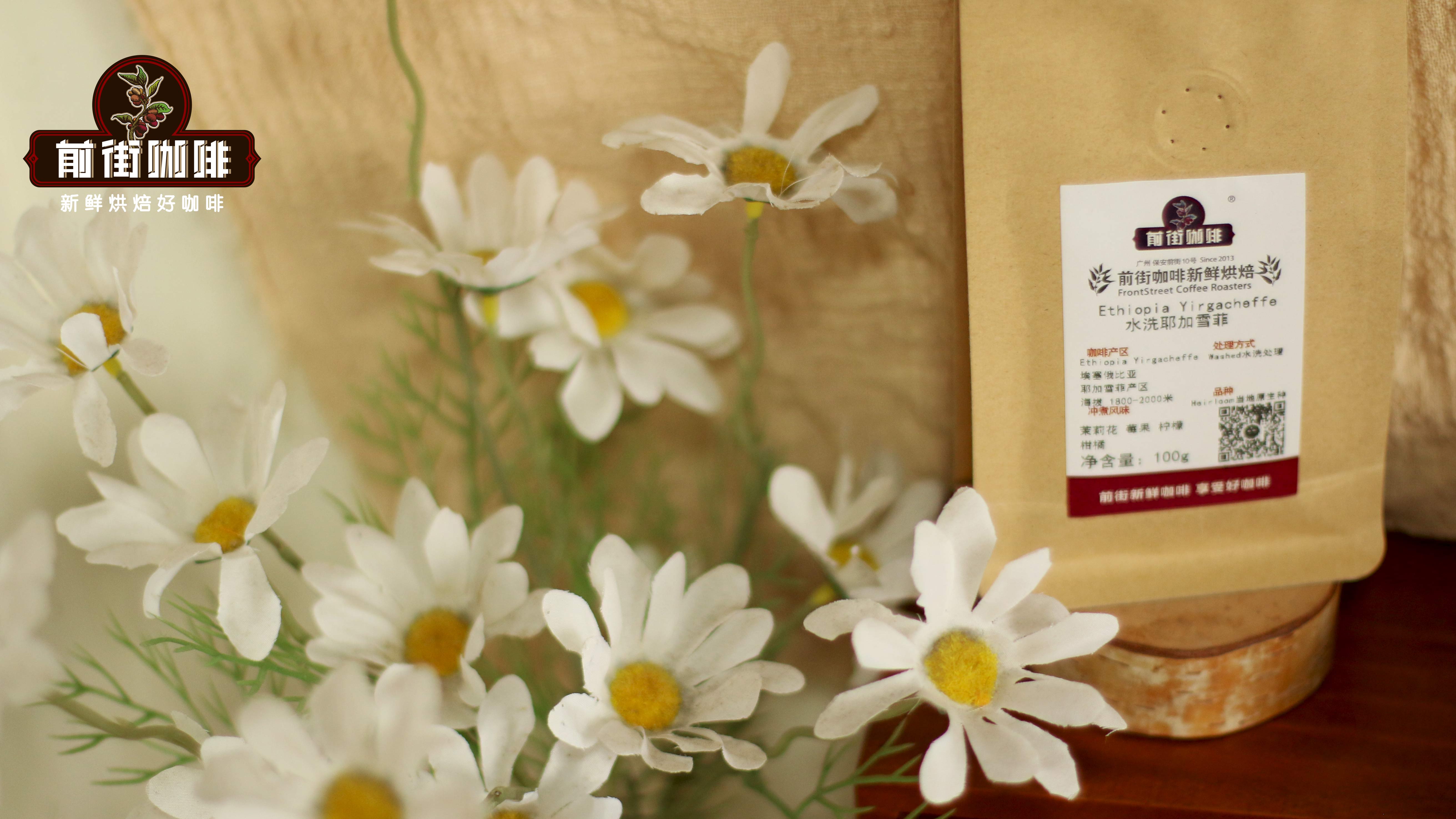
When it comes to Yirgacheffe processing methods, washed and natural are the two most common and also the key factors influencing the final flavor profile. The washed process was introduced to Ethiopia by the government in the 1970s. It involves removing the coffee cherry's skin and pulp, then washing away the mucilage layer with water, and finally drying the parchment-covered beans on raised beds. This meticulous process significantly reduces impurities and over-fermented flavors, resulting in a cleaner acidity and brighter citrus notes—the washed Yirgacheffe beans are a prime example of this method.

In contrast, although the natural process is more traditional, it can also demonstrate high quality potential after technical improvements. The natural method involves drying the whole coffee cherry directly on raised beds. During this process, the sugars from the fruit and mucilage can more fully penetrate the seed, imparting a richer fruit aroma, honey-like sweetness, and fuller body. A certain brand’s Yirgacheffe Natural Red Cherry is a representative of this processing method, featuring intense fermented fruit aromas and jasmine notes, with a distinct berry-like sweet-and-acidic taste and a smooth, lingering aftertaste upon tasting.
In terms of roast level, Yirgacheffe typically uses medium-light roasting to preserve its inherent characteristics, given its flavor inclination toward fresh fruit acids and floral notes. For pour over, since medium-light roasted beans release flavors more slowly, it is recommended to use a higher water temperature (around 91°C) and a finer grind size (80% passing through a Chinese standard No. 20 sieve), along with a filter cone like the Hario V60 that offers moderate flow rate, to fully highlight its delicate layers.
Recommended pour over parameters are as follows: Use 15 grams of coffee grounds, with a 1:15 coffee-to-water ratio. Begin with a 30-second bloom (adjust based on how much the coffee bed expands), then pour water in a slow spiral from the center out to 125 grams using a fine stream. After the water level drops, continue pouring to 225 grams. The total extraction time is about 2 minutes. These parameters help bring out Yirgacheffe’s distinctive citrus aroma and tea-like finish.
If you prefer a more expressive fruit aroma and pronounced sweetness, the natural-processed Yirgacheffe is a more suitable choice. Its flavor profile typically includes intense berry, honey, and jasmine notes, with a full-bodied mouthfeel and a long-lasting aftertaste. In contrast, the washed Yirgacheffe showcases bright lemon acidity, white floral notes, and a refreshing green-tea-like finish with a hint of milkiness. Both have their unique traits, and it’s recommended to try and compare them based on personal taste preferences.
Besides pour over, Yirgacheffe is also excellent for making cold brew. The cold brew process, which involves low-temperature steeping over a long period, effectively reduces the release of bitter and astringent substances while highlighting small-molecule flavors such as floral and fruity notes. The result is a smoother texture and more pronounced sweetness. It is recommended to use 30 grams of Yirgacheffe coffee beans (either washed or natural), ground to the size of fine sugar crystals, mixed with 300 grams of cold water at a 1:10 coffee-to-water ratio. Stir well, seal, and refrigerate for 12 to 24 hours. The ideal extraction time is between 6 to 8 hours—too long may lead to overly intense flavors, while too short may result in lighter aromas. After extraction, filter out the coffee grounds and refrigerate for about 4 hours before enjoying.


The above content is compiled by CoffeeHunters, a coffee news website.


