







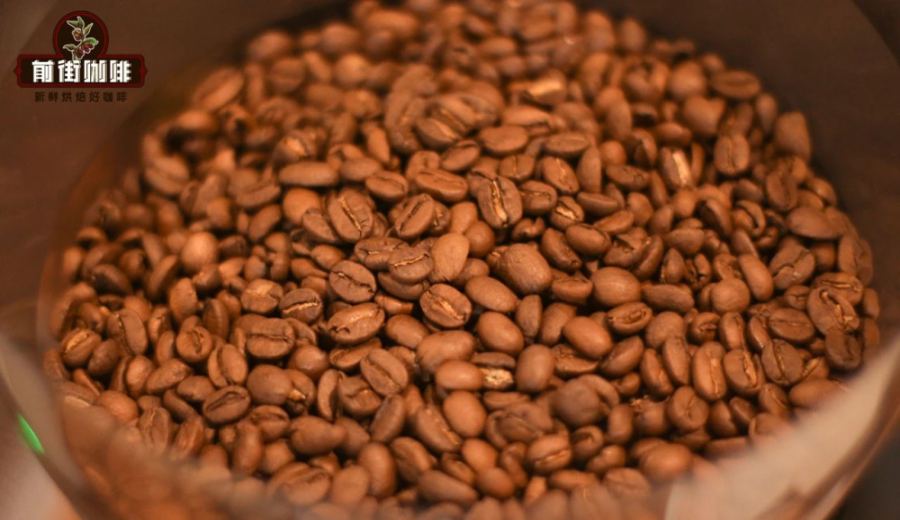
Introduction:To craft the ideal espresso, it’s the blend strategy and roast level that truly matter. This article delves into how to combine beans from diverse origins to create an espresso base that achieves a balanced acidity, sweetness, and bitterness—rich in body and long in aftertaste—while also introducing two highly practical blends suitable for both home use and cafés, helping you master the secrets of harmonious flavor.
The flavor profile of a great espresso is not determined solely by roast depth, but rather built upon a carefully designed blend. A truly ideal espresso should strike a delicate balance among acidity, sweetness, and bitterness—clean and bright on the palate, with a sweet and smooth aftertaste, while maintaining a solid body and lingering finish, even carrying a refreshing citrus-like acidity.
When such an espresso is used to make a cappuccino, it blends seamlessly with milk, preserving the coffee’s richness without masking the inherent sweetness of the milk, making it pleasant to drink even without added sugar. If using 100% Arabica beans, common espresso blends can be divided into two types: single-origin blends and multi-origin blends—the latter leverages the complementary characteristics of beans from different regions to enhance overall flavor expression and sweetness, while also compensating for the limitations in body that a single variety might have.
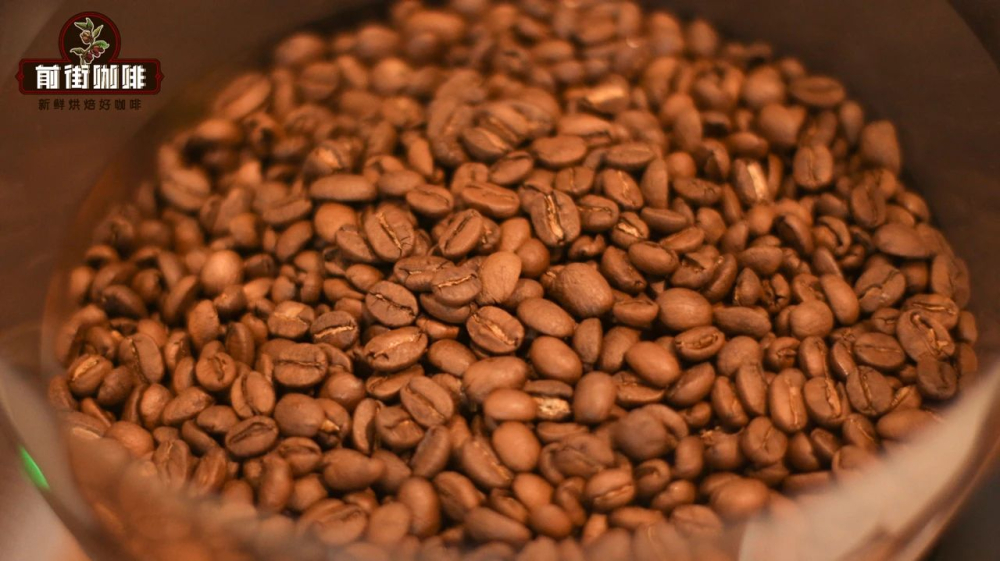
When selecting espresso beans,Classic Blendis the ideal entry-level choice for home users and coffee beginners. This recipe combines the bold aroma of Mandheling with the mellow taste of Brazilian beans, complementing each other perfectly. Notably, it introduces a small amount of Robusta to the traditional Mocha-Java blend, significantly enhancing the richness of the crema and the solidity of the body. It’s suitable for extraction with home semi-automatic machines and also meets the latte art needs of milk-based drinks.
For café operators,Dark Cocoa Base Blendoffers a more cost-effective everyday option. Made with 100% Arabica beans—Yunnan small beans and Brazilian Red Bourbon—its flavor is grounded in a nutty profile, paired with the lively acidity of ripe plums, and releases a rich aroma of creamy chocolate when ground. This blend works well with various espresso beverages, delivering a balanced and harmonious taste from Americano to milk coffee.
When designing an espresso blend, roasters typically use Brazilian beans as the base—these beans often carry a cocoa-like, rich chocolate flavor that provides a stable structural foundation. Kenyan beans are favored for their bright citrusy acidity (such as lemon or grapefruit notes), which can effectively enhance the freshness of the aftertaste. Bolivian beans share flavor traits similar to Brazilian beans and are often added to reinforce the core characteristics of the base beans; meanwhile, Papuan beans, with their higher oil content, can effectively increase the body (thickness) of the espresso, resulting in a smoother mouthfeel.
It’s worth noting that the creation of a high-quality espresso relies not only on bean variety selection but also on precise control of roast level.Medium-dark roast (Full City+ to Espresso range)is usually the mainstream choice, as it can bring out the rich undertones of nuts and chocolate while avoiding excessive charred bitterness that might mask the delicate layers of flavor. In practice, it’s recommended to fine-tune the roast curve based on the pressure and extraction parameters of your coffee machine to ensure a full crema and even water flow penetration.
In summary, the core of blending espresso beans lies in ‘complementarity’—harmonizing the acidity, sweetness, and body characteristics of beans from different regions to ultimately achieve a balanced flavor and elevated taste profile. Whether you’re a home user seeking convenience and flavor, or a café operator prioritizing cost-effectiveness and consistency, mastering these fundamental principles will take your espresso to the next level.
The above content is compiled by CoffeeHunters, a coffee news website.


