







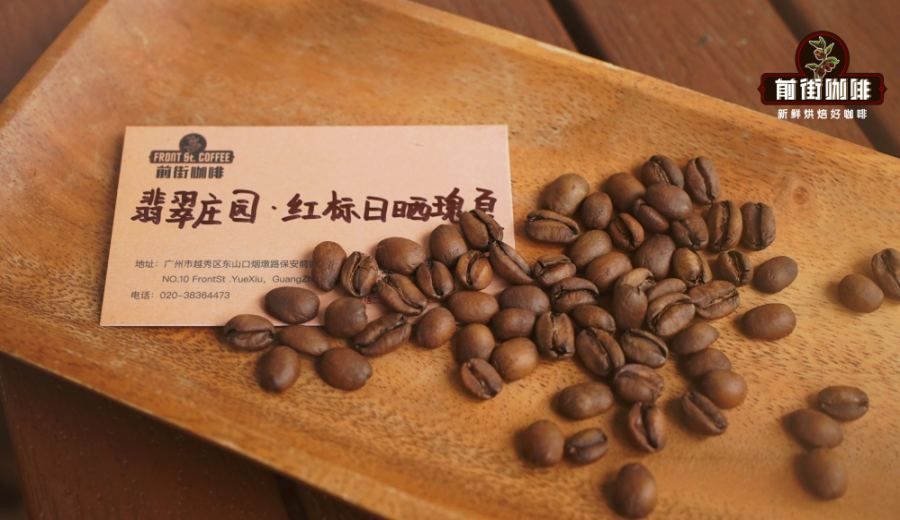
Introduction:The Geisha from La Esmeralda Estate is renowned for its distinctive floral and fruity aromas as well as its bright acidity. The Red Label and Green Label versions differ markedly in terms of origin, auction status, and price. This article provides an in-depth comparison of their characteristics, explains how medium-light roasting highlights the delicate flavors of Geisha, and offers practical pour over grind size, water temperature, and three-stage pouring techniques to help you accurately reproduce the layered profile of competition-grade Geisha.
The Geisha (Geisha) coffee variety is hailed as one of the finest in the coffee world due to its exceptional aroma and complex flavor profile. Among them, the Geisha produced by Panama’s La Esmeralda Estate is the most representative. This bean has not only achieved remarkable results in international competitions but also won the hearts of coffee enthusiasts worldwide with its delicate floral notes, high sweetness, and distinct fruitiness. This article will focus on two classic grades from La Esmeralda Estate—Red Label and Green Label—analyzing everything from origin, auction differences, to pricing. It also provides professional-level roasting and pour over parameters so you can brew Geisha with competition-level complexity at home.
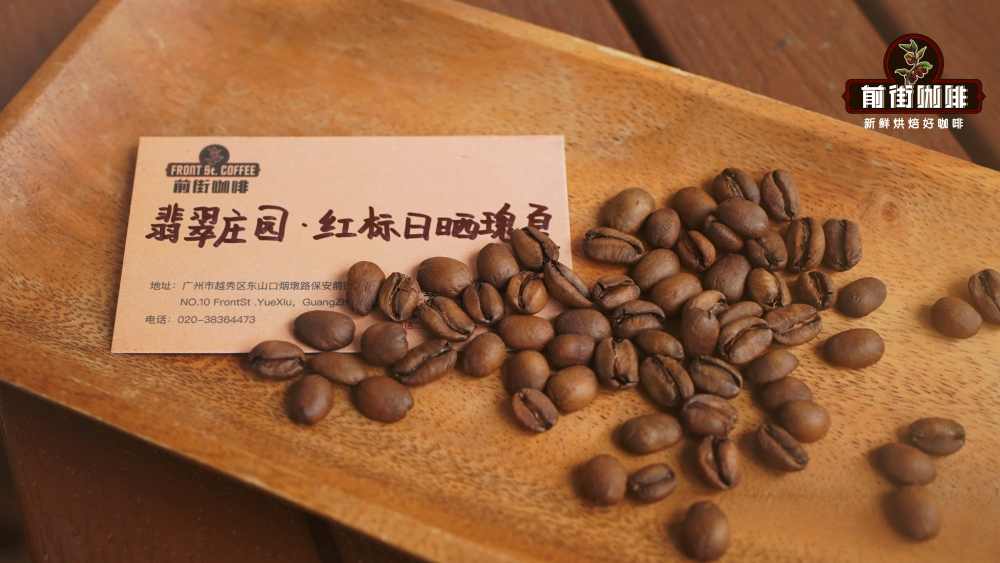
The most distinctive features of Geisha beans are their slender and elegant leaves, as well as their unique aroma profile. Upon tasting, they deliver a rich sweetness and exceptional cleanliness, with flavors transitioning from the initial notes of berries and citrus to mid-palate layers of tropical fruits such as mango, papaya, and peach. The finish often carries a refreshing bergamot-like (citrus) aroma, which is also the most memorable hallmark in cupping. Additionally, Geisha has consistently won championships in coffee competitions both domestically and internationally. Its cupping characteristics typically include medium body, pronounced sweetness, and rich tropical fruit layers, accompanied by an elegant rose-like aromatic finish.
La Esmeralda Red Label Geisha, also known as “La Esmeralda Special Selection,” is one of the estate’s most iconic top-tier lots. It is grown at altitudes between 1600 and 1800 meters, and its cupping scores consistently remain above 90 points. It mainly comes from two well-known micro-regions: Jaramillo and Cañas Verdes. It’s worth noting that some Red Label lots are from independent auctions organized by La Esmeralda Estate itself. These beans come from designated exclusive plots, often referred to by many coffee enthusiasts as “auction-grade Red Label.” A common question is which is better—the auction or non-auction Red Label? In reality, both come from the same growing regions, with the only difference being whether they were part of the auction process. If you’re drinking purely for enjoyment, the Red Label already offers a high enough standard, and it is relatively more affordable without the need to specifically seek out auction-grade. Red Label Geisha is usually processed via natural or washed methods, with flavor profiles dominated by bright floral notes and citrus tones, featuring clear layering and a long-lasting finish.
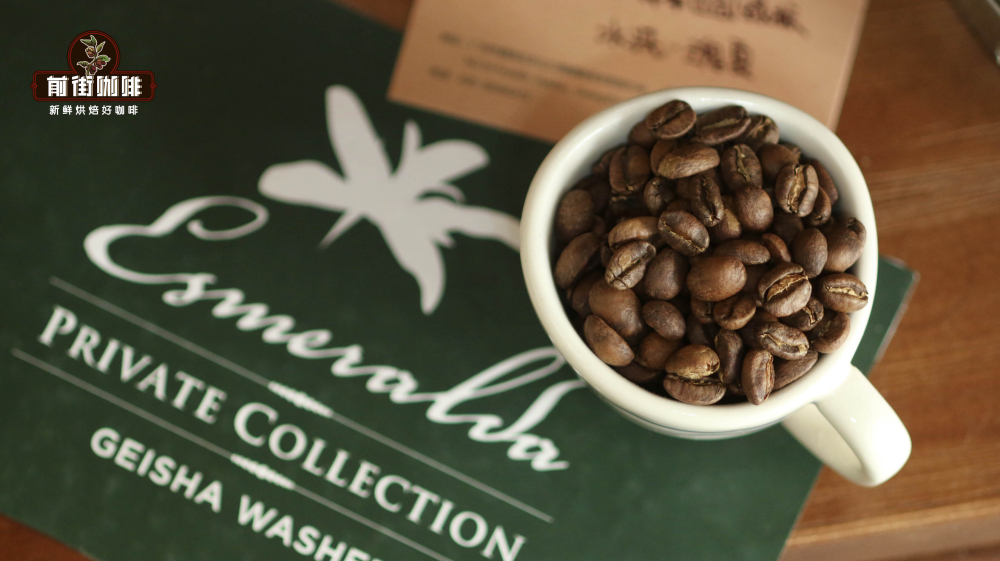
La Esmeralda Green Label Geisha belongs to the estate’s “Private Collection” series. Although it does not participate in independent auctions, it still maintains extremely high quality. Its growing altitude is similar to that of the Red Label, also ranging between 1600 and 1800 meters, but it consists of a blend of beans from multiple micro-regions such as Jaramillo and Cañas Verdes, making it impossible to trace back to specific small plots. Due to its blended nature, the flavor profile of the Green Label sometimes closely resembles that of the Red Label, but its price is usually only about half that of the Red Label. For consumers trying high-quality Geisha for the first time, it is an excellent value-for-money entry choice. If you plan to buy Geisha as a gift, or if you are an advanced coffee enthusiast, the Red Label remains the top recommendation.
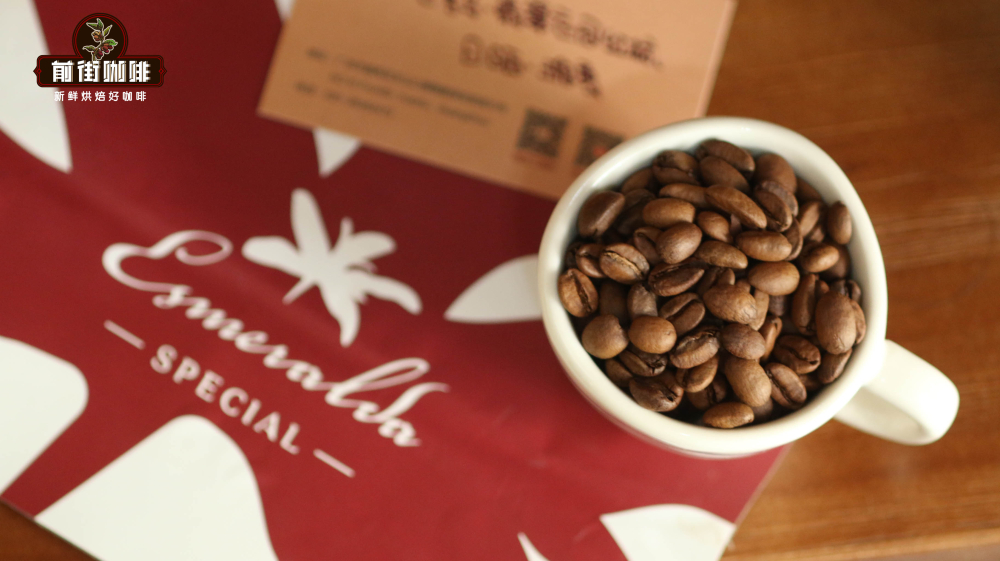
To fully showcase the unique floral and fruity aromas and bright acidity of Geisha beans, as well as to bring out a delicate sweetness reminiscent of roasted sweet potato, La Esmeralda Estate Geisha is typically medium-light roasted. This level of roasting not only preserves the bean’s inherent delicate flavors but also helps enhance the bright characteristics unique to high-altitude beans. However, because medium-light roasted beans have higher density, special attention must be paid to increasing extraction yield during brewing to fully release their layered profile. It is recommended to use a slightly higher water temperature to extract more aromatic compounds, and adjust the coffee-to-water ratio to 1:16 to achieve clearer and more balanced flavors. In addition, the dissolution rate of light-roasted beans is slower, so to ensure sufficient extraction, a finer grind size is recommended, with adjustments made based on actual brewing conditions.
There are several practical ways to determine the grind size for Geisha coffee beans: First, visually check if it is close to the coarseness of fine sugar; second, use a sieve to shake the ground coffee, aiming for about 80% of the particles to pass through an 80% sieve. If the brewing time exceeds 2 minutes and 20 seconds, it may indicate the grind is too fine, causing flow resistance; if it is less than 1 minute and 50 seconds, the grind may be too coarse, leading to under-extraction. Mastering these techniques can effectively improve the stability and flavor performance of your home brewing.
Below are the recommended pour over parameters for La Esmeralda Green Label Geisha, suitable for use with a V60 filter cone:
Filter cone: V60
Water temperature: 91–92 degrees Celsius
Coffee dose: 15 grams
Coffee-to-water ratio: 1:16
Grind size: Fine sugar size (recommended to sieve with a #20 sieve to achieve about 80% passing rate)
The pour over steps follow the classic three-stage pouring method: First, place 15 grams of coffee grounds into the filter cone, gently shake to level, and start timing. The first stage involves pouring 30 grams of hot water for the bloom, lasting about 30 seconds. Pour with a small stream of water, slowly circling from the center outward to ensure all coffee grounds are evenly saturated. The second stage involves pouring 120 grams of water, slightly increasing the water flow, and pouring in a vertical and even manner. The goal is to reach a cumulative total of 150 grams by around 55 seconds. This helps lift the coffee bed and promotes even extraction. In the final stage, when the liquid level drops to about halfway, slowly pour 90 grams of water using a small stream and tight circles, for a total of 240 grams. Aim to complete the dripping process around 2 minutes and 10 seconds. Be careful to control the water flow to avoid it being too strong, which could disturb the coffee bed and affect the integrity of the final extraction. After brewing, gently swirl the coffee in the server to enjoy the layered, aromatic La Esmeralda Green Label Geisha.
The above content is compiled by CoffeeHunters, a coffee news website.


