








Introduction:A deep dive into the differences between Ethiopia’s two classic regions — Yirgacheffe and Sidamo — dissecting everything from altitude and processing methods to pour over parameters. Through two representative beans, Gu Ding Ding and Hua Kui, we analyze their flavor profiles and brewing tips to help coffee enthusiasts master advanced tasting and brewing techniques.
As the birthplace of Arabica coffee, Ethiopia is home to the neighboring regions of Yirgacheffe and Sidamo, which not only share close geography but also present striking contrasts in their coffee flavor profiles. The beans from these two regions are commonly found among single-origin selections in specialty coffee shops and also serve as an entry point for many beginners exploring layers of coffee flavor.
Originally a small town under the former Sidamo province, Yirgacheffe has now become synonymous with specialty coffee. Its name, derived from the local language, means “let us settle in this wetland,” cleverly reflecting its superior growing environment.
Sidamo sits at an altitude of about 2100 meters, while Yirgacheffe generally exceeds 2600 meters. The low temperatures brought by high altitude slow down the ripening of coffee cherries, allowing them to accumulate richer aromatic compounds and amino acids. This results in Yirgacheffe’s signature bright acidity and tea-like flavor.
A washed Yirgacheffe bean launched by a certain coffee brand is known for its clear citrus notes and clean taste, often serving as many drinkers’ gateway into specialty coffee. In contrast, traditionally sun-dried Yirgacheffe (such as Gu Ding Ding) employs fruit fermentation to bring out a rounder sweetness and honey-like sheen, with relatively softer acidity.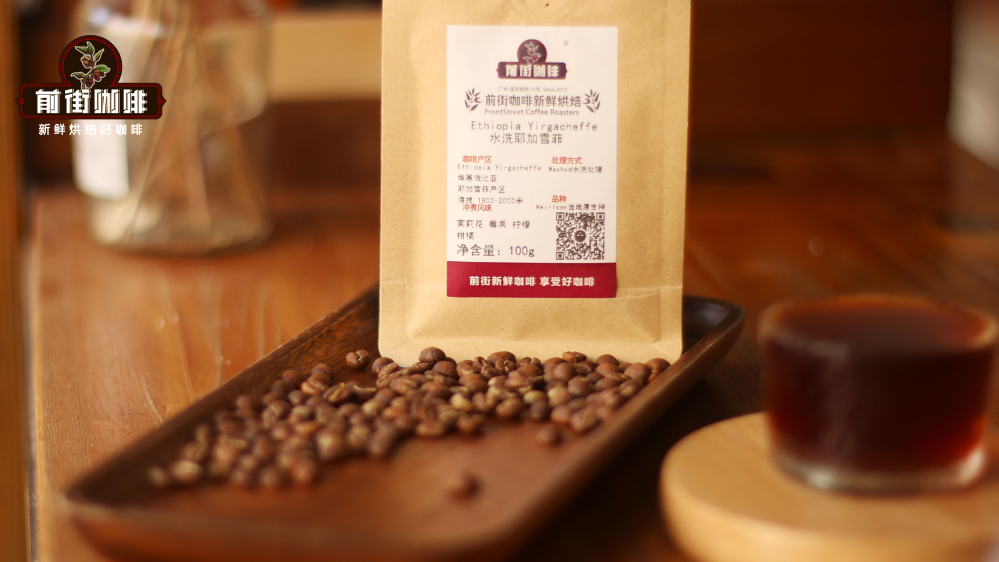
The coffee from the Sidamo region, on the other hand, showcases a different personality. Take Hua Kui as an example — its sun-dried processing grants a winey-chocolate richness, with a balanced acidity of berries and citrus, paired with cocoa bitterness, delivering complexity akin to red wine.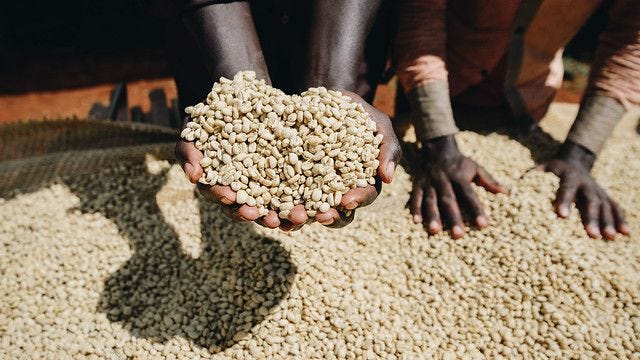
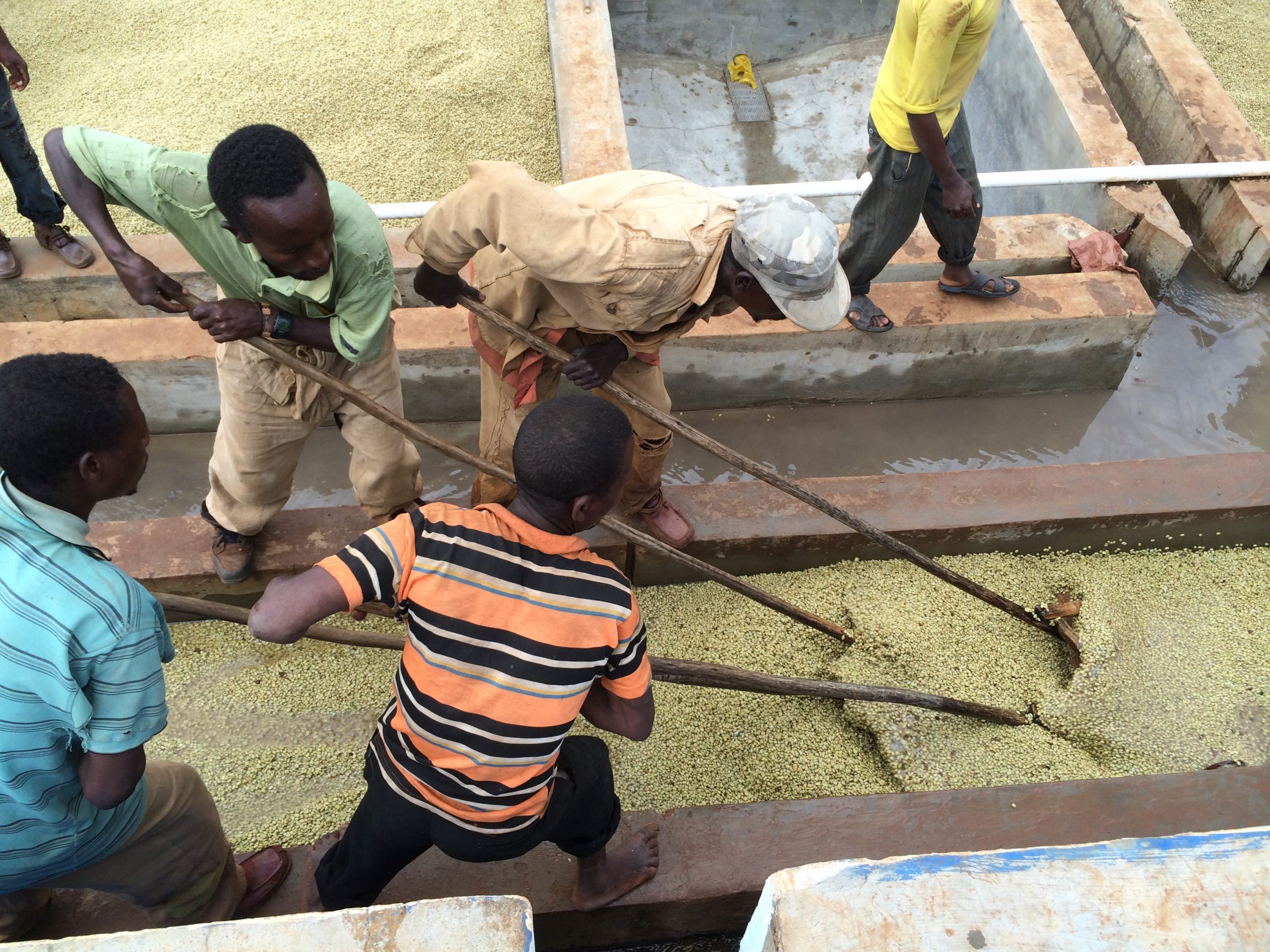
Regarding processing method differences, since Ethiopia introduced washed processing technology in 1972, Yirgacheffe has gradually adopted it as the mainstream, enhancing the clarity of acidity and the purity of aroma. Sun-dried processing, meanwhile, retains more fruity flavors, catering to drinkers who prefer sweetness and fuller body.
For brewing these two regional beans, it is recommended to use a Hario V60 #01 filter cone, with water temperature at 90–91°C and a coffee-to-water ratio of 1:15. A fine grind size (80% passing through a Chinese No. 20 sieve) helps highlight fruity acidity, while the V60’s spiral ribs and large hole design balance the extraction flow rate to avoid over-extraction.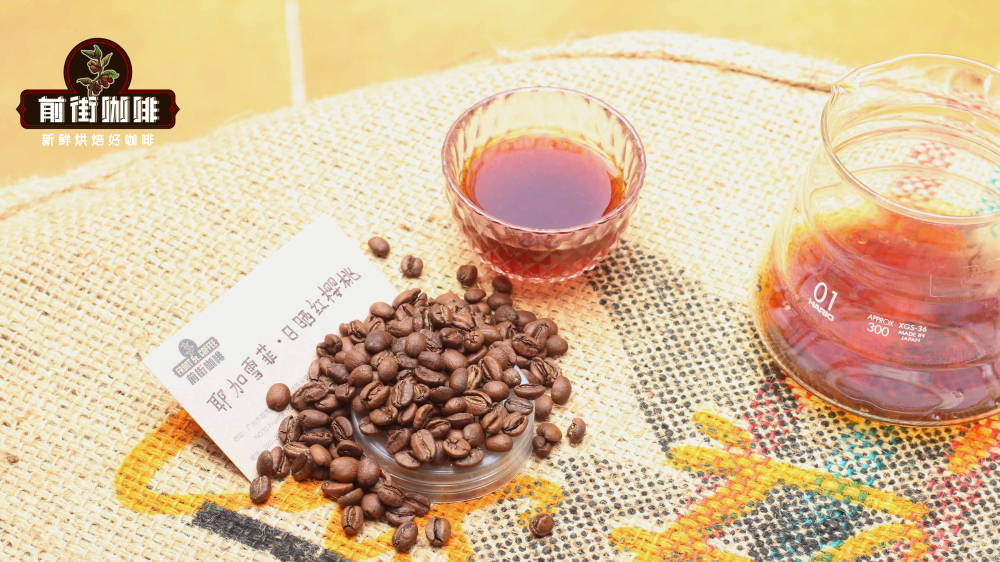
Specific brewing steps: Start with a 30g bloom for 30 seconds, then pour 95g (total ~125g) until the 1-minute mark, and finally pour 100g (total ~225g) until 1 minute 40 seconds. Keep total brew time within 2 minutes 10 seconds to ensure balanced flavor.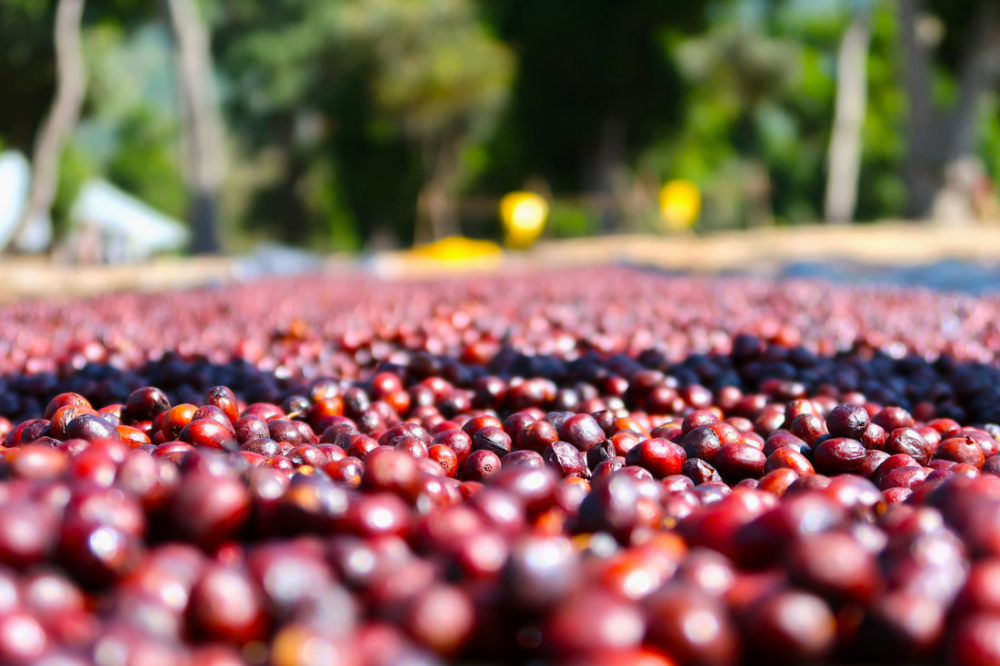
In terms of flavor profile, the washed Gu Ding Ding highlights citrus, black tea, and floral notes, with an aftertaste that transitions into creamy and caramel aromas. The sun-dried Hua Kui, on the other hand, centers on berry acidity and a lemon-black tea tone, featuring a long-lasting and layered sweetness. Both showcase the unique charm of Ethiopian coffee and are ideal for further exploration based on personal taste preferences.
The above content is compiled by CoffeeHunters, a coffee news website.


