








Introduction:As Ethiopia’s most iconic specialty coffee region, Yirgacheffe is highly acclaimed for its delicate floral notes and citrus profiles. This article delves into the region’s geography, altitude conditions, varietal characteristics, and processing methods, with a special focus on the washed processing technique and flavor profile of the Kochere Cooperative in Worka. It also provides practical grind size and pour over recommendations to help you fully appreciate the charm and brewing intricacies of this classic coffee.
Yirgacheffe, a small town in eastern Africa located in Ethiopia, is not just a place name but has become a recognized flavor synonym in the specialty coffee world. Its coffee is renowned for its unique floral and citrus characteristics and is considered one of the classic regions beloved by coffee enthusiasts globally. This article will explore the reasons behind Yirgacheffe’s flavor formation from aspects such as regional geography, altitude and climate, varietal traits, harvesting, and processing methods, while specifically introducing the washed processing features of the Kochere Cooperative in the Worka region, taking you through the story and details behind this coffee.
Although Yirgacheffe is just a small town, it administratively belongs to Ethiopia’s Sidama Region, located in the central-southern part of the country with an average altitude exceeding 2,000 meters, making it one of the highest-altitude coffee-growing regions in the nation. Local farmers mostly grow coffee trees in their home gardens or intercrop them with other agricultural produce, with each household yielding a small output, representing a typical small-scale garden-style cultivation model. This farming approach not only preserves the natural flavors of the coffee but also gives each batch of beans unique regional characteristics.
From a global perspective, Ethiopia borders Kenya to the south, another key player in the specialty coffee industry, and faces Yemen across the Red Sea to the northeast, which is one of the world’s three ancient coffee origins. The Sidama Region, where Yirgacheffe is located, enjoys not only a geographically privileged position but also highly favorable climatic conditions for coffee growth. Particularly, the high-altitude environment results in significant diurnal temperature variations, slowing down the ripening process of coffee cherries and aiding in the accumulation of flavor compounds, thereby producing a cup with rich layers and diverse expressions.
The Yirgacheffe coffee harvest season generally runs from October each year to January of the following year. During this period, farmers diligently pick ripe coffee cherries in the mountainous areas and their home gardens, which are then sent to local cooperatives for unified processing. The region boasts several well-known micro-regions, such as Kochere, Guji, and Gedeb, each with its own unique cooperatives and processing styles, yielding coffees with distinct characteristics that are worth savoring in detail.
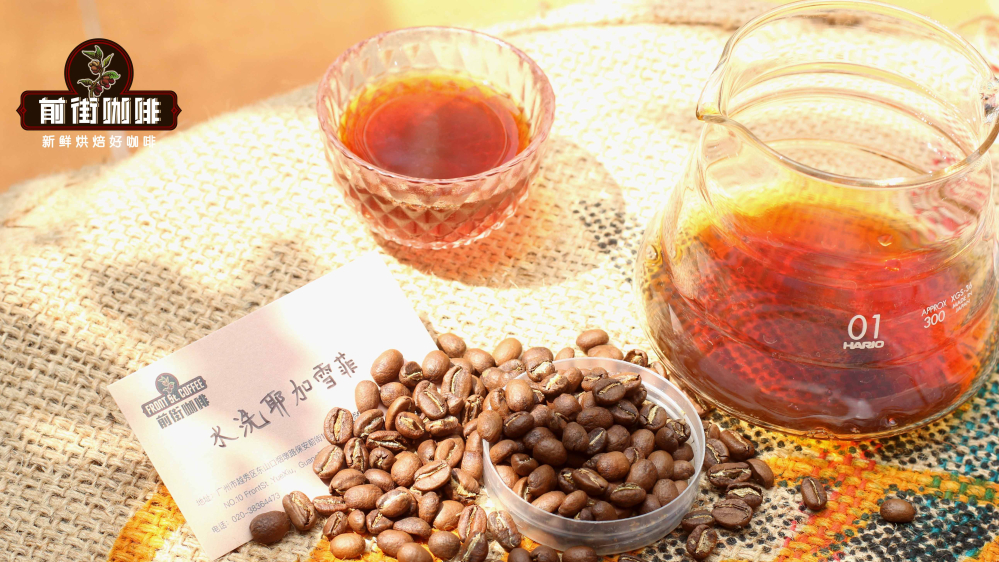
Among them, in the southeastern part of Yirgacheffe lies the Worka region, home to a production team called the “Kochere Cooperative,” consisting of approximately 300 farmer members. The Yirgacheffe produced by this cooperative is known for its bright flavors and vibrant acidity, and was separately designated in 2012. Many of its members were originally farmers from the Worka Cooperative, with solid growing techniques, combined with traditional washed processing to create a captivating flavor profile featuring fresh citrus and lemon acidity, accompanied by jasmine floral aromas. The cup is clean, refreshing, and free of bitterness, making it highly favored among coffee lovers.
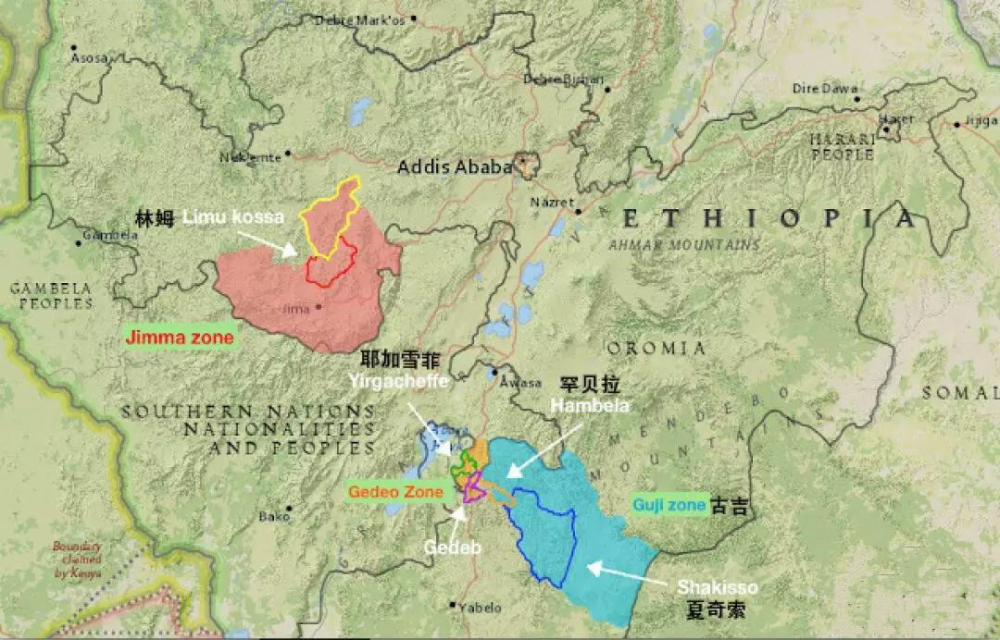
The coffee trees in Yirgacheffe were initially introduced and cultivated by European monasteries, and were later gradually taken over and managed by local farmers and cooperatives. In fact, Yirgacheffe is not a single origin but rather a collective made up of multiple surrounding villages and cooperatives, including areas near Gedeb such as Idido, Hafursa, Harma, and Biloya. These regions primarily use washed processing, although some top-tier beans are sun-dried to enhance fruity notes and a fuller body.
These mountain villages enjoy a pleasant climate, often shrouded in mist year-round, with spring-like weather all seasons. Summers are breezy, cool yet not hot, rainfall is abundant but not humid, and winters are not harshly cold, providing an ideal growing environment for coffee trees. Coffee trees are mostly planted in farmers’ home gardens or intercropped with other crops, with limited yields per household, representing a typical garden-style cultivation. Precisely because of this, the coffee produced in these areas often carries distinctive citrus and floral notes and has repeatedly received international acclaim.
For coffee enthusiasts who prefer pour over brewing, it is recommended to set the grind size for Yirgacheffe between medium-fine and fine, roughly around #20 to #18 (equivalent to medium-fine or slightly finer than granulated white sugar), to fully extract its delicate acidity and aroma. The recommended brewing water temperature is between 90 to 93°C, with a brew ratio of 1:15 to 1:16 (coffee grounds:water). Pay attention to using a pulse pouring method—start with a 30-second bloom, followed by pouring in a circular motion from the center outward, which helps achieve even extraction and highlights its bright fruity and floral profiles.
In summary, Yirgacheffe is not only a representative of Ethiopia’s specialty coffee but also an important region for coffee lovers worldwide to explore flavor diversity. From its high-altitude geographical conditions and garden-style cultivation methods to its refined washed and natural processing techniques, every step influences the final cup’s flavor expression. Whether you are a beginner or a seasoned coffee aficionado, understanding the regional characteristics and processing details of Yirgacheffe will allow you to experience a deeper level of coffee charm during your tasting.
The above content is compiled by CoffeeHunters, a coffee news website.


