







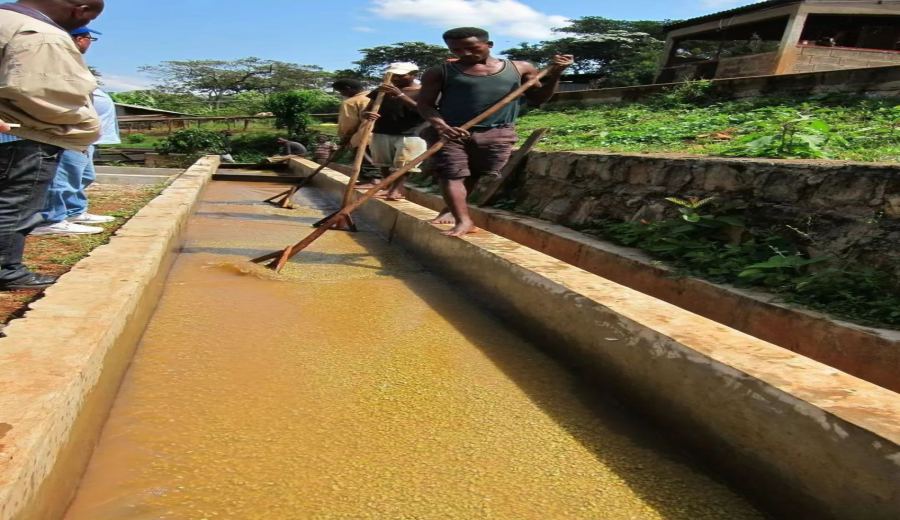
Introduction:An in-depth exploration of the washed processing methods for Kenyan coffee beans, including the evolution and practical details of conventional washed, double washed, K72 washed, and dry fermentation processes. From fermentation time, washing cycles to drying procedures, understand how these techniques shape distinct flavor profiles, and analyze their positioning and characteristics in the specialty coffee market.
The washed process is one of the most historically significant and highly regarded methods in specialty coffee production, with the Kenyan region being particularly representative. In Kenya, beyond the traditional washed method, several localized and improved processing techniques have been developed—such as double washed, K72 washed, and dry fermented washed. These techniques differ not only in name but also significantly in processing steps, fermentation control, and final flavor expression.
This article will detail the historical background and operational procedures of these washed processing methods, analyze their similarities and differences, and explore the actual impact each method has on coffee flavor. It aims to help coffee enthusiasts better understand how each cup of Kenyan coffee in their hands transforms from green bean to final brew.
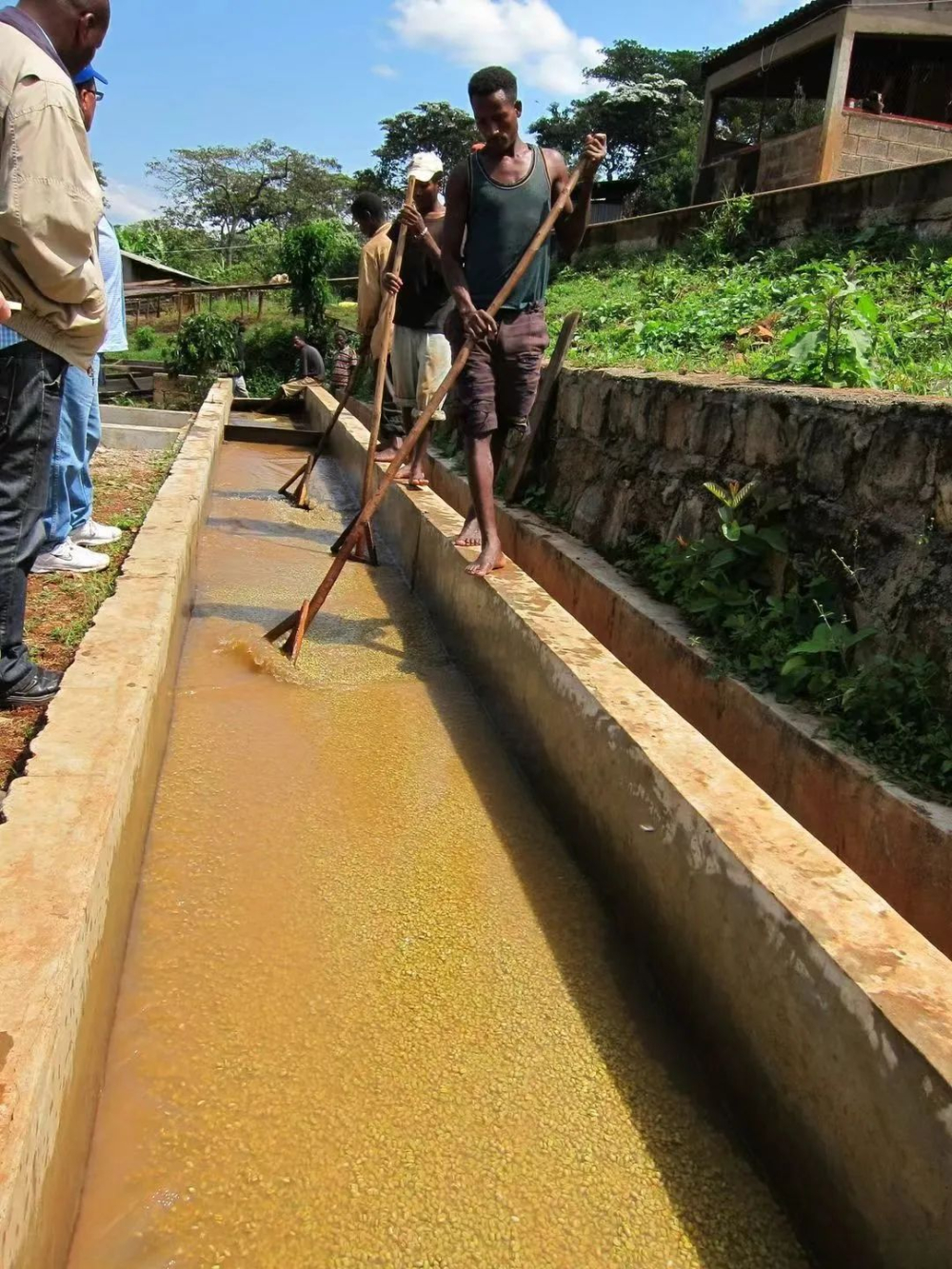
The washed method, also known as the wet process, is a technique where, after removing the outer skin and pulp of the coffee cherry, the mucilage layer adhering to the seed surface is further removed through fermentation and washing, followed by drying. This method originated in the 19th century in the West Indies, particularly maturing in Jamaica, where the naturally humid and rainy climate made sun drying difficult, thus giving rise to this approach of first removing the mucilage before drying.
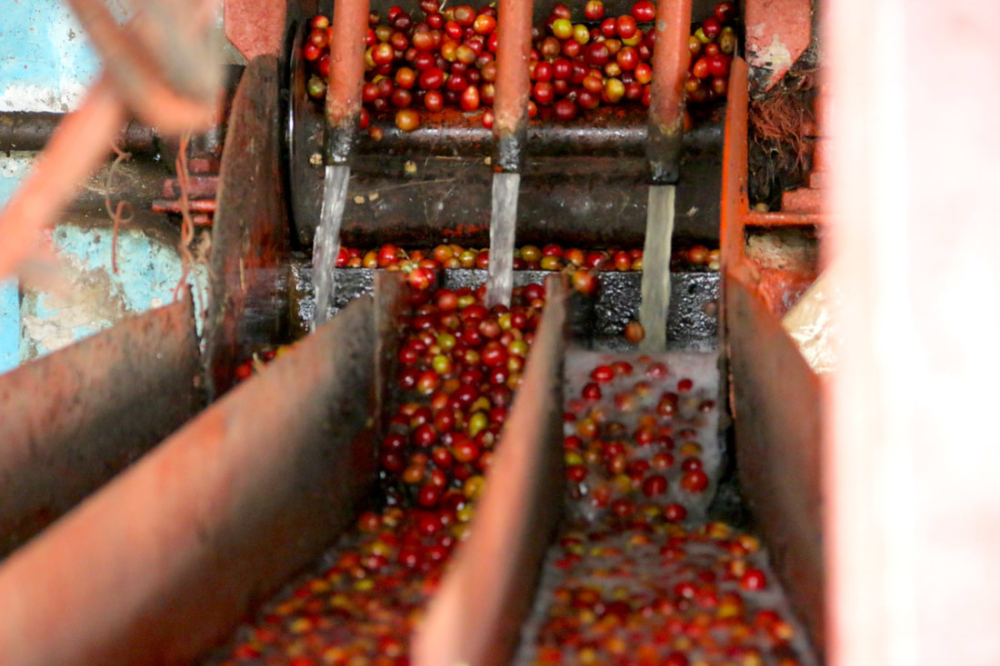
The traditional washed process includes major steps such as flotation, pulping, fermentation, washing, drying, hulling, and packaging. Although the procedure is clear, it requires a stable supply of large amounts of clean water and relatively expensive processing equipment, hence it is commonly seen in capital-rich regions or large cooperatives. The washed method is widely favored in the market for its clean, bright acidity and consistent flavor profile.
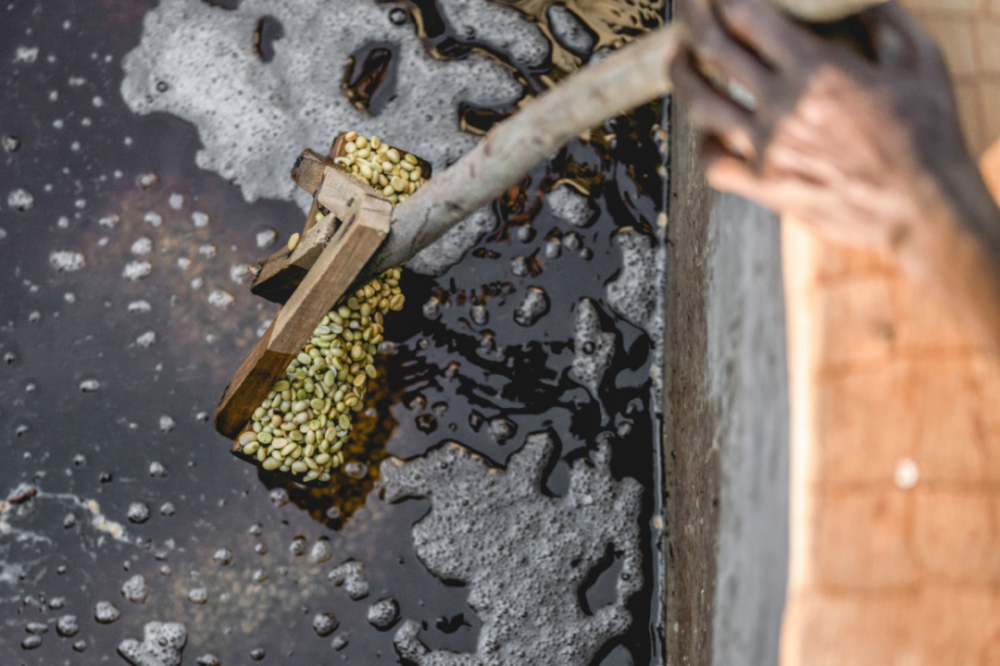
So-called “double washed” (also known as Fully Washed or Double Fermentation) derives its name from the two-step washing process involved in treating the coffee beans. Compared to the traditional washed method, which performs mucilage removal and washing only once, double washed involves soaking the beans in clean water again after the first wash, followed by a second washing procedure, before drying.
This approach was not originally intended for flavor development, but rather emerged because Kenya’s harvest season is concentrated, and cooperatives need to process large quantities of fresh cherries daily, yet have limited drying space. To prevent the beans from spoiling while wet, producers temporarily re-soaked them in clean water to slow down fermentation and maintain bean freshness while waiting for drying space. Over time, this “temporary storage-style” double soaking was found to yield richer layers of fruit acidity and a crisp mouthfeel—common Kenyan notes like tomato-like acidity are derived from this process.
The K72 washed method is one of the most iconic techniques in Kenyan washed processing, with its core lying in precise control during the fermentation stage. K72 refers to the coffee beans undergoing fermentation in three stages, 24 hours per stage, totaling 72 hours. This long, segmented fermentation process gradually releases and transforms the sugars and acids within the mucilage, thereby imparting a brighter, more layered acidity to the coffee, while maintaining good cleanliness and sweetness.
This method demands extremely high control over temperature, water quality, and fermentation environment, and is usually only stably executed in well-equipped processing facilities with mature techniques. A certain coffee brand’s Assaria coffee, for example, uses the K72 process, and its brewed profile often exhibits acidity reminiscent of small tomatoes and dark plums, with clear and memorable flavors.
Dry fermented washed is a relatively water-saving processing method, mainly designed to reduce water consumption and minimize the environmental impact of fermentation wastewater. In this method, after removing the outer skin and pulp of the coffee cherry, instead of immediately washing, the parchment-covered beans are placed directly into a fermentation tank and left to ferment without water for about 6 to 8 hours. This treatment shares some similarities with honey processing, but since residual sticky substances are still ultimately removed with clean water, it is still categorized as a washed process.
Coffee processed with dry fermentation typically exhibits a rounder sweetness and softer acidity. Compared to traditional washed, its mouthfeel is fuller, and there are slight differences in aroma expression. Besides conserving water, this technique can also highlight the unique regional flavors of the coffee to a certain extent.
In summary, whether it’s traditional washed, double washed, K72, or dry fermented, the differences among these methods mainly lie in fermentation duration, number of washes, use of clean water, and final drying methods. Fermentation not only affects coffee’s acidity, sweetness, and aroma, but also directly determines the overall cup profile. A deeper understanding of these processes allows us to more acutely discern the story and craftsmanship behind each coffee bean when tasting.
The above content is compiled by CoffeeHunters, a coffee news website.


