







Introduction:Want to delve deeper into the unique characteristics of coffee from Ethiopia’s Sidamo region? This article provides a comprehensive overview of Sidamo’s geographical environment and green bean features, while comparing the flavor profiles of washed and natural processing methods—including the actual performance of a certain brand’s washed Sidamo and their natural Hua Kui. It also offers expert grind size recommendations and pour over parameters to help you more precisely experience the diverse charm of this premium coffee origin.
Sidamo is one of Ethiopia’s most representative specialty coffee regions in the southern part of the country. Though it shares the same coffee heritage as the equally renowned Yirgacheffe, it exhibits even greater diversity and complexity in flavor. Located at high altitudes ranging from 1,400 to 2,200 meters, the region enjoys a cool climate with significant day-night temperature variations—ideal natural conditions for cultivating uniquely flavored coffee.
Although Sidamo and Yirgacheffe are often mentioned together, they differ markedly in market positioning and flavor profiles. Yirgacheffe is actually a city within Sidamo, historically meaning “wetland” in ancient tongue, and is also one of the birthplaces of many well-known coffee regions. Compared to the bright and crisp profile typical of Yirgacheffe, Sidamo coffees often showcase richer fruitiness, sweetness, and subtle spice notes.
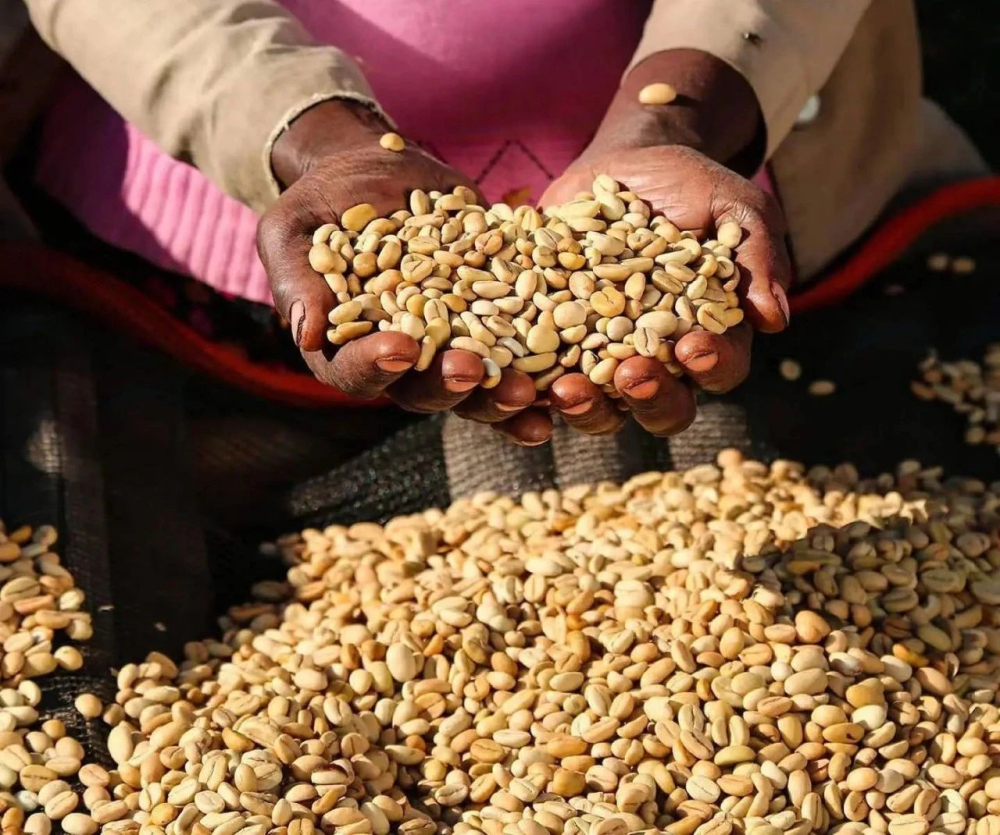
Take a certain brand’s washed Sidamo as an example: its green beans typically appear light green in color, with small, long-oval shaped beans that are slightly uneven in size—some slightly larger, others finer. These beans often emit a rich yet mild dry fragrance, characterized by a robust plant and fruit base note. Once brewed, its flavor profile is clear, often featuring pronounced citrus notes complemented by the fresh aroma of berries. The acidity is gentle yet vibrant, the sweetness is elegant, and the aftertaste carries a grape-like sweetness alongside a chocolatey smooth finish.
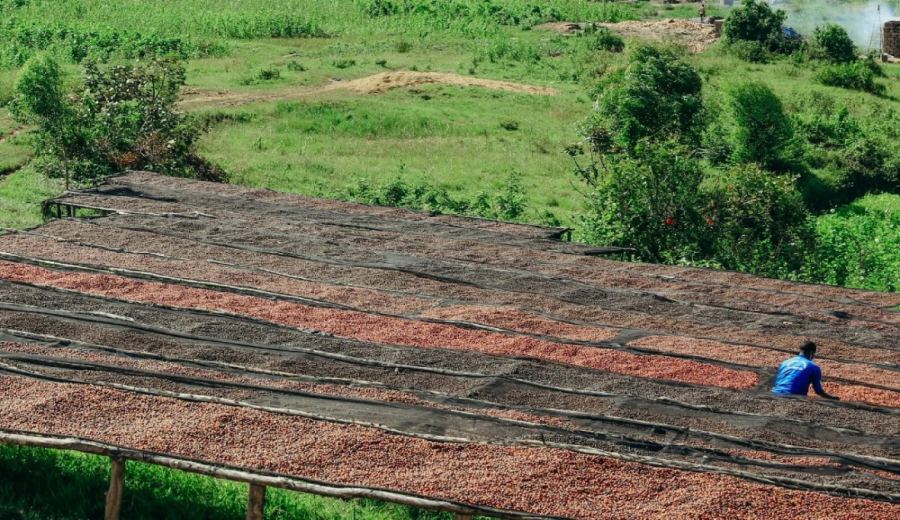
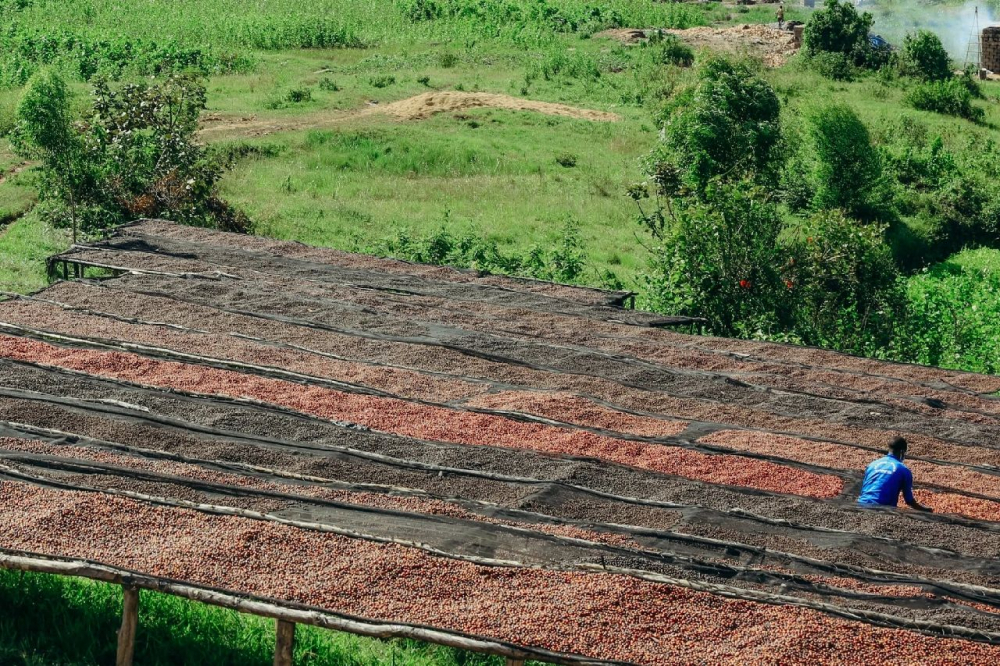
In contrast, natural processing gives Sidamo coffee a distinctly different personality. Take a well-known market example, a certain brand’s natural Hua Kui: it uses ripe red cherries dried naturally under the sun, with regular manual turning to prevent uneven fermentation, ultimately yielding a rich and layered tropical fruit flavor. This coffee is usually roasted to a medium-light level, often expressing bright aromas of strawberry, mango, and guava, blended with black tea notes and soft floral hints. The mouthfeel is clean and bright, like sipping a fruity tea beverage.
The wet aroma of a certain brand’s natural Hua Kui 11 is notably distinctive, often revealing medium acidity and sweetness of berry notes, mixed with the freshness of citrus and slight fermented fruit aromas, even carrying a hint of sweet fruit wine-like richness. Upon tasting, the fruit acidity is lively and layered, the sweetness is pronounced and lingering. Though the body isn’t particularly heavy, the overall balance is excellent—making it suitable for coffee lovers who enjoy bright fruit flavors and a refreshing cup.
For brewing recommendations, Sidamo washed beans are generally advised to use a medium-fine grind, roughly between the coarseness of pour over fine sugar and white sugar, with a suggested grind setting of around 70% to 75% passing through a #20 sieve. For extraction, methods such as pour over, AeroPress, French press, or American drip can be chosen. For pour over, it is recommended to maintain a water temperature of 90–93°C, with a coffee-to-water ratio of approximately 1:15 to 1:16, in order to highlight its citrus and berry characteristics while avoiding over-extraction that could lead to bitterness.
If you opt for a natural processed Sidamo coffee, such as the Hua Kui series, you may slightly adjust to a coarser grind—close to the coarseness of white sugar—to reduce the risk of over-extraction while retaining its fruit aromas and sweetness. For pour over, it is recommended to use a slightly lower water temperature of about 88–91°C, which helps present the fruit layers more stably and avoids extracting unwanted impurity flavors due to high heat.
In summary, Sidamo is not only an important specialty coffee region in Ethiopia but also, due to its diverse processing methods and distinct regional characteristics, an ideal choice for coffee enthusiasts—whether beginners or seasoned explorers. No matter whether you prefer bright, juicy acidity or rich, sweet flavors, you can find delicious, worthwhile coffees to savor in this region.
The above content is compiled by CoffeeHunters, a coffee news website.


