







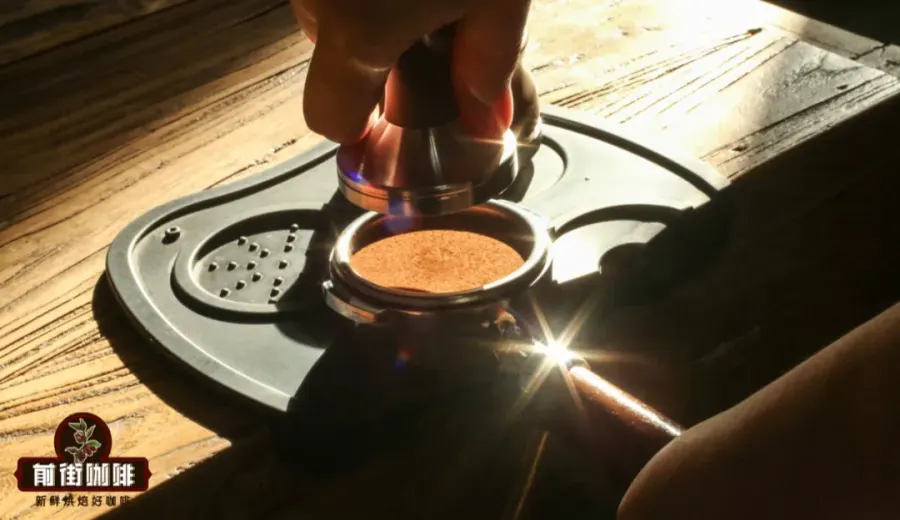
Introduction:Making a high-quality espresso shot often involves a key detail that is frequently overlooked: the tamping pressure. Many coffee enthusiasts wonder: how much force should be used when tamping? Does light or heavy tamping really change the extraction results? This article explores the extraction performance under different tamping pressures through practical testing, delves into the actual meaning behind the 9-bar pressure, and analyzes the role of tamping in the entire extraction process to help you master more precise espresso-making techniques.
In the world of coffee brewing, espresso extraction has always been a focal point for many coffee lovers. Among the entire extraction process, the step of tamping the coffee puck may seem simple but actually involves quite a bit of knowledge. Many beginners often ask: how much force should be applied when tamping? What are the specific effects of lightly pressing, heavily pressing, or even not pressing at all on the final extraction flavor and time?
This article will analyze the extraction time and flavor differences of espresso under various tamping pressures through actual extraction comparisons, and will delve into the scientific principles behind the commonly mentioned "9-bar pressure" in espresso machines. Moreover, it will explain why even if you tamp with all your might, it still seems insignificant compared to a high-pressure extraction machine.
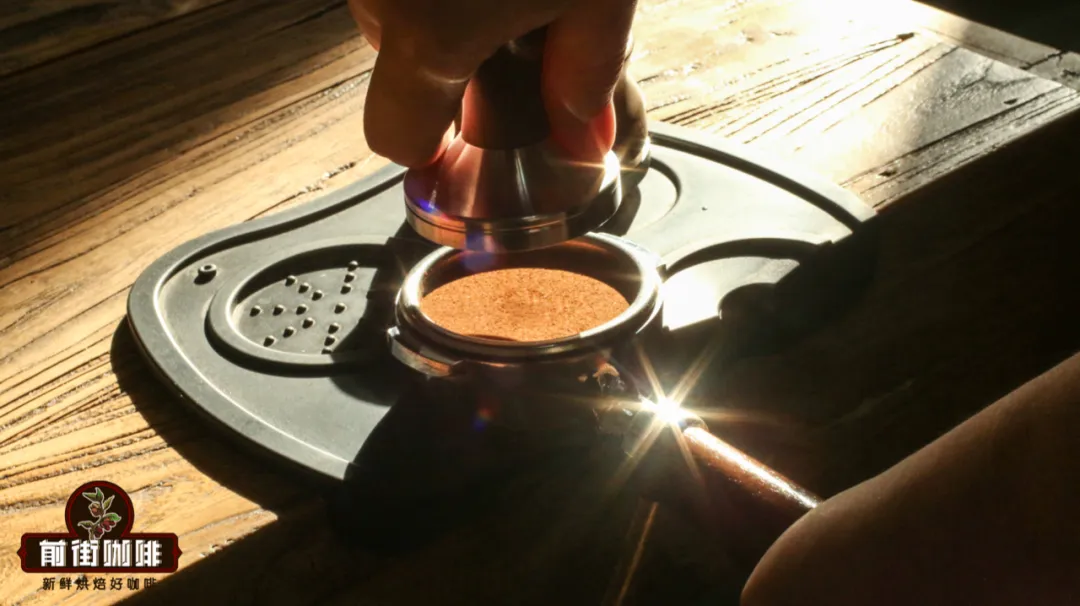
As mentioned in our previous articles, during the preparation stage before extraction, the uniformity of coffee grounds distribution and the consistency of tamping both directly affect the final extraction performance and flavor release. However, the question of "how much force should be used for tamping" still leaves many readers puzzled. Therefore, we decided to further investigate: just how significant is the actual impact of tamping pressure on extraction?
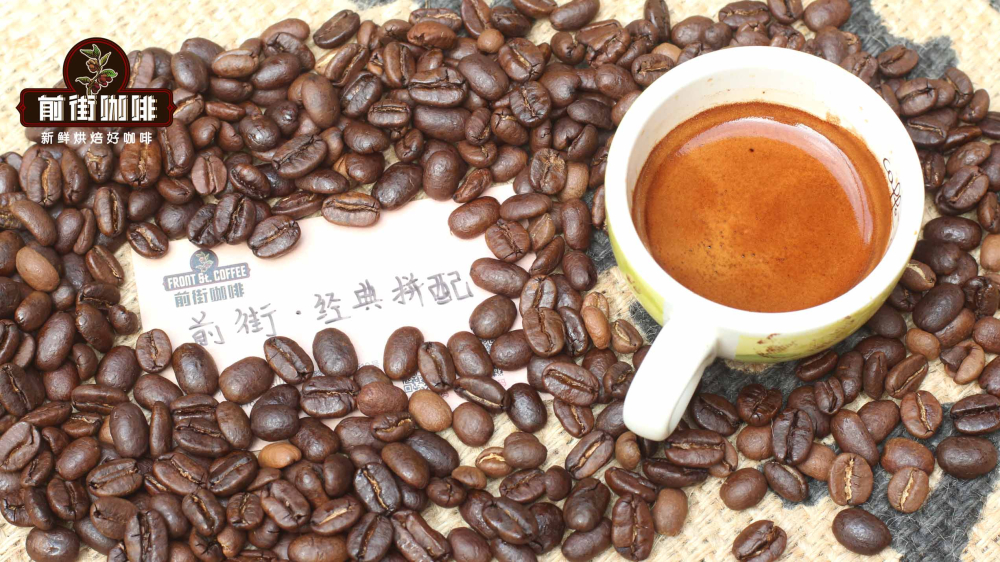
First, we selected two medium-to-dark roasted espresso blends for the experiment. This roast level can showcase the typical characteristics of espresso and is suitable for observing the interaction between tamping and pressure. The first is a classic blend recipe, including Brazil, Mandheling, and a small amount of Robusta, offering a rich caramel sweetness and smooth mouthfeel, suitable for home machines or beginners to try. The other is a flavor-balanced dark cocoa blend, featuring dominant notes of nuts and chocolate, with good crema performance, suitable for making various specialty coffee drinks.
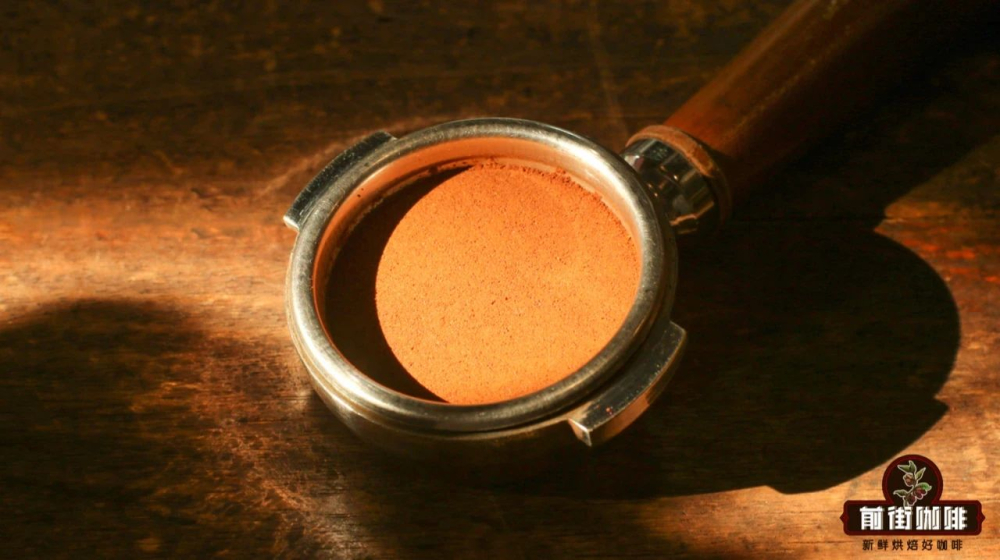
The experimental setup used 20 grams of coffee grounds, with a target extraction yield of 40 milliliters. Tamping was performed using two different forces: light tamping (approximately 2 kilograms) and heavy tamping (approximately 18 kilograms). Each force was repeated three times for extraction, and the average values were taken. The results showed that the average extraction time for light tamping was 33 seconds, while for heavy tamping it was 34 seconds—almost no noticeable difference. In terms of flavor, both exhibited a balanced acidity, sweetness, and bitterness, with no significant shift in flavor profile due to differing tamping pressure.
More interestingly, we also conducted a control experiment without any tamping—after distributing the grounds, no pressure was applied at all, and extraction was performed directly. The result was surprising: this untamped espresso also had an average extraction time of 33 seconds, and the flavor performance did not differ significantly from the tamped groups. These results challenge many coffee lovers’ intuitive understanding of the role of tamping.
Why does tamping pressure seem to have little impact? The key lies in a factor we often overlook: the working pressure of the espresso machine itself. The extraction pressure of most home or commercial espresso machines is 9 bars. While this number may not sound large, the actual force it represents is quite astonishing. To put it simply: 1 bar is approximately equivalent to 27 kilograms of pressure acting on a standard 58-millimeter portafilter basket. Therefore, 9 bars equals 27 multiplied by 9, which is about 243 kilograms—equivalent to the combined weight of four adults.
Precisely because the espresso machine applies such high pressure during extraction, the manual tamping force—whether 2 kilograms or 18 kilograms—pales in comparison to the 9-bar pressure. Thus, the primary function of tamping is not to “block the water flow” or “significantly alter extraction resistance,” but rather to ensure that the coffee grounds are evenly distributed and that the puck structure is stable, allowing the high-pressure water to uniformly penetrate and thereby extract more consistent and balanced flavors.
So, does tamping become unimportant? The answer is no. The purpose of tamping is to create a puck that is compact yet not overly compressed, allowing the water to distribute evenly as it passes through and avoiding channeling—that is, water flowing only along the path of least resistance, resulting in some coffee grounds being under-extracted while others are over-extracted. Good tamping helps stabilize extraction, thereby enhancing the flavor complexity and consistency.

In summary, tamping pressure has a limited impact on extraction time, especially when compared to the 9-bar high-pressure extraction environment, where the force of manual tamping is almost negligible. However, tamping remains an indispensable step. Its primary role is to ensure that the puck is uniformly firm, helping the water pass through stably and preventing uneven extraction. Understanding this allows you to better adjust grind size, coffee dosage, and extraction parameters in pursuit of a well-balanced, smooth, and flavorful espresso shot.
The above content is compiled by CoffeeHunters, a coffee news website.


