







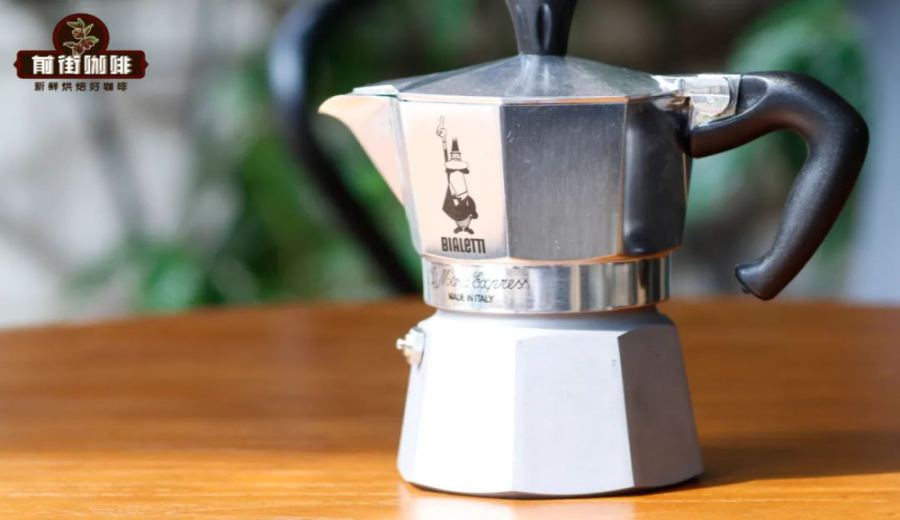
Introduction:The moka pot is the go-to choice for many households as their first step into the world of espresso-style coffee. However, many users often struggle with overly bitter or astringent results after brewing. In fact, by mastering the correct heat control, grind size, and selecting the right coffee beans, you can brew a cup of moka pot coffee rich in layers and full of crema. This article provides a detailed explanation of the working principle, brewing steps, and common troubleshooting tips for the moka pot, helping you easily brew professional-grade flavor at home.
Since its invention in 1933, the moka pot has been a beloved espresso-making tool in European kitchens, especially favored by Italian households. This classic design works by heating the lower chamber, using steam pressure to push hot water through the coffee grounds, thereby extracting a richly flavored coffee liquid. However, many coffee enthusiasts find that their brewed coffee often has a noticeable bitterness, usually due to improper heat control, unsuitable coffee bean selection, or inaccurate grind size. This article will delve into the structure and operation of the moka pot, and offer specific adjustment suggestions for common issues during the brewing process, helping you make smooth and flavorful coffee at home.
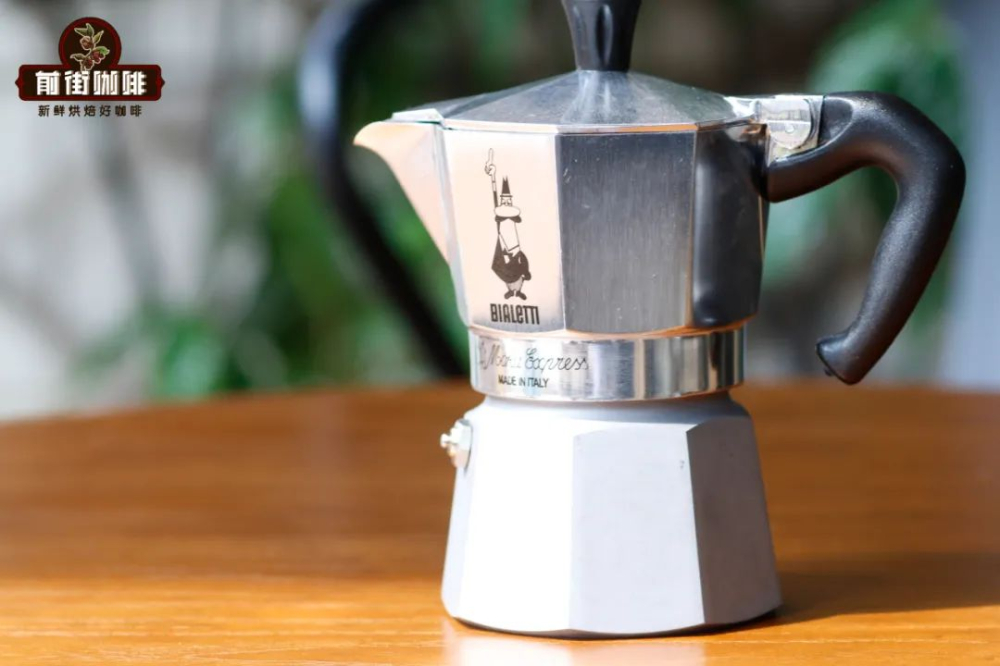
The moka pot is a classic brewing device that uses heat-generated pressure to extract concentrated coffee. It was first invented in 1933 by Italian designer Alfonso Bialetti and quickly gained popularity across Italy and Europe. Early models were mostly made of aluminum and were only suitable for use on open flames, but modern versions now include stainless steel designs that retain the ability to be used on gas stoves while also being compatible with induction cooktops, better meeting the needs of contemporary kitchens. When purchasing a moka pot, it’s recommended to choose an appropriate capacity based on the number of daily users, with 2–3 cup medium-small sizes being the most common — not only easy to operate but also convenient for controlling brew ratios.
Structurally, the moka pot mainly consists of an upper chamber and a lower chamber, with a filter basket in the middle designed specifically to hold the coffee grounds. As the water in the lower chamber heats up and turns into steam, pressure gradually builds, pushing the hot water upward through the central tube, passing through the coffee grounds in the filter basket, and extracting the water-soluble flavor compounds. The resulting concentrated coffee then gathers in the upper chamber. Before beginning the brew, be sure to prepare freshly roasted coffee beans at their peak flavor period, a stable heat source (such as a gas or induction stove), a suitable grinder, and clean water — all of which are key factors influencing the final flavor.

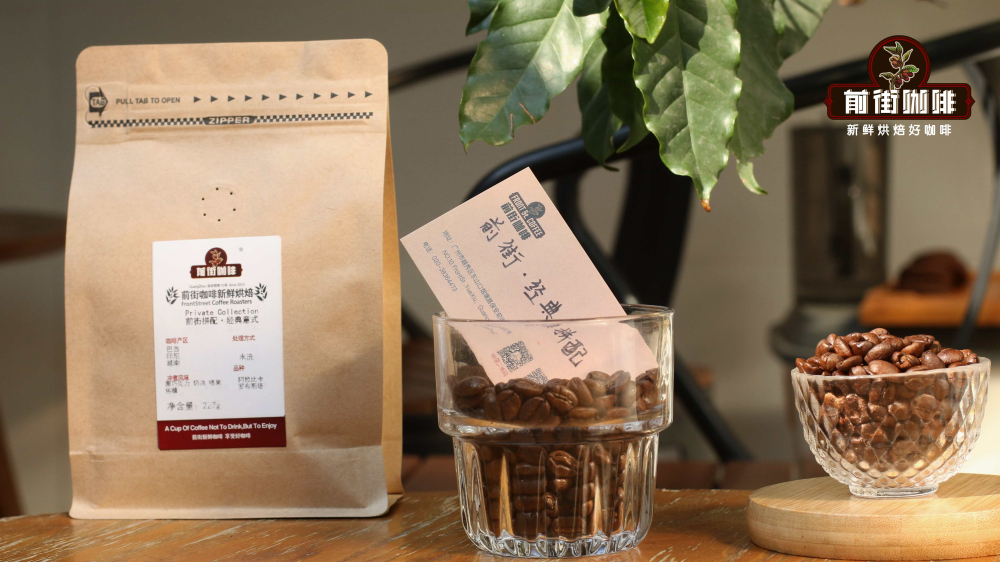
The overall flavor profile of moka pot coffee largely depends on the type of coffee beans used and their roast level. Generally speaking, medium-dark roasted espresso blends can release more oils during extraction, delivering a rich and bold taste, and also provide a fuller aromatic layer for making moka pot Americanos or milk-based coffee drinks. For beginners new to the moka pot, it’s recommended to start with a medium-roast blend that offers balanced flavors. This particular blend combines Brazilian semi-washed, Indonesian Mandheling, and Vietnamese washed beans, all medium-dark roasted. It not only has the full-bodied texture typical of Asian beans but also the sweet foundation of American beans. Its roasted notes are pronounced, and it produces abundant coffee oils, making it easy even for novices to handle.
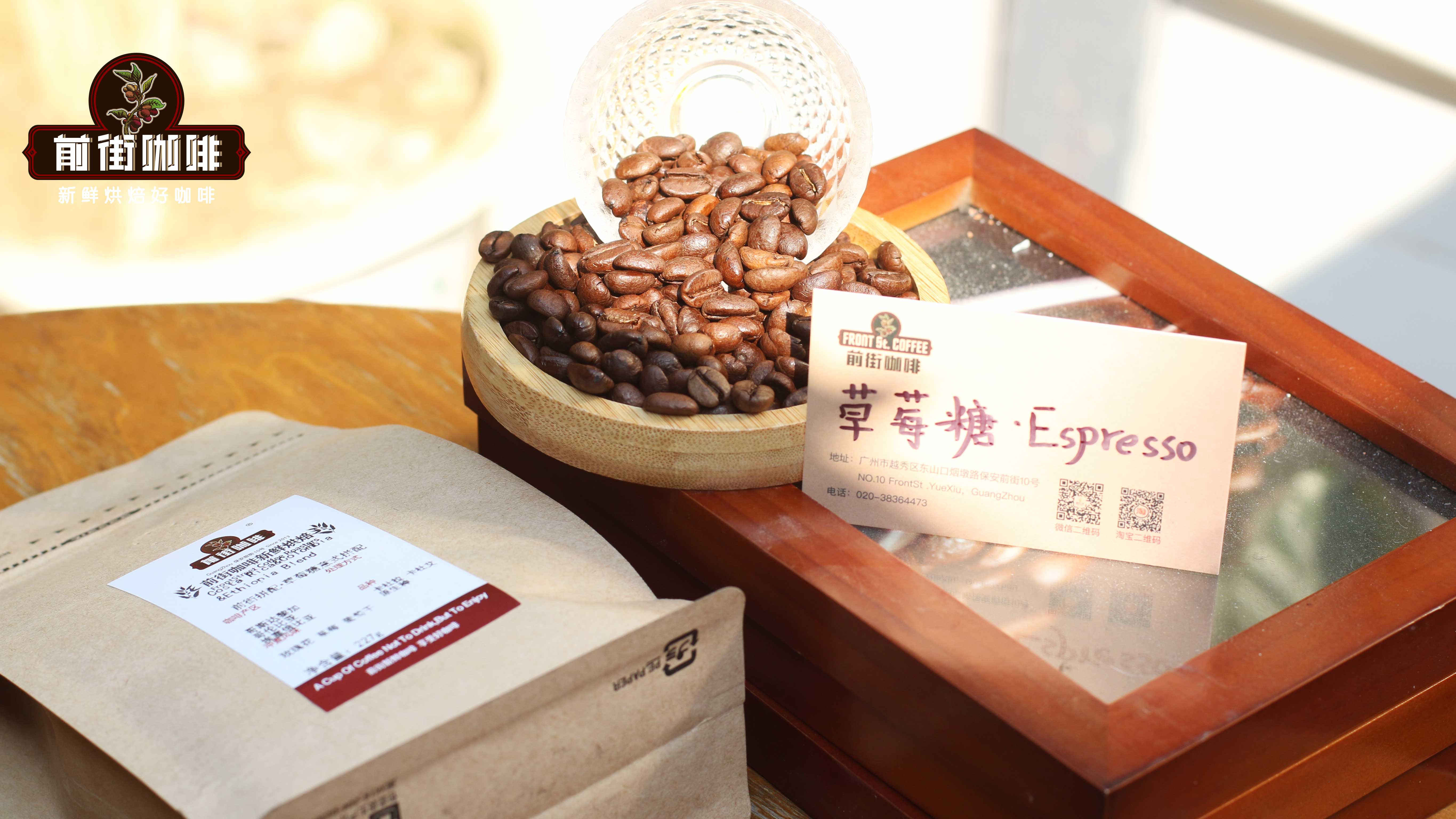
If you prefer a coffee with more pronounced fruity notes, you might also try a medium-roast espresso bean. This bean is based on a blend of Costa Rican Tarrazu honey-processed beans and Ethiopian beans, carefully formulated and with a small addition of Colombian beans. The overall flavor is relatively mild, with a sweet-and-sour taste reminiscent of strawberry taffy. It not only showcases beautiful crema and delicate textures on professional machines, but also delivers surprising aroma when used in a moka pot. The coffee beans used in the demonstration photos for this article are espresso beans, brewed using an electric ceramic stove and a professional-grade EK43s grinder.
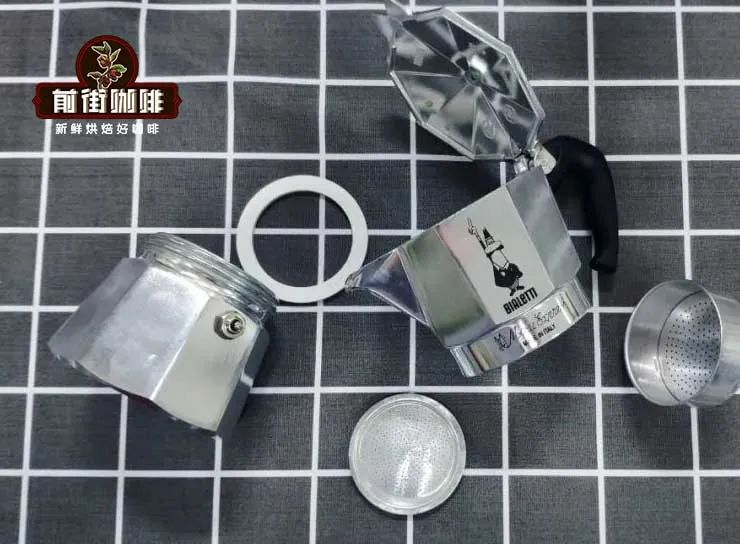
Here are the basic steps for using a moka pot: First, fill the lower chamber with hot water, with the water level recommended to be about 0.5 cm below the safety valve. Using preheated water helps shorten the overall brewing time and prevents over-extraction caused by the coffee grounds soaking for too long. Next, grind the coffee beans to a slightly finer consistency than pour over but a bit coarser than what’s typically used for espresso machines. The ground particles should roughly match the width of the filter basket’s holes. After grinding, evenly fill the coffee grounds into the filter basket, then gently tap it with your finger to level the surface. Place the filled filter basket back into the lower chamber, then tightly screw the upper and lower chambers together to ensure there are no leaks. Finally, place the assembled moka pot on a preheated electric ceramic stove and begin heating.
When you hear a slight hissing sound from inside the pot, it means the water has begun turning into steam and building pressure. At this point, it’s recommended to reduce the heat and carefully lift the upper chamber’s lid to observe whether the coffee liquid and crema are starting to flow out slowly. Once the coffee in the upper chamber reaches about half its capacity, you can turn off the heat and move the moka pot to a table surface, allowing the remaining heat and pressure inside to complete the rest of the extraction process. Be cautious, as the moka pot is made of metal and will become very hot during high-temperature heating — handle it carefully to avoid burns.
The brewed coffee can be enjoyed directly, offering a rich and layered flavor. However, if you prefer a milder taste, you can add milk or other flavorings according to your personal preference. For example, adding hot milk to moka pot espresso can create a texture and sweetness similar to chocolate mousse. Additionally, it’s worth noting that although the moka pot is simple to use, there are several common issues to watch out for during operation. For instance, the safety valve on the lower chamber is designed to prevent dangerously high internal pressure, so be sure the water level never exceeds the valve. Also, the flow rate of the coffee liquid can indicate whether the brewing conditions are optimal: if the coffee sprays out quickly, it usually means the water temperature is too high, and you should reduce the heat appropriately; conversely, if the flow is too slow, it may indicate insufficient heat, so consider increasing the flame and monitoring the changes.
If you find the brewed coffee tastes overly bitter or astringent, it’s usually because the coffee grounds were ground too fine, leading to over-extraction. It’s recommended to adjust the grind to a more moderate size, allowing for a more balanced contact time between water and coffee, which helps reduce bitterness and improve overall flavor. Additionally, if you want to achieve a coffee rich in crema, it’s advisable to choose freshly roasted, medium-dark roasted beans. As the roast level increases, more caramelization reactions occur inside the beans, releasing large amounts of carbon dioxide gas. Under pressure, these gases help form a rich layer of crema. Note that once coffee beans are roasted, their internal gases gradually dissipate over time, so it’s best to use beans roasted within the last 5 days to achieve the optimal extraction and flavor.
The above content is compiled by CoffeeHunters, a coffee news website.


