







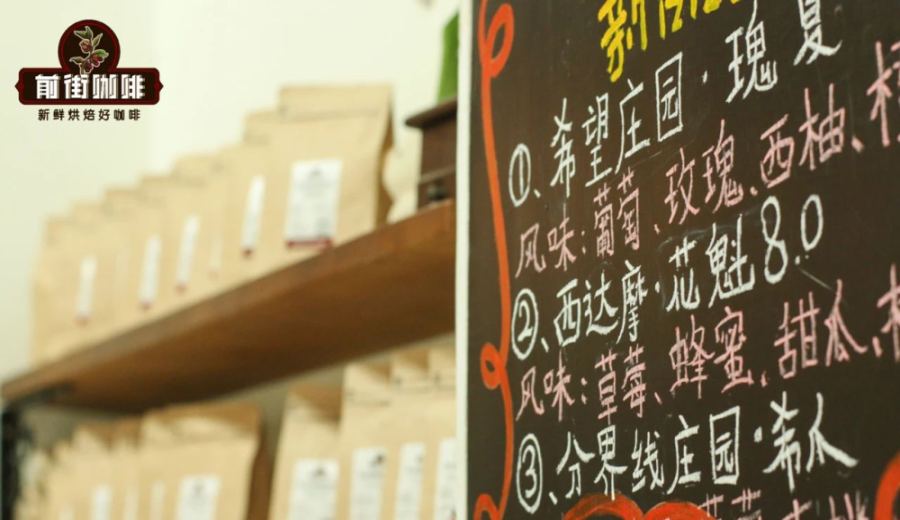
Introduction:Sidamo Huakui is a premium sun-dried Arabica bean from Ethiopia’s Guji-Hambella region, widely loved for its rich floral and fruity aromas as well as its intense sweetness. This article delves into its heirloom variety background, regional characteristics, sun-drying processing principles, and provides detailed practical parameters for cold brew and pour over methods, helping coffee enthusiasts master the optimal extraction techniques to fully experience the unique layers of this bean.
The Huakui coffee beans from Ethiopia’s Sidamo region have garnered significant attention in the global specialty coffee market in recent years as a sun-dried processed Arabica variety. Renowned for their pronounced floral and fruity notes, smooth acidity, and full-bodied sweetness—especially when roasted at a light to medium level—these beans can express a complex flavor profile of passion fruit, strawberries, and creamy undertones. This article will provide a comprehensive introduction to the heirloom origin of Huakui, the geographical and cultivation conditions of the Hambella region, the characteristics of the sun-dried processing method, and offer complete operation recommendations for both cold brew and pour over. Both beginners and advanced coffee enthusiasts can benefit from this guide.
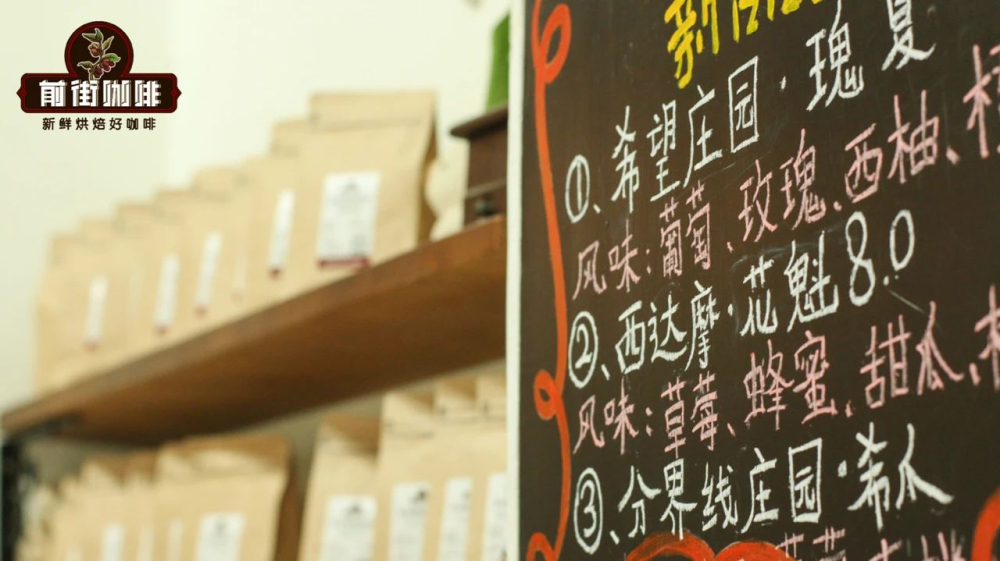
Huakui coffee belongs to a rare heirloom variety produced in the border area between Ethiopia’s Sidamo and Guji regions. Such varieties are generally not commercially selected or hybridized, thus preserving the most original genetic diversity. As the birthplace of coffee, Ethiopia boasts the richest genetic resources of Arabica varieties in the world. Most of these are cultivated by smallholder farmers and then collected and processed by centralized washing stations. Due to the complexity of the varieties and the Ethiopian government’s decision not to disclose specific details in order to protect the gene pool, these coffees are commonly referred to as “heirloom (Heirloom).” Such coffees often exhibit captivating and layered fruity tones and floral aromas, thanks to the region’s unique microclimates and high-altitude environments.
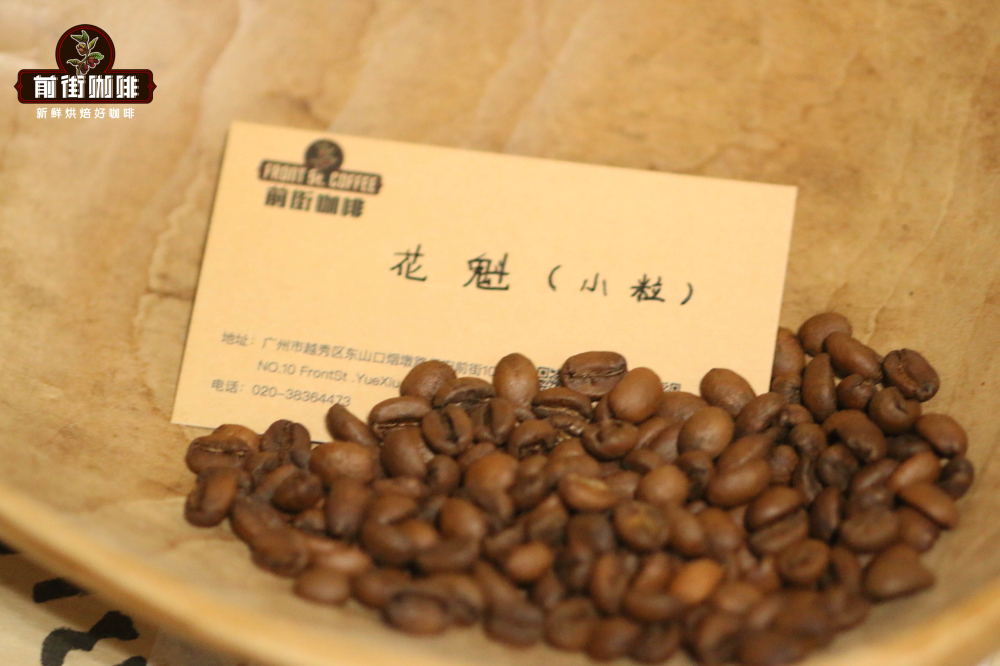
The so-called sun-dried processing method involves placing freshly picked red coffee cherries directly under the sun for an extended period of drying. This is the most traditional and common processing method in Ethiopia, accounting for nearly 70% of the country’s total coffee production. Compared to washed or honey processes, sun-drying preserves more sugars and the natural flavors of the fruit pulp, resulting in a typically more intense sweetness, lower acidity, and complex flavor profiles that include berries, tropical fruits, and even fermented wine-like notes. A certain brand’s Huakui 8.0 batch, which is sun-dried, showcases a full body and bright aftertaste, along with aromatic characteristics of flowers, honey, and berries.
It is worth mentioning that the name “Huakui” actually originates from a batch submitted by DW Company in 2017 to compete in Ethiopia’s “TOH (Taste of Harvest)” competition, where it won the championship. This particular batch was produced in Hambella, which now falls under the administrative division of the Guji region but geographically lies close to Sidamo and was once under Sidamo’s jurisdiction. However, due to its outstanding flavor performance, it was designated as an independent producing region by the ECX (Ethiopian Commodity Exchange) after 2010. This area features diverse terrain, fertile soil, and altitudes mostly above 1800 meters, with some parts even exceeding 2000 meters, contributing to the coffee’s richness and complexity.
The black soil in the Hambella region is deep and rich in organic matter, coupled with large day-night temperature variations, allowing coffee trees to grow healthily without the need for heavy chemical fertilizers—a natural advantage that contributes to the uniqueness of the local coffee flavors. The Buku Abel processing station, which produces Huakui, purchases red coffee cherries from nearby farmers and meticulously selects only those with a sugar content of 30 or above. During the harvest season (usually from December to January each year), farmers evenly spread the harvested cherries on African-style raised beds for sun-drying. Throughout this process, frequent turning is required to prevent uneven fermentation or mold. Shade is provided during the strongest midday sun, and rain covers may be used at night. The overall sun-drying duration is approximately 18 days until the moisture content drops to 13%, after which the beans are hulled.
To fully showcase Huakui’s floral and fruity aromas as well as its rich body, a medium to light roast is recommended, which helps retain more acidic fruit tones and sweet fragrances. Cupping results indicate that this bean has dry aromas of honey, nuts, and subtle fermented notes, while the cup reveals distinct flavors of passion fruit, strawberries, and creamy smoothness, with a full body and a cocoa-like finish. Overall, it presents a balanced and layered profile.
If you want to replicate café-level flavors at home, cold brew is a simple and delicious option. Using Sidamo Huakui 8.0 for cold brew not only reduces acidity and highlights sweetness but also showcases the unique softness and fermentation layers characteristic of low-temperature brewing. Recommended parameters are as follows: use 50 grams of coffee grounds with 600 ml of room-temperature water, at a coffee-to-water ratio of 1:12, with a grind size roughly similar to coarse sugar (about 80% passing through a #20 sieve), and a total steeping time of 8 to 12 hours, placed in the refrigerator for brewing. Note: never place it in the freezer, as this may affect flavor and extraction efficiency.
After cold brewing is complete, it is recommended to use a filter and filter paper for a secondary filtration to achieve a cleaner and smoother mouthfeel. Some cafés let the brew sit in the refrigerator for an additional 3 to 4 hours after filtering to allow the flavors to integrate further. Cold-brewed Huakui offers intense dark berry and black tea aromas, with a solid yet refreshing taste, and is perfect with the addition of 1 to 2 ice cubes to enhance the flavor layers. Please note: coffee brewed at low temperatures is best consumed within 5 days of preparation to ensure optimal flavor and drinking safety.
The above content is compiled by CoffeeHunters, a coffee news website.


