







Introduction:Understanding coffee roast levels is fundamental to mastering a great cup of coffee. From light to dark roasts, each stage influences the coffee’s acidity, sweetness, aroma, and mouthfeel. This article provides a detailed breakdown of the characteristics of the three main roast types, explains how to determine roast depth through appearance and flavor, and recommends several classic beans for pour over and espresso brewing.
The roast level of coffee beans is a key factor that shapes the final flavor. During the journey from green bean to roasted bean, moisture gradually evaporates, and the beans go through stages such as drying, yellowing, first crack, and second crack. Based on when the roasting process is stopped, beans are generally categorized into three main types: light roast, medium roast, and dark roast. Each roast level significantly alters the balance of acidity and sweetness, aroma complexity, body, and aftertaste.
A deeper understanding of these differences helps coffee enthusiasts choose beans that match their taste preferences—whether you prefer the bright fruit acidity of a pour over or the rich intensity of an espresso, there's a corresponding roast level for you.
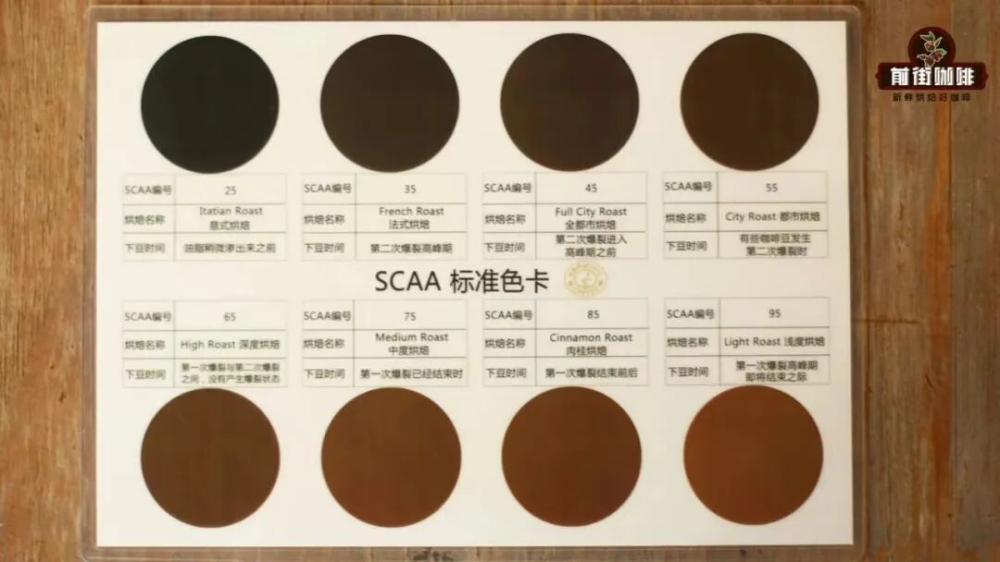
Common roast level classifications sometimes use eight grades, with higher numbers representing darker roasts. However, it’s actually difficult for consumers to visually determine a bean’s exact color value or roast degree, as factors like the inherent sugar content and density of the green beans also affect roast coloration. Therefore, a more practical approach is to comprehensively observe the bean’s color, shape, and the flavor after brewing, then categorize them into the three main roast types: light, medium, and dark.
Light roasts are typically beans roasted from the middle to the end of the first crack. At this stage, the coffee retains more organic acids, offering pronounced but not harsh acidity, relatively low bitterness, and a rich variety of aromatic layers, including floral, citrus, and berry notes. Beans from certain African regions, for example, are well-suited to light roasting to highlight their unique terroir characteristics.
Recommended light roast beans to try:Examples include Kenyan beans with distinct berry notes and high acidity, Rwandan beans with lemon and tea-like flavors, and the Red Cherry series, which showcases cherry and red wine aromas—all classic representatives of light roasts.
Medium roasts are achieved between the end of the first crack and the beginning of the second crack. At this stage, the beans undergo more caramelization, acidity decreases, sweetness becomes more prominent, and the overall flavor profile tends toward balance. Aroma complexity increases, with fruitiness blending harmoniously with caramel and nutty tones, making it ideal for those who enjoy both fruity acidity and sweetness.
Coffee at this roast level suits various brewing methods, whether pour over, French press, or siphon, all of which can deliver excellent flavor expression. Common flavor characteristics include honey, caramel, cream, and tropical fruits, with a refreshing taste and gentle aftertaste.
Recommended medium roast beans to try:For instance, the Strawberry Sugar series with bright acidity and toffee-like sweetness, the Xiazha beans with soft fruit acidity and honey notes, and the Mozart beans showcasing layered spice and stone fruit profiles are all outstanding representatives of medium roasts.
Dark roasts are beans roasted starting from the beginning of the second crack. At this stage, the beans undergo intense heat reactions, achieving a high degree of caramelization, with bitterness becoming dominant—but accompanied by noticeable sweetness and a rich, full-bodied mouthfeel. The aroma is relatively less varied but more pronounced, often featuring dark chocolate, bold nuts, cocoa, and smoky notes.
Dark roast beans usually have a higher body (richness) and intense flavor, making them highly suitable for espresso-based drinks like espresso, latte, or cappuccino. Additionally, dark roasting can mask some of the inherent flavor flaws in beans, which is why it is commonly used in commercial blended beans.
Recommended dark roast beans to try:Examples include the Golden Mandheling, which showcases rich caramel and nutty aromas, classic Italian blends with chocolate and smoky profiles, and Brazilian Red Bourbon beans with a full body and low acidity— all are classic choices for dark roasts.
In summary, each roast level from light to dark presents a distinctly different flavor profile. Light roasts emphasize acidity and aromatic diversity, medium roasts pursue a balance of acidity and sweetness with layered aromas, while dark roasts highlight richness, body, and lingering sweetness. Whether you’re a pour over enthusiast or an espresso lover, you can select the roast level and beans that best suit your personal taste preferences.
The above content is compiled by CoffeeHunters, a coffee news website.


