







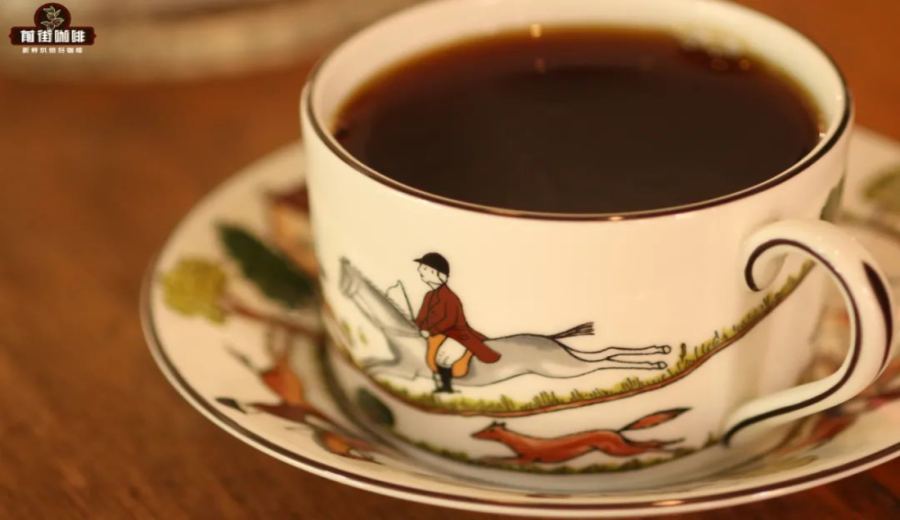
Introduction:As one of Indonesia’s most important coffee-growing regions, Sumatra is renowned for its signature Mandheling coffee, which is known for its bold, full-bodied flavor and distinctive herbal medicinal notes. This article will delve into the history, origin, regional distribution, processing methods of Mandheling, as well as the differences among the "Two Lakes, Two Mandhelings," and explore whether it is suitable for use in espresso blends. Additionally, practical purchasing advice and flavor profiles are provided to help coffee enthusiasts gain a more comprehensive understanding of this classic bean variety.
Sumatra is one of the world’s most renowned coffee-producing regions, and its Mandheling coffee is celebrated for its rich, full-bodied taste and unique herbal and spicy aromas. Many coffee lovers first encounter Sumatra through a cup of intensely flavored Mandheling. This article will comprehensively analyze the flavor origins of Mandheling coffee from perspectives such as regional background, varietal evolution, and processing techniques, and further explore its potential application in espresso blends.
Mandheling is not a single product but encompasses several coffee beans with distinct flavor profiles, such as Golden Mandheling, Lintong Mandheling, Tiger Mandheling, and Aged Mandheling.Among them, Lintong Mandhelingis often regarded as the typical representative of Mandheling, showcasing stable and traditional flavor characteristics; whileGolden Mandhelingis distinguished by its higher selection standards and brighter acidity with sweet tones. In addition,Aged Mandhelingundergoes prolonged maturation, developing an even smoother and more complex profile, making it a great choice for advanced coffee drinkers.
Indonesia, as the world’s fourth-largest coffee producer, has over ten thousand islands with diverse geography, and coffee is cultivated across islands such as Java, Sumatra, and Sulawesi. According to international data, Indonesia produced 12.317 million bags of green coffee beans in 2015, ranking second in Asia only after Vietnam. Around 90% of this coffee is grown by smallholder farmers, who often cultivate coffee in their backyards to supplement household income. Since Robusta is disease-resistant and thrives at low altitudes, it has become Indonesia’s primary coffee variety, accounting for 70–80% of total production, mainly grown in lowland areas such as Java and Bali.
Sumatran coffee first entered the international market in 1972, when it was introduced by Starbucks. Its strong earthy flavors and heavy body became hallmark characteristics of the region. However, as most Sumatran coffee is deeply roasted, improper processing can easily result in overly harsh, burnt, or grassy notes. Therefore, understanding its processing methods and varietal traits is key to appreciating Sumatran coffee.
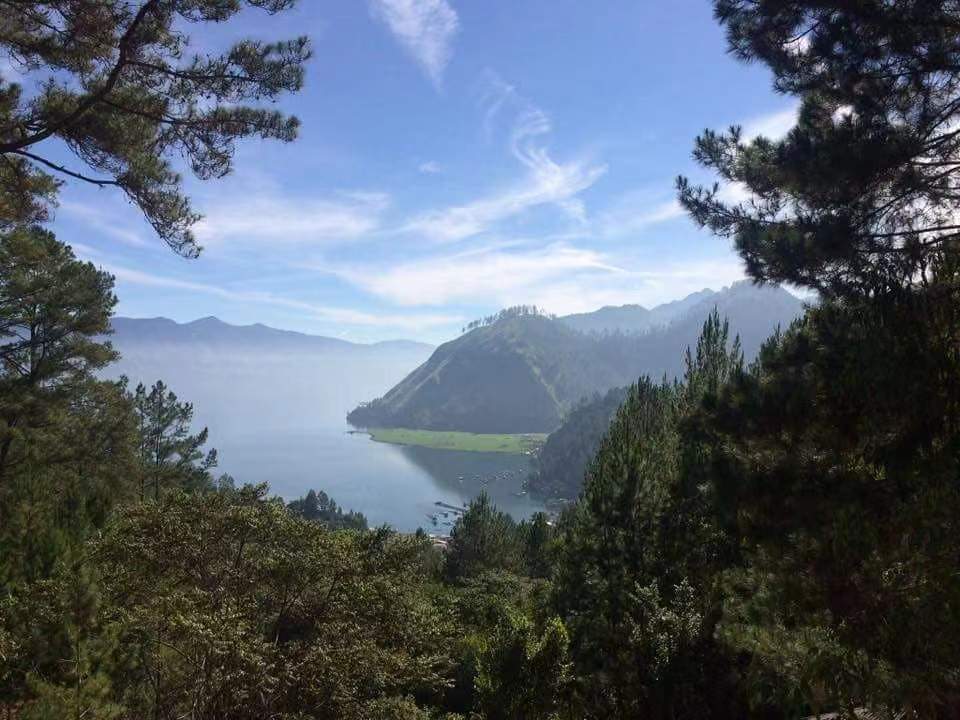
When discussing Mandheling, one often hears about the "Two Lakes, Two Mandhelings" classification: namely theLake Toba regionin northern Sumatra (including areas like Lintong), and theLake Tawar regionin Aceh Province (such as the Gayo Mountains area). The former, due to its earlier development history, is referred to as "Old Mandheling" and typically offers stable and traditional flavors; the latter, developed later, is often considered "Young Mandheling," with some producing areas showcasing brighter acidity and aroma. This geographical distinction contributes to the diversity and layered complexity of Mandheling flavors.
The origin of the name "Mandheling" itself is steeped in legend. It is said to derive from an indigenous tribe in Indonesia, but after World War II, a Japanese soldier, captivated by the unique flavor of a local coffee, sought it out again upon returning home through a trader. The local supplier did not specify the origin and casually referred to it as "Mandheling," and the name has stuck ever since. Interestingly, that same supplier later turned out to be the founder of PWN, a well-known Indonesian export company, which remains one of the key suppliers of Golden Mandheling to this day.
When it comes to the processing methods of Sumatran coffee, one cannot overlook its most iconic technique: Wet Hulling (Giling Basah). Due to Sumatra’s rainy and humid climate, coupled with the lack of equipment and capital for washed processing among most smallholder farmers, this unique method combining elements of both washed and natural processes was developed. This approach not only reduces processing costs but also inadvertently shapes the distinctive flavor characteristics of Mandheling.
The Wet Hulling process generally consists of two main stages: First, the harvested coffee cherries are depulped to remove the skin and fruit flesh, then undergo a short fermentation period of about 3 hours before being partially dried until the moisture content drops to 30–50%, reaching a semi-dry state. Next, the mucilage and parchment layers are removed, and the beans continue to dry in the latter stage, with the entire drying process taking approximately 2 to 4 days until the moisture content reaches 12–13%. Because the beans are subjected to intense mechanical friction during hulling, the outer layer is unevenly stripped, often resulting in a grayish-green color and a tendency for cracks or pressure marks—phenomena referred to as "elephant foot beans." Meanwhile, prolonged fermentation and microbial activity in a humid environment impart Mandheling with its distinctive woody tones, spice notes, and herbal aromas, which serve as key identifiers of its flavor profile.
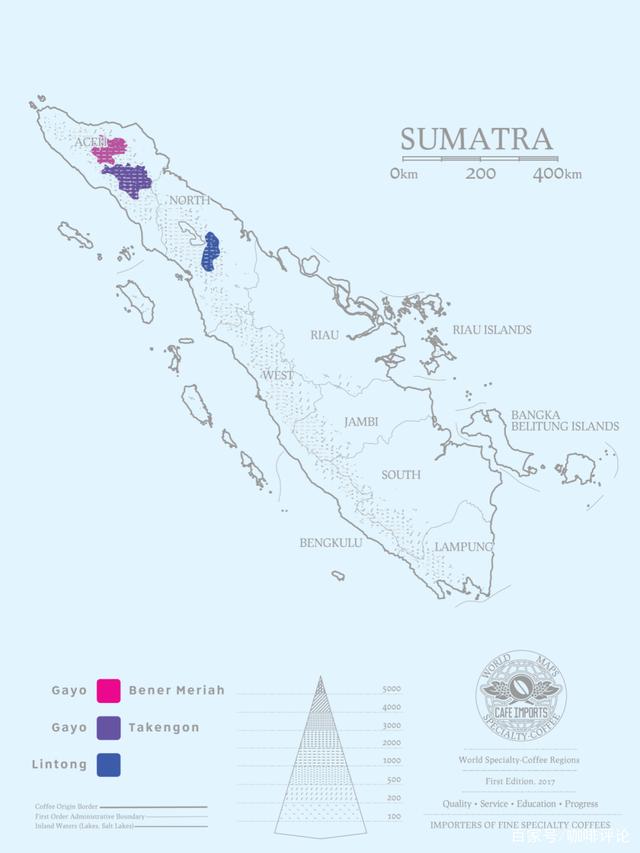
For coffee enthusiasts looking to try Sumatran Mandheling, it is recommended to start with the classicGolden Mandheling. This bean is usually carefully handpicked and medium-dark roasted, showcasing rich layers of chocolate, spices, and caramel, with a full body and long-lasting aftertaste. For those on a tighter budget,Lintong Mandhelingoffers a more affordable option to experience the classic Mandheling style. These single-origin beans are not only suitable for pour over but also highlight the unique character of Sumatran coffee.
If you prefer using an espresso machine or moka pot, you might consider trying espresso blends specifically designed for espresso. Common blend recipes combine beans from regions such as Brazil, Indonesia, and Vietnam, using dark roasting to bring out intense richness and a full body, while also producing fine and persistent crema—perfect for making Americanos or lattes and other specialty drinks.
The above content is compiled by CoffeeHunters, a coffee news website.


