








Introduction:As an important coffee-producing region in China, Yunnan’s “small-bean variety” coffee has gradually gained attention in recent years. In particular, the traditional Typica variety has received high praise for its unique flavor profile. This article delves into the flavor characteristics of Yunnan Typica coffee beans, explains its historical origins and varietal evolution, and provides practical pour over brewing suggestions and parameters to help coffee enthusiasts fully appreciate the potential and charm of this origin.
In recent years, the visibility of Yunnan coffee has been steadily increasing, with more and more coffee lovers beginning to pay attention to the development potential of this domestic Chinese origin. The term “Yunnan small-bean” is often mentioned, mainly referring to Arabica varieties grown in Yunnan Province, in stark contrast to the medium-bean Robusta commonly cultivated in Hainan.
Looking back at the early stages of coffee introduction in Yunnan, the first varieties planted were Typica and Bourbon—both among the oldest Arabica varieties. Their common traits include pure flavors, soft mouthfeel, and natural sweetness, but they also have notable drawbacks: low yield, high cultivation environment requirements, and poor disease resistance, which led to their gradual replacement by other higher-yield, easier-to-manage varieties later on.

Early Yunnan-produced coffee was often criticized for having earthy notes, heavy off-flavors, or wild characteristics, mainly due to the widespread planting of the Catimor variety at the time. Catimor is a hybrid of Caturra and Timor, containing about 25% Robusta heritage, which results in relatively high yield and disease resistance, but its flavor tends to be heavy, with woody or bitter aftertastes often appearing in the finish.
However, with the promotion of specialty coffee concepts, more and more producers have begun to focus on harvest ripeness and post-harvest processing techniques—for example, strictly selecting only red ripe cherries and using refined washed or natural processing methods. As a result, the overall quality of Yunnan coffee has improved significantly, gradually showcasing the unique terroir characteristics of the region.
If you want to get a preliminary taste of the characteristics of Yunnan-origin coffee, you might start with a medium-altitude Catimor variety processed via the washed method. Such coffee typically features prominent nutty tones, complemented by layers of herbal, chocolate, and caramel notes, with a mild acidity and occasional hints of subtle fruitiness in the aftertaste. It is suitable for everyday drinking and can be easily brewed using pour over or drip bag methods.
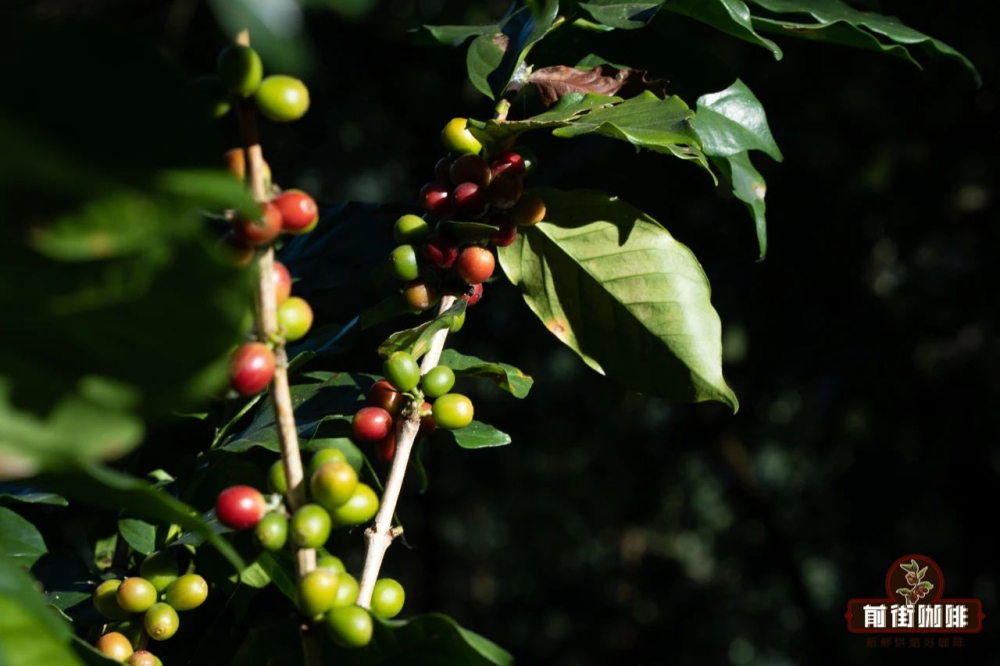
If you wish to more deeply experience the charm of the traditional Typica variety, it is recommended to choose Typica coffee beans from high-altitude regions and processed using the natural (sun-dried) method. These beans mature slowly in high-altitude environments and often exhibit richer aromatic layers, such as the sweet scent of dried apricots, the warmth of nuts, and the gentle sweetness akin to brown sugar. The mouthfeel after brewing is round and smooth, with a tea-like aftertaste in the finish. It is very suitable for extraction methods such as pour over, cold brew, siphon, or drip bags, all of which can fully highlight its delicate flavors.
For readers who prefer using espresso machines or moka pots, it is recommended to try blends made from Brazilian Red Bourbon and Yunnan AA single-origin beans. Such bean blends are generally designed specifically for espresso extraction and can showcase rich flavors of chocolate, roasted nuts, butter, and cocoa after brewing, with good crema performance. They offer good value for money, are suitable for everyday quick enjoyment, and can also meet the needs of users seeking intense flavors.
When actually brewing Yunnan Typica via pour over, it is recommended to use a medium-fine grind (close to granulated sugar), with a water-to-coffee ratio controlled between 1:15 and 1:16, and a water temperature suggested between 90°C and 93°C. During the brewing process, a segmented extraction method can be employed—for example, starting with 30 grams of water for a 30-second bloom, followed by segmented pouring to reach a total of about 225 grams, with the total brew time controlled between 2 minutes 30 seconds and 3 minutes. This helps to fully bring out its sweetness and delicate acidity.
Overall, although Yunnan coffee started relatively late, thanks to its unique geographical conditions and continuously improving post-harvest processing techniques, it has gradually begun to make its mark in the global specialty coffee market. Whether you are a beginner pour over enthusiast or a seasoned coffee connoisseur looking for fresh flavors, it’s worth giving Yunnan Typica a try to experience the beauty of the coffee terroir from the Yunnan plateau.
The above content is compiled by CoffeeHunters, a coffee news website.


